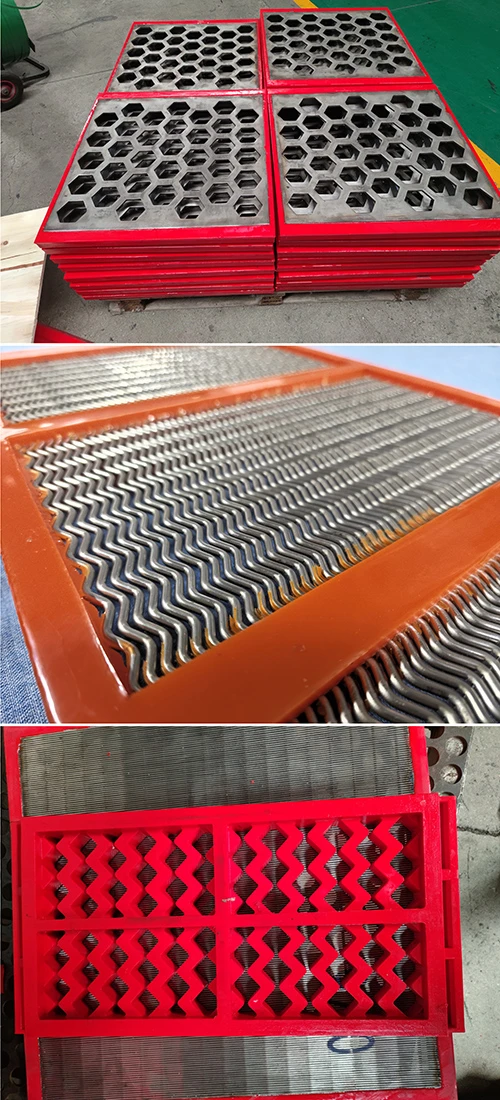
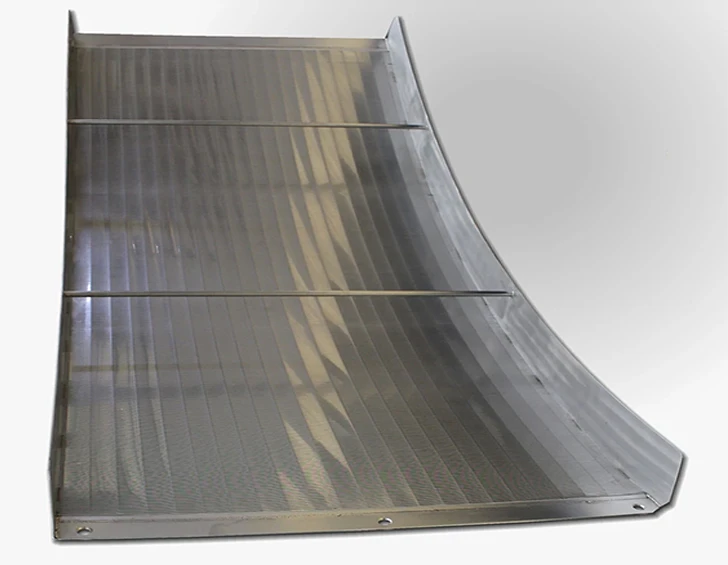
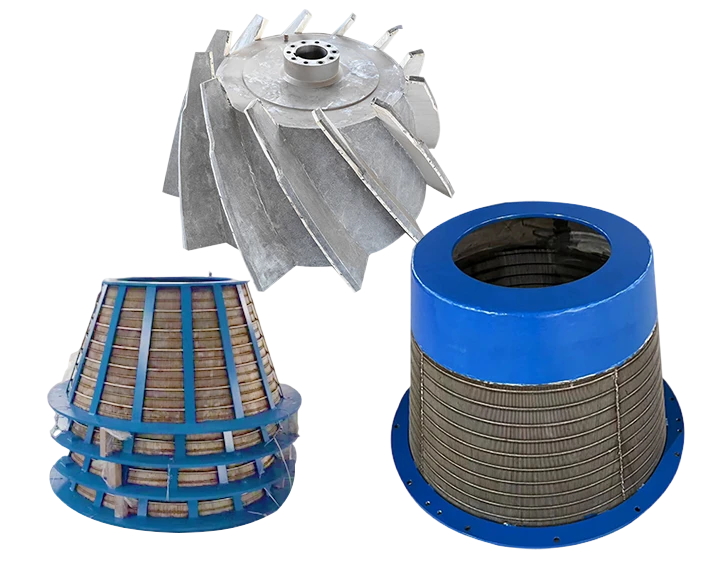
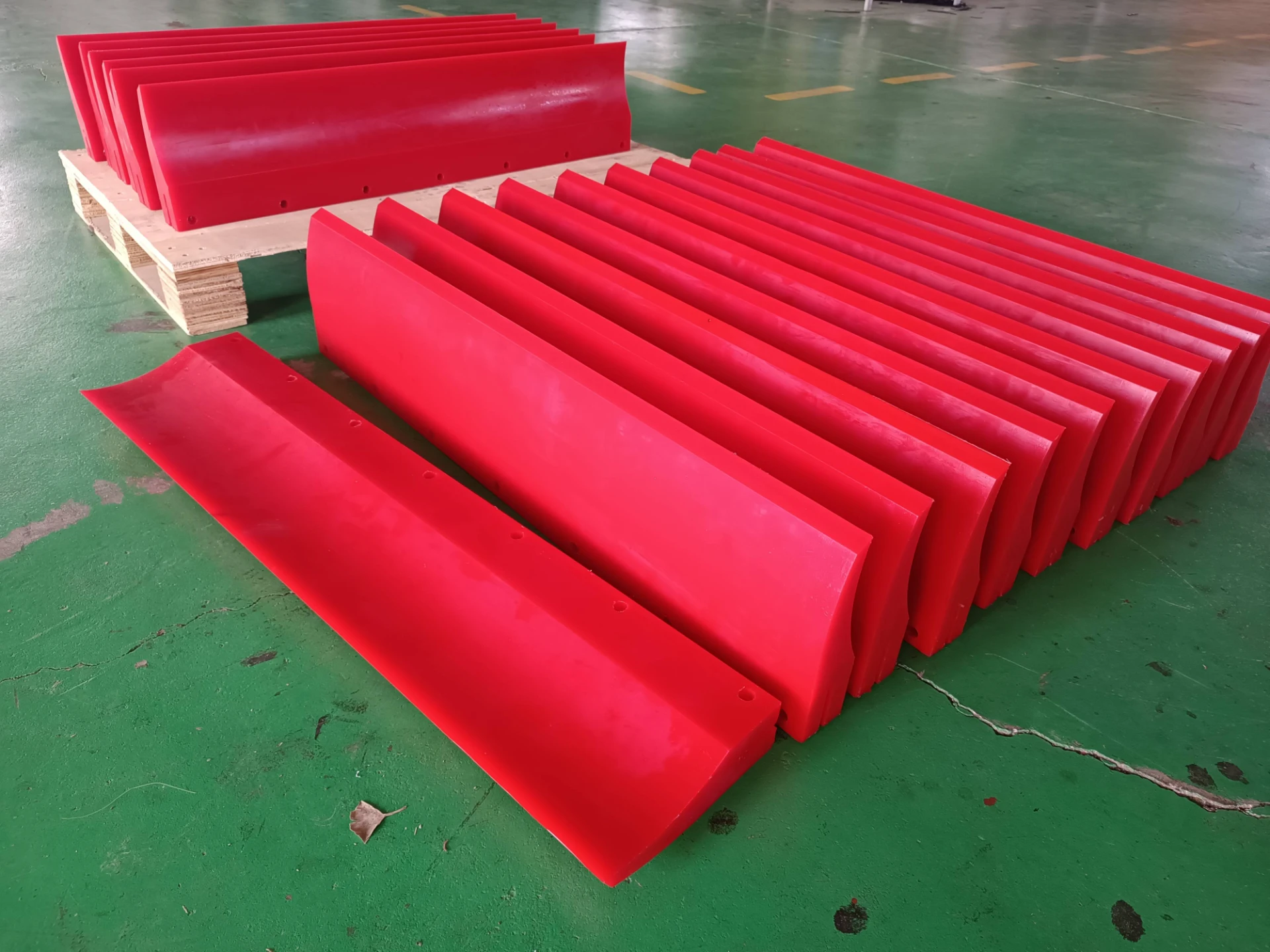
Perforated Metal Panels: The Unsung Heroes of Industrial Design
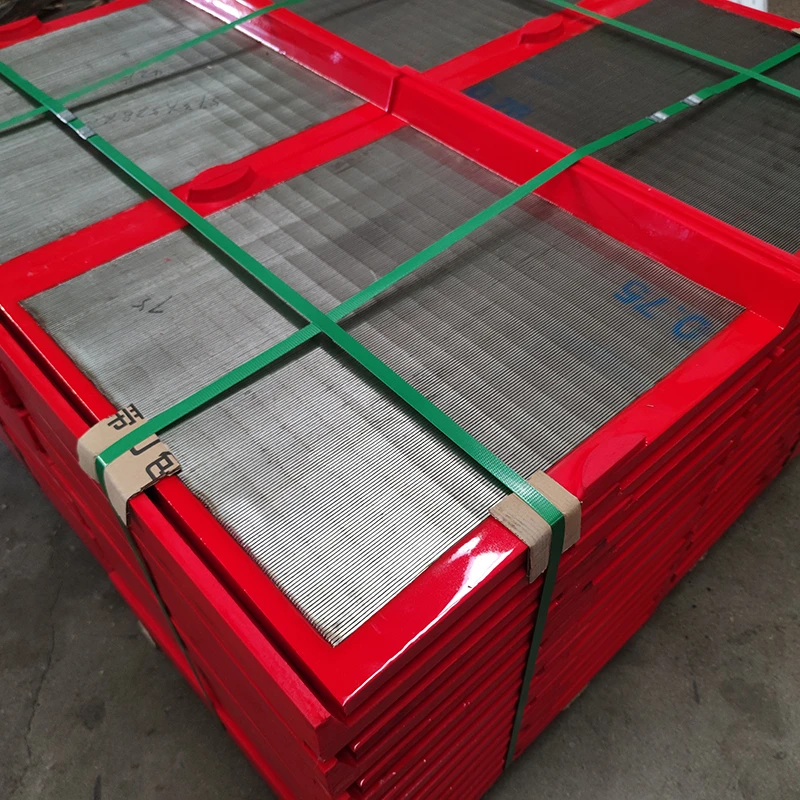
Working in the industrial equipment sector for over a decade, I've gotten familiar with countless materials and components. But oddly enough, perforated metal panels have always stood out as a deceptively simple yet incredibly versatile solution. You probably see these panels every day — on facades, HVAC systems, machine guards, and even in architectural accents — but their design intricacies and practical benefits often fly under the radar.
What’s fascinating is their role in balancing function and aesthetics. Imagine a panel that needs to provide structural support but also allow airflow, sound absorption, or even light filtration. Perforated metal panels do all this while withstanding harsh environments, which is exactly why they’re favored across industries from construction to filtration and security.
One memorable project that sticks in my mind was a retrofit for a wastewater treatment facility. The engineers needed corrosion-resistant panels with specific hole patterns to optimize ventilation while preventing debris ingress. After testing several alloys, they settled on stainless steel 304 with round perforations, which not only met the technical criteria but also extended the panel’s lifetime — a huge win, obviously, for maintenance budgets.
Key Specifications of Perforated Metal Panels
| Specification | Details |
|---|---|
| Material Types | Aluminum, Stainless Steel 304, Carbon Steel, Galvanized Steel |
| Hole Patterns | Round, Square, Slotted, Decorative |
| Thickness Range | 0.5 mm to 6 mm (customizable) |
| Open Area Percentage | 5% to 65% (depend on pattern) |
| Max Sheet Size | 48" x 144" |
Comparing Leading Perforated Metal Panel Vendors
Of course, when it comes to suppliers, the choice can make or break your project. I’ve dealt with multiple manufacturers over the years, and frankly, knowing not just the specs but also delivery times, customization options, and consistency helps enormously.
| Vendor | Material Options | Customization | Typical Lead Time | Pricing |
|---|---|---|---|---|
| MUTO Screen | Aluminum, Stainless Steel, Carbon Steel | Highly customizable hole patterns and sizes | 2-3 weeks | Mid-range |
| ABC Metals | Stainless Steel, Galvanized Steel | Standard patterns only | 3-4 weeks | Low |
| XYZ Perforation | Aluminum, Carbon Steel | Custom patterns but higher MOQ | 4-5 weeks | High |
One thing I learned the hard way: cheapest doesn’t always mean best, especially when tolerances and durability matter. The team at MUTO Screen impressed me with their ability to tweak specifications without inflating prices drastically. In industries where specs vary project to project, that kind of flexibility is gold.
Now, on to design trends. I’ve noticed more projects leaning into decorative perforated panels, blending utility with branding or architectural flair. It feels like we’re capitalizing on a material that’s been around forever but still very much evolving.
Also worth mentioning: the testing standards to guarantee performance. Most reputable vendors will provide certified testing for tensile strength, corrosion resistance, and even acoustic properties. In real-world applications—like noise barriers along highways or ventilation grilles in factories—that data translates to confidence in daily use.
If you ever find yourself specifying materials for filtration or separation, consider the open-area ratio carefully. It’s a tricky balance—too small, and airflow suffers; too large, and you lose structural integrity. Those nuances really come alive when you get into the weeds.
So, there you have it. Perforated metal panels might seem mundane compared to flashy tech, but I’d argue they’re quietly indispensable. They combine engineering precision with design adaptability. As someone who's been knee-deep in drawings, specs, and the occasional last-minute order, I can say that knowing your material is more than just stock—it’s about tailored solutions that last.
Have I convinced you to appreciate these panels a bit more? I hope so. Because at the end of the day, it's not just metal with holes; it's a highly functional part of many industrial successes.
— A seasoned industrial equipment pro
References
- Industry standards for perforated metals, ASTM and ISO guidelines
- Case studies from wastewater facility retrofits, 2019-2023
- Supplier technical data sheets and customer testimonials