Aggregate Solutions: What Works Best on the Plant Floor?
Having worked over a decade in the industrial equipment sector, particularly with aggregates and screening solutions, I can honestly say it's fascinating how much goes into picking the right system. Aggregate solutions aren’t just about churning out rock and gravel; it’s a complex dance of design, material science, and, frankly, a bit of hands-on know-how. You quickly learn that no two plants are exactly alike, so customization often becomes a key part of the conversation.
Now, if you’ve ever walked onto a busy aggregate site, you’ll notice milling dust in the air, humming machinery, and piles of processed material lined up ready for shipment. The essential part in all this is the quality and reliability of your screening equipment, impacting everything from throughput rates to final product size consistency.
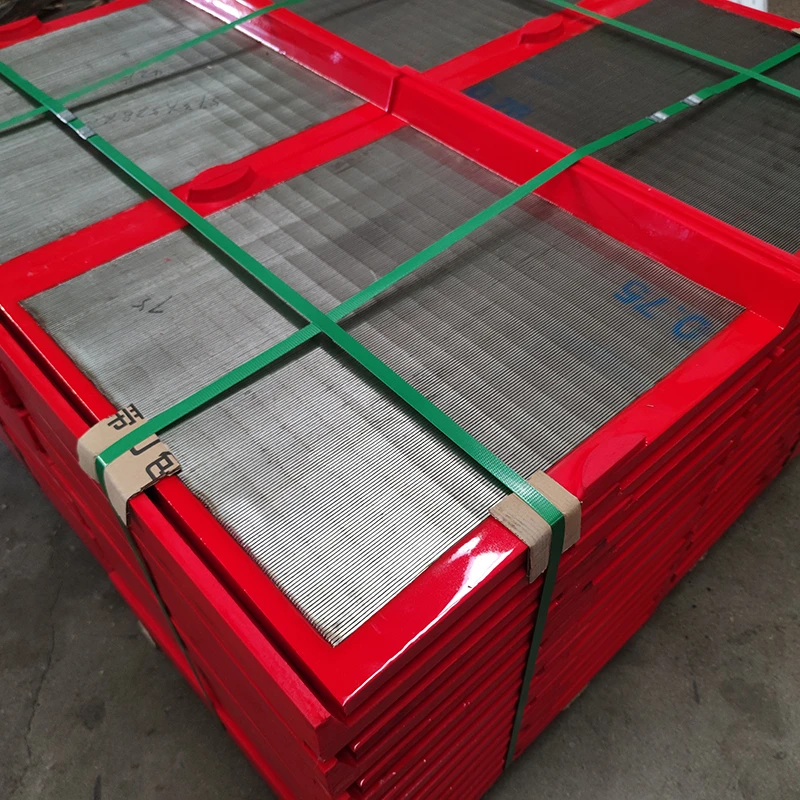
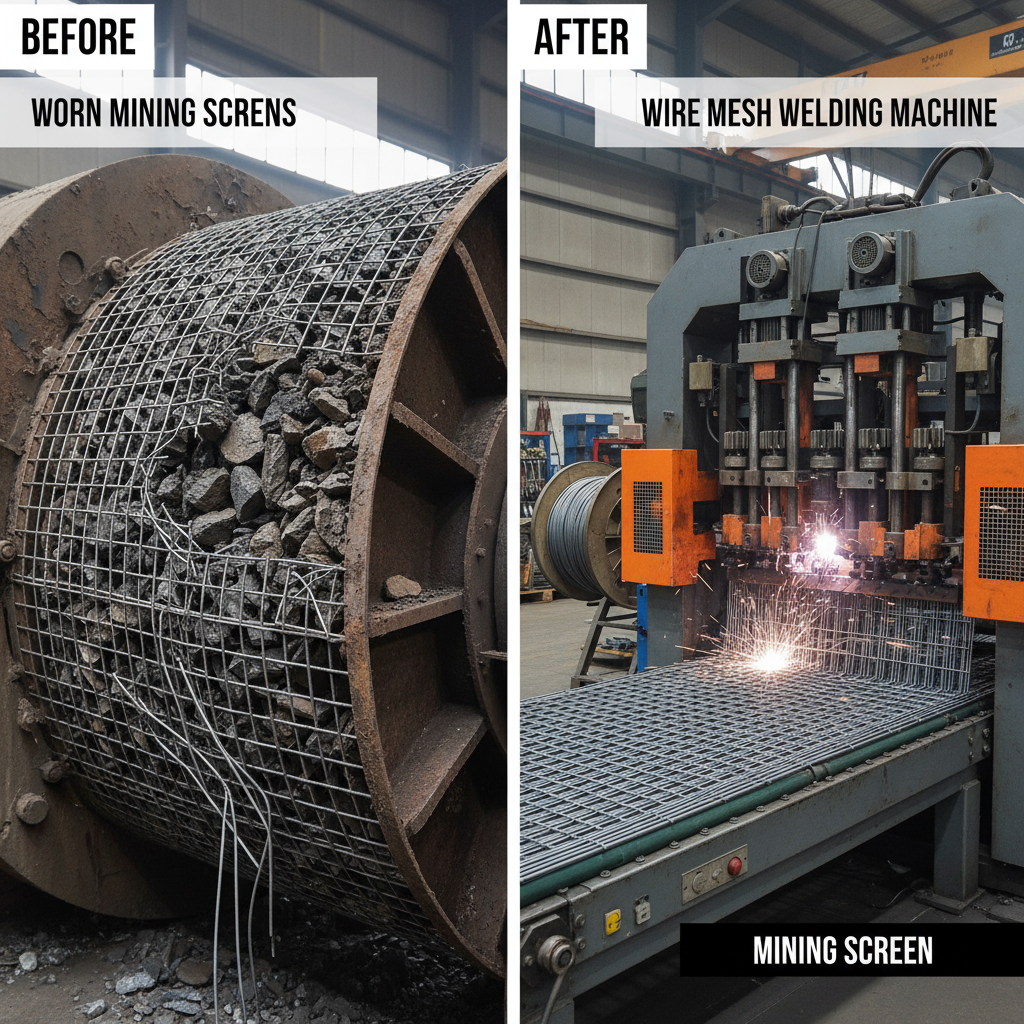
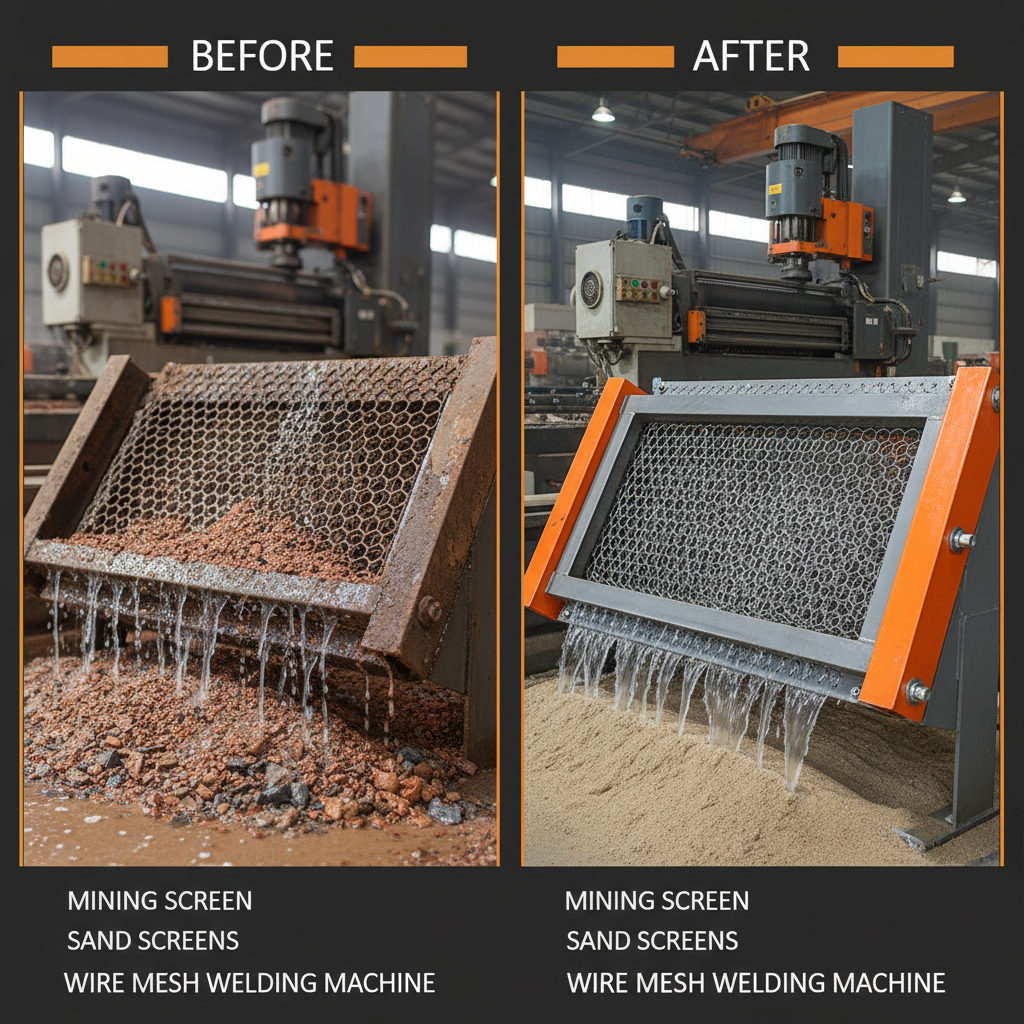
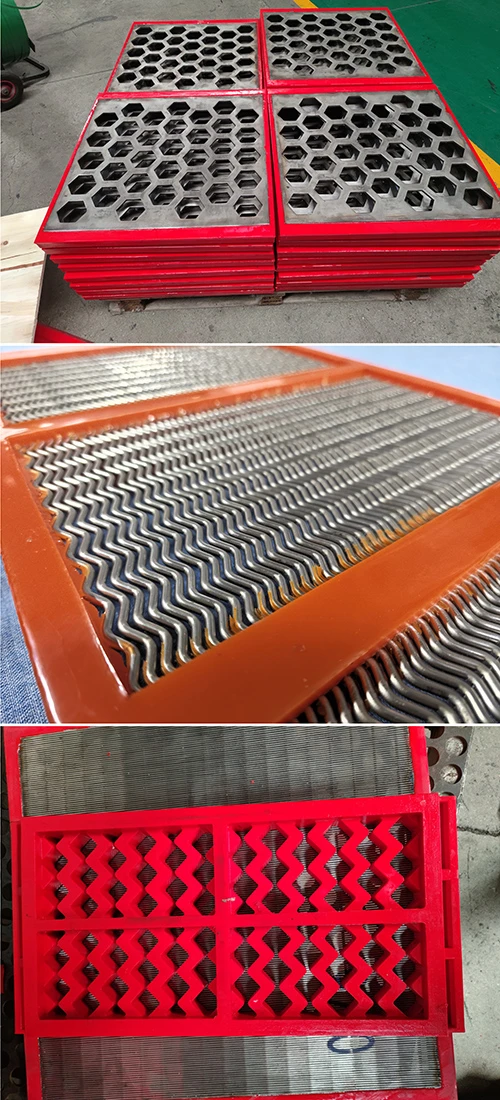
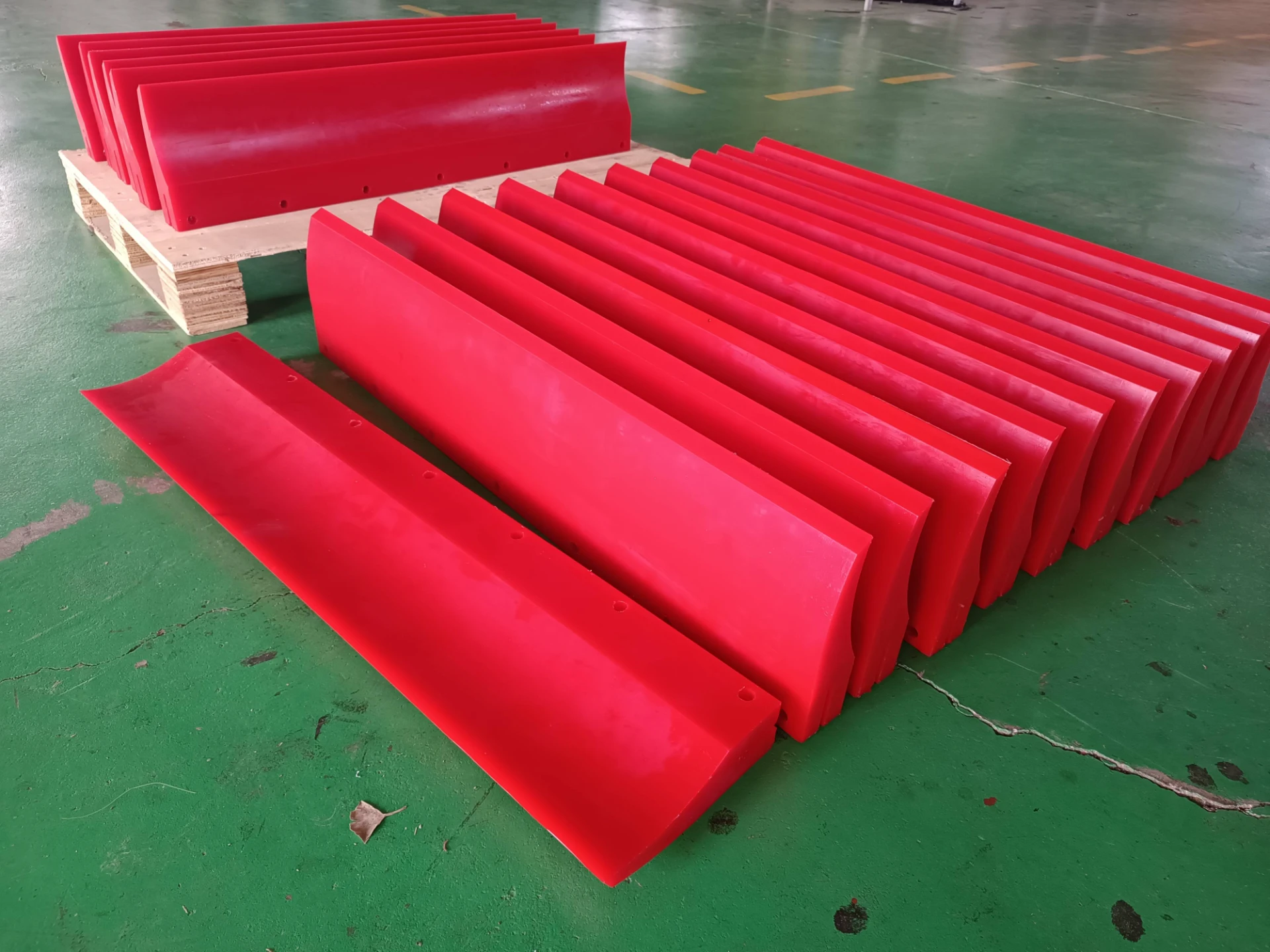
One thing that stands out is how aggregate solutions have evolved over recent years. Gone are the old clunky screens that required constant maintenance and frequent belt replacements. Modern machines combine robust steel frames with high-tensile synthetic screen panels that resist wear and tear far better—this not only cuts downtime but also extends equipment life—an absolute win in operational terms.
In my experience, companies focusing on vibration technology and panel design improvements are the ones leading the pack. They tend to offer versatile options that adapt well to varying feed materials, from limestone to recycled concrete. Speaking of feed, testing material characteristics before finalizing the equipment setup is something I always recommend. It’s surprising how a slightly wetter material or coarser aggregate can affect machine performance — something you don’t want to discover mid-shift.
| Specification | Details |
|---|---|
| Screen Area | 10-25 m² (varies by model) |
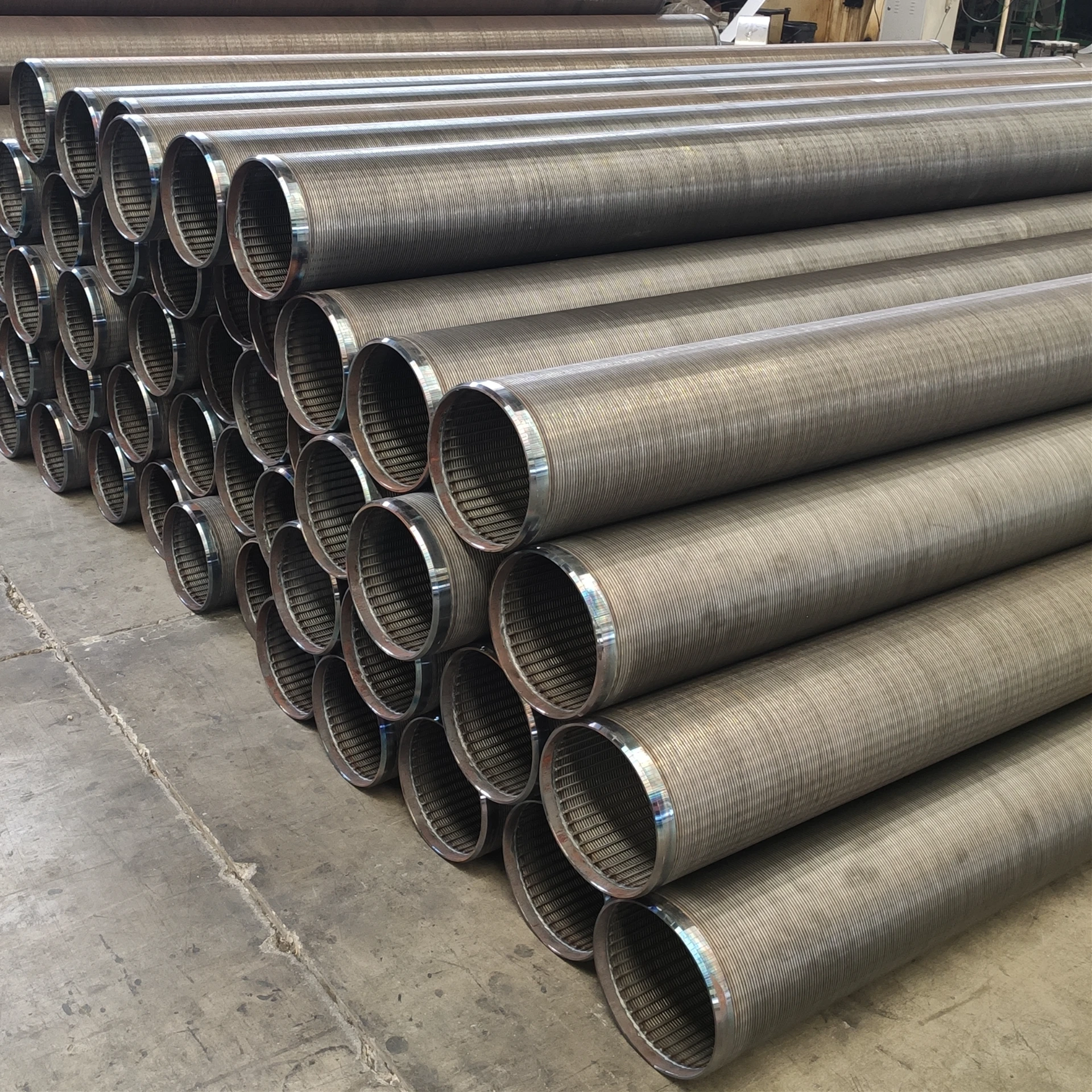
| Screen Media | Polyurethane & Steel Mesh options |
| Feed Size Capacity | Up to 150 mm |
| Mobility | Stationary or Mobile Units Available |
| Drive System | Electromechanical or Hydraulic |
Oddly enough, I've noticed that some plant managers prefer tried-and-true electromechanical drives, citing easier maintenance, while others swear by hydraulic systems for their smooth operation. It really boils down to your team’s comfort and the scale of processing.
Talking about vendors, the market offers a broad spectrum from niche specialists to large multinational brands. To keep things practical, here’s a quick comparison I’ve found helpful, especially when weighing decision factors like cost, customization, and support availability.
| Vendor | Customization | Price Range | Service & Support |
|---|---|---|---|
| Mutoscreen | High – Panels & screening tailored to feed | Mid-High | Excellent – Strong field support & fast parts |
| Brand X | Medium – Standard screen sizes only | Low-Mid | Good – Limited on-site visits |
| Brand Y | Low – Mostly off-the-shelf | Low | Basic – Remote assistance only |
To put the theory into practice, a site I recently visited had switched over to synthetic screen panels after battling frequent steel panel failures. It was clear in the drive company recognized the difference in longevity and the reduced wear had a direct impact on the downtime. The operators there were relieved to finally get a system that could reliably hold up for months rather than weeks.
In the end, choosing the right aggregate solutions means balancing upfront investment against long-term reliability, maintenance ease, and adaptability. And while specs and vendor comparison tables help, frankly, nothing beats seeing the equipment run with your own material — it gives you that gut feeling whether it’s right or not.
So next time you’re in the market, ask around, test samples, and don’t be shy about getting vendors to tweak their offerings. Well, that’s my two cents after years dodging dust on the plant floor!
References:
- Industry Aggregate Equipment Reports, 2023
- Mutoscreen Product Manuals & Customer Case Studies
- Engineering Specification Reviews & Field Trials, 2019-2024