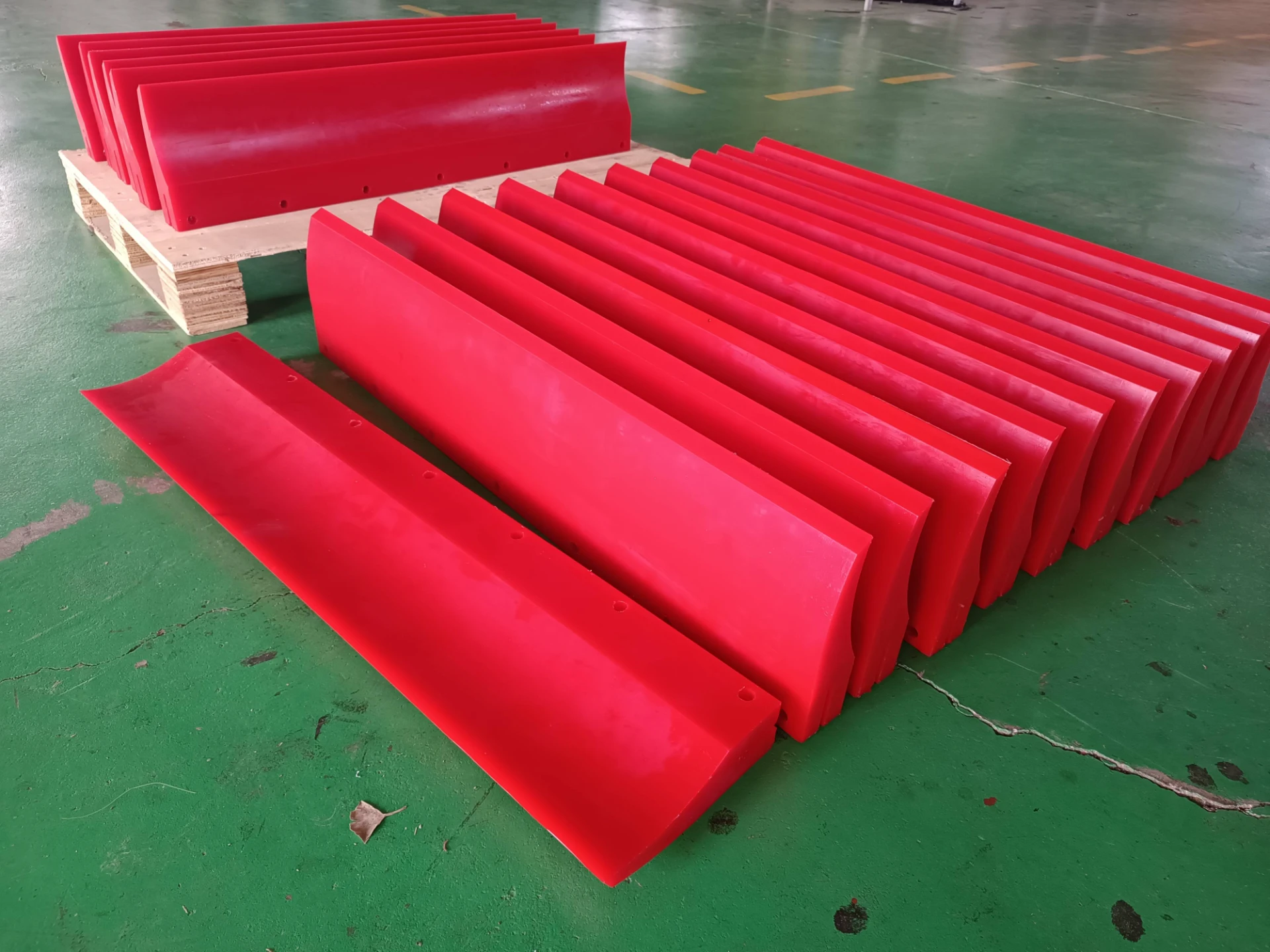
Pressure Arc Sieve: What It Is and Why You Should Care
At first glance, the pressure arc sieve sounds ultra-technical, almost sci-fi. But in reality, it’s a specialized yet increasingly vital device shaping how industries—from manufacturing to environmental engineering—handle material sorting and quality control. Understanding what a pressure arc sieve is and why it matters can unlock efficiency gains, cost savings, and sustainability wins across global markets. And that’s no exaggeration when the right pressure system can improve production throughput while minimizing waste.
Globally, these sieves address challenging separation problems in sectors as diverse as mining, food processing, pharmaceuticals, and even humanitarian relief materials handling. Given the industrial growth in emerging economies and rising environmental standards worldwide, the pressure arc sieve is quietly becoming a mainstay of modern material handling technology.
Mini takeaway: The pressure arc sieve isn’t just a piece of equipment; it’s a clever response to global demands for smarter, cleaner, and more precise material sorting.
The Global Stage: Where Pressure Arc Sieves Fit In
Think about the massive volume of materials moving through factories and plants every day. As the UN’s Industrial Development Organization noted, global manufacturing output grows consistently, pushing demand for smarter quality control technologies (1). But here’s the catch: many traditional sieving methods – basic vibrating screens or static meshes – struggle to handle complex, sticky, or fine powders efficiently, leading to contamination risks and costly rework.
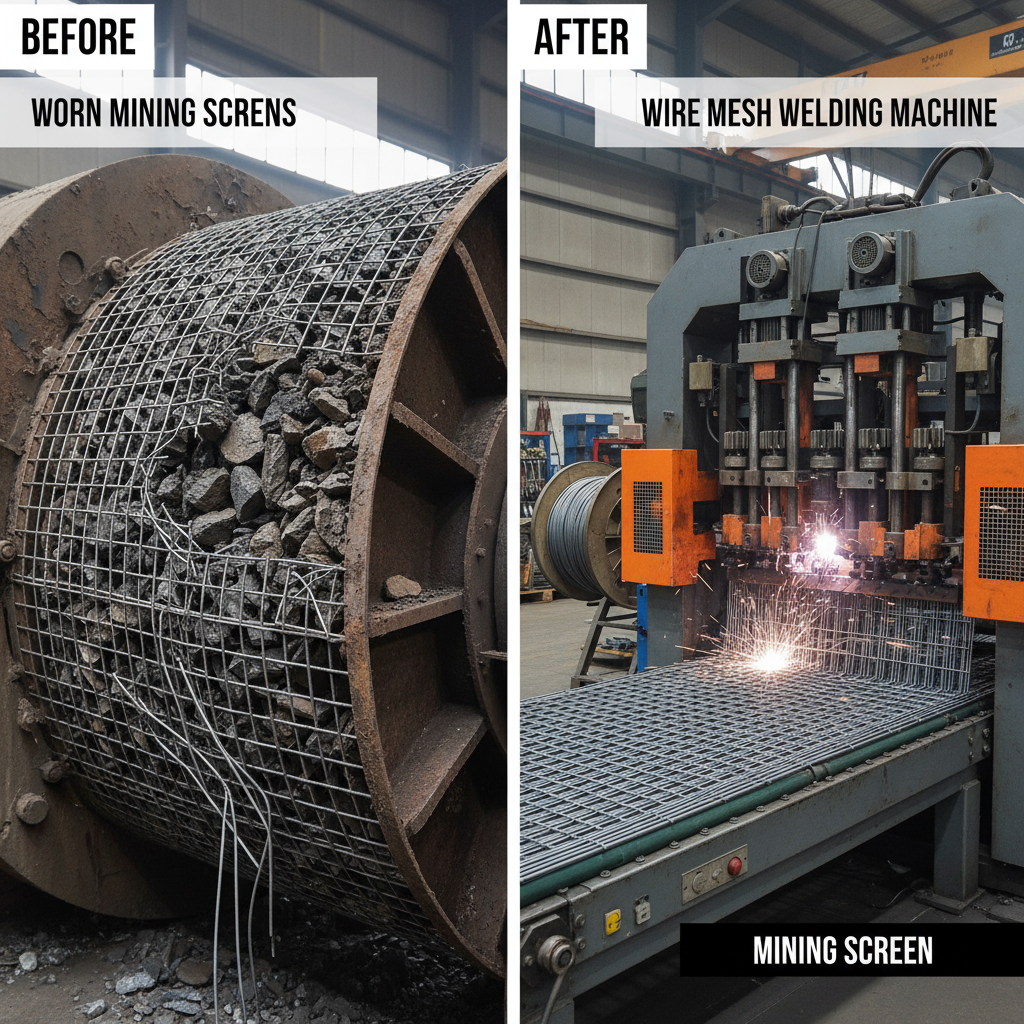
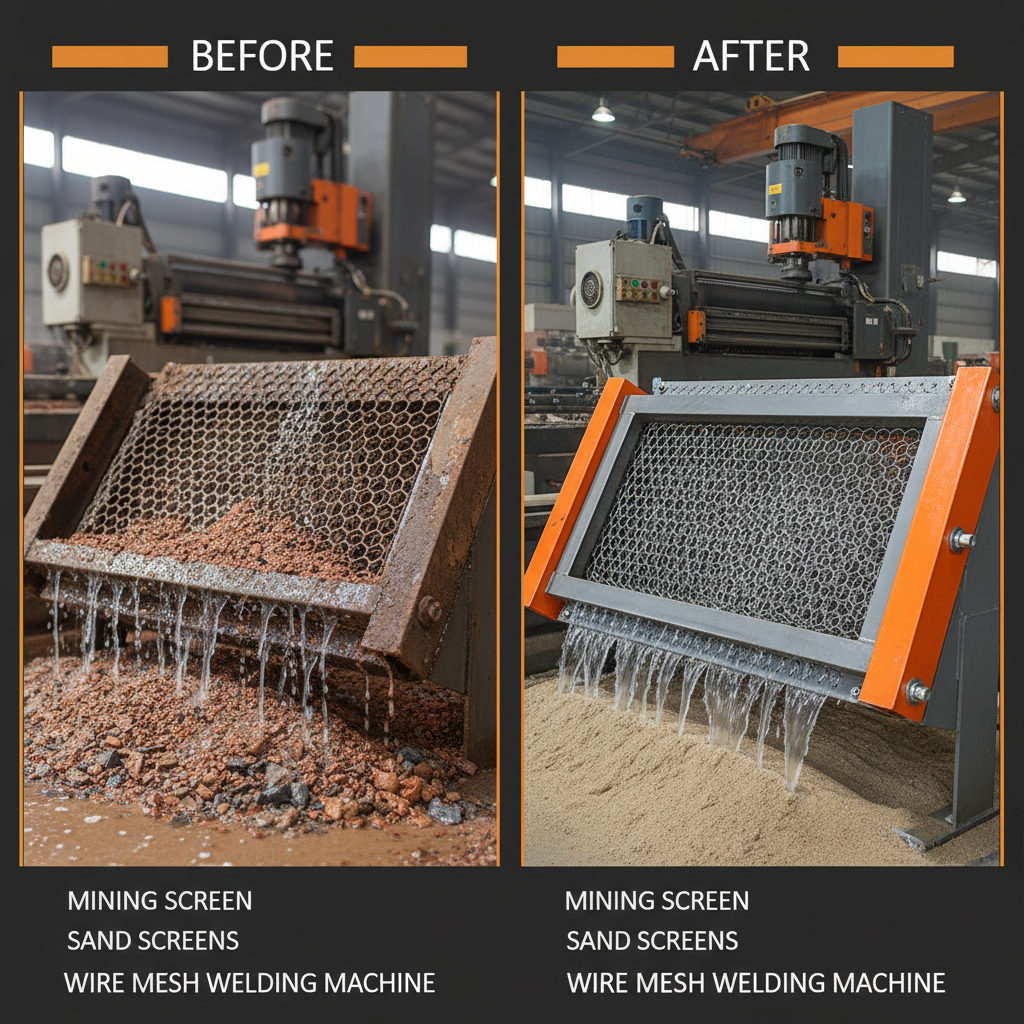
This is where the pressure arc sieve shines. By applying controlled pressure along a curved, arc-shaped mesh cylinder or plate, it achieves a more consistent and dynamic separation. The effect? Higher throughput, better granularity control, and reduced downtime due to clogging. For the food industry, that can mean fewer rejected batches. For mining, it’s cleaner ore separation.
Mini takeaway: The pressure arc sieve is helping solve problems that older tech just can’t tackle efficiently, meeting demands from ISO-certified production lines to humanitarian recycling projects.
Defining Pressure Arc Sieve — Simply Put
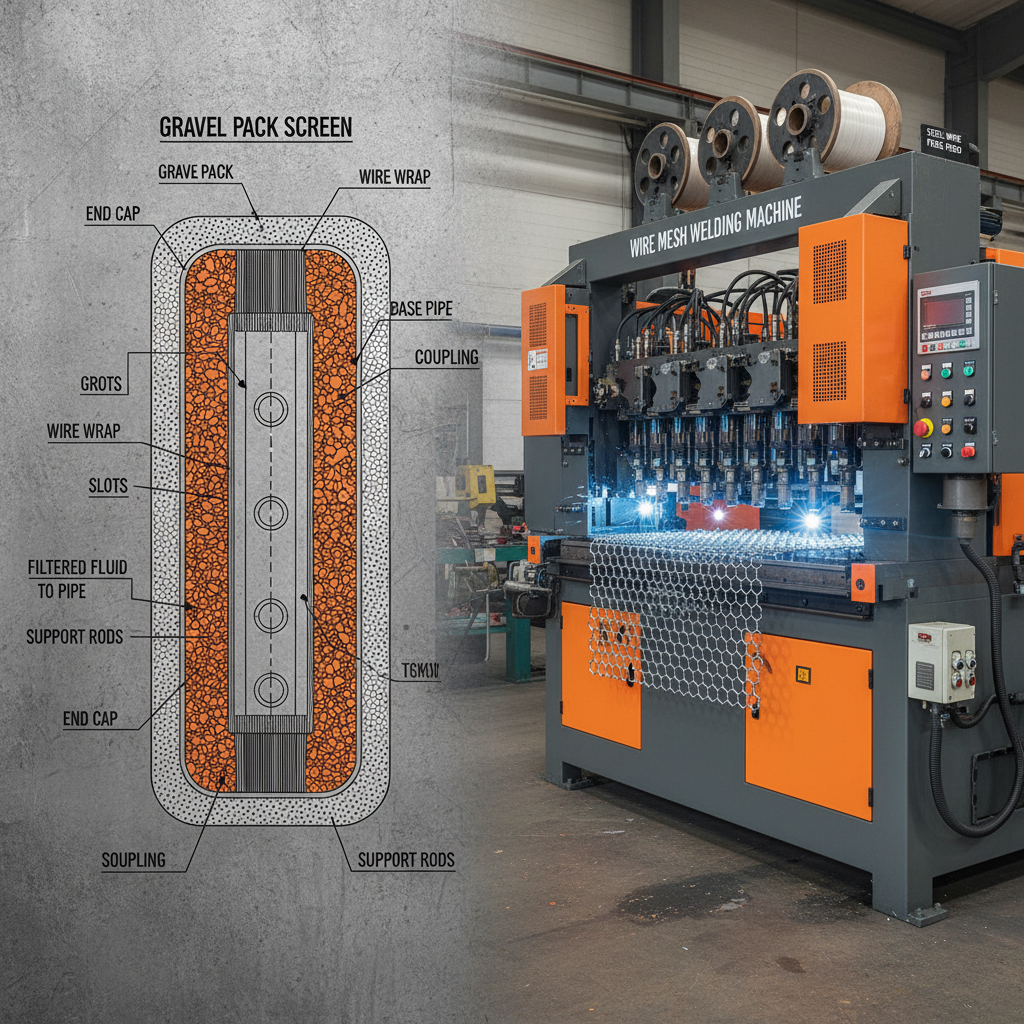
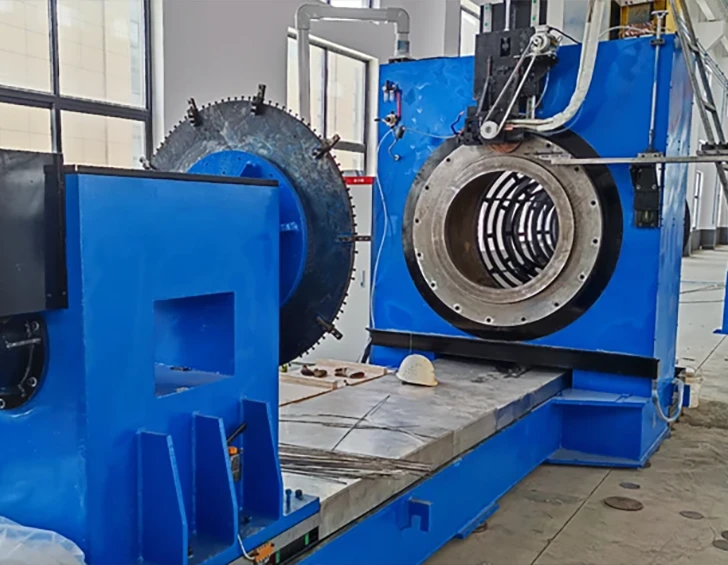
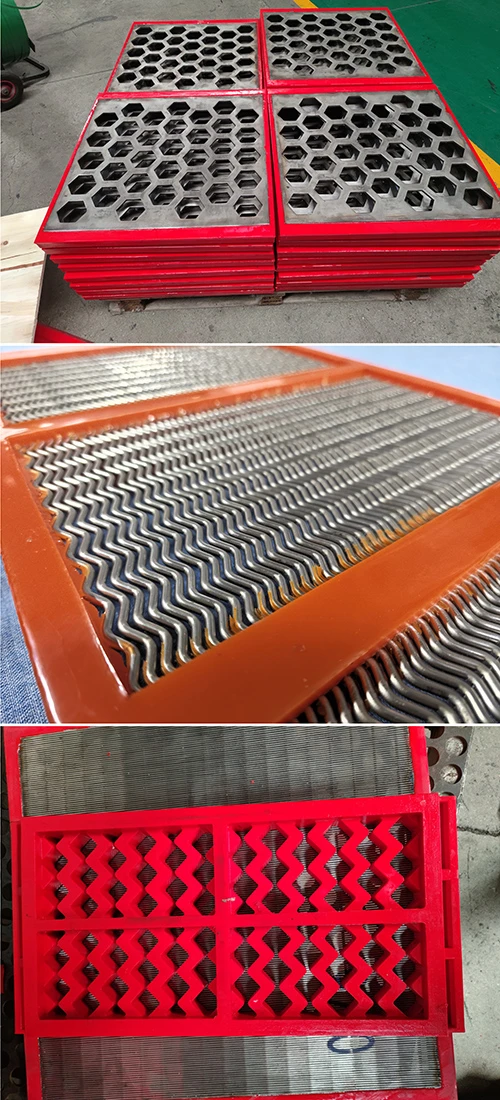
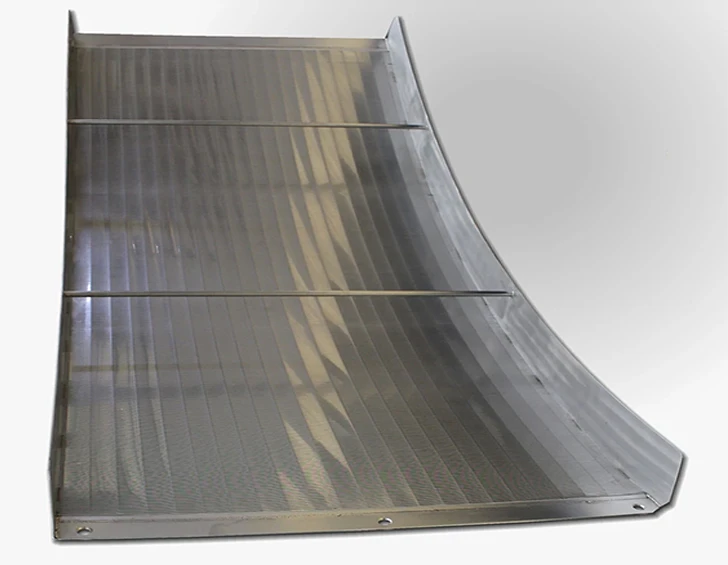
In the simplest terms, a pressure arc sieve is a mechanical filtration device that uses pressure to force material through an arc-shaped mesh or perforated surface, separating particles by size. The arc design improves flow dynamics, reduces blockages, and provides uniform pressure distribution. It’s sort of like pushing juice through a curved fine-mesh strainer – but on an industrial scale.
This tech assists industries where particle separation precision is mission-critical, whether it’s ensuring pharmaceutical powders meet purity standards or removing unwanted debris from food grains.
pressure arc sieve also finds relevance beyond production lines — think post-disaster relief camps sorting reusable debris or remote mining sites processing ore on the fly. In all these settings, reliability and efficiency are key.
Core Components & Key Factors Behind Pressure Arc Sieves
1. Durability and Material Choice
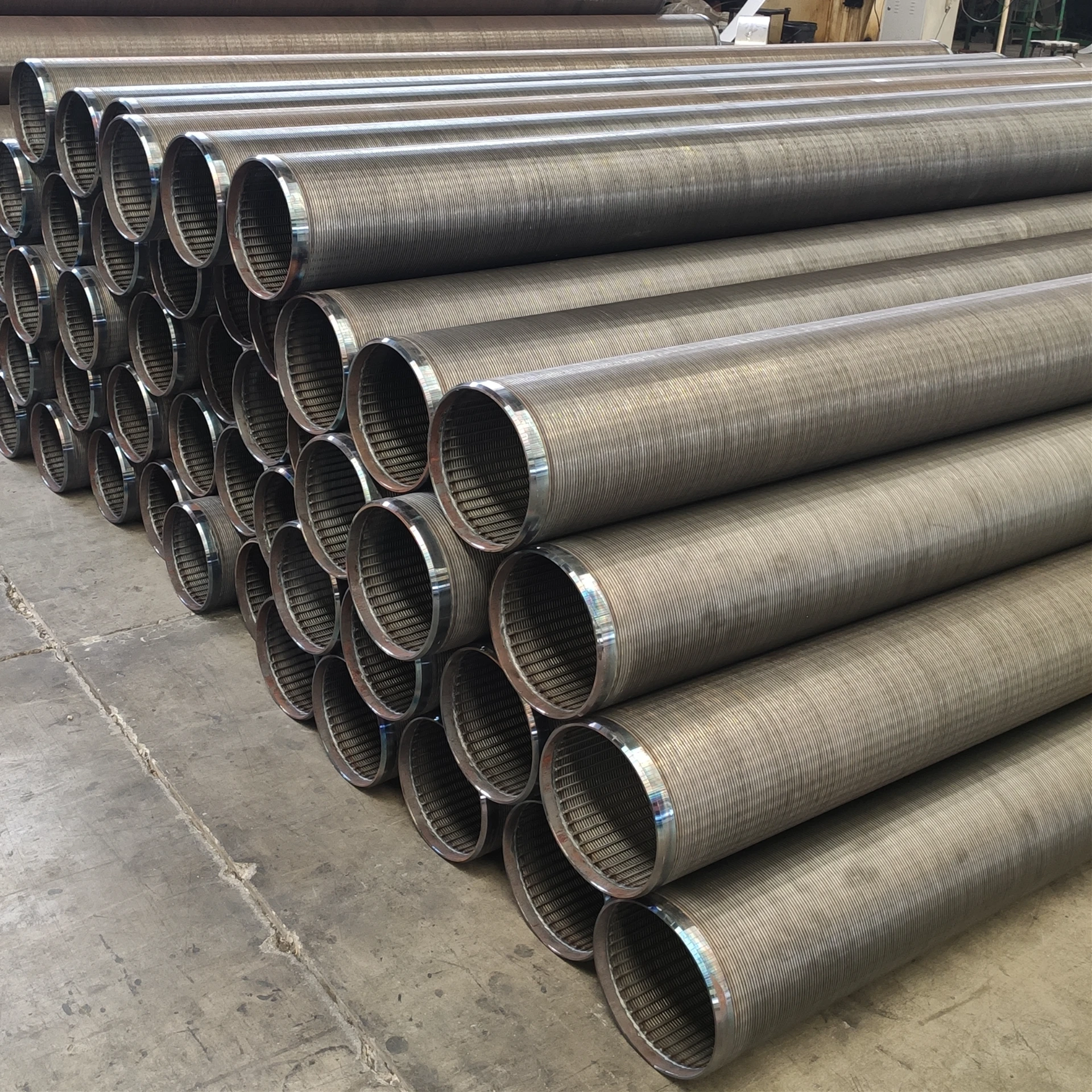
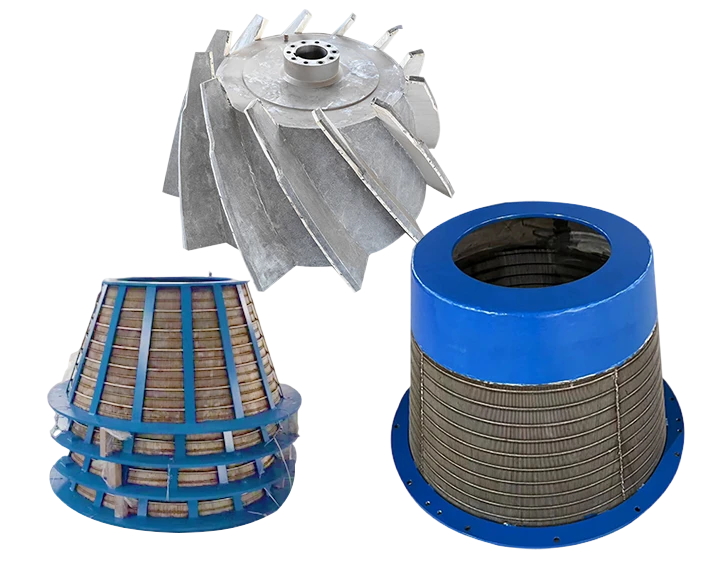
Most pressure arc sieves are crafted from stainless steel or corrosion-resistant alloys. This is crucial, especially when handling corrosive, abrasive, or moist materials. Longevity not only reduces replacement costs but also boosts uptime—a non-negotiable in continuous industrial processes.
2. Scalability to Various Throughput Needs
Whether processing a few kilos per hour in a niche pharmaceutical line or thousands of tons daily in mining, these sieves can be scaled accordingly. Their modular design lets engineers adjust mesh sizes and pressure settings on demand.
3. Cost Efficiency Over Time
While the initial price tag might feel steep compared to traditional sieves, the pressure arc sieve pays for itself by lowering energy consumption and maintenance cycles. Reduced material loss and rejection rates also translate directly into better margins.
4. Ease of Maintenance
Engineers appreciate that many pressure arc sieves are designed for quick disassembly, allowing filters or meshes to be swapped without full shutdowns. This friendly design factor cuts downtime and labor costs.
5. Precision and Consistency
The curved arc shape ensures material flows evenly, avoiding hotspots and bridging, which plague flat-screen or drum sieves. The pressure application can be finely tuned to meet specific material properties.
Mini takeaway: The pressure arc sieve acts as a precision instrument balanced on robust engineering, offering scalable, cost-effective sorting solutions.
Real-World Applications and Industries Benefiting from Pressure Arc Sieves
- Mining & Mineral Processing: Efficiently separates valuable ore from tailings, improving recovery rates and reducing environmental impact.
- Pharmaceutical Industry: Guarantees fine particle uniformity crucial for dosage control in powders and granules.
- Food and Beverage: Ensures consistent grain size in products like flour, sugar, and spices, reducing contamination and waste.
- Environmental & Recycling: Sorts construction debris and recyclable materials effectively in post-disaster or urban recycling centers.
- Humanitarian Relief Operations: Assists in sorting reusable materials and soil in camps or remote logistics zones.
For example, a mining operation in Australia recently introduced pressure arc sieves to process cobalt deposits, reducing waste by 12% and improving the ore grade consistency – a win both economically and environmentally.
Mini takeaway: This technology helps sectors worldwide adapt to tougher quality and sustainability standards while maintaining productivity.
Advantages: Why Companies Trust Pressure Arc Sieves Long-Term
- Cost savings: Energy-efficient operation and less frequent replacement parts lower lifetime expenses.
- Sustainability: Reduced waste and efficient sorting contribute to environmental goals and regulatory compliance.
- Reliability & Safety: Robust materials and easy cleaning reduce contamination and enhance worker safety.
- Innovation & Trust: The modular design and precise controls give operators confidence in handling wide material varieties.
- Social Impact: Supports better product quality in humanitarian aid and food security sectors.
It feels like more manufacturers are waking up to the sheer practicality wrapped in the advanced mechanics of the pressure arc sieve—and trusting it as an investment rather than a cost.
Technical Specifications of a Standard Pressure Arc Sieve Model
| Specification | Typical Value |
|---|---|
| Mesh Size Range | 20 to 400 microns |
| Max Operating Pressure | 0.8 MPa (8 bar) |
| Material | 316L Stainless Steel |
| Throughput Capacity | 5 to 50 tons/hr (model dependent) |
| Dimensions (LxWxH) | 1500 x 800 x 1200 mm |
| Weight | 350 kg |
Comparing Leading Vendors of Pressure Arc Sieves
| Vendor | Price Range | Customization Options | Key Industries Served | Lead Time |
|---|---|---|---|---|
| MutoScreen Technologies | $30,000–$50,000 | Mesh sizes, pressure ranges, automated cleaning | Mining, Pharma, Food | 6–8 weeks |
| ArcFilter Systems Inc. | $25,000–$45,000 | Pressure customization, modular units | Food, Recycling | 5–7 weeks |
| SievoTech Solutions | $35,000–$60,000 | Advanced digital sensors, remote monitoring | Pharma, Mining | 7–9 weeks |
Looking Ahead: Future Trends in Pressure Arc Sieve Technology
It’s not just about steel and mesh anymore. Expect pressure arc sieve designs integrating smart sensors and AI-driven controls to optimize pressure and mesh cleaning in real-time, reducing manual calibration needs. Green manufacturing principles push manufacturers to adopt lighter, recyclable materials and reduce power consumption further.
Digital twin tech is also gaining ground—virtual models of sieves that forecast wear and inefficiencies, potentially revolutionizing preventative maintenance. And oddly enough, there’s growing interest in eco-friendly coatings that repel moisture and organic buildup, which could be a real game-changer in food processing.
Mini takeaway: The pressure arc sieve might feel like old-school engineering, but it’s evolving fast, blending industrial robustness with digital brains and sustainability.
Challenges, and How Innovators Are Tackling Them
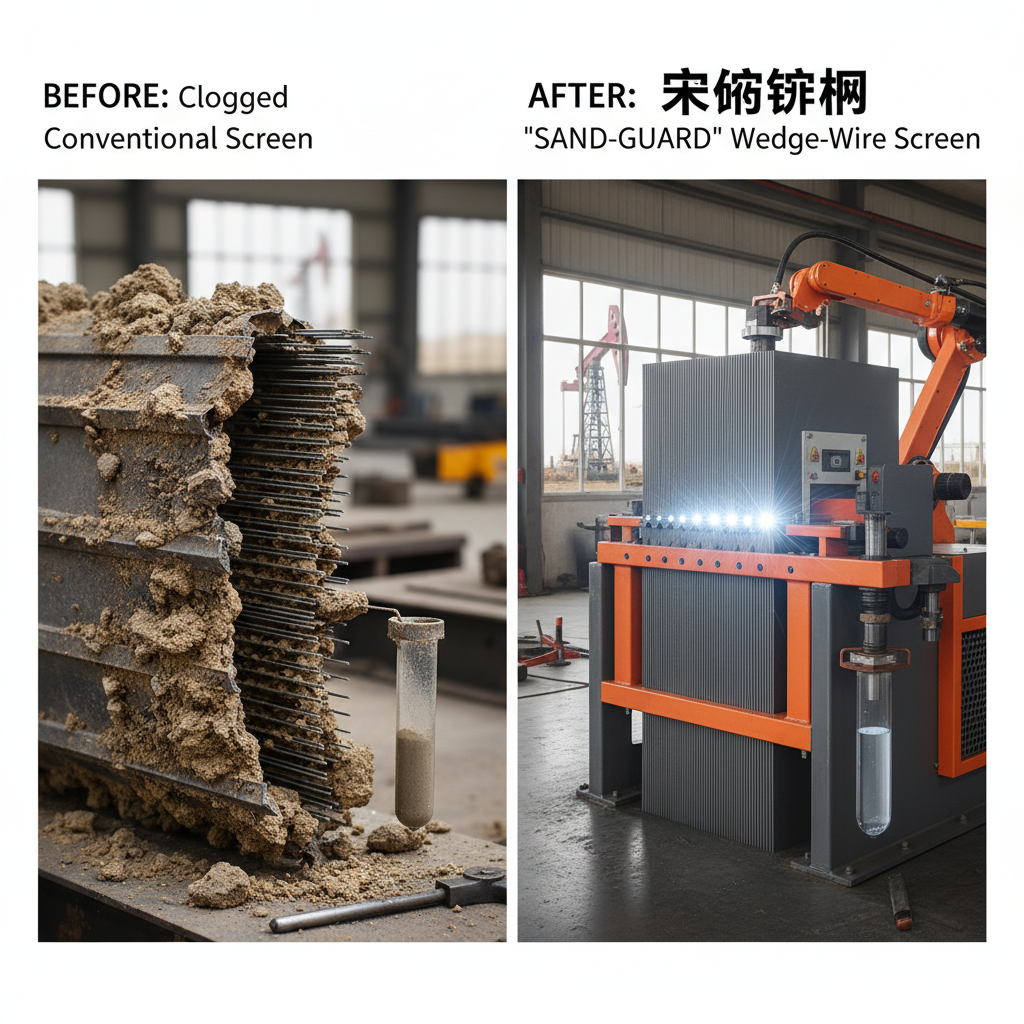
Sure, pressure arc sieves aren’t perfect. One persistent issue is mesh clogging, especially when processing sticky or wet materials. But engineers are developing automated back-flush systems and vibration mechanisms tailored for arc-shaped surfaces.
Another hurdle: cost barriers for smaller operators who want these sophisticated sieves but can’t justify the up-front investment. Leasing models and shared-service facilities are starting to close that gap.
Lastly, operating the sieves demands some know-how. Training programs and digital tutorials help reduce user error and maximize performance in remote or less industrialized zones.
Generally, these challenges seem solvable with ongoing innovation and smart partnerships between vendors and users.
FAQ: Common Questions About Pressure Arc Sieves
Q1: How does a pressure arc sieve differ from a traditional vibrating screen?
A: Unlike vibrating screens that rely on mechanical shaking to separate materials, pressure arc sieves use controlled pressure on a curved mesh to force particles through uniformly. This reduces blockage and improves sorting consistency, particularly for fine or sticky materials.
Q2: Can pressure arc sieves be used in food safety-critical environments?
A: Absolutely. Many models use food-grade stainless steel and comply with hygiene standards. The design minimizes cross-contamination risks, making it ideal for flour, sugar, and spice processing lines.
Q3: What maintenance do pressure arc sieves require?
A: Regular cleaning of the mesh, periodic pressure system checks, and occasional mesh replacement are standard. Some advanced models offer automated cleaning cycles to reduce downtime.
Q4: Are there size limitations for pressure arc sieves?
A: They are highly scalable—from small lab-sized units to large industrial machines handling multiple tons per hour. Custom sizing is one of the benefits vendors offer.
Q5: How quickly can a pressure arc sieve be deployed in new plants?
A: Depending on customization and shipment logistics, lead times generally range from 5 to 9 weeks, with installation support provided by most vendors.
Conclusion: Why Pressure Arc Sieves Deserve Your Attention
All told, the pressure arc sieve isn’t just another filtration system to toss onto the factory floor. It embodies a thoughtful blend of engineering precision, user-centric design, and adaptability that speaks to tomorrow’s industries and humanitarian needs. Whether it’s mining a cleaner ore, ensuring food safety, or helping relief operations, the promise is a smart, sustainable, and cost-effective sorting solution.
If you’re curious to explore top-notch pressure arc sieve solutions tailored to your needs, don’t hesitate to visit us online and discover how this technology could reshape your operations for the better.
References
- United Nations Industrial Development Organization (UNIDO), “Manufacturing Industry Statistics,” 2023.
- ISO 9001:2015 – Quality Management Systems, International Organization for Standardization.
- Wikipedia, “Screening (sieving),” accessed 2024.