Understanding Parabolic Screen Filters: Why They Matter in Today’s World
If you’ve ever worked with water treatment, industrial processing, or environmental management, you might have bumped into the term parabolic screen filter. It’s a bit of a niche phrase, but its impact is far from niche — these filters play a crucial role in ensuring clean, efficient filtration in a variety of complex systems. Globally, as we face rising water scarcity, heightened pollution, and stricter environmental standards, understanding and adopting technologies like parabolic screen filters become essential.
The key benefits? Enhanced filtration efficiency, prolonged equipment life, and reduced maintenance costs. Plus, they often mean the difference between processing failures or achieving sustainable outcomes — particularly in challenging environments.
Global Context: Why Parabolic Screen Filters Are Growing in Importance
Look around the world today, and you’ll find mounting challenges in clean water access, industrial wastewater management, and environmental protection. According to the UN, over 2 billion people still lack safely managed drinking water services.1 On the industrial side, water reuse and filtration directly affect operational efficiency and environmental compliance.
Traditional filtering methods often struggle with fouling, inefficient backflushing, or inconsistent filtering performance. This is where the parabolic screen filter enters the picture — designed to offer superior flow patterns and self-cleaning capabilities that address many of these challenges head-on.
Industries from municipal water treatment to food processing or power plants increasingly rely on these filters, not just to meet regulatory requirements but to future-proof their operations.
What Exactly Is a Parabolic Screen Filter?
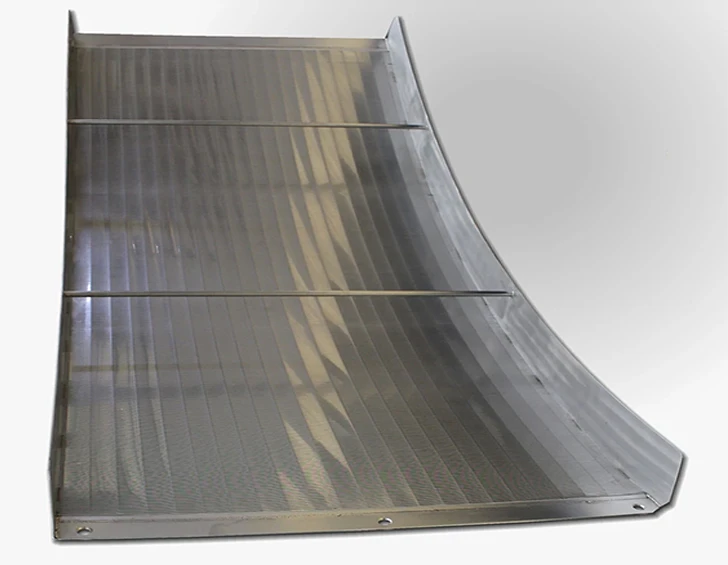
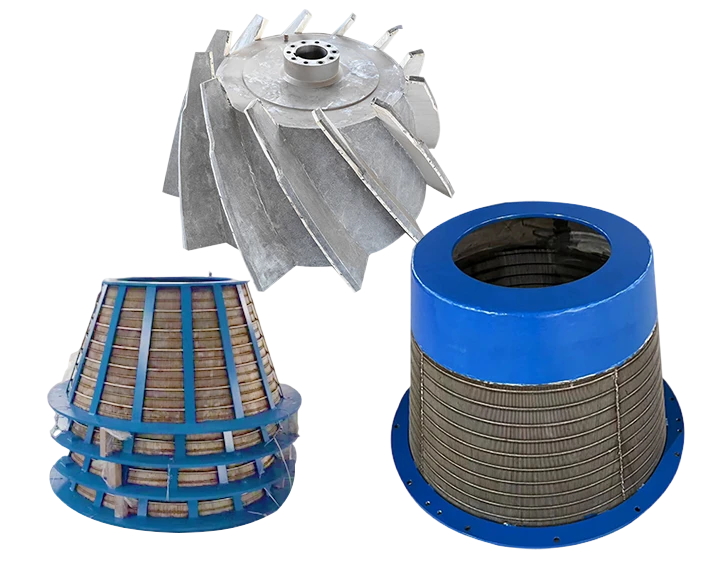
In the simplest terms, a parabolic screen filter is a filtration device featuring a screen shaped like a parabola — and that shape isn’t just about aesthetics or space-saving. It optimizes fluid flow, encouraging particulates to separate effectively while reducing clogging.
Picture a cone-shaped sieve, but with a smooth, mathematically defined curve designed to channel the fluid evenly over the entire screen surface. This design often results in improved filtration rates and easier automatic cleaning cycles when compared to flat or cylindrical screen filters.
These filters have become staples in industries where consistent uptime and high contaminant loading rates are common, such as irrigation, pulp and paper, and oil & gas sectors.
Core Components and Key Features of Parabolic Screen Filters
1. Sophisticated Parabolic Screen Geometry
The main innovation is, of course, the parabolic shape. It allows for enhanced fluid dynamics, which reduces the likelihood of debris buildup. This translates into longer periods between maintenance.
2. Durable Mesh Materials
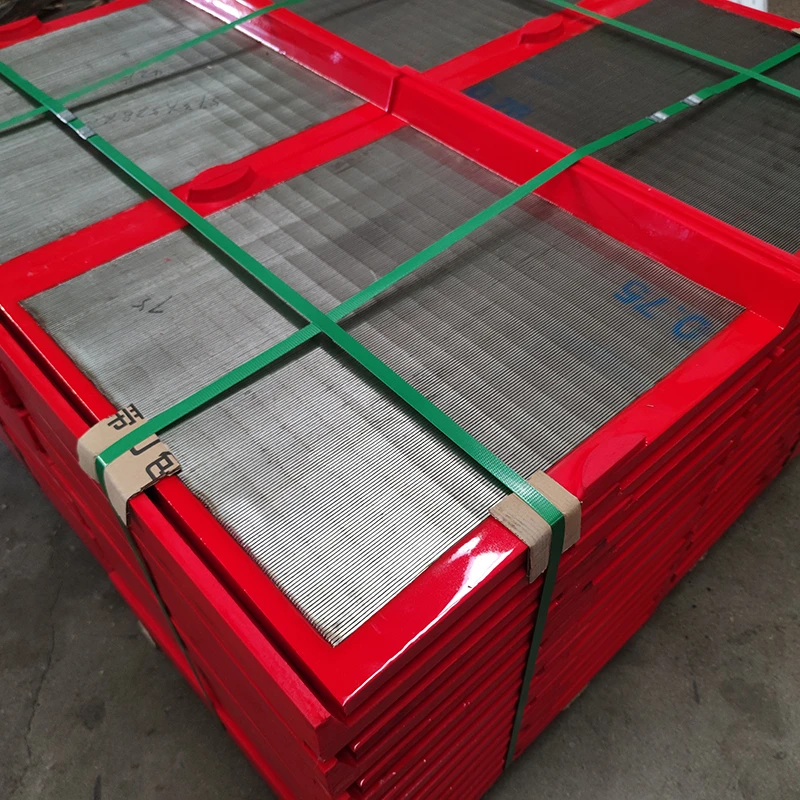
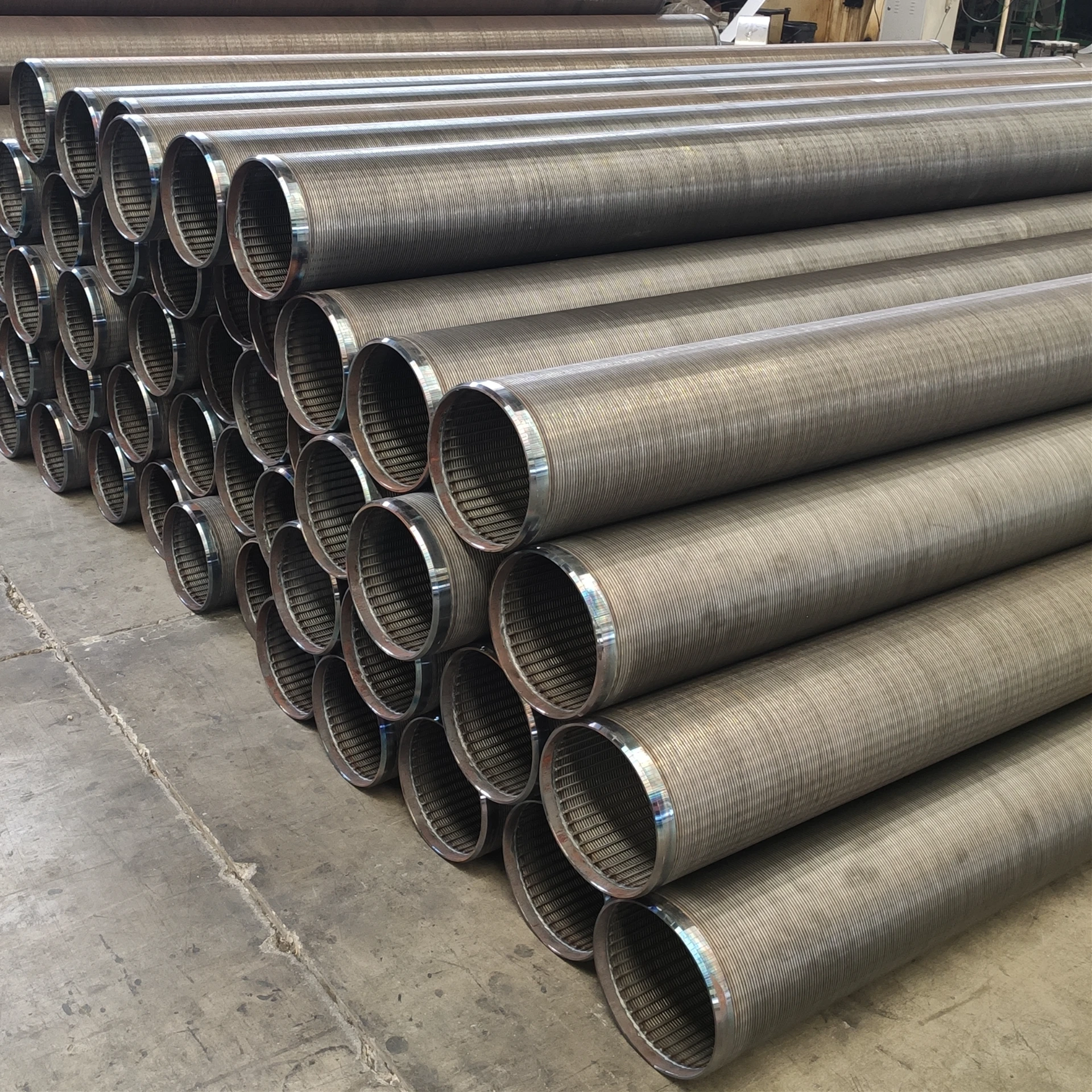
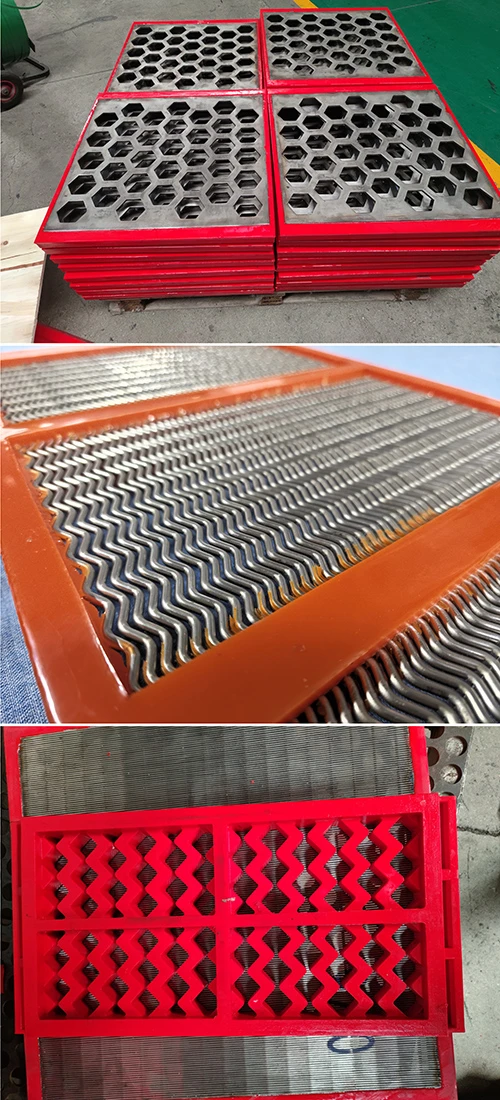
Quality often boils down to the mesh material — stainless steel, polymer-coated meshes, or high-grade alloys are common. Their resistance to corrosion, abrasion, and chemical exposure directly affects filter lifespan.
3. Automated Backflushing Mechanisms
To keep filters functional without manual cleaning interruptions, many models incorporate automated backflushing. This feature """pushes\"\" trapped particles off the screen surface efficiently, maintaining flow rates and reducing downtime.
4. Compact & Modular Designs
Many users appreciate modularity for scalability and easier field repairs. The parabolic screen filter, thanks to its shape, often occupies less footprint, making it adaptable for space-limited installations.
5. Customizable Aperture Sizes
Depending on the application — whether filtering fine sediment in irrigation or protecting turbomachinery from large solids — filter apertures range from microns to millimeters, enhancing versatility.
Mini Takeaway:
So, the essence of the parabolic screen filter is about smart design marrying mechanical durability with operational efficiency — all tailored to modern industrial needs.
Where Are Parabolic Screen Filters Making a Difference Worldwide?
Their use is quite widespread and growing. In agriculture, for instance, large irrigation systems in California and Spain rely heavily on parabolic screen filters to prevent clogging of drip lines.2 In energy sectors, power plants use them to filter cooling water with minimal interruption.
Humanitarian organizations have also taken note. In post-disaster relief, where clean water access is urgent, mobile filtration units with parabolic screen filters can be deployed rapidly, offering reliable water purification and protecting pumps from debris.
Even industries operating in remote zones, such as mining in South America or oil drilling in the North Sea, benefit from these filters' robustness and minimal maintenance profiles.
Typical Product Specifications of a Standard Parabolic Screen Filter
| Specification | Details |
|---|---|
| Screen Shape | Parabolic (curved conical geometry) |
| Material | Stainless Steel 316L mesh with polymer coating option |
| Aperture Size Range | 50 microns – 2 mm |
| Maximum Operating Pressure | 10 bar (145 psi) |
| Backflush System | Automated, programmable revers-flow cleaning |
| Flow Capacity | Up to 200 m³/h (depends on screen size) |
Comparing Leading Parabolic Screen Filter Vendors
| Vendor | Material Options | Aperture Range | Backflush Type | Typical Applications |
|---|---|---|---|---|
| AquaClear Systems | Stainless steel 304/316L | 75 microns – 1 mm | Automated pneumatic backflush | Municipal water, irrigation |
| MutoScreen (website) |
316L stainless steel, polymer coated | 50 microns – 2 mm | Fully programmable electrical/manual hybrid | Food, mining, oil & gas |
| ClearFlow Filtration | Polymer mesh, composite frames | 100 microns – 5 mm | Manual backflush with optional automation | Industrial wastewater, cooling towers |
What Makes Parabolic Screen Filters Worth the Investment?
Let’s face it — in industrial filtration, reliability and low maintenance are gold. With parabolic screen filters, many operators report 20-30% longer run times without stoppages. This means saving on labor, reducing chemical usage for cleaning, and avoiding costly downtime.
Emotionally, it’s about peace of mind. Knowing your water treatment or processing line won’t unexpectedly grind to a halt because of screen clogging is invaluable.
From a sustainability perspective, the improved cleaning cycles and reduced waste also align with corporate goals to lower environmental footprints — which, frankly, every stakeholder wants to hear.
Emerging Trends & Innovations
In recent years, manufacturers are experimenting with smart sensors that monitor screen clogging in real-time, integrating IoT (Internet of Things) for predictive maintenance. Imagine receiving a notification on your phone before a filter’s performance declines.
Also, there’s a clear push toward green materials and energy-efficient backflushing systems that use less water and power — critical for off-grid or remote installations. New polymer composites with anti-fouling properties are gaining traction, promising even less downtime.
Challenges & How the Industry Is Tackling Them
No tech is perfect, and parabolic screen filters face issues like initial cost premiums and limitations under extremely high solids loads. Some designs can be sensitive to abrasive particles, requiring tougher mesh materials.
However, vendors like MutoScreen and others are working closely with engineers on customization, incorporating abrasion-resistant alloys and modular upgrades. On-site training and remote support services also help operators get the most from their filters.
FAQs: Common Questions About Parabolic Screen Filters
-
Q: How do parabolic screen filters differ from traditional flat screen filters?
A: Parabolic screens use a curved geometry that optimizes fluid flow, reducing debris buildup and improving cleaning efficiency, unlike the often more prone-to-clogging flat screens. -
Q: Are automated backflush systems necessary?
A: While not mandatory, automated backflushing significantly reduces downtime and labor costs by self-cleaning the screen periodically, keeping processes smooth. -
Q: Can these filters handle abrasive particles?
A: Yes, if constructed with abrasion-resistant materials like specialized stainless steels or polymer-coated meshes, though extremely abrasive loads may require specific upgrades. -
Q: What is the expected lifespan of a parabolic screen filter?
A: Lifespan depends on maintenance and operating conditions but generally ranges from 5 to 10 years, with proper cleaning and care extending usability.
Final Thoughts and Next Steps
In the labyrinth of modern filtration challenges, parabolic screen filters stand out not just for their smart geometry but also for their practical benefits: durability, efficiency, and adaptability. They’re quietly revolutionizing water treatment, industrial processing, and even humanitarian aid — one clean flow at a time.
Curious to explore options? Check out MutoScreen’s robust parabolic screen filter lineup to find solutions tailored to your industry’s needs.