Understanding Static Sieve Bend Screens: Industrial Efficiency and Environmental Benefits
What Is a Static Sieve Bend Screen and Why It Matters Globally
To put it simply, a static sieve bend screen is a specialized screening device widely used in industries that need to separate solids from liquids or classify materials by size. While it might sound niche, its impact echoes beyond the factory lines—from mining sites in Australia to water treatment plants in Europe, and even disaster relief efforts around the world. Understanding these screens means improving efficiency and sustainability in processes that affect environmental health, economic productivity, and often, human wellbeing.
Globally, wastewater treatment plants alone process billions of gallons daily, aided by technologies like these. The United Nations Environment Programme cites improved water treatment technologies as crucial for meeting Sustainable Development Goal 6, ensuring clean water and sanitation worldwide.
Mini takeaway: A static sieve bend screen is not just a piece of gear; it’s a lever for environmental sustainability and industrial precision worldwide.
The Global Context: Tackling Material Separation Challenges
Industries such as mining, pulp and paper, food processing, and water treatment share a common technical challenge: how to reliably separate solids from liquids or classify particles by size, often in harsh environments or remote locations. As global demand for resources and clean water rises, these separation technologies must become more robust and efficient.
For instance, the World Bank reported that 80% of wastewater worldwide is released untreated, polluting water systems. Improving solid-liquid separation with tools like static sieve bend screens offers a practical step towards more sustainable treatment.
Those challenges are compounded by increasing regulations on pollution and resource reuse, driving industries to adopt more dependable equipment capable of handling variable material loads without frequent downtime.
Mini takeaway: The global push for cleaner water and resource optimization is reshaping how static sieve bend screens are designed and deployed — making them a quiet hero in environmental efforts.
Defining the Static Sieve Bend Screen
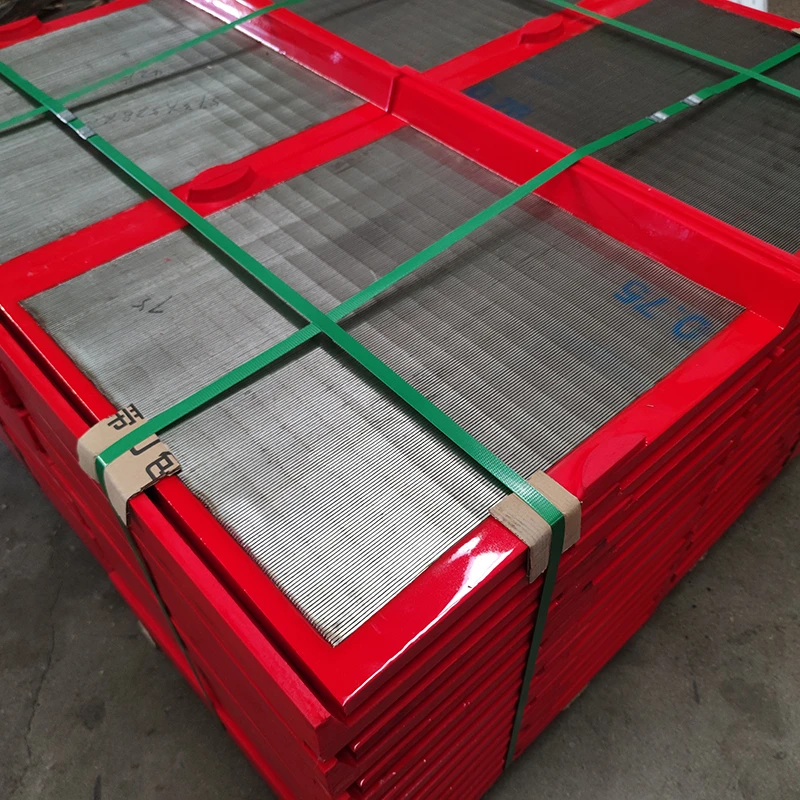
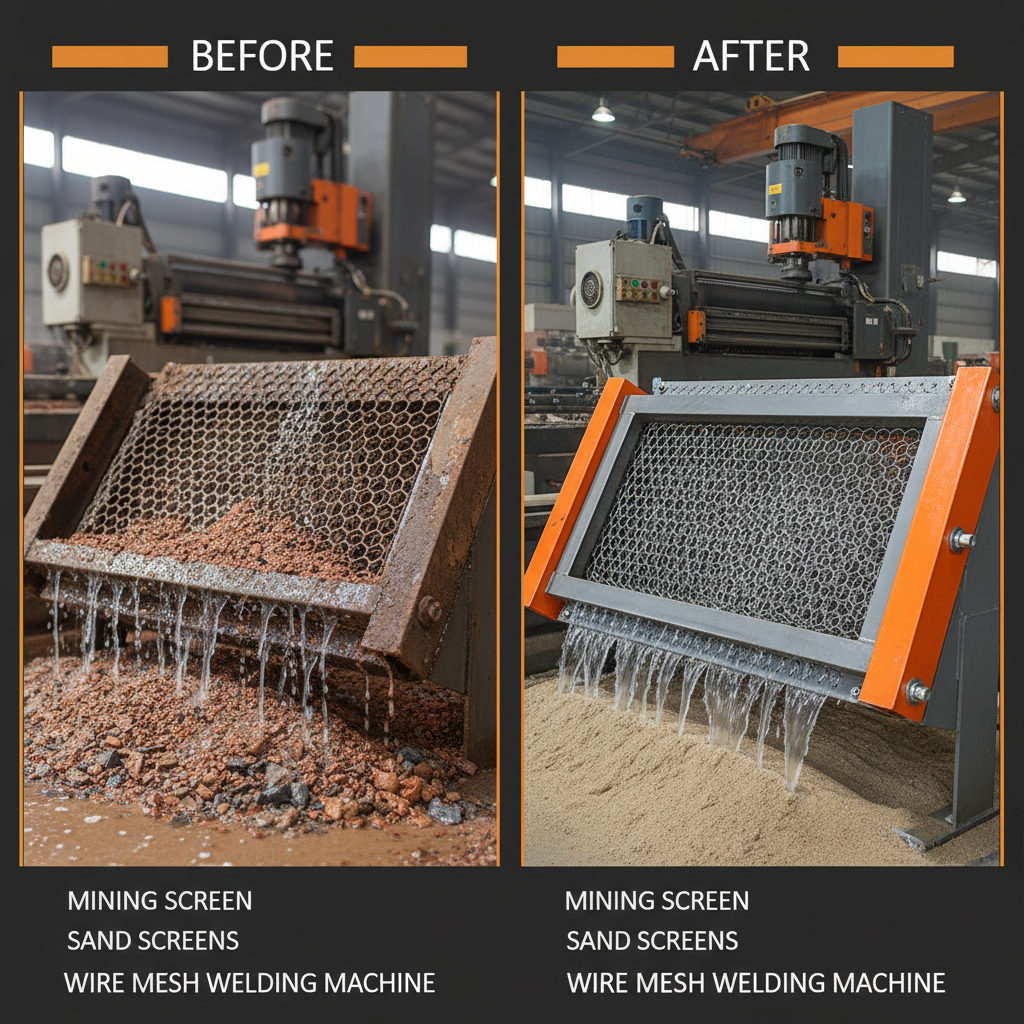
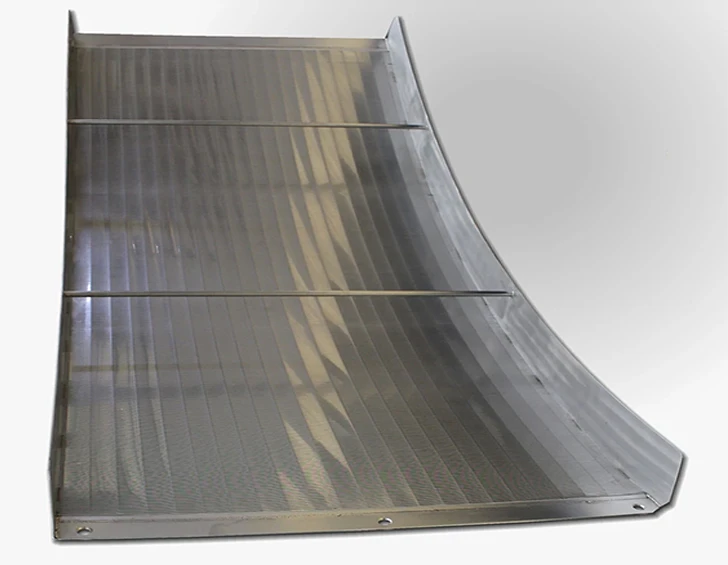
In essence, a static sieve bend screen is a curved, stationary screen that material passes over, allowing finer particles or liquids to pass through while larger solids continue over the bend. Unlike rotary or vibrating alternatives, these screens have no moving parts—thus 'static'—meaning less maintenance and operational simplicity.
Originally developed for mining tailings classification, these screens now also serve water treatment plants, pulp mills, and food processing lines. The sieve bend's gently curved profile creates a self-cleaning action, reducing clogging, which is a particularly valuable characteristic in muddy or fibrous waste streams.
Mini takeaway: Static sieve bend screens blend simplicity with clever design—no motors, less hassle, and reliable solid-liquid separation.
Core Components and Key Factors of Static Sieve Bend Screens
1. Durability
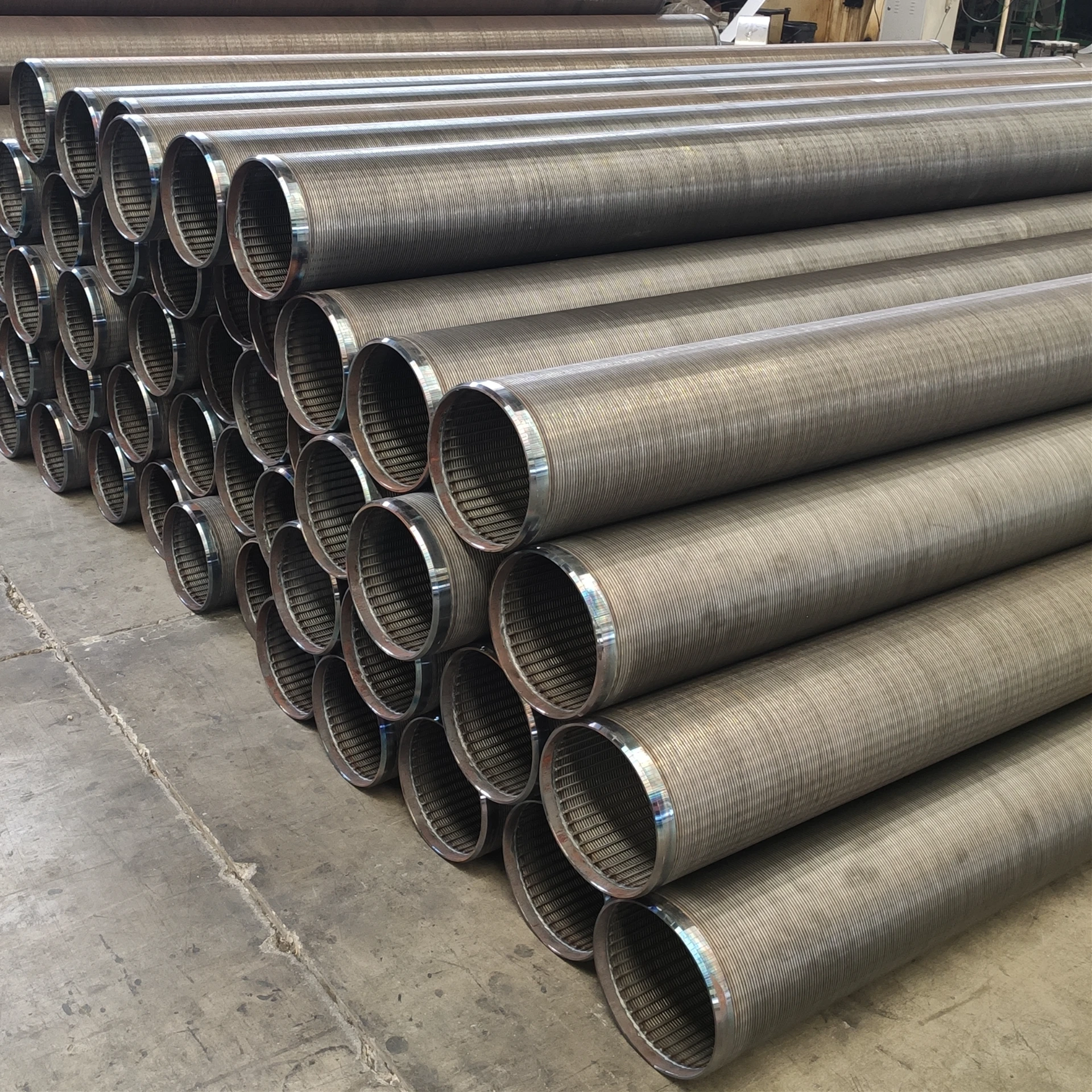
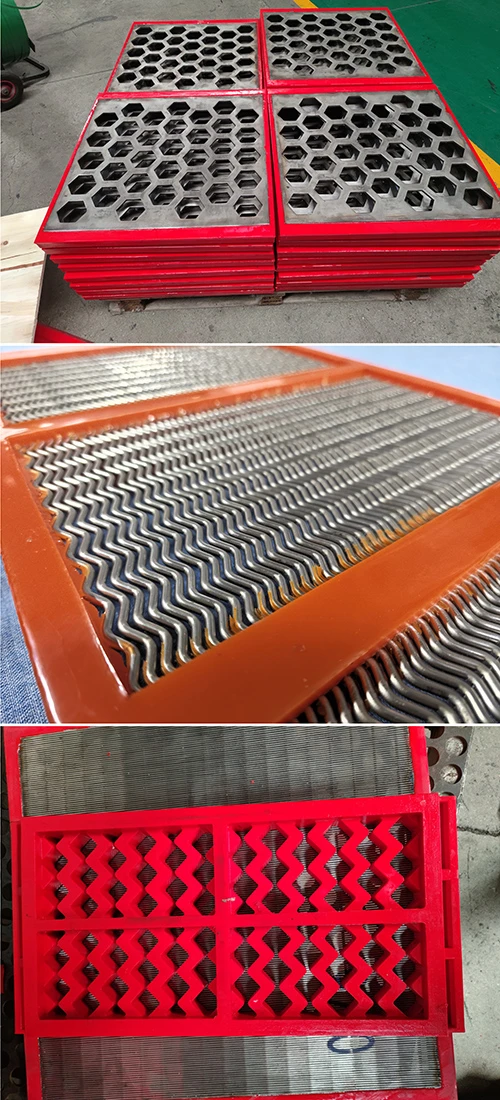
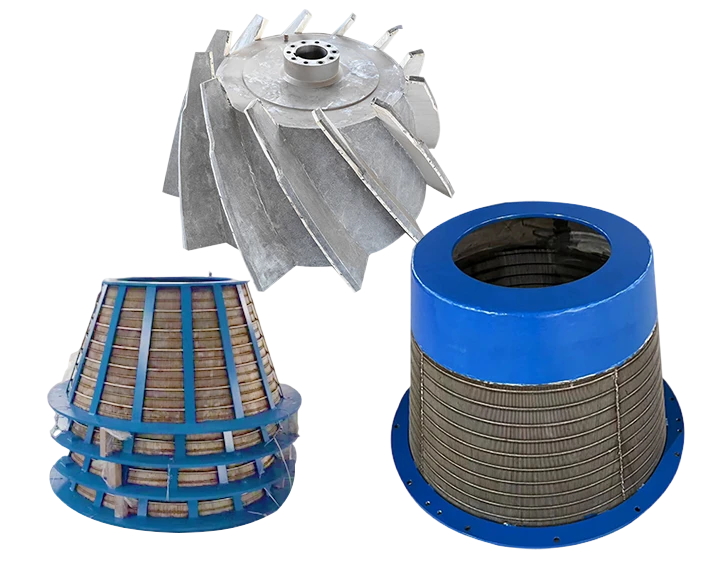
Many operators swear by the heavy-duty stainless steel meshes and corrosion-resistant frames that make these screens work day after day in harsh conditions — salty seawater, abrasive particles, and chemical exposure. Durability here directly reduces downtime and maintenance costs.
2. Scalability
Static sieve bend screens come in various sizes and mesh apertures, adaptable to gigawatt-scale industrial plants or small remote setups. This scalability lets operators customize their screening to exact throughput and particle size needs without overspending on oversized equipment.
3. Cost Efficiency
No moving parts means fewer breakdowns and energy savings. Operators quickly realize that initial investment pays off in reduced operational expenditures over years of continuous use, especially compared with vibrating screens requiring complex drives and ongoing parts replacement.
4. Ease of Integration
Designed for straightforward installation, they slide into existing conveyor lines or treatment trains with minimal redesign, making upgrades or retrofits relatively painless. This aspect appeals to engineers looking to maximize ROI without prolonged shutdowns.
5. Environmental Friendliness
Because static sieve bends enable more thorough solid-liquid separation, downstream processes consume less energy and chemicals. Cleaner effluents meet stricter environmental standards, contributing to circular economy goals.
6. Minimal Energy Consumption
Unlike mechanized alternatives, these screens rely purely on hydraulic or conveyor feed, making them inherently energy-efficient—an increasingly important consideration given rising power costs and green energy policies.
Mini takeaway: Between build quality, adaptability, and energy savings, static sieve bend screens pack a compelling value proposition for any solid-liquid separation need.
Real-World Applications of Static Sieve Bend Screens
From what I have seen in various field reports, these screens thrive in scenarios such as:
- Water Treatment Plants: Screening grit, debris, and solids before biological treatment to protect downstream equipment and improve outcomes.
- Mining Operations: Classifying tailings and ore slurry, improving recovery rates and reducing waste volumes.
- Pulp and Paper Mills: Removing wood fibers and contaminants from process water, enhancing both efficiency and product quality.
- Food and Beverage Industries: Screening wash water and process fluids, ensuring hygiene and equipment protection.
- Disaster Relief and Humanitarian Efforts: Portable or modular versions help in post-disaster sanitation setups, filtering wastewater on-site when infrastructure is down.
- Remote Industrial Zones: Their low maintenance features suit locations where technical assistance is sparse or expensive.
Mini takeaway: Static sieve bend screens are versatile, quietly enabling vital processes in industries and regions where reliability equates to safety and cost savings.
Advantages and the Long-Term Value of Static Sieve Bend Screens
First off, cost savings—both upfront and over time—are a no-brainer. Less mechanical complexity equals fewer surprises. But beyond the dollars, there’s the sustainability angle. Cleaner effluent discharges, reduced water loss, and minimized chemical additives aren’t just regulatory checkboxes; they make a difference to communities relying on shared water sources.
Emotionally, there’s a sense of confidence in equipment that simply gets the job done quietly and consistently. Operators often talk about “trusting the static sieve bend” in their routines—because it reduces unexpected stops and lets them focus on bigger picture goals.
Finally, innovation in detail—materials that resist fouling, modular designs for easier cleaning, and adaptability for new processes—ensure these screens stay relevant for decades, even as industries evolve.
Mini takeaway: The static sieve bend screen pays you back in reliability, environmental stewardship, and peace of mind.
Product Specification Table
| Specification | Details |
|---|---|
| Screen Size | 0.5 - 3 meters wide; length customizable |
| Mesh Aperture | 0.15 - 6 mm |
| Material | Stainless steel (304/316), optional coated mesh |
| Operating Angle | 23° - 38° |
| Flow Rate | Up to 2000 m³/hr depending on configuration |
| Installation Type | Inline mounting, retrofit-ready |
| Maintenance | Minimal; periodic cleaning recommended |
Vendor Comparison Table
| Feature | MutoScreen | FilterTech | Eco-Screen Solutions |
|---|---|---|---|
| Mesh Quality & Options | High-grade SS, coated available | Medium-grade SS only | Eco-friendly polymer mesh |
| Customization | Full custom sizing | Limited standard sizes | Mostly modular kits |
| Lead Time | 2-4 weeks | 4-6 weeks | 3-5 weeks |
| Environmental Compliance | ISO 14001 certified | No formal certification | Focus on biodegradables |
| Price Range | $$$ (premium) | $$ (mid-range) | $$ (economy) |
Future Trends & Innovations in Static Sieve Bend Screens
Let’s be honest, static sieve bend screens feel kind of timeless, but innovation creeps in quietly. One big trend is integration with digital monitoring — sensors measuring flow and blockage to alert operators before issues become costly shutdowns. Smart screens, anyone?
Then there’s material innovation. New polymer-metal hybrid meshes reduce fouling while lasting longer, plus adapting to increasingly strict environmental regulations. Green energy-powered auxiliary cleaning systems are also starting to pop up, making ultra-efficient operation possible even in off-grid locations.
Looking further out, additive manufacturing could enable custom mesh shapes impossible with stamping methods, tailoring flow and separation more precisely than ever.
Mini takeaway: The static sieve bend screen isn’t stuck in the past — it’s quietly evolving into a smart and sustainable asset.
Challenges & How to Overcome Them
No product is perfect, and these screens face their share of practical hurdles. Clogging can still happen with sticky or oversized debris, reducing efficiency. Operators sometimes struggle with selecting the right mesh size for variable feedstreams, and manual cleaning can become tedious in continuous operations.
Experts suggest:
- Choosing modular screens that allow quick mesh replacement on site.
- Implementing pre-screening or coarse screening upstream to protect the sieve bend.
- Using remote monitoring tools to anticipate fouling before it impacts throughput.
Continuous R&D by vendors, including better surface treatments and self-cleaning coatings, also points to these problems fading over the next few years.
Mini takeaway: Awareness and proactive maintenance are key; technology improvements make it easier to stay ahead of challenges.
FAQ: Common Questions About Static Sieve Bend Screens
Q1: How does a static sieve bend screen differ from a vibrating screen?
A: A static sieve bend screen doesn’t have moving parts or vibrations. Instead, it relies on its curved stationary mesh and flowing material to separate solids, resulting in lower maintenance and energy use compared to vibrating screens.
Q2: What factors determine choosing the right mesh size?
A: Operators evaluate the particle size distribution in their feed, the desired separation efficiency, and flow rate. Consulting with suppliers to balance fines capture with throughput needs is crucial.
Q3: Can static sieve bend screens be used in freezing climates?
A: Yes, but additional design considerations like heating jackets or insulation may be necessary to prevent ice buildup and maintain screening performance.
Q4: Are these screens suitable for mobile or temporary installations?
A: Absolutely. Their simple, rugged design and lack of motors make them ideal for modular or portable setups, often used in disaster relief or remote sites.
Q5: How complex is maintenance for a static sieve bend screen?
A: Relatively straightforward. Periodic visual checks and cleaning to remove debris are standard. No drive units mean fewer mechanical parts to service.
Conclusion: Why the Static Sieve Bend Screen Still Deserves Your Attention
At first glance, the static sieve bend screen seems deceptively low-tech—but that’s the beauty. Its fundamental design hits a sweet spot of simplicity, effectiveness, and durability that many modern solutions — ironically — try to mimic but sometimes overcomplicate. Industries worldwide rely on them to efficiently separate materials, conserve water, and reduce environmental impact without headaches or hefty electrical bills.
If you’re looking to optimize your operation’s material separation — especially in a sustainable, cost-conscious way — exploring the latest static sieve bend screen options makes sense. For a comprehensive range of high-quality products, expert advice, and custom solutions, visit static sieve bend screen.
Mini takeaway: Sometimes, the best tool is one that quietly just works — and that’s the static sieve bend screen.