Understanding the Static Screen Filter: A Quiet Workhorse in Industry and Environment
First off, what exactly is a static screen filter? While it may sound like a niche technical term, this simple device plays a surprisingly vital role in various global industries. At its core, a static screen filter is a stationary filter device that screens out unwanted particles from liquids or gases passing through a mesh or perforated plate. It’s often found quietly doing its job inside water treatment plants, industrial pipelines, food processing, or even in humanitarian aid projects where clean water delivery is critical.
Why does this matter on a global scale? According to the United Nations, clean water access remains a vital challenge for nearly 2.2 billion people worldwide. In industrial realms, efficient filtration systems not only ensure product quality but also help companies comply with strict environmental standards — many tied to ISO certifications. So, understanding how static screen filters work and why they matter can offer real insight into solving some pressing environmental and industrial challenges.
Mini takeaway: Static screen filters may not get headlines, but they’re essential for cleaner water, safer products, and smoother industrial processes globally.
The Global Context: Why Static Screen Filters Are More Crucial Than Ever
We live in a world increasingly defined by resource scarcity and environmental constraints. With growing urbanization and industrialization, the demand for effective filtration technologies is soaring. The World Bank estimates that global water demand will rise by 55% by 2050 — and with that, stricter filtration requirements become unavoidable.
Static screen filters help address several critical pain points. For example, in rapidly industrializing countries like India and China, massive volumes of untreated wastewater threaten ecosystems and public health. In these regions, static screen filters act as first-line barriers, preventing debris and solids from destroying more sensitive downstream equipment or polluting uncontrollably.
Interestingly, in emergency scenarios such as disaster relief, when quick access to potable water is essential, static screen filters often form part of modular water purification units. NGOs rely on them to ensure that road debris or sediments don't clog expensive reverse osmosis membranes, increasing overall operational reliability without complicated mechanics.
Mini takeaway: In a world of water stress and industrial expansion, static screen filters quietly spring into action — often bridging the gap between chaos and order.
Defining Static Screen Filter: More Than Just a Mesh
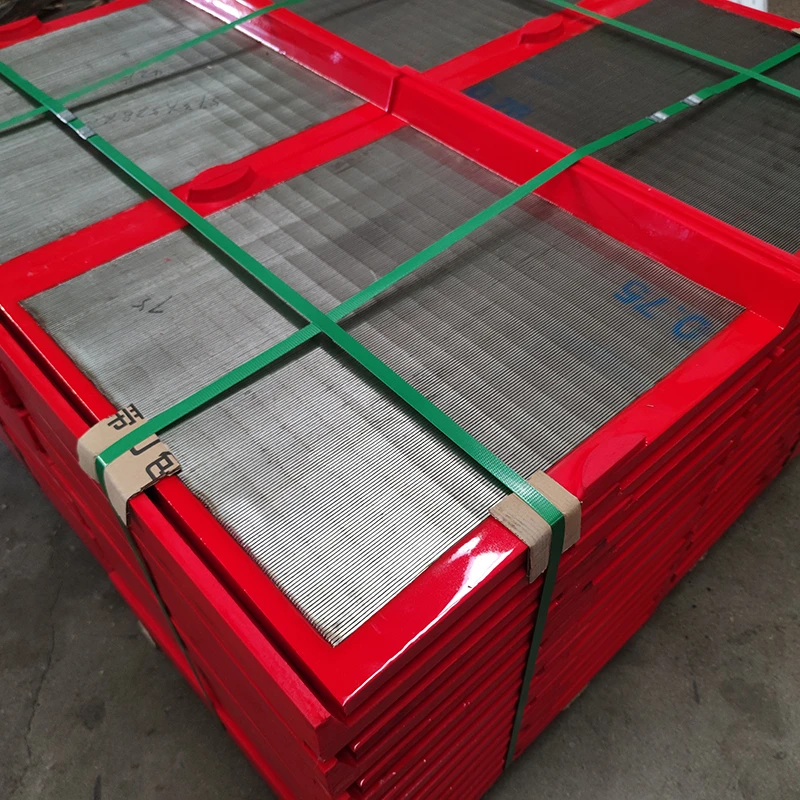
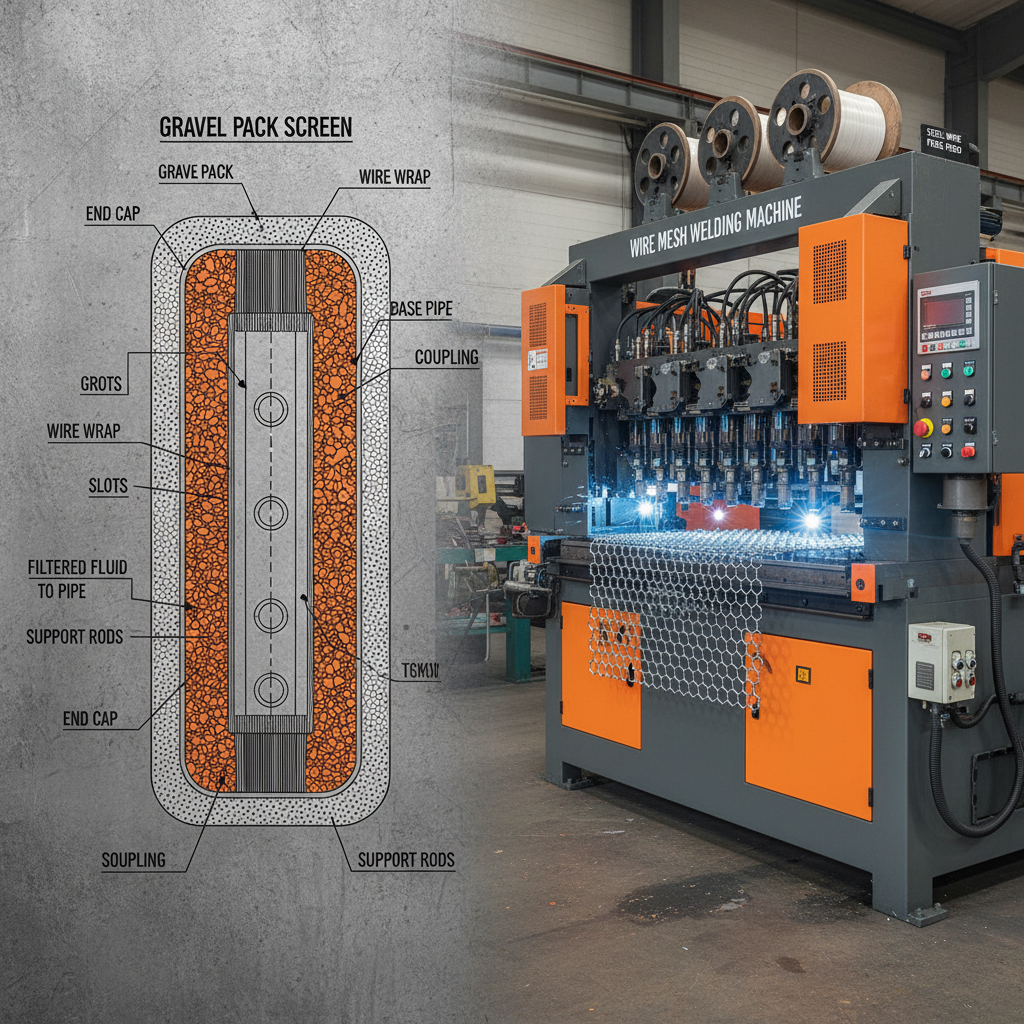
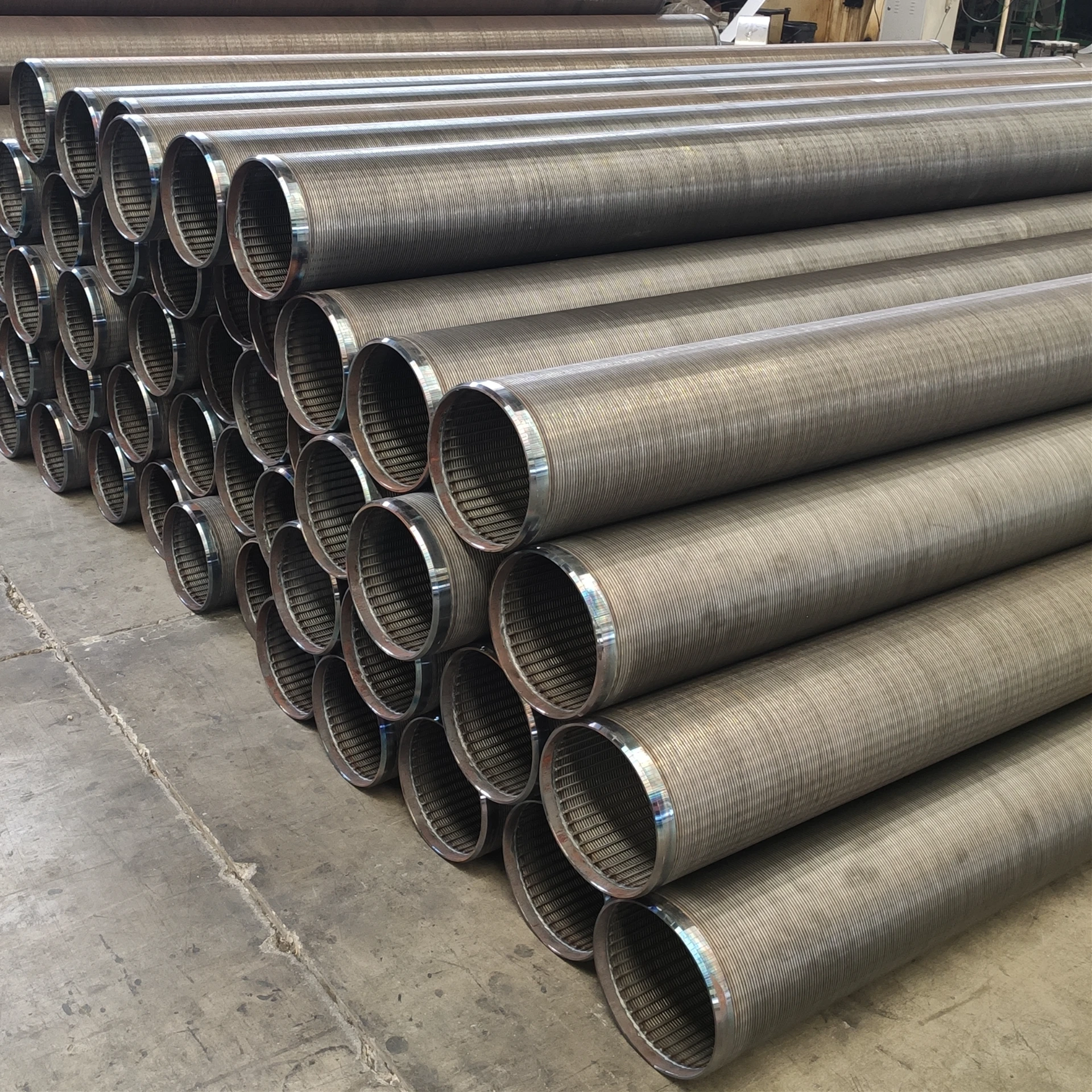
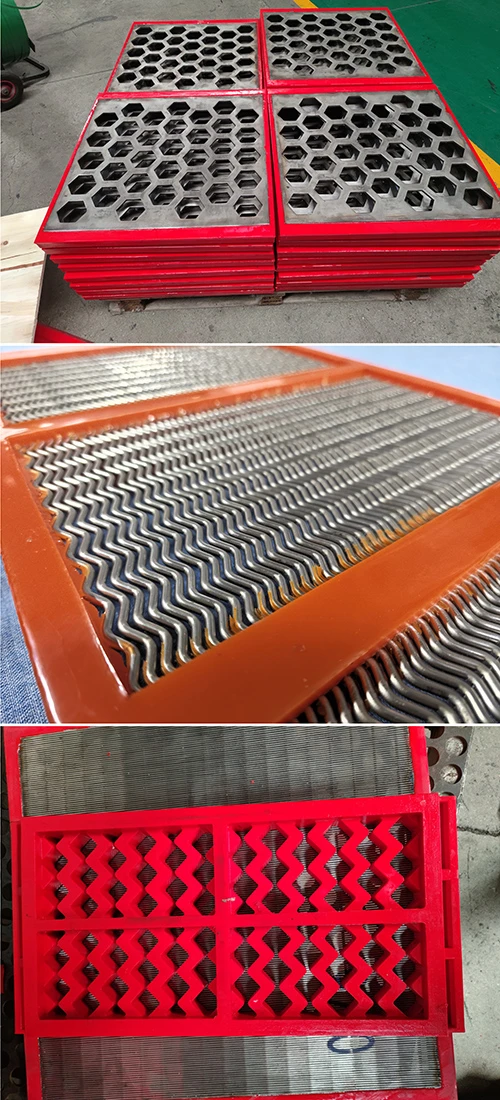
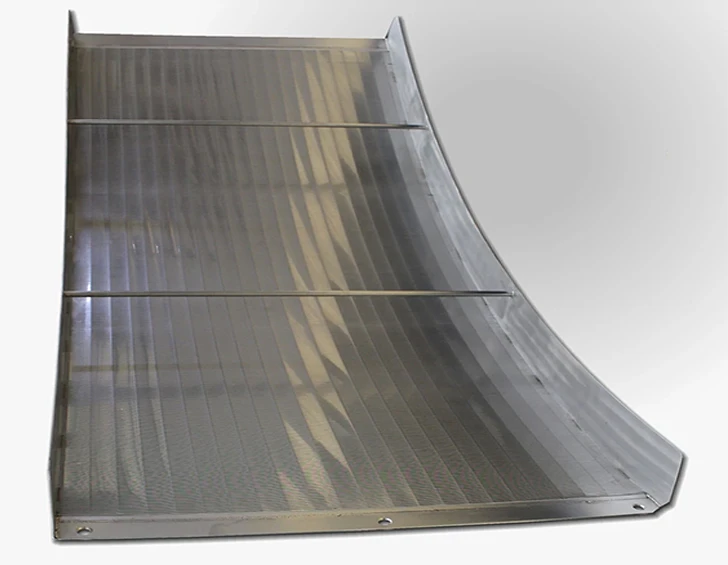
So, let’s define it properly. A static screen filter is essentially a fixed mesh or perforated barrier installed within a piping or tank system that physically blocks unwanted solids or particles from passing. Unlike dynamic or self-cleaning filters, static filters don’t move or require regular mechanical action to operate, which makes them easy to maintain and reliable over time.
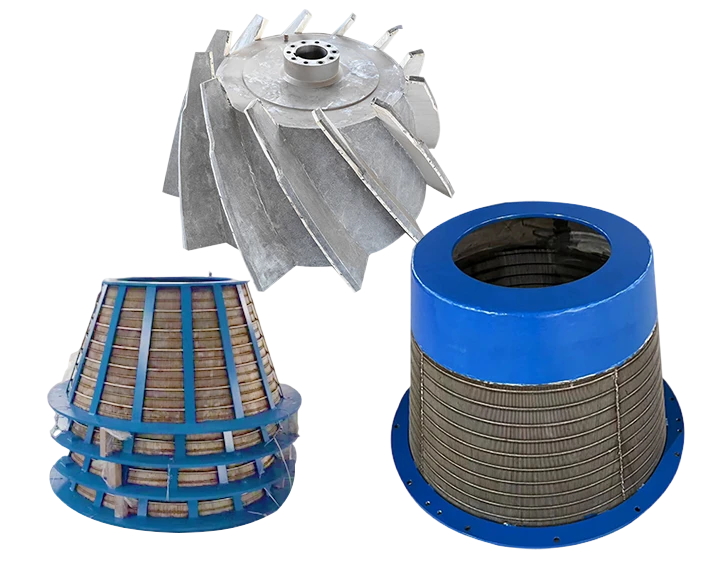
The filter media itself could be woven wire mesh, perforated metal sheets, or even specialized polymer grids, tailored to different particle sizes — anything from a few microns (think small sediment) up to larger debris like leaves or industrial waste particles.
This simplicity makes static filters particularly suited for applications where the incoming fluid might have variable cleanliness or contain coarse solids, yet the downstream process demands high-quality input. For example, food and beverage industries use them to remove pulpy solids or seeds before juice final filtration or pasteurization, while municipal water treatment plants filter out street debris early in the process.
Mini takeaway: At its heart, a static screen filter isn’t fancy — just a sturdy gatekeeper, preventing the rough stuff from messing with what comes after.
Key Components and Considerations
Durability
Static screen filters are often built to last with corrosion-resistant metals such as stainless steel or special alloys, or sometimes heavy-duty plastic composites. This durability ensures they withstand harsh chemical exposures or abrasive particles, meaning less downtime and replacement cost.
Mesh Size and Material
The mesh size governs what can pass and what gets filtered out, ranging from coarse (millimeters) to ultra-fine (microns). Material choices vary based on fluid type — aggressive chemicals demand chemically inert materials, while food-grade filters need FDA-approved meshes or plastics.
Flow Capacity
An often-overlooked factor is how much fluid the filter can handle without creating excessive pressure drops. Too small a filter can choke a system, so sizing is critical, often customized per industrial demand.
Ease of Maintenance
Though static, many filters come with designs that facilitate cleaning — for example, removable panels or quick access covers. This is crucial in keeping operations running smoothly, especially in remote or difficult-to-access installations.
Cost Efficiency
Compared to complex filters with moving parts, static screens tend to be economical both upfront and over time. This makes them attractive to small businesses, NGOs, and large industrial players alike.
Compatibility with downstream systems
The filter’s ability to protect pumps, heat exchangers, or membranes is another key requirement. If the screening fails, subsequent equipment can be damaged or clogged, affecting product quality and maintenance schedules.
Mini takeaway: The best static screen filters balance toughness, precision, and maintainability — all tuned to the demands of the job.
Practical Applications Across Regions and Industries
Across the globe, these filters quietly support reliable operations in various fields:
- Water Treatment Facilities: Early-stage debris removal prevents damage to pumps and clarifiers, especially in urban centers like New York, Mumbai, and Tokyo.
- Food and Beverage Processing: Removing pulps, seeds, or ice fragments helps ensure product consistency in juice factories or breweries.
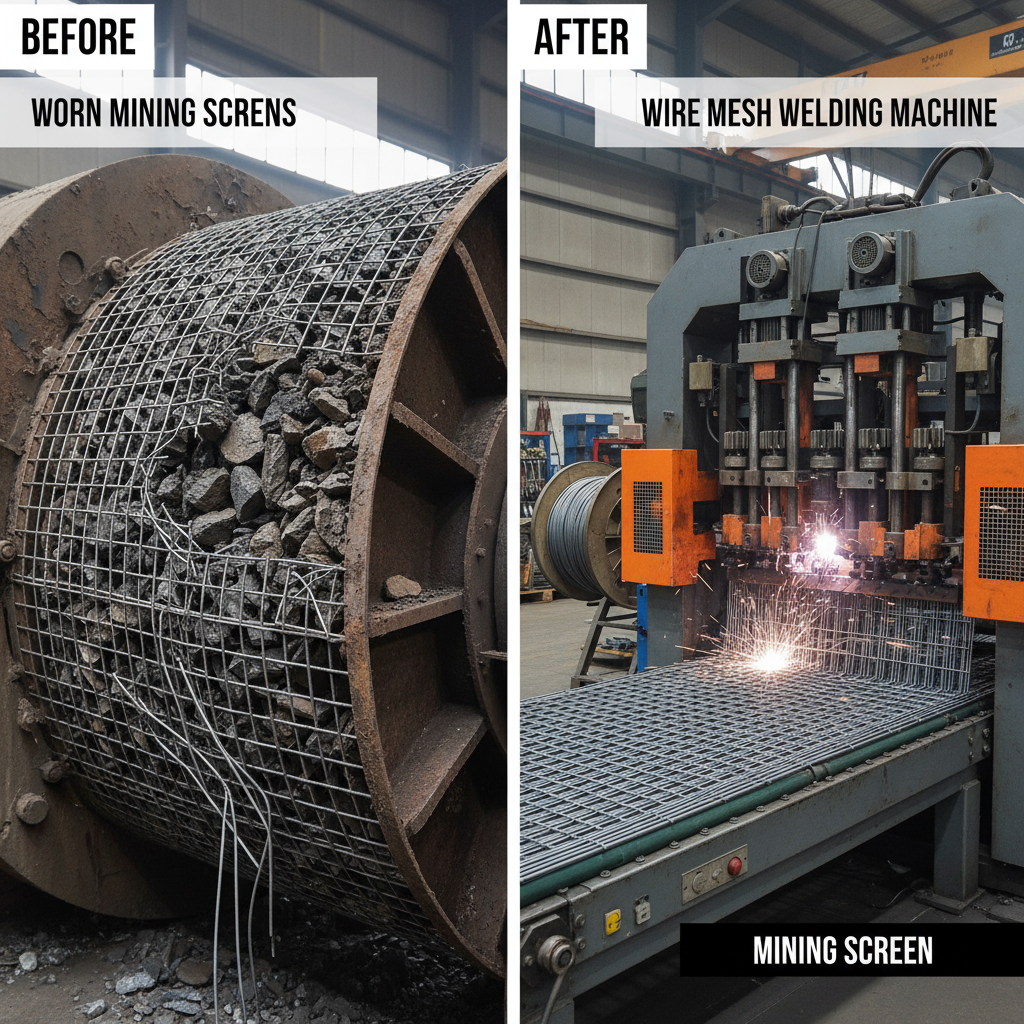
- Mining and Heavy Industry: Screening solids from slurry or coolant fluids increases machinery lifespan.
- Disaster Relief Water Systems: Portable static screen filters paired with purification modules supply safe water to affected populations.
- Remote Industrial Zones: Locations with limited maintenance access benefit from the no-nonsense reliability of static screens.
One particular case I ran across involved a mining operation in northern Canada, where freezing temperatures and abrasive solids make filtration extremely challenging. Installing a static screen filter upstream saved them thousands in gearbox repairs downstream — which, frankly, felt like a win-win for machinery and budget.
Mini takeaway: Whether in bustling cities or frozen northern mines, static screen filters deliver dependable, low-tech filtration where it counts.
Advantages and Long-Term Value of Static Screen Filters
There’s no sugarcoating it: static screen filters offer practical, no-frills advantages.
- Cost-Effective: Low initial investment and minimal maintenance cut operational costs substantially.
- Environmental Sustainability: Their longevity reduces waste, and effective filtration helps factories meet discharge regulations, thus protecting ecosystems.
- User Safety: Clean, screened fluids reduce machinery failures that can cause hazards or costly contamination.
- Reliability: No moving parts means fewer breakdowns and less downtime.
- Social Impact: In humanitarian projects, simple filters help deliver safe drinking water, literally saving lives.
In emotional terms, it feels good knowing you’re relying on technology that’s straightforward yet impactful — no hype, just results. I suppose that’s part of the charm.
Product Specifications: A Typical Static Screen Filter Model
| Specification | Detail |
|---|---|
| Material | 316 Stainless Steel Mesh |
| Mesh Opening Size | 100 Microns (0.1 mm) |
| Max Operating Temperature | 180 °C (356 °F) |
| Pressure Rating | 10 Bar (145 psi) |
| Flow Capacity | Up to 200 m³/h |
| Dimensions (L×W×H) | 600 × 300 × 200 mm |
Vendor Comparison: Choosing the Right Static Screen Filter Supplier
| Vendor | Product Range | Customization | Delivery Time | Price Range |
|---|---|---|---|---|
| MutoScreen Ltd. | Static screens, rotary filters | High (meshes, frames) | 3-4 weeks | $$ |
| FilterTech Inc. | Static screens only | Medium (standard mesh sizes) | 2 weeks | $ |
| EcoMesh Solutions | Eco-friendly static screens | Low (limited sizes) | 4-5 weeks | $$$ |
Future Trends and Innovations in Static Screen Filters
Interestingly, while static screen filters might sound like old-school tech, their future is surprisingly promising. The push for more eco-friendly, sustainable materials has led to experiments with bio-based polymer meshes that are fully recyclable. It seems odd but smart — replacing metal with lighter, biodegradable options that don’t compromise durability.
Another hot topic is digital transformation. Some manufacturers are integrating sensor technologies with the filters to monitor clogging levels or pressure drops — a sort of “smart filter” that tells you when it needs maintenance without guesswork. Automation combined with remote monitoring can dramatically reduce downtime, especially in remote or hazardous operating conditions.
Lastly, the rise of green energy-driven water treatment plants means filters must handle fluctuating loads and variable water qualities, nudging static screen technologies toward more flexible and modular designs.
Mini takeaway: Static screen filters may be “static,” but innovation is anything but standing still.
Challenges and How Industry Is Solving Them
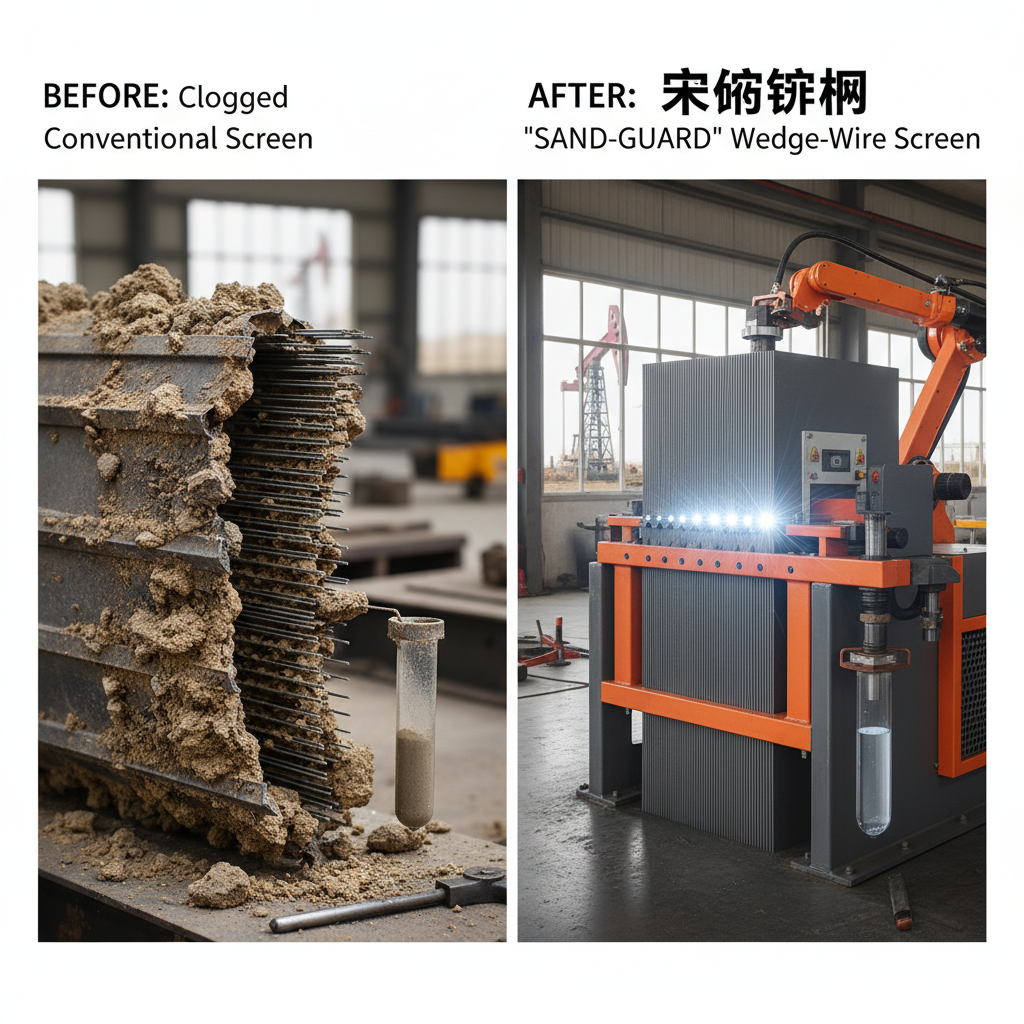
Not all is rosy. Common hurdles include clogging, which reduces flow and requires downtime for cleaning. In some settings, biofouling can degrade filter efficiency, particularly in warm climates. Also, installing filters that perfectly match system flow and particle load is sometimes a guessing game.
Experts recommend adaptive cleaning regimes — for example, pairing static filters with automated backwash systems or pre-treatment to reduce particle load. Material science advances also help: coating meshes with anti-fouling substances or opting for larger surface areas while keeping the mesh fine.
And then, there’s education. Proper operator training ensures filters aren’t neglected or misused — key to unlocking their full potential.
FAQ: Static Screen Filters Explained
- Q: How often do static screen filters need cleaning?
A: It depends on the application and particle load, but typically filters require cleaning every few days to weeks. Visual inspection or pressure drop monitoring helps determine precise timing. - Q: Can static screen filters handle corrosive liquids?
A: Yes, if made from corrosion-resistant materials like 316 stainless steel or special alloys. Material choice must match fluid chemistry to ensure longevity. - Q: Are static screen filters compatible with automation systems?
A: Increasingly yes. Many vendors offer sensors for clogging detection, enabling integration into automated monitoring platforms. - Q: What particle sizes can static screen filters remove?
A: They can filter anything from coarse debris (millimeters) down to very fine particles (a few microns), depending on mesh size. - Q: Can NGOs import static screen filters easily?
A: Generally yes, especially from international suppliers familiar with global distribution. Look for vendors with export experience and certification compliance.
Wrapping Up and Next Steps
In real terms, the modest static screen filter proves indispensable in a complex, resource-strained world. Its simple yet effective design safeguards equipment, improves water and product quality, and supports sustainability efforts. Whether you’re operating a food processing plant or delivering clean water post-disaster, considering a static screen filter might just be the smart, low-risk upgrade you didn’t realize you needed.
Curious to find out which model is right for your project? Or want to explore customization and integration? Don’t hesitate to visit our website — where practical filtration meets innovation.