Understanding Run Down Screens: What Are They and Why They Matter Globally
Run down screens may not be the catchiest phrase you hear in industrial circles, but don’t be fooled — their role in water management and infrastructure is quietly massive worldwide. Essentially, these are pre-treatment screening systems designed to remove debris from wastewater or stormwater before it reaches pumps or treatment plants. Grasping how they work offers surprise benefits: fewer blockages, improved equipment lifespan, and more efficient water treatment processes overall.
How Run Down Screens Fit into the Global Water Challenge
Water scarcity and pollution stand as defining challenges of our time. According to the United Nations, over 2 billion people live in water-stressed regions, and clean water access is increasingly critical (UN Water). At the same time, urbanization and climate change bring increased wastewater volumes and pollutants. That’s where run down screens step in — they tackle the preliminary hurdle: efficiently protecting downstream equipment from debris that's otherwise a constant headache.
For many municipalities and industries, poorly screened water inflow translates to expensive equipment downtime and higher maintenance costs. So run down screens aren’t just mechanical barriers — they are the quiet gatekeepers safeguarding entire water treatment ecosystems.
Defining Run Down Screens in Simple Terms
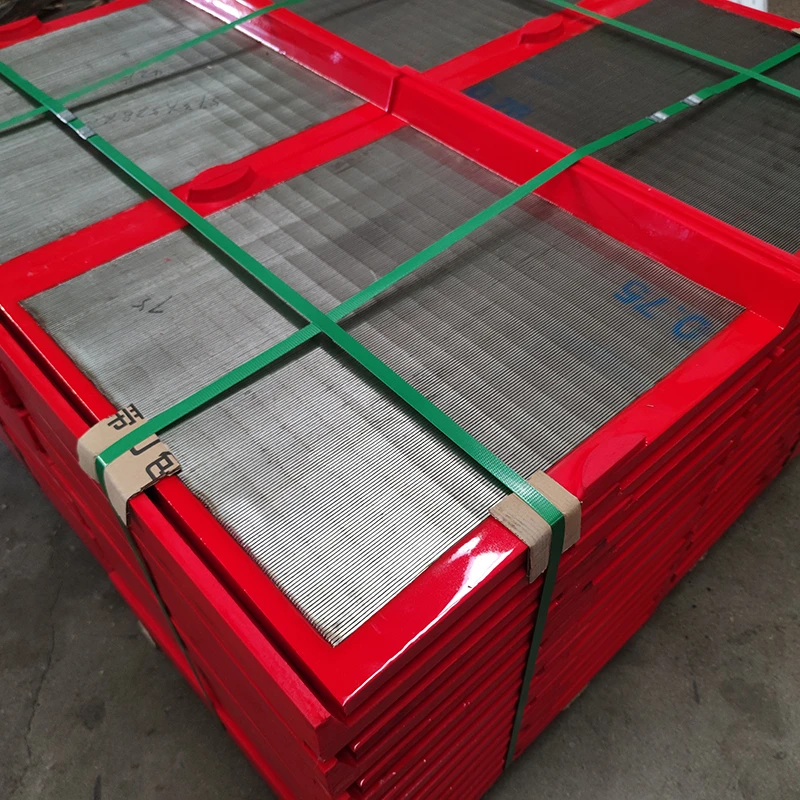
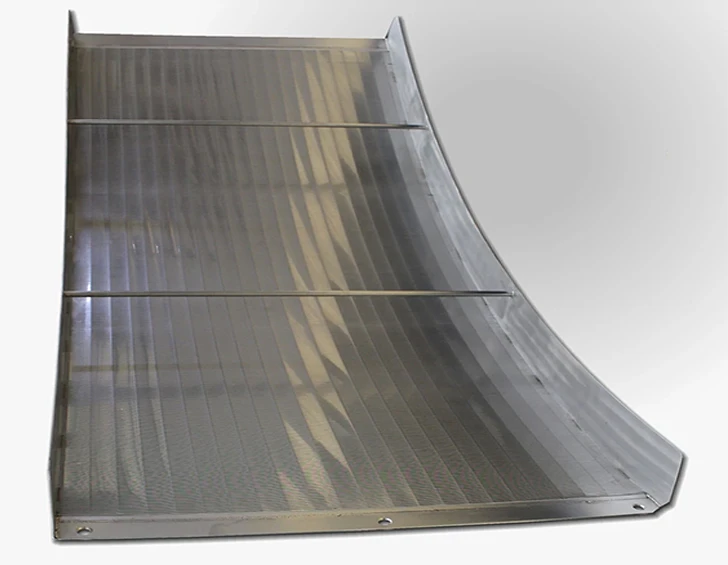
Put simply, a run down screen is a type of mechanical screen placed at the headworks of wastewater or stormwater pipelines. It operates by allowing water to flow through a slotted or perforated surface while retaining larger solid waste like plastics, leaves, and rags. The “run down” part refers to the way water flows downward over the screen before it is removed via cleaning devices, often automated rakes.
In modern industry, they’re absolutely critical in domains needing reliable wastewater pre-treatment — from municipal sewage systems and power plants to industrial manufacturing hubs and even humanitarian water projects that demand quick, robust filtration solutions.
Core Components of Run Down Screens
1. Durability
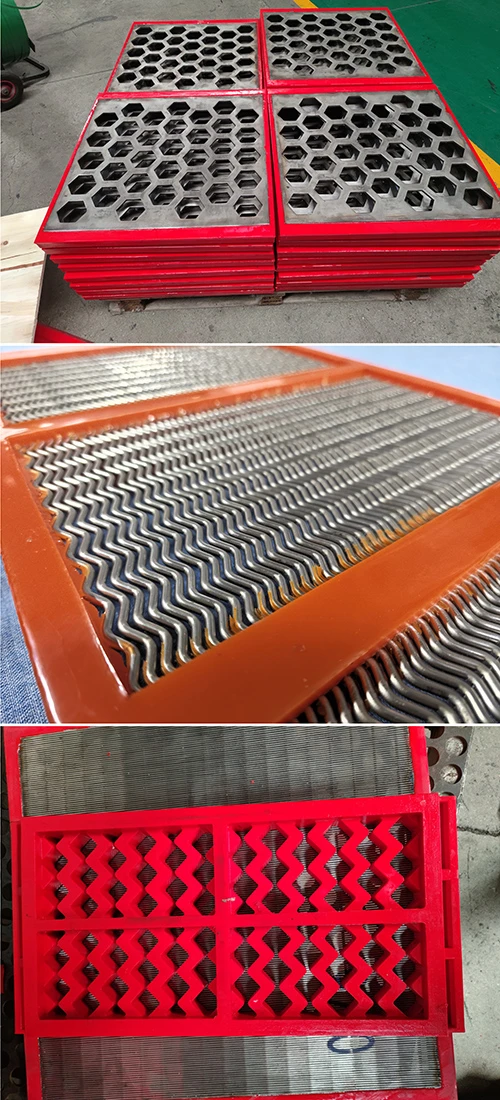
No surprise here: these screens must endure harsh environments, with continued exposure to harsh chemicals, debris impact, and often fluctuating water pressures. Stainless steel and polymer-coated frames are popular to resist corrosion and minimize maintenance.
2. Scalability
You’ll see run down screens ranging from tiny units for small community systems to massive constructions serving large cities. The modular design helps operators adapt to flow variations or upgrade capacity as demands surge.
3. Cost Efficiency
Efficient screens reduce treatment plant downtime and energy consumption downstream. While upfront investment isn’t trivial, many engineers say the payback within a few years due to lower maintenance and extended pump life is hard to beat.
4. Automation
Modern systems often incorporate automatic rake cleaners and sensors that allow remote monitoring, reducing manual labor and improving reliability — the kind of features that managers love.
5. Ease of Maintenance
Run down screens must be accessible for routine cleaning and repairs without requiring shutdowns. Clever hinged designs and removable panels make this faster and less risky.
Mini Takeaway
Run down screens blend longevity, flexibility, and smart automation to act as sturdy frontline defenders in water treatment — so much more than just “metal grids.”
Run Down Screens Around the World: Applications & Use Cases
In bustling Asian megacities like Tokyo and Mumbai, run down screens manage huge volumes of wastewater, protecting advanced treatment facilities from clogging. In contrast, rural Africa often relies on simplified modular units for humanitarian clean water projects, where robustness and ease-of-use trump ultra-high tech.
Power plants in Europe install customized run down screens designed to withstand higher temperatures and chemical loads. Industrial zones in North America prefer scalable units that integrate with automated monitoring systems.
Oddly enough, in some post-disaster relief scenarios — when infrastructure is knocked out — mobile run down screen setups can be deployed temporarily to keep water flowing while permanent systems are rebuilt.
Advantages: Why Investing in Run Down Screens Pays Off
- Cost Savings: Reduced mechanical failures and lower cleaning expenses.
- Sustainability: Minimizes chemical usage downstream by removing solids early.
- Reliability & Safety: Prevents pump clogging and associated hazards.
- Social Impact: Ensures consistent clean water and sanitation availability, impacting public health.
On a human level, having these dependable barriers means fewer emergency repairs and less downtime — which, frankly, can be stressful for operators and communities alike.
Emerging Trends in Run Down Screen Technology
Many vendors are now developing eco-friendlier materials, such as composites that last longer and require fewer coatings, addressing corrosion issues
Automation is becoming smarter — IoT sensors monitor debris accumulation in real-time, triggering maintenance only when necessary, preventing unnecessary interventions. Adding solar-powered cleaning units is also on the rise, especially for remote locations.
Sustainability is pushing design toward lower energy consumption pumps and lighter structures that reduce installation carbon footprints. Digital twin simulations are even being used to optimize screen configurations before installation.
Overcoming Common Challenges With Run Down Screens
Despite all the benefits, run down screens face issues like blockage during extreme weather, or difficulty handling unusual debris types that clog or damage systems. Engineers often respond by integrating variable slot sizes or by implementing pre-wash facilities to reduce bulk solids.
Maintenance in remote regions remains tricky — that’s where remote monitoring and predictive maintenance software step in, reducing costly on-site visits.
Frequently Asked Questions About Run Down Screens
Q1: How do run down screens differ from other wastewater screens?
A1: Run down screens specifically use a downward water flow over slotted surfaces to filter debris, often combined with automated cleaning. Other screens like drum or bar screens operate differently — run down screens excel at handling high flows with less manual intervention.
Q2: What materials are typically used to build run down screens?
A2: Mostly stainless steel for corrosion resistance, sometimes with polymer coatings for added durability. In sensitive environments, composite materials may be used to reduce weight and energy consumption.
Q3: Can run down screens be retrofitted into existing wastewater plants?
A3: Yes, many designs are modular and adaptable, making retrofitting possible without major system overhauls — a big plus for budget-constrained municipalities.
Q4: How often do run down screens require maintenance?
A4: Frequency varies based on debris load and automation level. Automated rakes can greatly reduce the need for manual cleaning, typically ranging from weekly to monthly inspections.
Q5: Are run down screens environmentally friendly?
A5: Absolutely — by removing solids early, they reduce chemical usage and protect biological treatment stages, thus contributing to more sustainable water management.
Run Down Screens at a Glance: Technical Specifications
| Specification | Typical Value | Notes |
|---|---|---|
| Flow Capacity | 0.5 – 30 m³/s | Varies with model size |
| Slot Width | 5 – 25 mm | Customized per debris type |
| Material | Stainless Steel AISI 304/316 | Anti-corrosion grade |
| Cleaning System | Automated rake/brush | Reduces manual cleaning |
| Power Supply | 110-240 V or solar options | Adapted to installation site |
Vendor Comparison: Choosing Your Run Down Screen Supplier
| Vendor | Material Quality | Automation Features | Customization Options | After-Sales Support |
|---|---|---|---|---|
| MutoScreen | High-grade stainless steel | Full automation + remote monitoring | Tailored slot widths and sizes | 24/7 technical support |
| ScreenMaster AI | Standard stainless steel | Semi-automated cleaning systems | Limited customization | Business hours support |
| EcoFlow Screens | Eco-friendly composite materials | Solar-powered cleaning units | Modular designs for scalability | Remote diagnostics + training |
Wrapping Up: Why Run Down Screens Are Your Unsung Hero in Water Management
Honestly, it's easy to overlook the humble run down screen as “just a grate in the water,” but this couldn’t be further from the truth. They are essential partners to cities and industries striving for smarter, sustainable water solutions. They reduce costs, improve reliability, and help communities keep clean water flowing.
Thinking of upgrading your system or exploring options? Don’t hesitate to check out run down screens from proven suppliers — your pumps and plant will thank you.