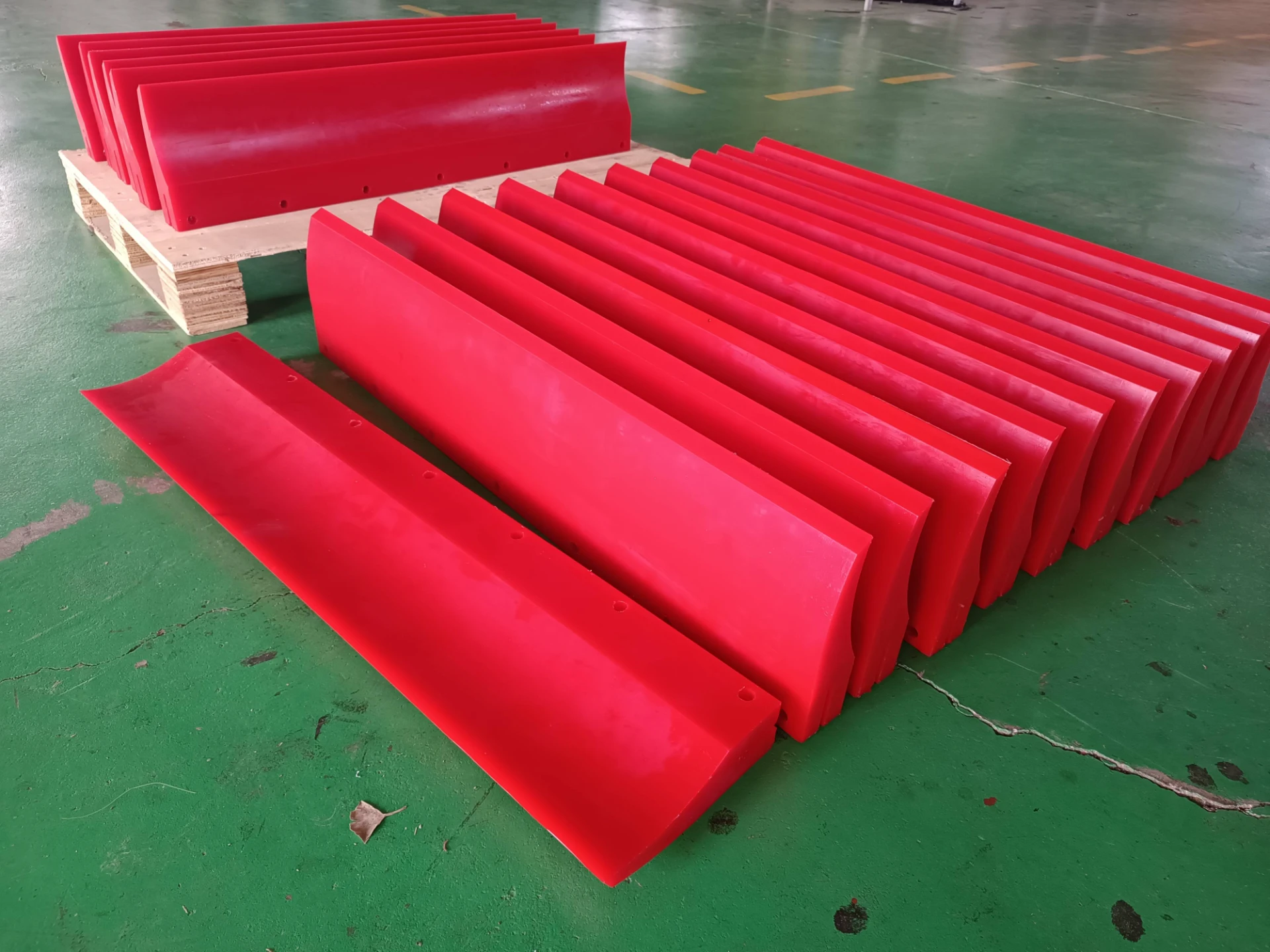
The Art and Science of Sieve Bend Screen Design: Why It Matters
If you’ve ever worked in mineral processing, water treatment, or any industrial screening operation, the term sieve bend screen design probably rings a bell. But even if you’re new to the scene, understanding this specialized design approach can unlock insights into how materials are sorted efficiently worldwide. At its core, a sieve bend screen is a curved screening surface that separates solids from liquids or larger particles from finer ones, playing a key role in industries ranging from mining to wastewater management.
Why does this matter globally? Well, efficient screening can drastically reduce waste, improve recycling rates, and optimize resource extraction. That’s not just about saving money — it’s about preserving scarce resources, reducing environmental impact, and supporting critical infrastructure in both industrial hubs and developing regions. And frankly, I suspect the more we understand about sieve bend screens, the better we can innovate for faster, cleaner, and more reliable operations.
Mini takeaway: Sieve bend screen designs are the unsung heroes of material separation, balancing efficiency with sustainability across the globe.
Understanding the Global Context: Screening’s Role in Industry and Infrastructure
According to the International Organization for Standardization (ISO), over 70% of mineral processing plants worldwide use some form of vibratory or curved screening to classify materials. And it’s not just mining. Water utilities, waste treatment plants, food processing — they all depend on efficient screening. The United Nations Environment Programme points out that efficient waste sorting technologies, including advanced screens, directly influence municipal recycling rates in cities globally.
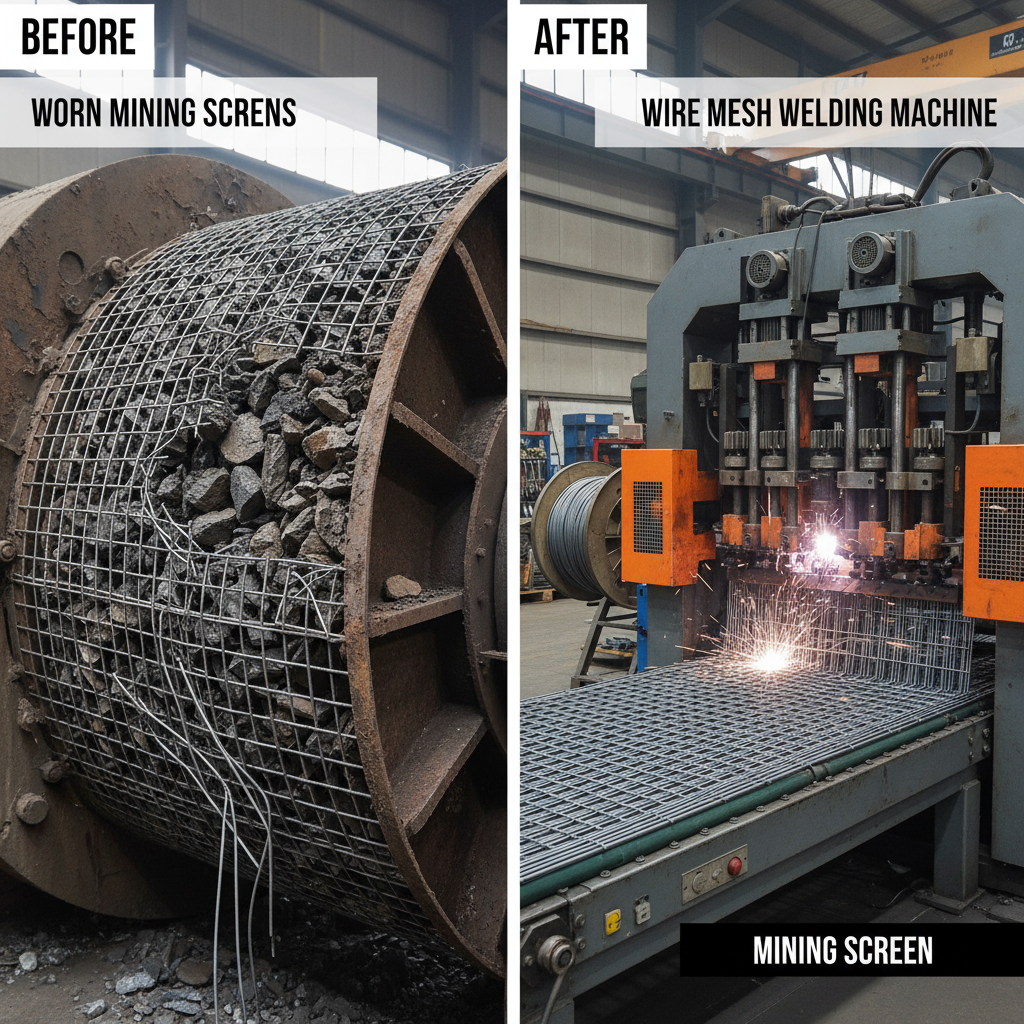
However, challenges remain. As industries push for higher throughput with lower energy consumption, screening equipment faces intense scrutiny. Problems like screen clogging, excessive wear, and poor scalability are constant headaches. This is exactly where advances in sieve bend screen design come into play.
What Exactly is Sieve Bend Screen Design?
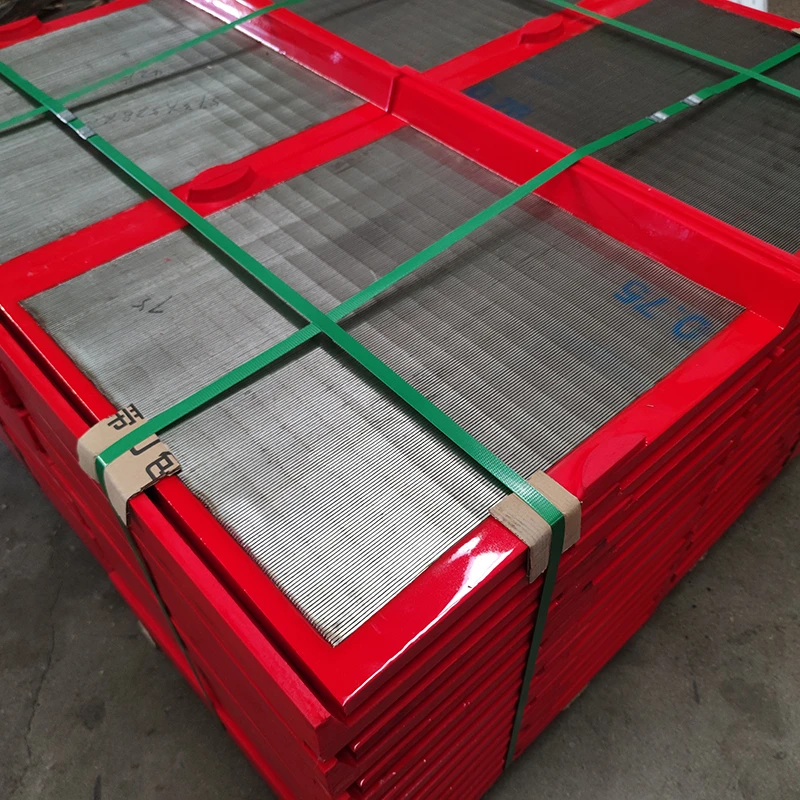
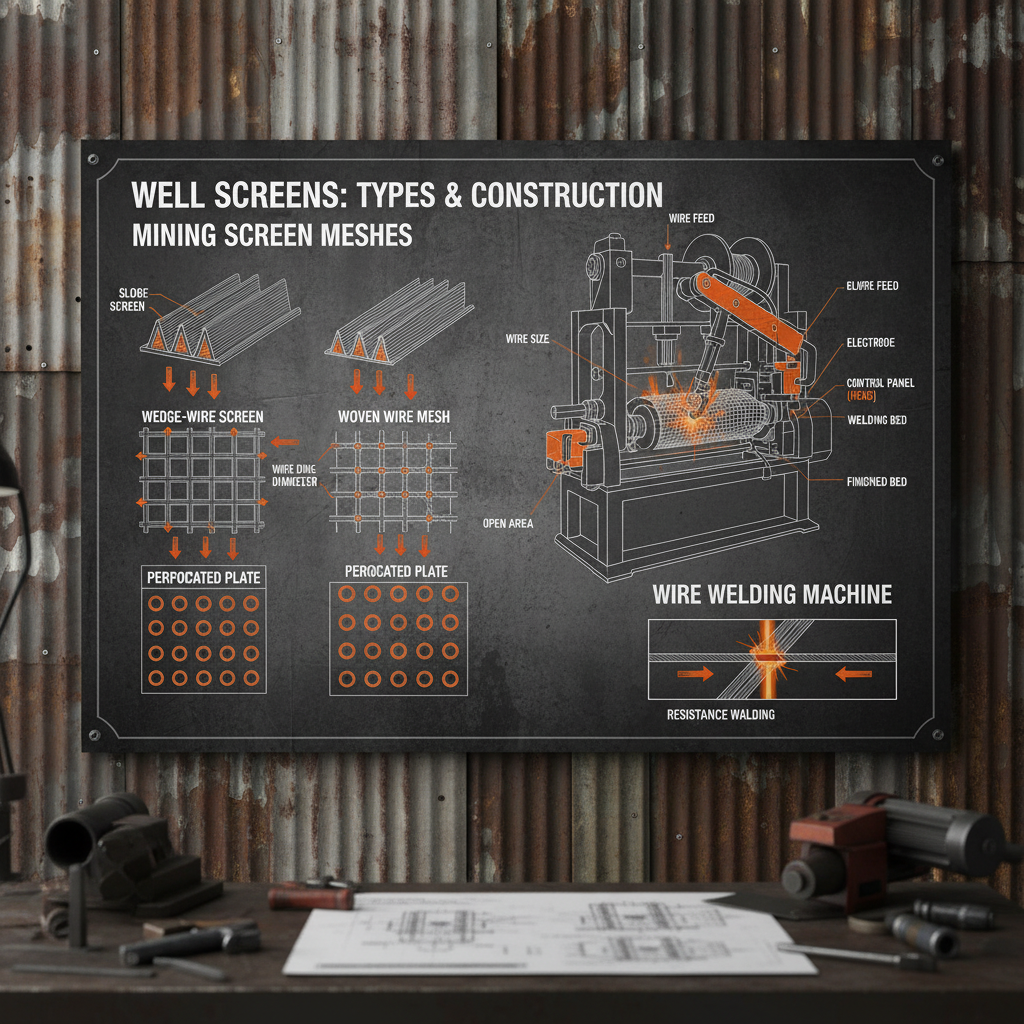
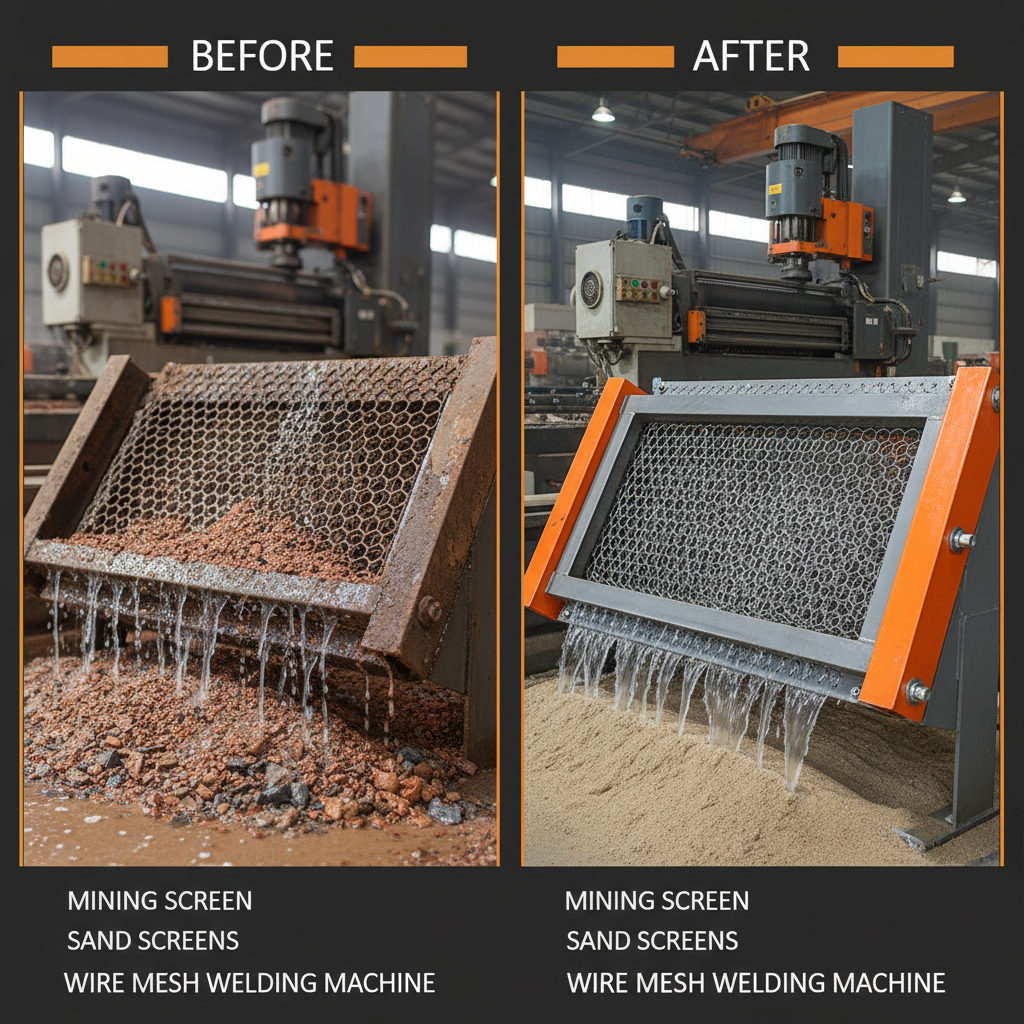
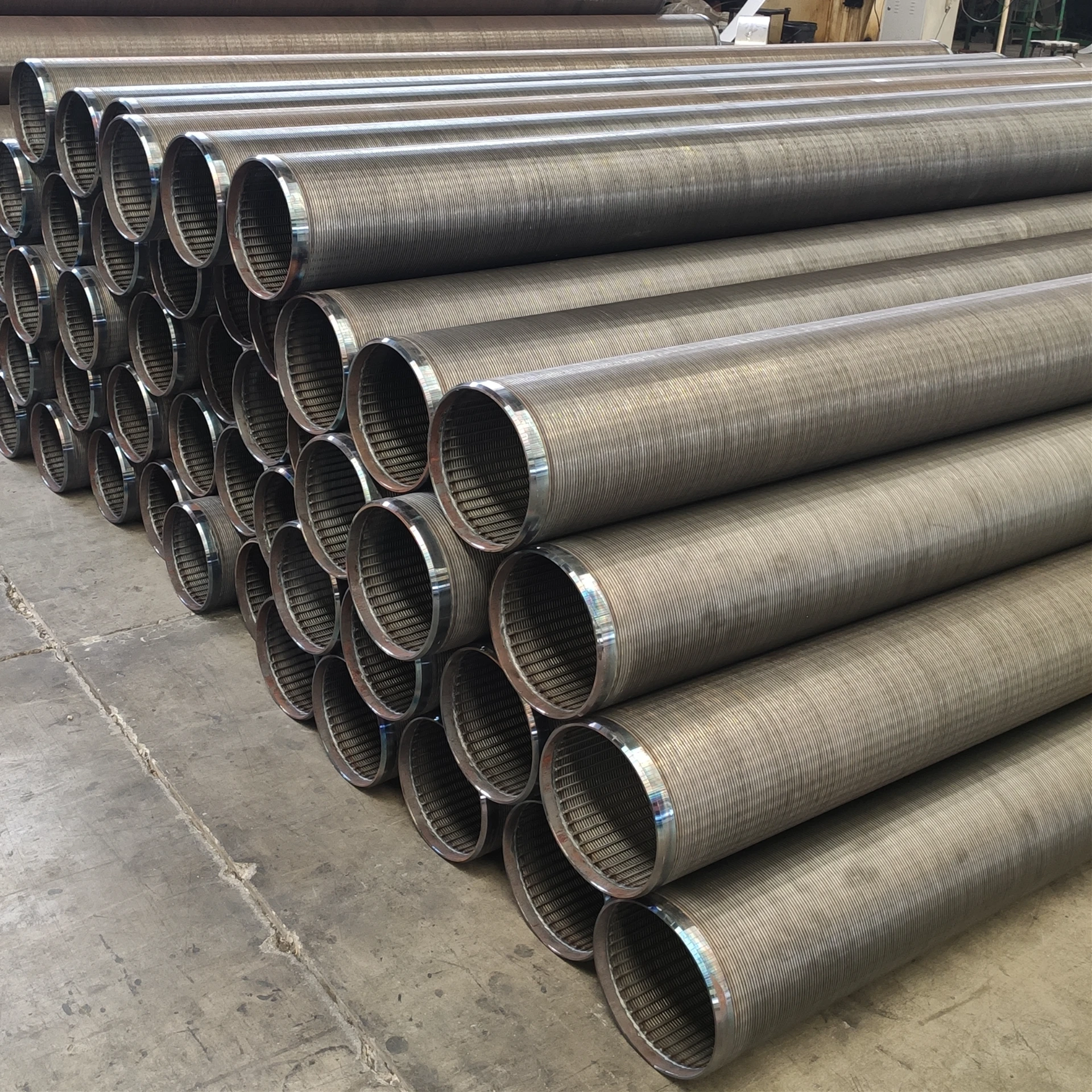
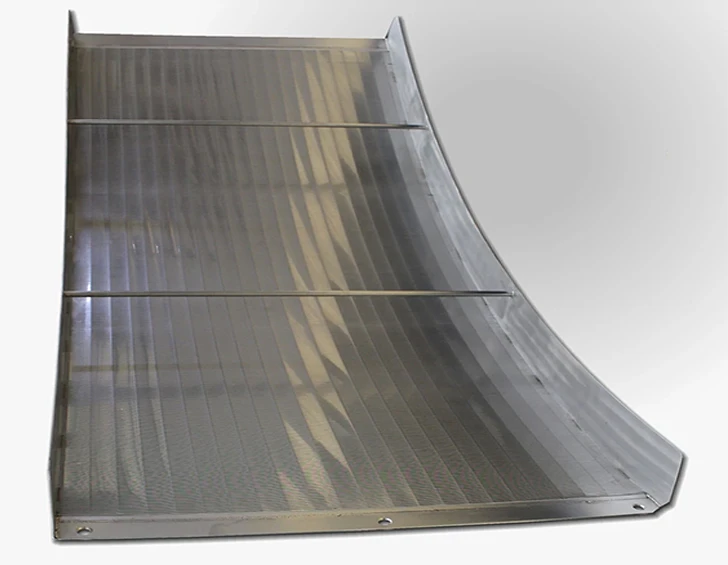
In simple terms, a sieve bend screen is a curved, typically wedge-wire or slotted surface that separates solids from liquids or finer particles. Its distinctive curved shape helps improve material flow and prevents clogging. Unlike flat screens, this geometry leverages gravity and the bending angle to efficiently drain liquid while retaining solids.
The design is often modular, allowing easy replacement of screen panels, and is tuned for specific particle sizes and flow rates. You can think of sieve bend screens as the middle ground between flat panels and rotary drum screens, combining benefits of both in a sort of hybrid solution.
In humanitarian contexts, these screens have become especially valuable in water purification and treatment plants – delivering safer water supplies quickly in post-disaster zones.
Mini takeaway: Sieve bend screens cleverly use curve geometry and materials to enhance separation efficiency, critical across many sectors.
Core Components of a High-Performance Sieve Bend Screen Design
1. Material and Durability
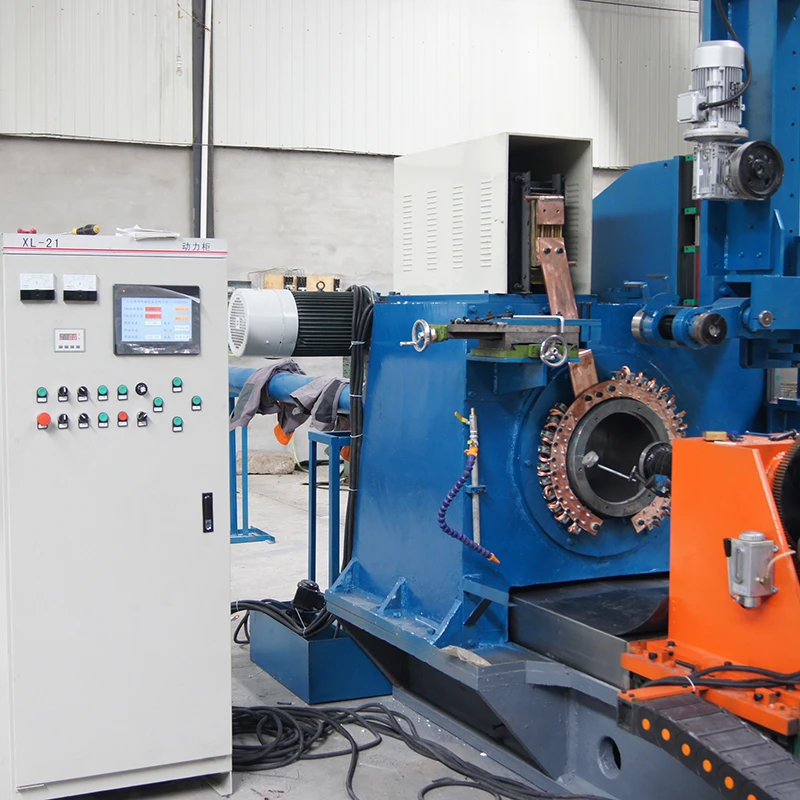
The durability of sieve bend screens depends hugely on the materials chosen — often stainless steel or specially coated alloys to resist corrosion and abrasion. In real industrial settings, screens face harsh chemicals, abrasive particles, and constant vibration, so choosing the right metal thickness and finish is a balancing act.
2. Screen Opening Size and Shape
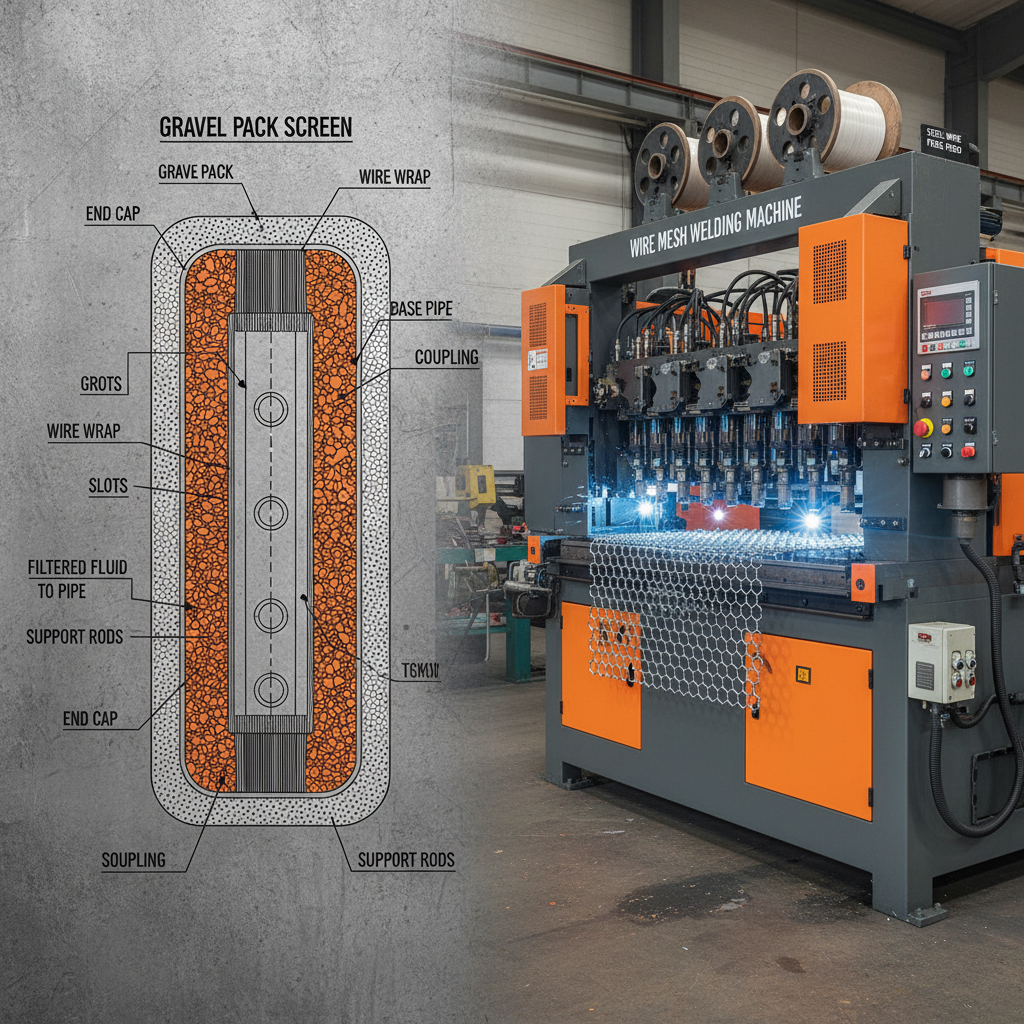
The mesh, slots, or aperture size governs what passes through. For example, wedge wire with a V-shaped section improves flow while minimizing clogging. Designers often calibrate these parameters based on the particle size distribution and fluid properties.
3. Curvature and Angle
The bend radius and incline impact how material flows over the screen. A tighter radius can improve drainage but may risk higher wear; too shallow, and clogging’s an issue. Many engineers say this is where “art meets science” in sieve bend screen design.
4. Scalability and Modular Design
Being able to replace panels or sections without dismantling entire setups makes maintenance faster and cheaper, especially in remote operations.
5. Cost Efficiency
Raw material costs, machining precision, and supply chain logistics all factor in — but smart design helps prolong screen life and reduce downtime, offering real savings in the long run.
6. Installation & Integration
How easily a sieve bend screen fits into existing equipment or workflows can affect adoption, especially in industries where downtime means lost revenue.
Mini takeaway: Durability, geometry, and modularity combine in sieve bend screen design to meet real-world demands for efficiency and maintenance ease.
Real-World Applications & What Makes Sieve Bend Screen Design Popular
You’ll find sieve bend screens across continents. In Australia’s vast mining operations, these screens handle high volumes of ore slurry. In Europe, wastewater plants rely on them to separate solids from water before treatment. NGOs working in Southeast Asia depend on them to provide rapid filtration in flood-affected zones.
- Mining : Efficient classification increases ore recovery rates and reduces equipment wear.
- Wastewater Treatment : Screens reduce suspended solids before expensive chemical treatments.
- Food & Beverage : Separating pulp or husks in juice or brewing processes.
- Humanitarian Relief : Portable sieve bend screens improve clean water access.
- Industrial Manufacturing : Reclaiming coolants and lubricants by filtering out particles.
Think about the sometimes overwhelming floodwaters in disaster zones — these screens are compact and quick to deploy, a big plus over bulkier solutions. Being able to filter out solids while draining water rapidly changes the game for clean water availability.
Advantages Beyond the Surface: Why Sieve Bend Screens Keep Winning
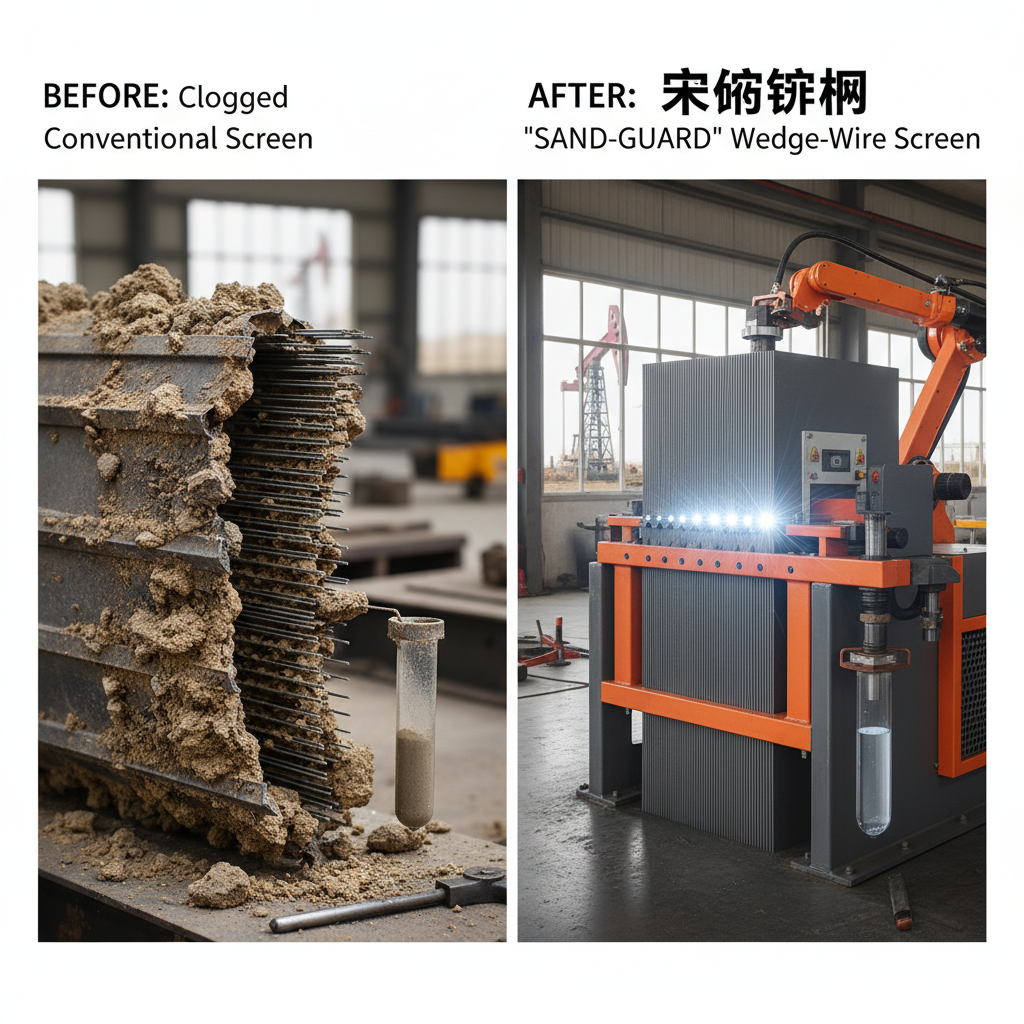
First off, the bend design minimizes clogging and foul odors, improving reliability. Operators gain peace of mind knowing systems run longer without interruption. There's also a sustainability angle: less downtime means less energy wasted restarting systems, and longer screen lives reduce waste.
Cost benefits aren’t just upfront. Having a modular approach means repairs are surgical, so operators don't lose valuable operational days. Socially, clean water and pollution control have direct impacts on community health and dignity — something that often goes unsaid but is huge.
Mini takeaway: The true value of sieve bend screen design lies in blending operational efficiency with cost savings and positive social impact.
The Future: Smart Screens and Sustainability
Looking ahead, sieve bend screen design is aligning with broader industry trends like digital automation, IoT integration, and eco-friendly materials. Imagine sensors embedded in the screen surface, providing real-time clogging alerts or maintenance schedules. Researchers are exploring advanced alloys and even bio-based coatings to extend life without harmful environmental impact.
Green energy integration means fewer carbon footprints during manufacture and operation. Some companies experiment with modular digital twins of their screens to simulate performance before manufacturing, saving costly trial runs.
Overcoming Challenges: Expert Tips & Innovations
Challenges like abrasion wear and clogging still nag many users. Innovative solutions include:
- Applying ultra-hard coatings or ceramic inserts where wear is highest.
- Dynamic screen tilting to shake loose clogging materials.
- Optimizing fluid velocity through computational fluid dynamics (CFD) to reduce stagnation pockets.
- Using sieve bend screen design modifications tuned for particle morphology rather than just size.
Of course, costs and technical knowledge can be barriers, but ongoing tech support and digital tools are making customization and maintenance increasingly user-friendly.
Frequently Asked Questions About Sieve Bend Screen Design
Q1: How do you select the right sieve bend screen for a specific application?
A: It depends mainly on particle size, flow rate, and material abrasiveness. Consider also the medium being filtered and installation constraints. Working with vendors who offer modular, customizable solutions helps tailor screens exactly to your needs.
Q2: What maintenance is required to keep sieve bend screens effective?
A: Regular inspections for wear, cleaning of screen surfaces, and timely replacement of modular panels prevent downtime. Some advanced screens have built-in wear indicators facilitating proactive care.
Q3: Can sieve bend screens handle highly abrasive materials?
A: Yes, but material choice becomes critical. Stainless steels with hardened coatings or ceramic-lined screens perform better under abrasive conditions. Design modifications like adjustable angles can also mitigate wear.
Q4: Are sieve bend screens suitable for mobile or temporary installations?
A: Absolutely. Their modular design and relatively lightweight structure make them ideal for field deployments, including disaster relief water treatment or temporary mining sites.
Q5: How do sieve bend screens compare to flat or rotary screens?
A: They strike a balance — providing better drainage and less clogging than flat screens while being simpler and more cost-effective than some rotary alternatives.
Product Specification Table: Typical Sieve Bend Screen Design Parameters
| Feature | Specification | Remarks |
|---|---|---|
| Screen Material | Stainless Steel 316/304 | Corrosion resistant, durable |
| Screen Opening Size | 0.2 mm – 10 mm | Customizable for particle size |
| Radius of Curvature | 500 mm – 1500 mm | Affects drainage efficiency |
| Inclination Angle | 10° – 25° | Optimizes flow speed |
| Panel Size | 1m x 0.5m (typical) | Modular replacement parts |
| Operating Temperature | -10°C to 120°C | Standard materials limit |
Vendor Comparison: Popular Sieve Bend Screen Providers
| Vendor | Material Options | Customizability | Typical Lead Time | Support & Services | Price Range |
|---|---|---|---|---|---|
| MutoScreen Co. | Stainless Steel 304/316, Duplex | High; includes custom slotted designs | 4-6 weeks | On-site consulting, maintenance training | $$$ |
| Global Screen Tech | Carbon Steel, Stainless Steel | Medium; typical sizes pre-made | 3-5 weeks | Remote support, replacement parts | $$ |
| AquaPure Screens | Polymer-coated steel, SS | High; especially for water treatment | 5-7 weeks | Extended warranty, design consultation | $$$ |
Wrapping Up: The Long-Term Value of Investing in Sieve Bend Screen Design
At the end of the day, understanding and selecting the right sieve bend screen design truly pays dividends — in cost savings, operational uptime, and social impact. Whether your operation is mining iron ore deep in remote Australia, filtering effluent in a European city, or helping ensure clean water in a flood-stricken village, these screens quietly make a difference.
If you’ve reached this far, I encourage you to dive deeper and see how modern sieve bend screen designs could transform your workflows, improve sustainability goals, or even just make your daily job easier.
Visit our website: https://www.mutoscreen.com
References:
1. ISO - Mineral Processing Standards (iso.org)
2. United Nations Environment Programme - Waste Management (unenvironment.org)
3. Wikipedia - Sieve Bend Screen (en.wikipedia.org)