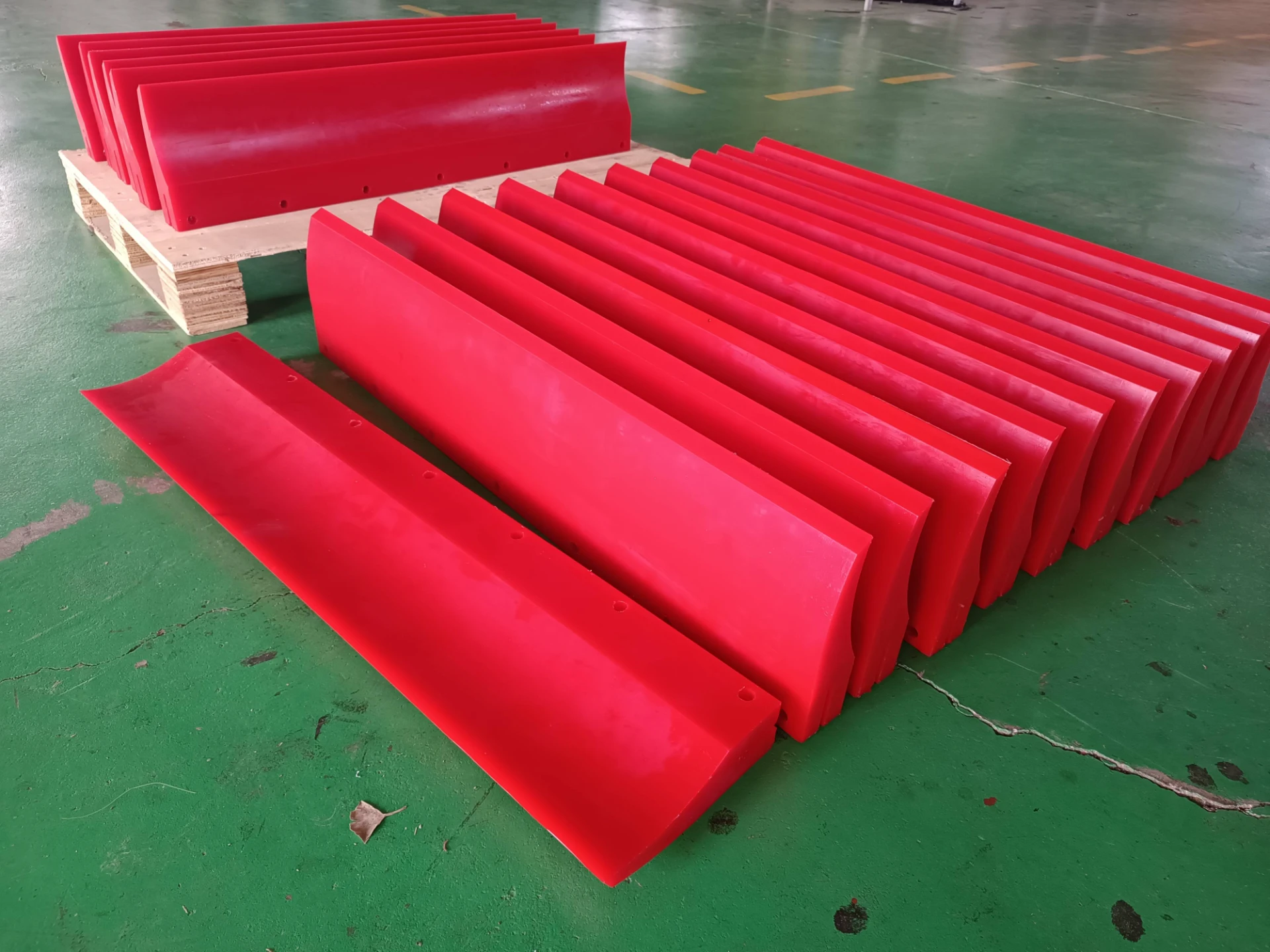
The Essential Role of the Sieve Bend in Modern Industry
If you’ve ever worked in mining, aggregate processing, or any bulk material handling industry, you may have come across the term sieve bend. It might sound a bit niche, but this component quietly underpins a lot of what makes modern industrial screening efficient and scalable worldwide. Understanding the sieve bend’s design, application, and benefits is surprisingly crucial — whether you’re designing a plant in Australia or managing relief efforts in disaster-hit regions.
Why bother? Because as global demand for raw materials surges and quality requirements rise, effective particle separation becomes a bottleneck in many workflows. A well-chosen sieve bend can reduce downtime, lower operating costs, and ultimately improve product quality — all things that matter across supply chains and even in humanitarian aid contexts.
Global Context: Why Sieve Bends Matter Today
The International Organization for Standardization estimates that global demand for screened aggregate and mineral materials will increase by roughly 3% annually over the next decade. In regions like Southeast Asia and Africa, infrastructure projects boom, pressing the need for reliable screening equipment.
Mining itself accounts for nearly 1% of global GDP, according to the World Bank. Yet many mines struggle with inefficient screening methods that lead to material losses or increased waste. The sieve bend, a curved slotted screen, was developed decades ago specifically to tackle these challenges — improving separation accuracy while handling vast volumes of material with minimum clogging.
Oddly enough, the sieve bend concept even plays a role in disaster response where water purification relies on screening debris and sediments precisely. So it’s not just about mining, but also about safety and environmental care worldwide.
Mini Takeaway:
- Sieve bends are globally relevant components, underpinning important industries and humanitarian needs.
- They address scalability and efficiency challenges in massive material flows.
- Understanding their design helps optimize operations across sectors.
What Exactly is a Sieve Bend?
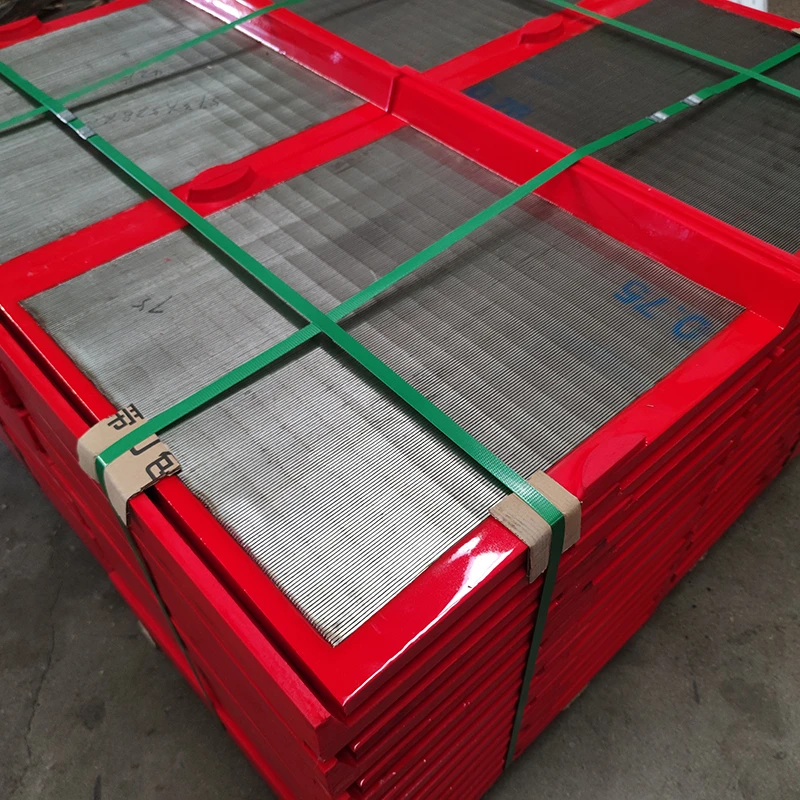
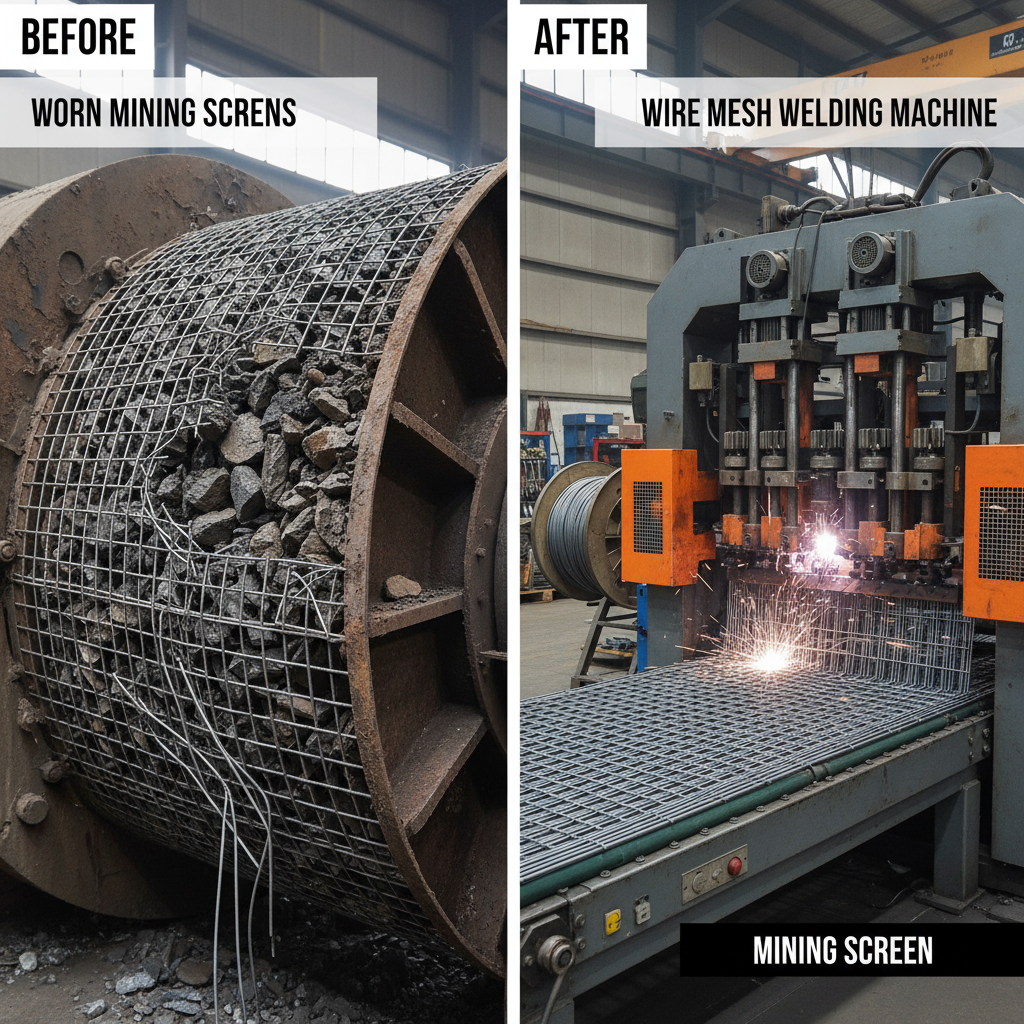
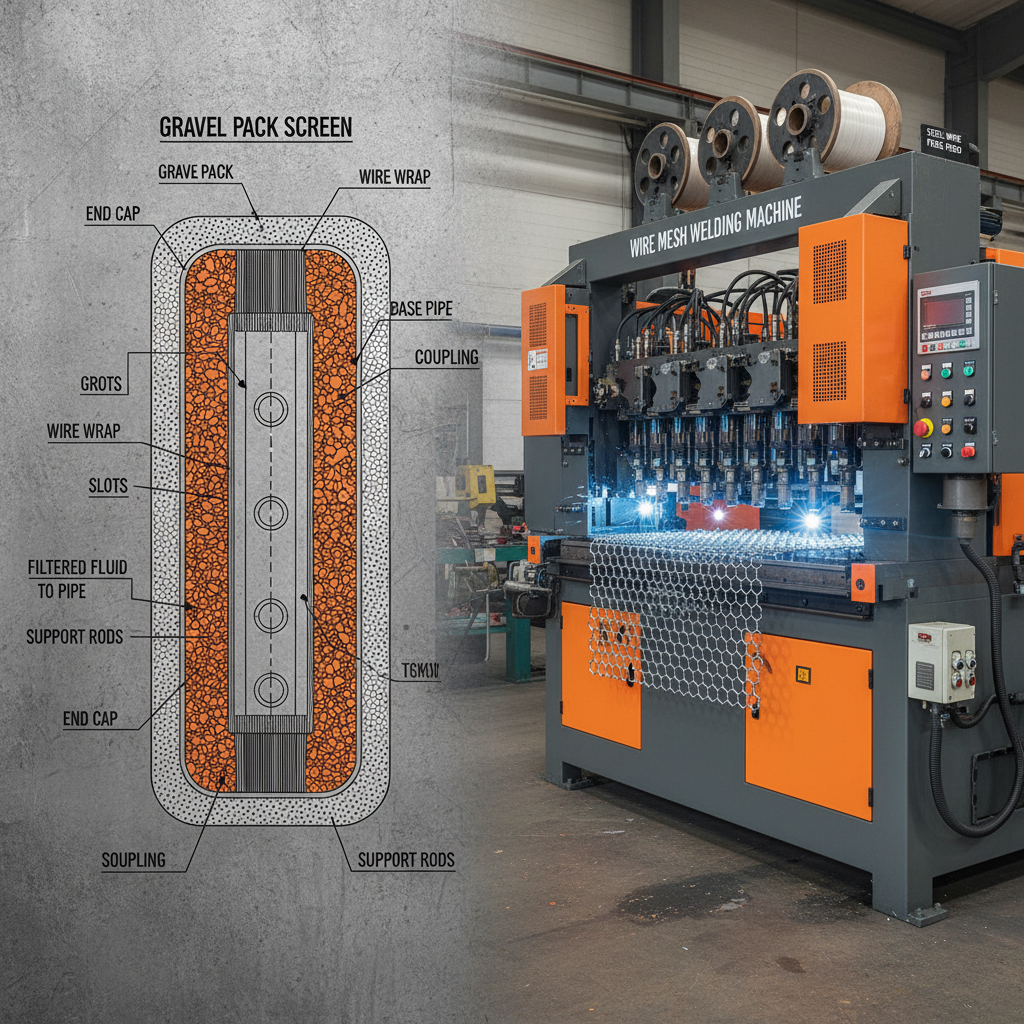
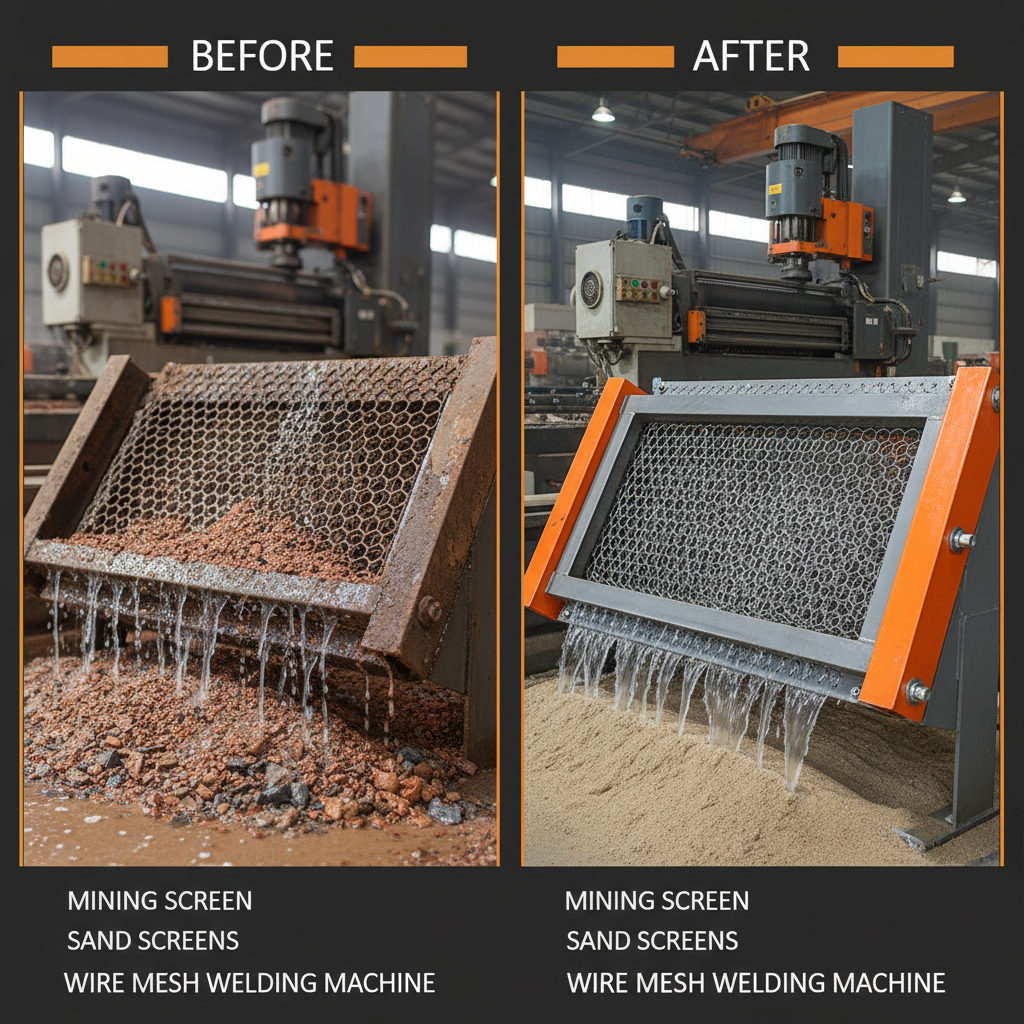
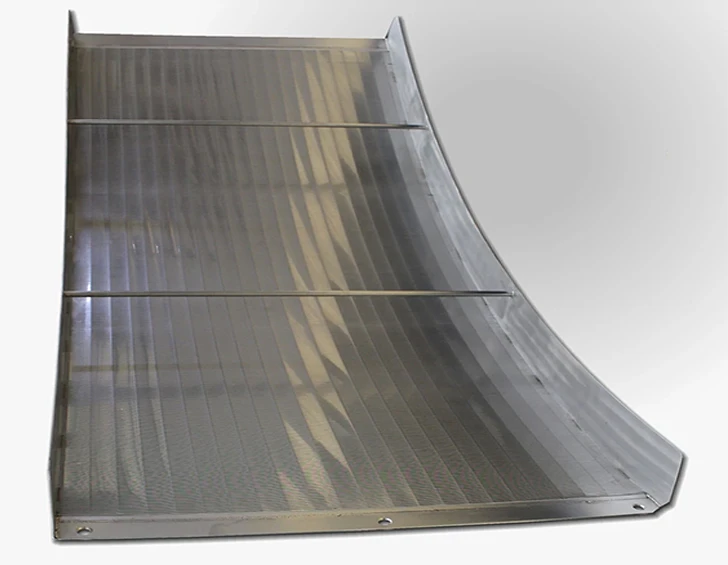
In the simplest terms, a sieve bend is a curved, slotted screen panel used to separate particles by size in a continuous flow of material. Picture it as a clever, bent sieve placed under conveyor systems, feeding material that flows downward due to gravity. The curvature ensures finer particles pass through the slots, while oversize material slides off cleanly.
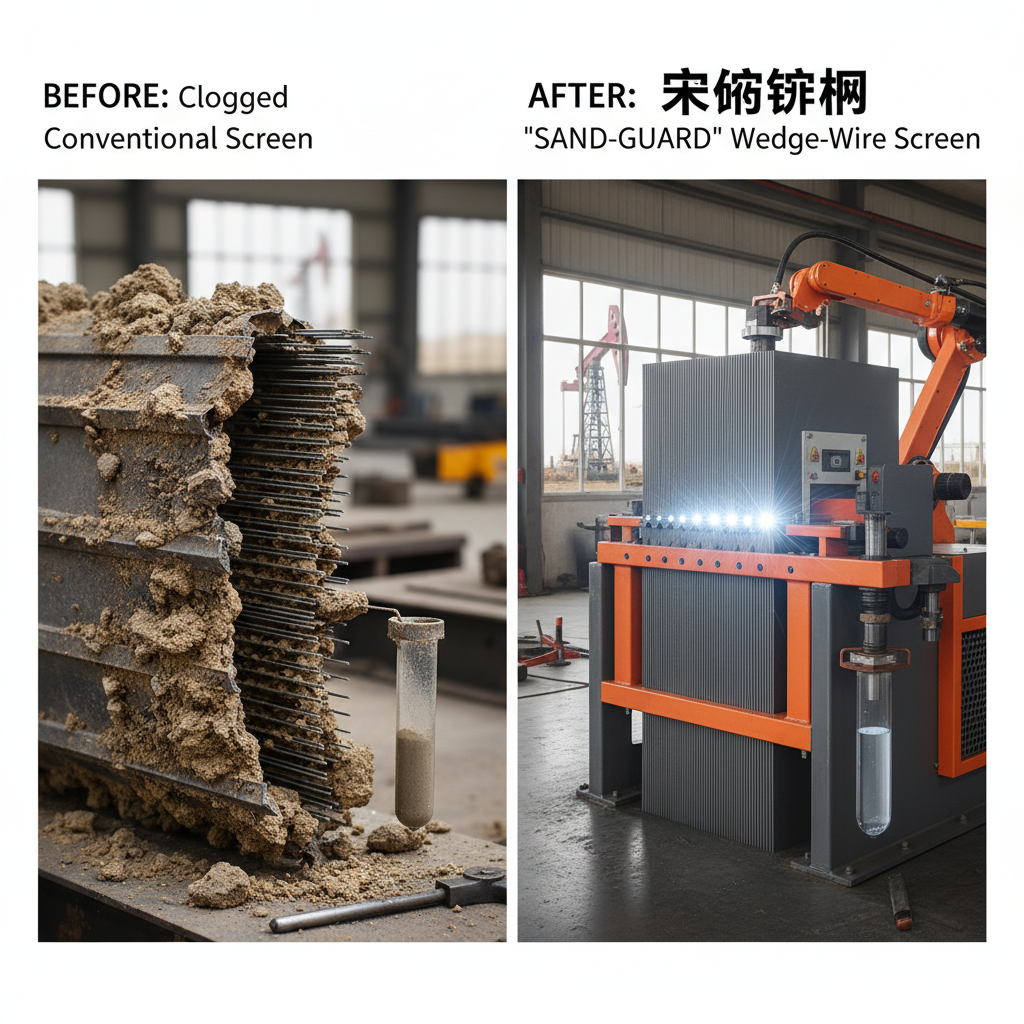
This design handles heavy loads and high particle throughput better than flat screens and prevents clogging — a common issue in conventional screens. Therefore, sieve bends are instrumental in industries like mining, aggregate processing, and recycling where consistent, large-scale screening is necessary.
Beyond industrial uses, sieve bends sometimes find their way into humanitarian applications — for example, filtering sediments in water purification setups used in emergency relief zones. Frankly, the principle behind it — separating what's usable from what isn’t — is universal.
Mini Takeaway:
- Sieve bends are curved screening devices designed for efficient particle separation under heavy loads.
- Their shape and slot design prevent clogging and increase throughput.
- They find applications ranging from heavy industry to emergency water treatment.
Key Factors Defining a Good Sieve Bend
1. Durability and Material Choice
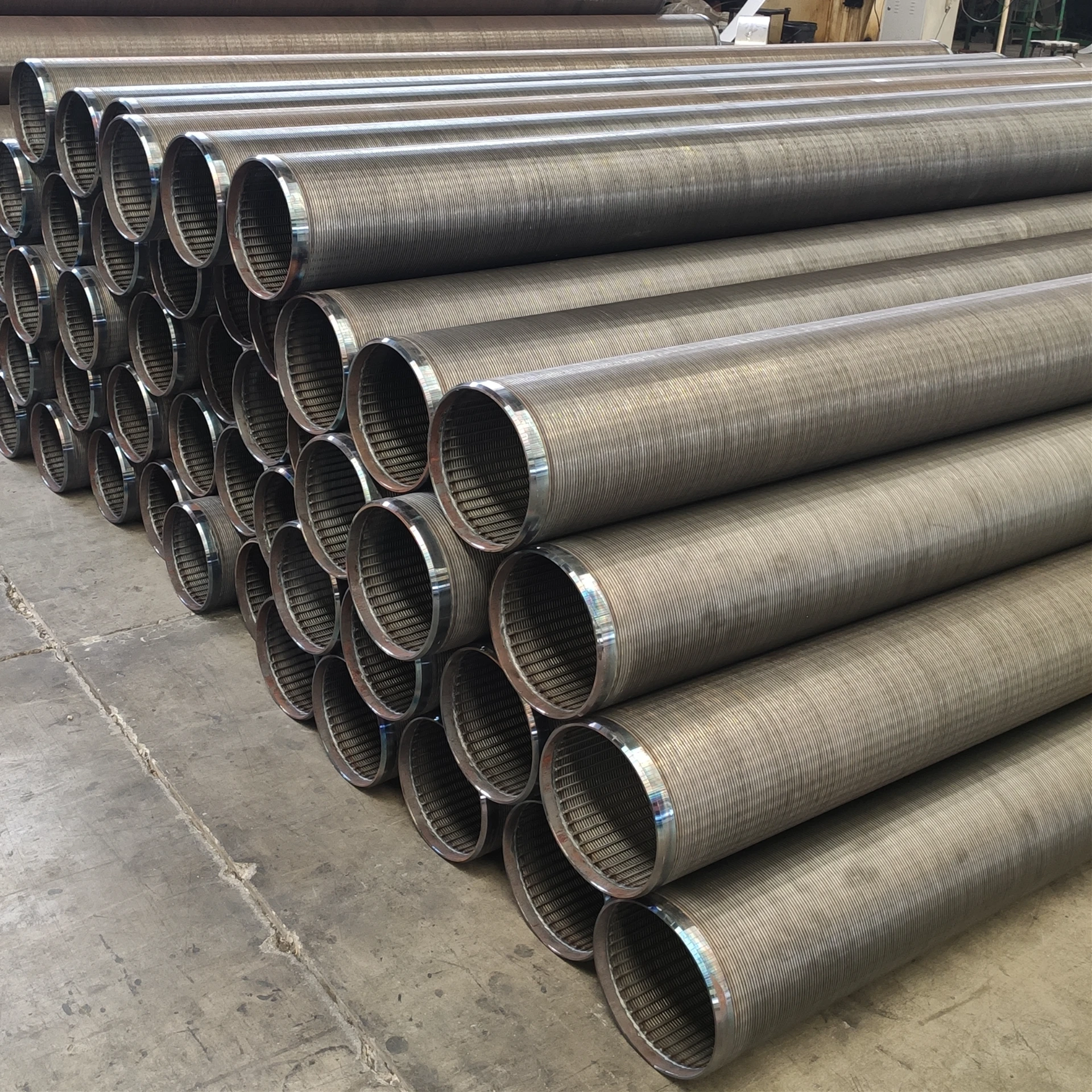
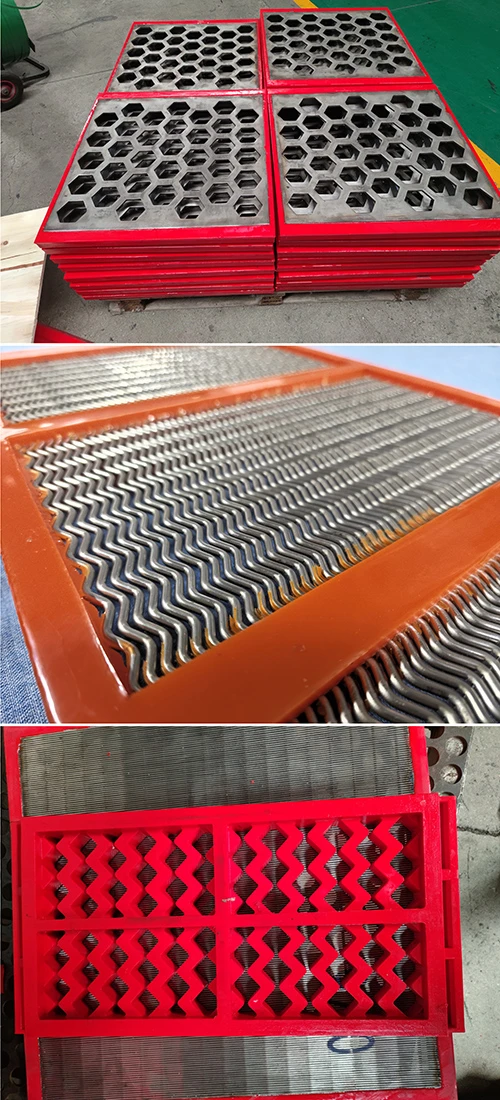
Most engineers swear by stainless steel or high-tensile alloys for sieve bends. Not only do these materials withstand abrasive particles, but they maintain their shape under constant pressure. Some specialized sieve bends incorporate polyurethane coatings to reduce wear and tear, extending lifespan dramatically.
2. Slot Design and Size
The size and angle of the slots directly determine which particles pass through, affecting product quality downstream. Fine-tuning these dimensions is a bit of an art combined with science and depends largely on the type of material screened.
3. Scalability and Installation Flexibility
Sieve bends come in various sizes and are often modular, making them easy to integrate into existing systems — no matter how large or small. This flexibility answers the industry's demand for scalable solutions that can adjust as production ramps up or pivots.
4. Maintenance and Ease of Cleaning
Because clogging halts production and causes frustration, sieve bends are designed for quick cleaning and replacement. Some models even offer quick-release mechanisms that engineers love for minimizing downtime.
5. Cost Efficiency Over Time
While not the cheapest component upfront, a well-made sieve bend cuts operational costs by reducing maintenance needs, speeding production, and improving product separation quality. It’s a classic long-term investment.
| Specification | Value/Range | Notes |
|---|---|---|
| Material | Stainless Steel 304 or 316 | Corrosion resistant, common industry standard |
| Slot Width | 1.5 mm to 12 mm | Depends on particle size separation needs |
| Radius of Curvature | 500 mm to 1500 mm | Varies by application; impacts flow rate |
| Thickness | 2 mm to 5 mm | Balance between durability and weight |
| Operating Temperature | -20°C to 350°C | Suitable for most industrial environments |
Mini Takeaway:
- Material choice affects durability and longevity.
- Slot size and curvature must fit the material to maximize efficiency.
- Cost-effectiveness stems from long-term performance rather than initial price.
Common Vendors: How Do They Stack Up?
| Vendor | Material Options | Customization | Typical Lead Time | Price Range | Additional Services |
|---|---|---|---|---|---|
| MutoScreen | Stainless Steel 304/316, Polyurethane Coating | Highly customizable slots & curvature | 2-4 weeks | $$$ | Technical support, installation assistance |
| Global ScreenTech | Carbon Steel & Stainless Options | Limited custom shapes | 4-6 weeks | $$ | Basic warranty & repair |
| Selective Screens Inc. | Stainless Steel, Specialty Alloys | Custom sizes; premium pricing | 3-5 weeks | $$$$ | On-site consulting, training |
Real-World Uses of Sieve Bend Technology
You might be surprised by the sheer breadth of applications where sieve bends find their groove. In Australia’s mining heartlands, sieve bends handle everything from coal to iron ore with minimal fuss, proving critical to meeting export demands.
Down in Southeast Asia, especially in rapidly urbanizing countries like Vietnam and Indonesia, sieve bends are part of the sieve bend assemblies used to grade construction materials. Their ability to scale means they’re often used in modular units that can be shipped straight to project sites, reducing assembly time drastically.
In disaster relief contexts, sieve bends sometimes form part of mobile water treatment units. Here, their role isn't just economic; it's humanitarian, providing cleaner water under urgent conditions.
Mini Takeaway:
- Mining, construction, and humanitarian sectors all rely on sieve bends.
- The technology adapts well to remote or fast-changing environments.
- Its modular design supports quick deployment and scalability.
Why Choose a Sieve Bend? Benefits that Count
- Cost-effective: Lower maintenance plus less downtime equals clear savings.
- Environmentally friendly: Efficient separation means less waste and lower energy use.
- Improved safety: Better screening reduces contamination risks and equipment failures.
- Operational reliability: Tough materials and smart design keep things flowing.
- Support innovation: Vendors provide customization, tech support, and easy integration.
When engineers say “the payoff is in the details,” they often mean the sieve bend’s design principles — balancing human needs, industrial throughput, and ecological sensibility.
Looking Ahead: What’s Next for Sieve Bends?
The future holds some exciting possibilities. Think smart sieve bends with embedded sensors to monitor wear or material flow in real time. Integrating these devices into Industry 4.0 digital platforms could optimize maintenance schedules and reduce unexpected shutdowns.
Materials are evolving, too. Biodegradable polymers and ultra-high-strength composites promise lighter, longer-lasting screens that reduce environmental footprint. Green energy-powered mobile plants equipped with sieve bends could soon become the norm in remote mining or construction sites.
Challenges to Address — And How Experts Solve Them
While sieve bends are sturdy, wear and clogging remain challenges, especially with sticky or irregular materials. Some operations face issues integrating these screens with older conveyor systems, creating bottlenecks.
Innovative approaches include:
- Adaptive slot designs with variable widths to accommodate changing feedstock properties;
- Applying surface treatments to reduce material sticking; and
- Retrofitting vibratory mechanisms to increase material flow and reduce downtime.
It’s a constant process of matching needs to tech advances in real time — just as you’d expect in any dynamic, demanding industry.
FAQ: Frequently Asked Questions About Sieve Bend
- What types of materials can a sieve bend handle?
- Generally, sieve bends are versatile but excel with dry bulk materials like sand, gravel, coal, and minerals. Some versions can cope with wet or sticky material, but this requires special coatings or vibration mechanisms.
- How often should sieve bends be replaced or maintained?
- Maintenance frequency depends on usage intensity and material abrasiveness. Typically, routine inspections every 3-6 months suffice, with replacement cycles ranging from 1 to 3 years. Vendors usually provide guidelines tailored to operating conditions.
- Can sieve bends be customized for specific separation sizes?
- Yes, slot widths and curvature radius can be customized to meet precise screening requirements. This flexibility is one reason sieve bends are so popular across diverse industries.
- Are sieve bends easy to install in existing systems?
- Most modern sieve bends are designed with modularity in mind, allowing for quick installation or retrofit with minimal downtime. Some vendors even support on-site installation support.
- Do sieve bends contribute to sustainability efforts?
- Absolutely — by improving screening efficiency, they reduce waste, minimize energy use, and prolong equipment life, all contributing to greener industrial processes.
Wrapping Up: Why Sieve Bends Are Worth Your Attention
Sieve bends may not make headlines, but their impact extends across continents and industries. They combine tried-and-true engineering with emerging innovations to deliver reliable, efficient, and scalable screening solutions. Whether you’re mining rare minerals, building infrastructure, or purifying water in a crisis, sieve bends quietly do heavy lifting — literally and figuratively.
For the latest advances and customizable options, be sure to explore trusted vendors like MutoScreen. Their expertise helps you tailor the perfect sieve bend for your application, backed by solid technical support.
Visit our website: https://www.mutoscreen.com to learn more and request a consultation today.