The Essential Guide to Rod Screens: What They Are and Why They Matter
If you’ve ever wondered how industries manage to separate debris, sediment, or unwanted materials from liquids or bulk solids efficiently, then rod screens are bound to cross your path sooner or later. These deceptively simple but mechanically clever devices have found a crucial place in many sectors worldwide—from wastewater treatment plants to mining operations. Understanding rod screens means grasping how industries keep systems running smoothly and sustainably while reducing downtime and operational costs.
Globally, where water scarcity and environmental sustainability dominate the conversation, techniques that improve filtration and material handling bring unmistakable value. Honestly, it's one of those pieces of equipment whose global presence is often overlooked, yet it quietly enables better resource management and pollution control.
Global Importance of Rod Screens in Modern Industry
In a world where 2.2 billion people lack access to safely managed drinking water and wastewater treatment (UN-Water, 2021), devices like rod screens are silently making a difference. The United Nations regularly highlights the importance of infrastructure that supports clean water initiatives. Rod screens address one vital step in the logistics chain—filtering solids out of liquid flows to protect pumps, pipelines, and downstream equipment.
The problem is real: clogging and mechanical failure caused by debris can cause costly halts in processing plants and environmental damage due to untreated water discharge. Rod screens act as a frontline guardian against such disruptions.
What Exactly Is a Rod Screen?
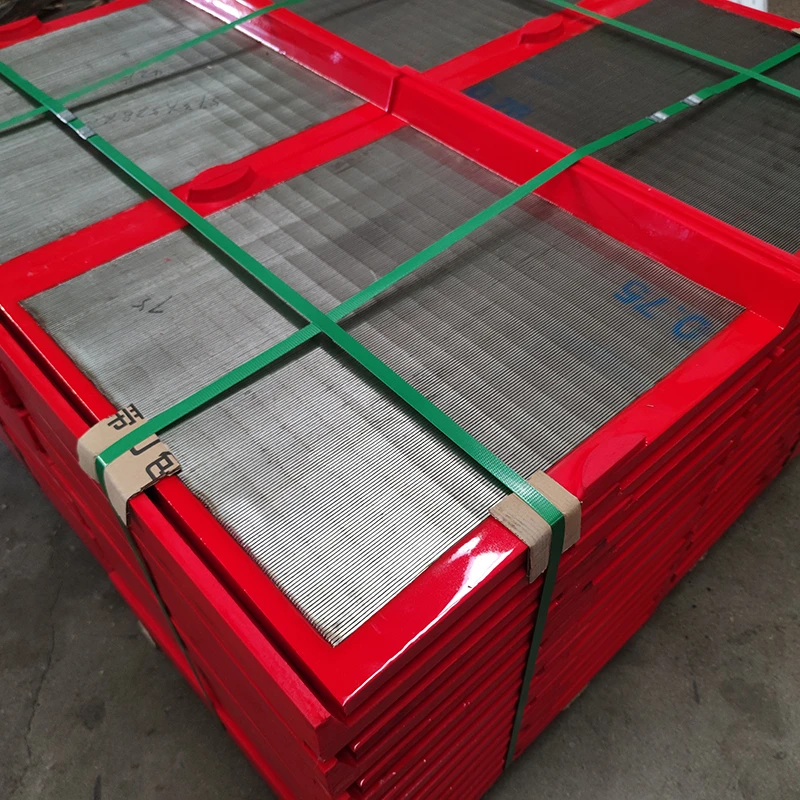
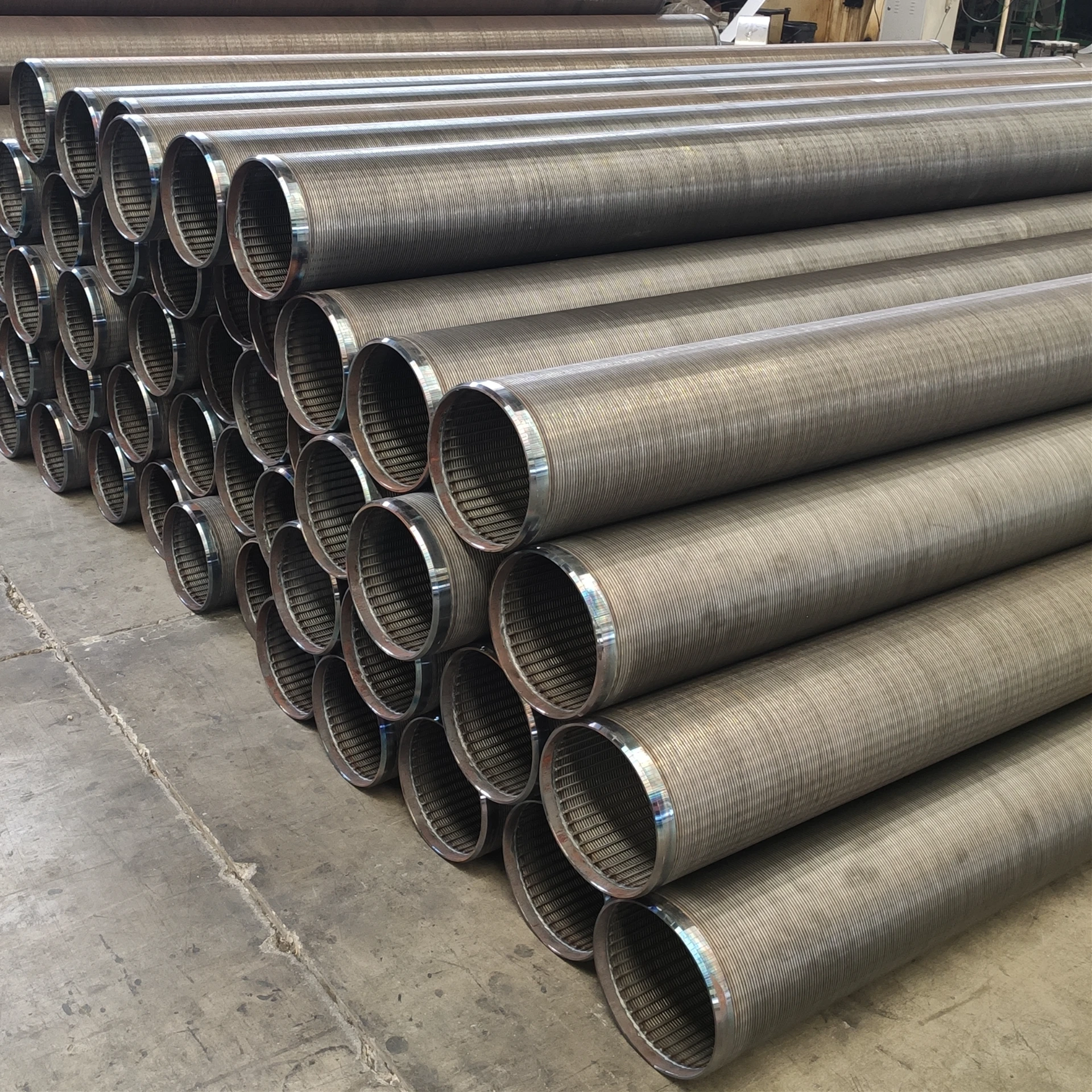
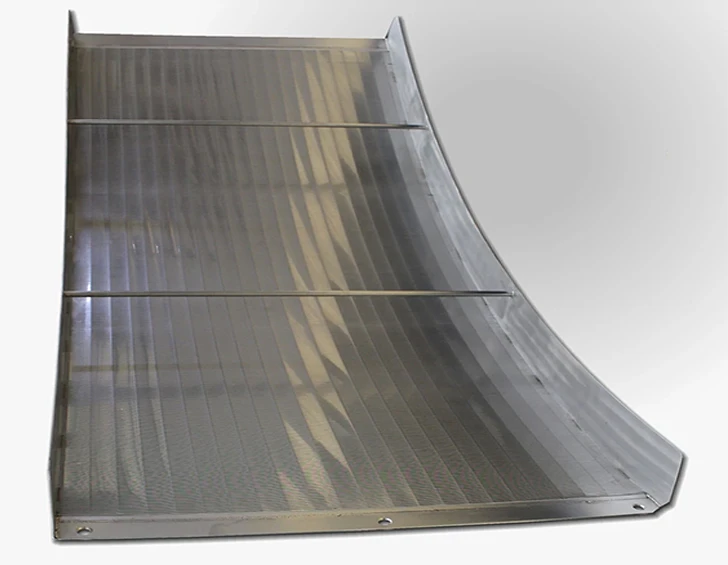
Put simply, a rod screen is a type of industrial screening system made of parallel rods spaced to allow liquids or small particles through but block larger solids. Think of it as an advanced sieve or grate, but specifically engineered to endure harsh operational environments, such as high-pressure water flows or abrasive materials.
It’s widely used in municipal and industrial wastewater treatment, hydropower plants, and even irrigation channels. Its role isn’t flashy but indispensable—it prevents downstream machinery from clogging and reduces the volume of solid waste requiring treatment.
Core Components and Factors in Rod Screen Design
1. Durability
The rods themselves are usually made of stainless steel or special alloys like 316Ti to resist corrosion and wear. Since rod screens often operate submerged and in abrasive environments, material longevity is critical—and frankly, it can make or break operational costing for plants.
2. Spacing and Open Area
The gap between rods directly influences the screen’s efficiency. Narrower spacing catches finer debris but risks faster clogging. Finding the sweet spot involves analyzing the nature of the incoming flow and expected solids load.
3. Scalability
Rod screens come in sizes ranging from small units for laboratory or light industrial use to giant installations in dam intakes and wastewater plants. This adaptability makes them useful across many scales—from local water treatment projects to national infrastructure.
4. Cleaning Mechanisms
Some rod screens rely on manual cleaning, but automatic rakes or brushes are increasingly common to maintain flow and minimize manual labor. Automation here makes a surprisingly large difference in uptime and safety.
5. Installation and Maintenance
How the rod screen is installed—vertically, inclined, or horizontal—affects flow rates and cleaning frequency. Regular inspection and maintenance schedules are vital to avoid unscheduled downtimes.
Mini Takeaway:
Rod screens aren’t just simple gratings; their carefully engineered components and design dictate long-term efficiency and reliability. Anyone specifying one should consider durability, sizing, cleaning, and installation upfront.
Real-World Applications of Rod Screens
Rod screens have netted a broad and growing footprint globally. For example:
- Wastewater Treatment Plants: Screening out solids before biological treatment steps improves overall treatment quality.
- Hydropower Facilities: Protecting turbines by filtering debris and fish is mandated to avoid mechanical damage and preserve ecosystems.
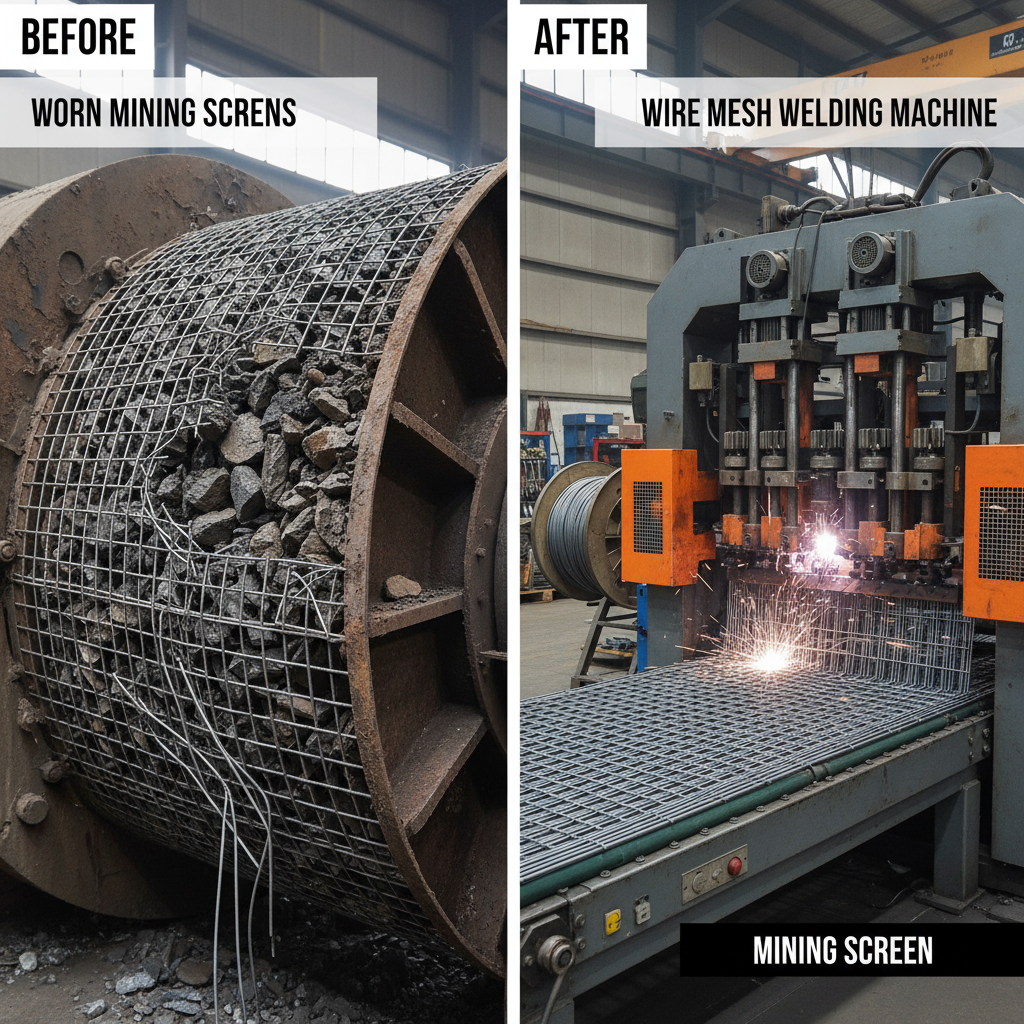
- Mining and Aggregates Industry: Separating ores from slurries or removing unwanted rocks to protect crushers.
- Agriculture and Irrigation: Preventing blockages in canals and sprinkler systems full of organic matter.
For instance, in post-disaster regions hit by flooding, portable rod screens have been deployed as temporary filtration units to keep emergency water treatment going under tough conditions. They’re favored because of their simple mechanics and ease of assembly.
Mini Takeaway:
Rod screens play a quiet but indispensable role worldwide, helping industries and communities maintain vital operations. Their diversity of use shows just how universal good screening solutions must be.
Rod Screen Product Specifications
| Specification | Typical Value | Remarks |
|---|---|---|
| Rod Material | Stainless Steel (316L, 316Ti) | Corrosion Resistant |
| Rod Diameter | 6 mm to 25 mm | Depends on flow and solids type |
| Rod Spacing (Clear Opening) | 3 mm to 50 mm | Customizable per client needs |
| Screen Width | 500 mm to 6,000 mm | Project specific |
| Flow Rate Capacity | Up to 10 m³/s | Varies by installation |
| Cleaning System | Manual / Automatic rake | Optional upgrades |
Comparing Leading Rod Screen Vendors
| Vendor | Customization | Price Range | Lead Time | After-Sales Support |
|---|---|---|---|---|
| MutoScreen | High (materials, spacing, size) | $$$ | 4–6 weeks | Dedicated technical service |
| ClearFlow Screens | Medium (standard options) | $$ | 3–4 weeks | Limited onsite support |
| HydroTech | Low (catalog models) | $ | 2 weeks | Warranty only |
Advantages and Long-Term Value of Rod Screens
Beyond their clear industrial purpose, rod screens bring benefits that resonate logically and emotionally:
- Cost Efficiency: By preventing clogging and protecting equipment, they reduce maintenance and downtime costs.
- Sustainability: Facilitating effective screening helps prevent environmental pollution and supports recycling of solids.
- Reliability: Simple mechanics mean fewer breakdowns and consistent performance under harsh conditions.
- Social Impact: Keeping water treatment flowing contributes directly to improved public health and safety.
It's funny how something as straightforward as rods in a frame can underpin so much trust in critical infrastructure.
Future Trends in Rod Screen Technology
The future is leaning into automation and sustainability. Increased integration of sensors and IoT enables monitoring rod screen clogging levels in real time, allowing for predictive maintenance rather than reactive fixes. Materials development is also exciting—lightweight composites with corrosion resistance could reduce weight and boost lifespan.
On the green front, combined systems incorporating solar-powered cleaning units and smart flow controls promise to make rod screens even more eco-friendly in the years ahead.
Common Challenges and Innovative Solutions
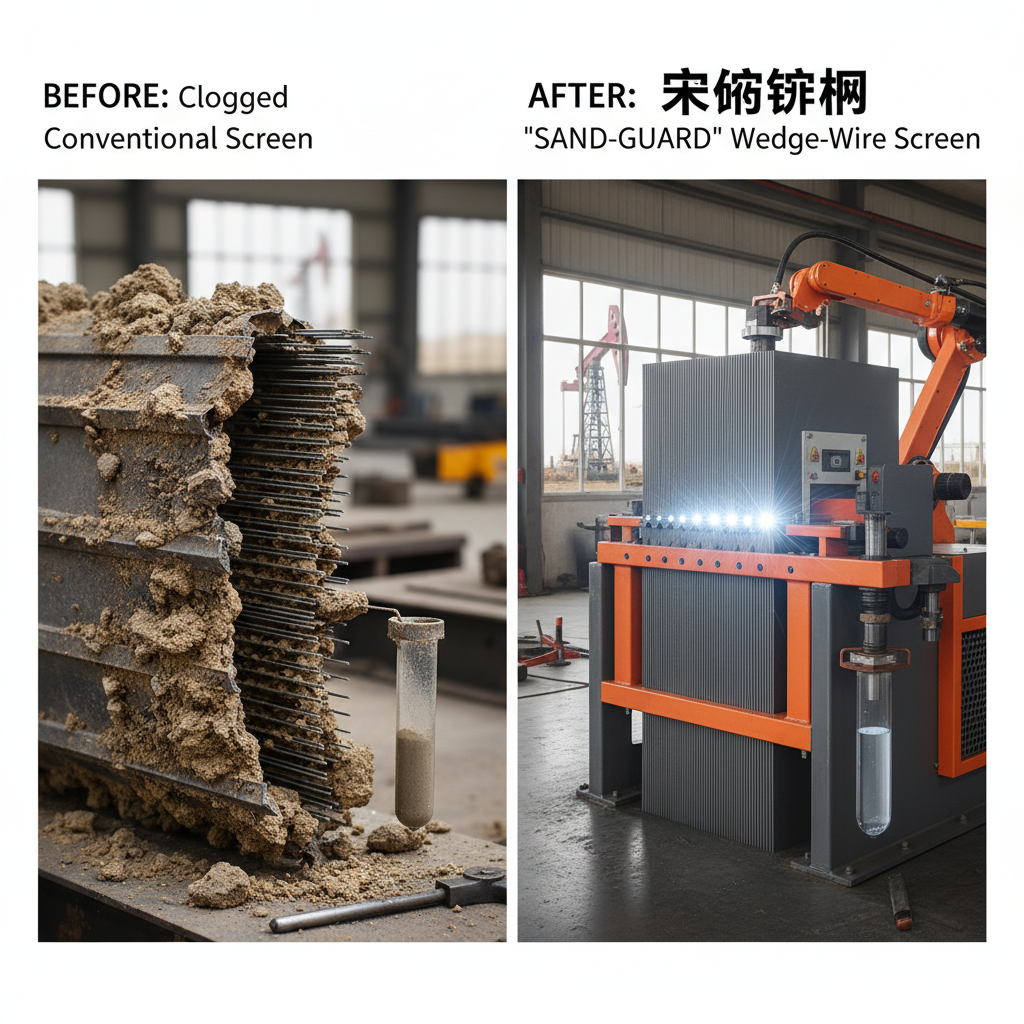
Of course, no tech is perfect. Rod screens sometimes suffer from clogging or overload during peak flows, and harsh environments can lead to material degradation despite the best alloys. Accessibility for cleaning in large installations can be a headache as well.
Companies now experiment with self-cleaning coatings that reduce biofilm buildup, and hybrid designs that marry rod screens with pre-treatment steps to relieve load. Consulting with experienced vendors to tailor solutions often proves the best risk-mitigation approach.
FAQ: Frequently Asked Questions About Rod Screens
Q1: How do I choose the right rod spacing for my application?
Rod spacing depends mainly on the size of solids you want to filter out. For wastewater with small debris, spacing around 3–6 mm is common. Industrial processes handling larger materials might use wider gaps, up to 50 mm. Always consider maintenance frequency and clogging risk when choosing.
Q2: Are rod screens suitable for automated cleaning?
Yes. Many rod screen designs can include automated cleaning systems such as mechanical rakes or brushes. This reduces manual labor and improves uptime, especially in larger or remote installations.
Q3: What materials are best for rod screen durability?
Stainless steel variants (like 316L or 316Ti) are industry standards for corrosion resistance and strength. For even harsher environments, some vendors offer exotic alloys or coated rods to resist abrasion and biofouling.
Q4: Can rod screens be customized for specific industries?
Absolutely. Customization extends from rod diameter and spacing to frame size and cleaning mechanism, allowing rod screens to fit everything from municipal plants to mining operations precisely.
Q5: How easy is it to import rod screens internationally?
Most manufacturers assist with international shipping and documentation. Compliance with local standards (like ISO or ASTM) is key, and working with experienced vendors can simplify the import process.
Conclusion: Why Rod Screens Remain a Backbone of Screening Technology
In the end, rod screens represent a union of simplicity and sophistication. They tackle a very basic problem—keeping solids out of machinery and waterways—but do so in a way that impacts operational efficiency, sustainability, and global water management initiatives. I’d say if you want a sturdy, proven screening option that’s globally trusted, rod screens deserve your attention.
Want to stay ahead with efficient rod screen solutions? Check out the latest innovations—and custom options—available at MutoScreen.