Understanding Perforated Screens: Why They Matter in Today’s Global Industry
If you’ve ever paused to look at a decorative panel on a building, a speaker grill, or even the ventilation cover on an industrial machine, chances are you’ve encountered a perforated screen. They may seem like simple, patterned sheets, but these screens play outsized roles in various industries across the world—from architecture to manufacturing, from filtering machinery exhaust to sound control in auditoriums. Why should we care? Because perforated screens provide a clever blend of function and design, solving problems like airflow, light diffusion, and efficiency in ways that matter globally. Their significance only grows as global industries push towards sustainability, safety, and smarter material usage. Perforated screens offer tangible benefits such as durability, energy efficiency, and cost-effectiveness, making them an unsung hero in modern engineering and design. ---The Global Context: Why Perforated Screens Are Essential Worldwide
The international industrial landscape is evolving quickly. According to the ISO’s recent studies on materials sustainability, industries are seeking solutions that optimize resource use while minimizing environmental impact. Perforated screens fit neatly into these goals. For instance, Asia-Pacific’s booming manufacturing sectors increasingly use advanced perforated materials for ventilation and filtration systems—systems critical to worker safety and equipment longevity. Meanwhile, the European Union’s green building initiatives encourage façade materials that balance aesthetics with energy conservation; perforated aluminum or steel panels are a rising favorite there. However, challenges persist. Many industries struggle with balancing material strength and airflow or light transmission, especially in harsh environments. Perforated screens address this by offering tailored hole sizes and patterns designed to specific standards (ISO 9044, if you’re curious). ---A Quick Takeaway:
- Perforated screens help industries align with global sustainability and safety trends.
- Their adaptability suits diverse environments and evolving regulations worldwide.
Defining Perforated Screens: More Than Just Holes in Metal
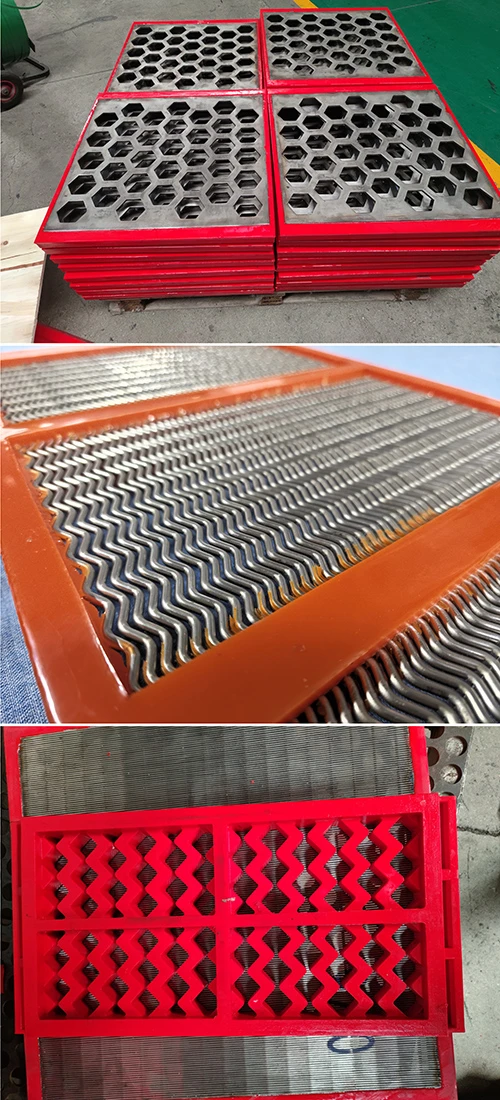
At its core, a perforated screen is simply a sheet of material, typically metal or plastic, that has been mechanically punched or stamped to create a pattern of holes. But it’s not just “holey sheet metal.” These screens are carefully engineered with specific hole sizes, shapes (round, square, slotted), and spacing (pitch) to achieve various functions. In modern industries, they’re used to improve ventilation, reduce noise, filter liquids or gases, and even support aesthetic designs in architecture. For humanitarian uses, for example in disaster relief shelters, perforated screens can optimize airflow while maintaining privacy and security—crucial in hot climates or crowded camps. ---Mini Takeaway:
- Perforated screens are precision-engineered materials designed for function and form.
- They serve both industrial requirements and humanitarian needs.
Key Aspects of Perforated Screens Explained
Durability and Material Strength
Perforated screens often endure heavy-use conditions—from industrial dust to outdoor weathering. Materials like stainless steel, aluminum, and galvanized steel are chosen for corrosion resistance and strength. Oddly enough, the perforation pattern itself can enhance structural integrity by distributing stress.Customization and Scalability
One of the great things about perforated screens is how customizable they are. Hole size, shape, open area percentage, and sheet thickness can all be tweaked—meaning you can scale a small speaker grill design up to a massive architectural façade or a protective industrial guard rail.Cost Efficiency
Cost tends to fall when manufacturers can optimize the amount of raw material used without compromising function. Perforated screens reduce weight (thus material use) while maintaining strength. That means less shipping cost and easier installation, both huge wins on large-scale projects.Environmental Sustainability
Many industries use recycled metals as the base for these screens. Their ability to improve natural ventilation or solar shading can boost building energy efficiency, leading to lower carbon footprints.Functional Versatility
Ventilation, filtration, acoustic control, and decorative cladding—these are all within the toolkit of perforated screens, showing just how versatile they really are. ---Perforated Screens Around the World: Diverse Applications
In the USA, aerospace plants rely on perforated metal screens for filtration systems that protect high-precision tools from dust and particle contamination. Flip to India and you’ll find these materials in agricultural equipment, filtering debris from harvested grains. In Northern Europe, architectural firms use finely designed perforated aluminum panels on high-rise exteriors, reducing heat gain while adding texture to facades—sometimes even integrating LEDs behind the screens for visual impact. Meanwhile, humanitarian organizations working in tropical Africa use portable shelters lined with perforated panels to keep airflow strong while shielding occupants from insects and sun. ---Example Case:
In 2022, a post-disaster relief mission in the Philippines implemented perforated screen panels in modular shelters, cutting down heat stress complaints by 40% while preserving user privacy. It was a small innovation but appreciated in a big way. ---The Long-Term Advantages of Using Perforated Screens
Perforated screens tick many boxes: - Cost Savings: Less material used, lighter weight, easier installation means reduced project costs. - Sustainability: Promotes natural airflow and daylighting, reducing HVAC demands. - Social Impact: Enhances safety and comfort in workplaces and living spaces. - Innovation: Allows complex designs without losing function—think futuristic, yet practical. - Trust & Reliability: Many engineers swear by their reliability across harsh conditions. It’s not just about economics; it’s about delivering solutions that last, that honestly improve everyday life. ---Emerging Trends and Innovations
Material science is key here. Recent advances include perforated screens made with composite materials combining metal with polymers, which improve flexibility and reduce noise vibration. 3D printing is beginning to enable ultra-custom perforated designs with complex geometries impossible to achieve by traditional punching. Green energy initiatives drive demand for perforated solar panels that temper light intensity while allowing airflow, boosting photovoltaic efficiency and lifespan. Automation and digital design tools let engineers simulate airflow and acoustics before production—making the product development cycle faster and smarter. ---Challenges and How Innovations Are Tackling Them
Despite all the benefits, perforated screens face these hurdles: - Clogging: Small holes can trap dust or debris, requiring cleaning. - Material Fatigue: Repeated stress cycles can weaken some designs over long periods. - Standardization: The vast variety creates supply chain issues for some niche specs. Innovations like self-cleaning coatings, fatigue-resistant alloys, and modular panel systems aim to overcome these. Plus, ongoing development of international standards (e.g., ISO 13679 for perforated panels) helps unify quality expectations. ---Frequently Asked Questions About Perforated Screens
Q1: What industries benefit most from perforated screens?A: Quite a few—construction, automotive, aerospace, agriculture, and even consumer electronics. Each uses different perforation designs tailored to their needs, from ventilation to filtration to decoration. Q2: How do perforated screens enhance building energy efficiency?
A: By controlling solar heat gain while allowing natural airflow, they reduce the dependency on artificial cooling. This can cut energy use by up to 20% in some climates. Q3: Can perforated screens be used in humid or corrosive environments?
A: Yes, especially if made from stainless steel or coated metals. These materials resist rust and degradation, extending service life even in tough conditions. Q4: Are perforated screens easy to customize?
A: Absolutely. Patterns, hole sizes, sheet thickness, and materials are all adjustable, so tailored solutions for any scale are quite straightforward. Q5: How do I choose the right perforated screen for industrial filtration?
A: Consider particle size to filter, air or fluid flow requirements, material compatibility, and maintenance needs. Suppliers often provide sample testing or simulation tools to help decide. ---
Product Specification Table: Typical Perforated Screen Details
| Parameter | Typical Range | Notes |
|---|---|---|
| Material | Stainless steel, Aluminum, Galvanized steel | Depends on application environment |
| Sheet Thickness | 0.5mm - 3mm | Thicker for heavy-duty uses |
| Hole Diameter | 0.5mm - 25mm | Customizable as per airflow/filter needs |
| Open Area % | 10% - 80% | Balance of strength and permeability |
| Pattern Types | Round, Square, Slotted, Custom | Varies by function and aesthetics |
Vendor Comparison Table: Choosing the Right Supplier
| Supplier | Material Range | Customization Options | Lead Time | Global Reach |
|---|---|---|---|---|
| MutoScreen | Steel, Aluminum, Composite | Full pattern & material customization | 4-6 weeks | Worldwide including remote zones |
| Global Perforating Co. | Steel & Aluminum only | Standard hole shapes, limited customization | 6-8 weeks | North America & Europe |
| EcoScreen Solutions | Recycled metals & bio-polymers | Medium customization with sustainability focus | 5-7 weeks | EU and Asia Pacific |