Understanding the Punch Plate: Why It Matters in a Global Context
At first glance, a punch plate might sound like some obscure mechanical part or a vintage form of amusement — but it's actually a cornerstone component in many industries worldwide. Whether you're in manufacturing, construction, or even humanitarian aid logistics, the punch plate plays a surprisingly vital role.
Its global significance comes down to reliability, safety, and efficiency. With supply chains everywhere under pressure, and infrastructure demands rising, knowing the ins and outs of punch plates helps professionals design stronger, safer, and longer-lasting assemblies.
Mini takeaway: The punch plate is more than just a metal slab — it symbolizes practical engineering solutions that support industries from high-tech factories to disaster relief.
Why Punch Plates Are Integral to Modern Industry
The global construction and mechanical industries value punch plates because they improve structural integrity and simplify assembly. According to the International Organization for Standardization (ISO), components like punch plates contribute to safer, more consistent manufacturing processes (ISO 9001:2015).
Also, the UN’s report on sustainable infrastructure highlights the need for durable components that reduce waste and downtime. Here’s where punch plates shine, especially in sectors where repairs or failure mean costly delays or risk to lives.
For example, in industrial zones across Asia and Africa, punch plates support quick-turnaround assembly lines that power growth and jobs. At the same time, aid organizations rely on modular housing that uses punch plates to speed up deployment during emergencies.
What Exactly Is a Punch Plate?
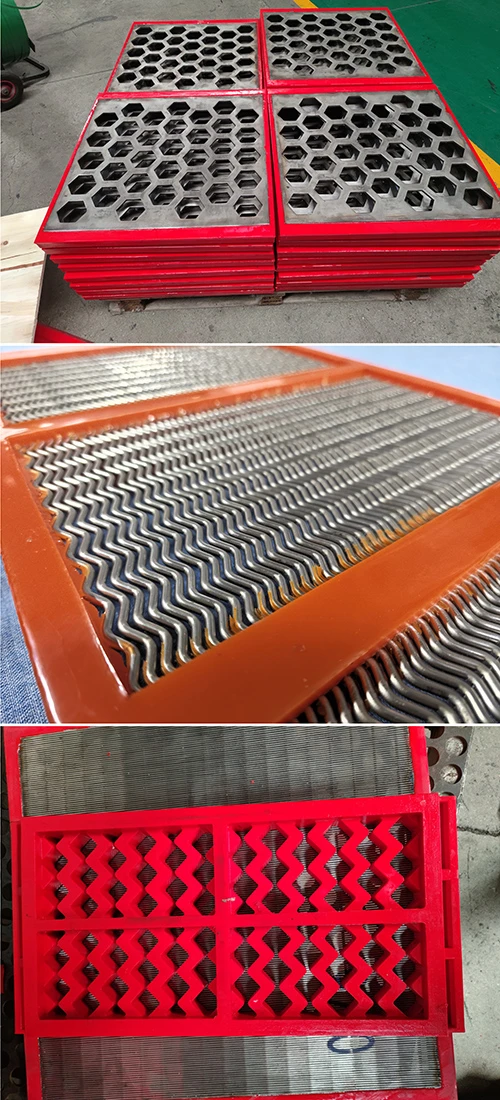
In simple terms, a punch plate is a metal sheet, often steel or aluminum, reinforced with stamped holes or cut-outs, designed to enable specific attachments, alignments, or ventilation within a structure. It acts as both a mounting surface and a protective layer.
Think of it like the unsung hero behind machinery panels or modular building frames. Without punch plates, aligning parts or securing fixtures with precision would be much messier and prone to error.
Oddly enough, despite sounding industrial, punch plates connect to even humanitarian workflows — like crucial components in shelter assembly kits that need to be lightweight, strong, and easy to handle by non-expert users in disaster-stricken areas.
Key Features & Components of Punch Plates
1. Durability
Punch plates are typically constructed from metals treated to resist corrosion, abrasion, and heavy impact — think galvanized steel or anodized aluminum. This means they last longer in harsh environments, whether on factory floors or outdoor construction sites.
2. Precision & Scalability
Manufacturers rely on CNC machining and laser cutting to create exact hole patterns that line up perfectly every time. This precision facilitates mass production without sacrificing fit or finish — a must for modular designs where speed and reliability matter.
3. Cost Efficiency
One might assume that precision metal components like punch plates would break budgets, but when sourced and designed well, they keep costs manageable — mainly due to reduced assembly time and fewer errors during builds.
4. Customization
The demand for specialized hole configurations or added features like ventilation patterns means punch plates are rarely one-size-fits-all. Suppliers often collaborate closely with clients to customize thickness, hole diameter, and coatings.
5. Safety & Compliance
Depending on the industry, punch plates must meet strict standards—like fire resistance or load-bearing thresholds. Quality assurance processes include stress testing and conformity certifications to ensure compliance.
Mini takeaway: The punch plate’s success story is all about balancing robustness with precision – it’s kind of the backbone for building fast and solid.
Real-World Uses: From Factories to Emergency Shelters
- Manufacturing Lines: In automotive and electronics factories, punch plates provide reliable mounting points for sensors, wires, and safety guards.
- Construction: Many modular housing systems use punch plates to join structural panels quickly, enabling fast on-site assembly.
- Disaster Relief: Humanitarian organizations deploy shelters built with punch plate-reinforced frames, making transport lighter and construction simpler in chaotic conditions.
- Renewable Energy: Solar panel frames often incorporate punch plates for secure fixing and durability, even under harsh weather.
One story I often hear from engineers working in sub-Saharan Africa involves field installations where punch plates allowed non-specialist volunteers to assemble emergency shelters rapidly—something traditional methods didn’t allow without heavy tools and training.
Advantages & Long-Term Value You Should Know
The benefits of using punch plates go beyond just structural support:
- Cost Savings: Easier assembly means less labor expense and fewer delays.
- Sustainability: Long lifespan and recyclability of metals reduce environmental impact.
- Safety & Dignity: In humanitarian contexts, providing quick shelter protects not just people but also their sense of security and privacy.
- Trust in Innovation: The materials and design reflect ongoing tech advances, giving users confidence that systems won’t fail unexpectedly.
From my experience, the emotional value here shouldn’t be overlooked—when people feel safe and trust their environment, the social fabric becomes stronger, whether it’s a factory worker or a displaced family.
Looking Forward: Emerging Trends in Punch Plate Use
In the near future, punch plates could see major shifts due to:
- Advanced Materials: Lightweight composites and antimicrobial coatings could emerge, especially post-COVID, where hygiene matters more.
- Digital Fabrication: 3D metal printing might allow ultra-complex punch plate designs personalized per project.
- Eco-conscious Manufacturing: Renewable energy-powered factories and zero-waste, closed-loop recycling systems could redefine “standard”.
- Smart Integration: Embedding sensors inside punch plates for real-time structural health monitoring.
These innovations may transform simple punch plates into multifunctional components — all while keeping the basics intact.
Challenges Facing Punch Plate Deployment—and How They’re Tackled
Despite the advantages, there are some hurdles:
- Supply Chain Disruptions: Raw metal shortages require innovation in sourcing or material alternatives.
- Customization Costs: Tailoring punch plates can add lead time and complexity.
- Durability in Extreme Conditions: Some environments still challenge traditional metal treatments.
Solutions I've noticed include modular designs that allow a few standard punch plate sizes to fit multiple applications, and advanced coatings that extend life significantly—plus close vendor collaboration to anticipate future needs.
Product Specifications at a Glance
| Specification | Standard Model | Heavy Duty Model |
|---|---|---|
| Material | Galvanized Steel | Stainless Steel 316 |
| Thickness | 3 mm | 6 mm |
| Hole Diameter Range | 5–15 mm | 10–25 mm |
| Coating | Zinc Plating | Powder Coated |
| Typical Weight (per m²) | 7.8 kg | 15.4 kg |
Vendor Comparison: Finding the Right Punch Plate Supplier
| Feature | MutoScreen | SteelWorks Ltd. | Global Components Co. |
|---|---|---|---|
| Customization Options | Extensive (custom patterns, coatings) | Moderate (standard sizes) | Limited (catalog-only) |
| Lead Times | 2–3 weeks | 4–6 weeks | 3–5 weeks |
| Pricing | Competitive | Higher | Budget |
| Global Shipping | Yes | Limited | Yes |
| Customer Support | 24/7 Technical | Business Hours | Email Only |
FAQ: Common Questions About Punch Plates
What are punch plates primarily used for in construction?
Punch plates provide mounting points and structural reinforcement for components like panels and fixtures, helping modular builds go up faster and more reliably. They help align and secure parts with precision that traditional welding or bolting sometimes struggles to deliver.
How customizable are punch plates?
Quite customizable! Depending on the supplier, you can tailor hole sizes, patterns, thickness, and even coatings to suit specific project needs. This flexibility allows punch plates to be applied across diverse industries.
Are punch plates durable enough for outdoor use in harsh conditions?
Yes. When made from materials like galvanized or stainless steel, and treated with protective coatings, punch plates can withstand corrosion, extreme temperatures, and mechanical stress, making them suitable for long-term outdoor applications.
Can punch plates help speed up emergency shelter assembly?
Definitely. Their modular nature and ease of installation mean non-expert teams can rapidly deploy shelter frames, improving response times in disaster zones where every minute counts.
Is sourcing punch plates globally challenging?
It can be, especially with supply chain disruptions. However, many global suppliers, including punch plate manufacturers, now offer international shipping and customization to accommodate diverse client needs.
A Brief Reflection on the Punch Plate’s Role
It’s interesting to me how a small piece of metal with patterned holes manages to touch so many lives — from factory workers assembling car doors to families setting up tents after a storm. The humble punch plate carries forward the relentless push for progress: more speed, durability, and adaptability baked into engineering solutions.
As we look toward greener, smarter, and more automated futures, components like these will keep quietly evolving beneath the surface, holding together the structures — and sometimes hopes — of communities worldwide.
Resources I often revisit when digging into steel components and global manufacturing standards include:
For further details and tailored punch plate solutions, visit our site here: punch plate.