Understanding Perforated Mesh: A Global Perspective
Perforated mesh might sound like just another industrial material at first glance, but its impact is mighty. In a world leaning towards sustainability, efficiency, and innovative design, the role of perforated mesh stands out like a well-cut gem. Fundamentally, it’s a sheet—typically metal or plastic—with regular holes punched through it. This design offers functionality that’s invaluable across industries: from air and light filtration to architectural facades, and even humanitarian relief. Globally, the adoption of perforated mesh solutions is growing because they strike that rare balance between strength and breathability, cost efficiency, and sustainability.
Why does that matter globally? Well, industries and governments strive to cut waste, optimize energy use, and implement resilient infrastructure. And here, perforated mesh isn’t just a humble material but a crucial enabler, helping build smarter, greener, and safer systems worldwide.
A Broader Look: Why the World Needs Perforated Mesh
To appreciate how widespread and relevant perforated mesh truly is, consider some stats from global trade and manufacturing data. The International Organization for Standardization (ISO) reports steady growth in industrial mesh production, tied closely to construction and automotive sectors, which alone represent a multi-billion dollar segment. Meanwhile, organizations like the United Nations emphasize sustainable infrastructure as a key pillar for future development goals—where airflow, natural light, and environmental control meshes brilliantly with what perforated mesh supplies.
But here’s the rub: many industries face challenges in balancing openness with protection, flow with security. Ever walked past a noisy construction site and wondered how barriers manage airflow yet block debris? That’s a challenge perforated mesh addresses neatly.
What Exactly Is Perforated Mesh?
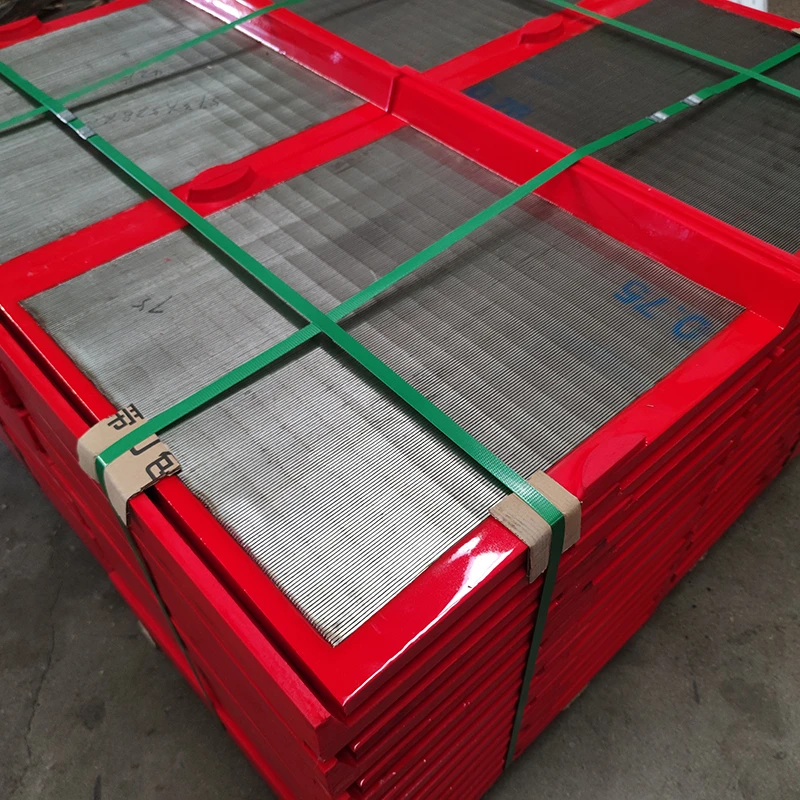
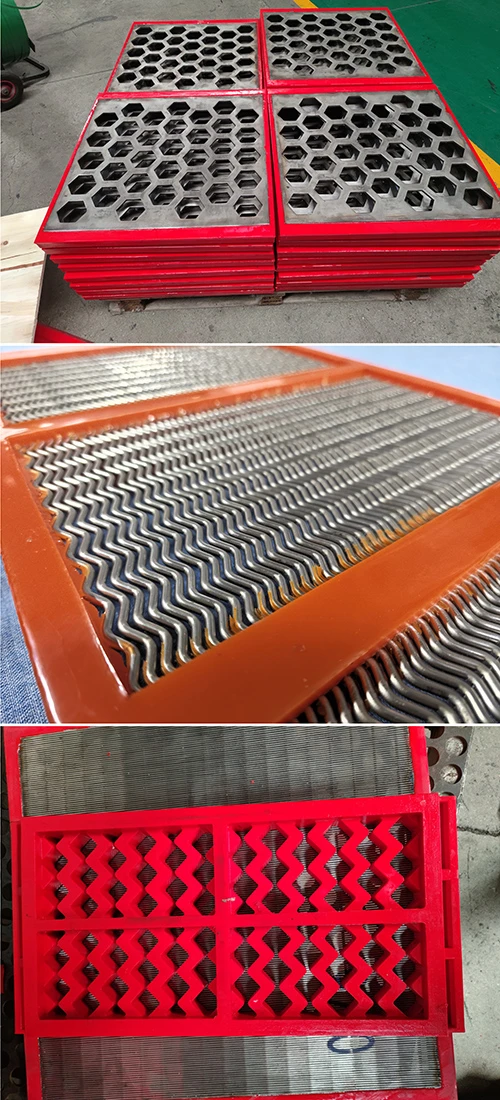
Simply put, perforated mesh is a sheet material—most often metal, though plastics or composites come into play—that contains a uniform array of holes, punched or drilled through. The size, shape, and pattern of these holes define the mesh’s characteristics. Imagine a cheese grater or colander but purpose-engineered at scale and precision for light diffusion, sound control, filtration, or protection.
Its industrial significance is vast. For example, ventilation panels in equipment housings rely on it to keep components cool. In humanitarian settings, such as refugee camps, perforated mesh is increasingly used in modular, ventilated shelters, ensuring airflow while providing security and durability. So, it’s really a wonderful meeting point of utility and design, bridging the needs of modern engineering and the urgent demands of social development.
Key Factors Behind Perforated Mesh’s Popularity
1. Durability and Material Choices
Whether stainless steel, aluminum, or a tough polymer, durability is paramount. You want mesh that withstands weather, wear, and sometimes harsh chemicals. This resilience is why it’s favored in industrial zones and extreme climates alike.
2. Scalability in Design
The ability to tailor hole size, shape, and sheet thickness means designs scale from microscopic filters to massive architectural panels. Need something lightweight for a drone casing or heavy-duty for factory walls? Perforated mesh can be crafted accordingly.
3. Cost Efficiency
Compared to solid sheets, perforated mesh uses less raw material while maintaining structural integrity. That translates to savings in weight, shipping, and material costs. Plus, it supports passive cooling, which can reduce energy expenses long term.
4. Sustainability and Environmental Impact
Reduced material usage means less waste and a smaller carbon footprint during production. Plus, many manufacturers recycle scrap metal efficiently. The mesh’s potential for natural ventilation and daylight penetration aligns with green building standards.
5. Versatility for Different Applications
From automotive grills to soundproofing panels, the variations are endless. That versatility underpins the widespread use and constant innovation surrounding perforated mesh products.
Mini Takeaway: Perforated mesh is not mere ‘metal with holes’ but a carefully engineered solution balancing durability, adaptability, and eco-consciousness — a trifecta that makes it invaluable for industries worldwide.
Real-World Applications You Might Not Expect
Globally, the use cases for perforated mesh are both broad and fascinating:
- Architecture: Facades and sunscreens that offer shade while maintaining airflow and aesthetics in urban environments.
- Industrial Filtration: Factories depend on mesh to filter dust, debris, and liquid contaminants efficiently.
- Public Safety: Anti-climb barriers and ventilation grates help maintain security without compromising airflow or visibility.
- Humanitarian Aid: In refugee settlements, modular shelters use perforated mesh panels to improve ventilation—vital for limiting heat stress and respiratory illnesses.
- Automotive: Radiator grilles and speaker covers rely on both protection and airflow balanced by mesh design.
Regions like Southeast Asia and Africa, where climate drives the need for breathable yet robust building materials, have adopted perforated mesh extensively in both commercial and emergency setups. Meanwhile, industries in North America and Europe innovate with high-tech alloys and custom perforation patterns suited to their specialized needs.
Advantages & Long-Term Value: More Than Meets the Eye
Here’s where emotional appeal blends with business logic. Using perforated mesh can:
- Lower Costs: Lightweight, efficient materials mean lower transport and installation costs.
- Enhance Sustainability: Less material consumption and improved environmental controls inside buildings or equipment.
- Improve Safety & Dignity: Think of better ventilated shelters that feel less confining — a simple comfort that matters.
- Promote Innovation: Customizable shapes and patterns allow designers and engineers to reimagine products and spaces.
All that adds up to trust. People want materials that last, perform, and align with green initiatives. Perforated mesh fits that bill well.
Emerging Trends & Future Innovations
Looking ahead, perforated mesh is not sitting still. Innovations include:
- Smart Materials: Mesh embedded with sensors to monitor environmental conditions.
- Eco-Friendly Coatings: Anti-corrosive, self-cleaning, or made from bio-based materials for longer life and sustainability.
- Automated Manufacturing: Advanced CNC and laser perforation techniques allow for intricate patterns previously impossible.
- Integration with Green Building: Mesh used as part of integrated solar shading devices or green walls.
Challenges & Their Clever Solutions
No story is complete without addressing issues:
- Corrosion Risk: Especially in marine or industrial atmospheres, metal mesh can deteriorate. Solution? Advanced coatings or switching to aluminum and composites.
- Customization Costs: High specificity can raise initial costs. Mitigated by modular design and bulk production.
- Structural Limitations: Large openings might compromise strength; engineers address this by optimizing hole geometry.
Engineers and designers regularly collaborate to tailor these factors, balancing function with cost and design constraints.
Product Specification Table
| Specification | Typical Range | Notes |
|---|---|---|
| Material | Stainless steel, Aluminum, PVC, Composite | Depending on application environment |
| Hole Size | 0.5 mm – 50 mm | Customizable for filtration or shading |
| Thickness | 0.3 mm – 6 mm | Balances weight and strength |
| Open Area Ratio | 10% – 75% | Controls airflow and visibility |
| Standard Sheet Size | 1000 mm x 2000 mm (custom sizes available) | Varies by manufacturer and use |
Vendor Comparison at a Glance
| Feature | Vendor A | Vendor B | Vendor C |
|---|---|---|---|
| Material Options | Steel, Aluminum | PVC, Composite | Steel, Aluminum, Custom alloys |
| Customization | High precision CNC | Standardized patterns | Laser-cut custom jobs |
| Lead Time | 4 weeks | 2 weeks | 3 weeks |
| Eco Certification | ISO 14001 Certified | Pending | ISO 14001 & LEED |
| Typical Industries Served | Automotive, Construction | Agriculture, Retail | Architecture, Aerospace |
FAQs: Your Questions About Perforated Mesh Answered
Q1: What factors determine the best hole size for perforated mesh in ventilation?
A1: The ideal hole size balances airflow requirements with protection against debris. Small holes block more particles but reduce ventilation. Designers evaluate environmental factors like dust levels and airflow needs, often targeting an open area ratio between 20% and 50% for optimal performance.
Q2: How resistant is perforated mesh to corrosion in marine environments?
A2: Standard steel mesh may degrade quickly near saltwater, but stainless steel or aluminum alloys with special coatings significantly improve resistance. Regular maintenance and using corrosion inhibitors further extend mesh lifespan in salty or humid zones.
Q3: Can perforated mesh be recycled after use?
A3: Yes, most metal-based perforated mesh is recyclable. Facilities recover scrap metal efficiently, which reduces environmental impact. Recyclability depends on the material type; polymers or composites may require specialized recycling streams.
Q4: How does perforated mesh impact energy consumption in buildings?
A4: By enabling natural ventilation and daylight penetration, perforated mesh can reduce reliance on artificial cooling and lighting. This directly lowers energy consumption and aligns with sustainable building certifications like LEED.
Q5: Is custom perforated mesh significantly more expensive than standard sizes?
A5: Customization usually increases upfront costs due to tooling and precision manufacturing needs. However, bulk orders and modular designs can mitigate these price differences significantly. The long-term benefits often justify the investment.
Wrapping It Up: Why Perforated Mesh Matters
Ultimately, perforated mesh is a quietly powerful material, bridging high-tech engineering with practical needs across the globe. Its benefits ripple through improved airflow, reduced costs, increased sustainability, and greater design freedom. If you want to explore how perforated mesh can fit your specific demands—whether for industrial, architectural, or humanitarian projects, check out perforated mesh solutions that combine quality with innovation. There really is a mesh design for everyone.
References:
1. Wikipedia - Perforated Metal
2. ISO 14001 Environmental Management
3. UN Sustainable Infrastructure