Perforated Panel: The Unsung Hero of Modern Industry
At first glance, a perforated panel might seem like nothing more than a sheet of metal or plastic with holes punched through it. But dive deeper, and you’ll find it’s a component with surprisingly broad impact—from industrial filtration to architectural aesthetics, to environmental sustainability. As the world grapples with increasingly complex challenges in construction, manufacturing, and beyond, understanding the role of perforated panels becomes downright essential.
Why does this matter globally? Because these panels contribute to reducing material waste, improving airflow and acoustics, and even enhancing safety in industrial settings. Their design flexibility means they are customized for different climates, industries, and use cases — a fine balance between utility, sustainability, and innovation.
Mini takeaway: Perforated panels are everywhere—underneath the surface, literally—and catching on as vital building blocks for practical problem-solving worldwide.
The Global Importance of Perforated Panels in Industry
Whether you’re in an engineering firm in Germany or a manufacturing plant in South Korea, perforated panels play a pivotal role. According to ISO standards on building materials and acoustic performance, these panels help control noise and dust in various environments, tackling occupational health concerns that affect millions. The World Bank estimates that industrial air quality improvements can boost worker productivity significantly, and components like perforated panels are part of that story.
Oddly enough, their introduction also responds to wider environmental regulations pushing for sustainable development. Companies face restrictions on emissions, noise pollution, and resource usage, and perforated panels are a silent but effective tool addressing those challenges. Plus, they help maximize ventilation without sacrificing security or structural integrity.
Mini takeaway: Perforated panels indirectly impact global health and sustainability goals by improving industrial environments.
What Exactly Is a Perforated Panel?
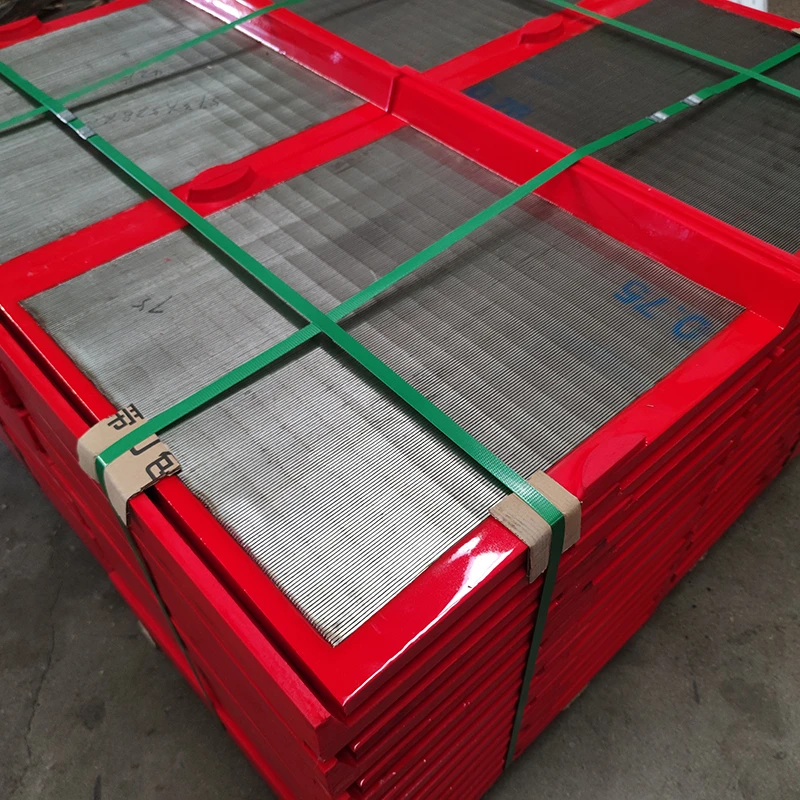
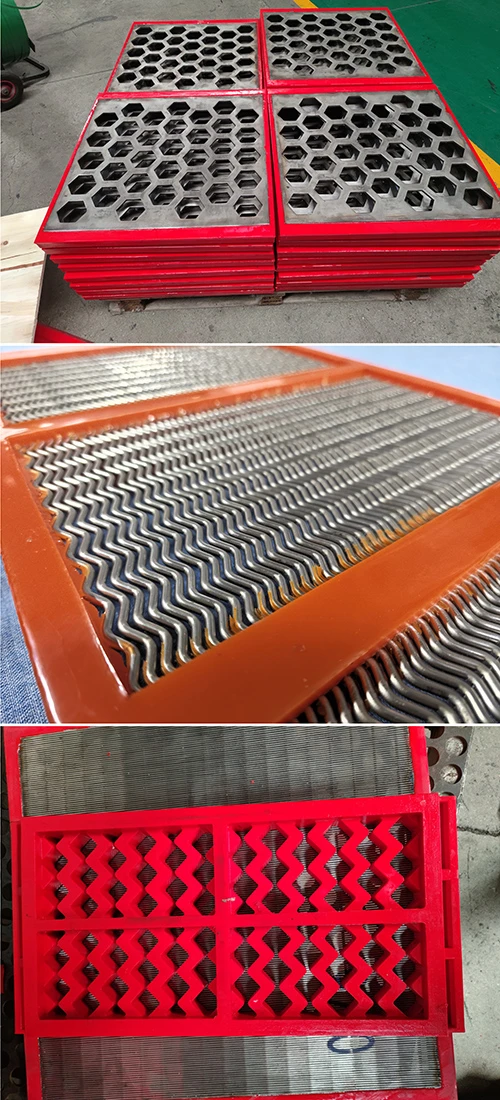
In simple terms, a perforated panel is a sheet — commonly metal, plastic, or composite — that has a pattern of holes or slots pressed into it. This pattern can vary widely: circular holes, slits, hexagons, according to the purpose it serves. The holes allow air, light, sound, or liquids to pass through while still offering a degree of protection or structural support.
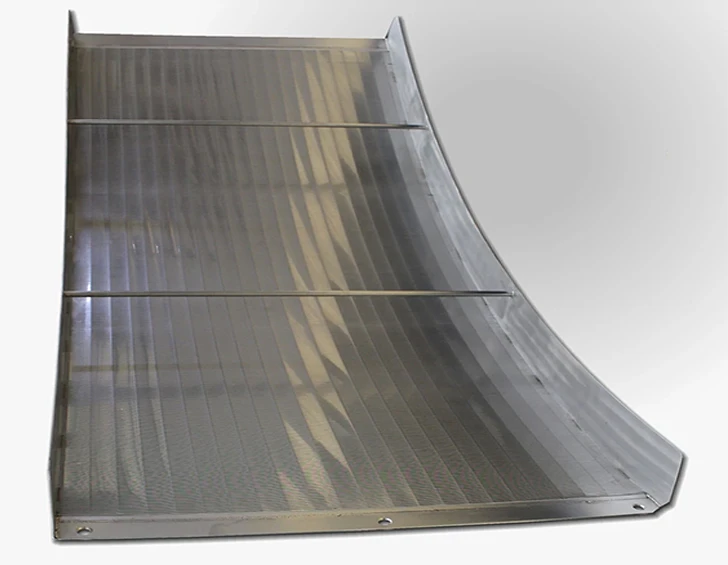
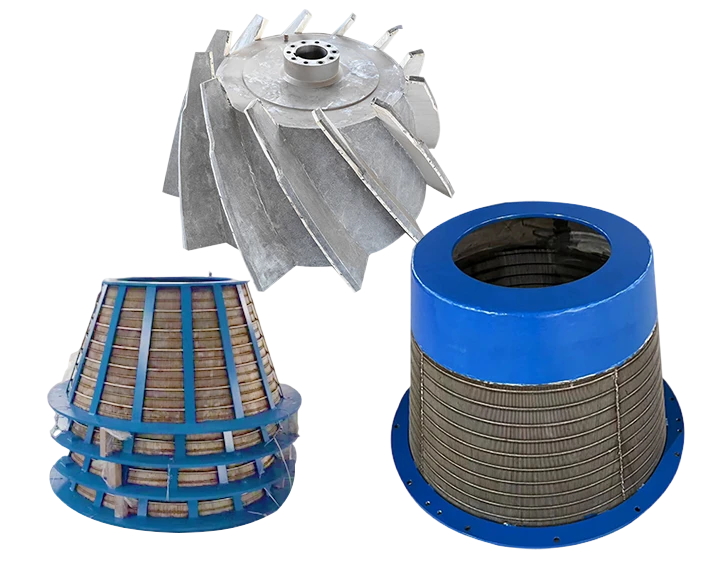
For industry, these panels often form parts of filtration systems, machine guards, architectural facades, or acoustic dampers. In humanitarian contexts, they make appearances in emergency shelters or portable partitions, where ventilation and weight matter as much as sturdiness.
Mini takeaway: It’s really a versatile design element — one sheet, many stories.
Key Components That Make Perforated Panels Work
Material Durability
Many engineers swear by stainless steel or aluminum for their panels because of corrosion resistance and life span — especially outdoors or in harsh industrial zones. Plastics, though lighter and sometimes cheaper, are less suited for heavy mechanical environments.
Perforation Pattern and Size
The size and shape of holes determine airflow rates, light diffusion, even sound reduction. A good pattern is often a balance between openness and strength. I noticed that some manufacturers offer custom laser-cut patterns, going beyond standard punches.
Weight and Scalability
A key selling point: perforated panels reduce weight compared to solid sheets, making them easier to install in large industrial settings or prefabs. That lightweight quality also translates to better fuel efficiency in automotive or aerospace contexts.
Cost Efficiency
While the complexity of perforation raises the price, the panels’ energy savings or durability often outpace upfront costs. It feels a bit like planting a tree — upfront effort, long-term gain.
Environmental Impact
Since the panels can be made from recycled materials and often improve energy flows (for example, in HVAC systems), they encourage sustainability. Some firms now certify their panels as green products following ISO 14001.
| Specification | Details |
|---|---|
| Material Options | Aluminum, Stainless Steel, Galvanized Steel, Polycarbonate |
| Common Hole Patterns | Round, Square, Hexagonal, Slotted |
| Panel Thickness | 0.5 – 5 mm (varies by material and application) |
| Open Area Percentage | 10% – 60% (balance between strength and permeability) |
| Standard Panel Sizes | 1,000 x 2,000 mm (custom sizes available) |
Real-World Uses of Perforated Panels Around the Globe
In the Middle East, for example, perforated facades provide shade for buildings, reducing cooling costs by naturally filtering sunlight. Meanwhile, in heavy industries across Europe, perforated panels guard machinery and workers by allowing ventilation while keeping hazards at bay.
Post-disaster scenarios are interesting cases. Red Cross teams have deployed modular shelters using perforated panels that improve air flow in humid climates, dramatically reducing heat stress. In Russia’s cold remote industrial zones, insulated panels with perforated layers strike a balance between warmth retention and ventilation.
Mini takeaway: Their adaptability is remarkable — almost every continent has found a special use for them.
The Hard Benefits and Soft Advantages
Sure, on paper, perforated panels boost airflow or reduce noise by measurable decibels — but beyond that, they foster workplace safety and comfort in ways that statistics only hint at. A factory worker noticing less dust and heat doesn’t just gain physical relief, but frankly, more peace of mind. Over months and years, this trust enhances productivity and loyalty.
Sustainability also ranks high. Compared to solid sheet metal, less raw material is needed, lowering embodied carbon. When responsibly sourced, perforated panels represent a small but powerful step toward greener manufacturing.
Spotting Future Trends in Perforated Panel Technology
Some companies are experimenting with biodegradable plastic panels, combining perforations with smart sensors to monitor airflow and temperature in real time. Others are exploring 3D-printed panels with complex micro-perforations impossible to create by traditional means.
The rise of digital twins in construction will likely integrate perforated panel data to optimize building ventilation automatically. Green energy initiatives are driving designs where panels cool solar arrays or wind turbines without obstructing airflow.
Obstacles and How Industry Is Tackling Them
One challenge is the tradeoff between structural strength and openness. Higher open area means weaker panels and potential safety risks. Firms are balancing this by layering panels or reinforcing edges. Customization costs can be steep for small buyers, but bulk orders and modular designs help lower barriers.
Corrosion remains a problem in coastal or chemically aggressive environments, yet advanced coatings and stainless steel variants are becoming more affordable, extending panel life without raising costs too much.
| Vendor | Material Range | Customization Options | Eco Certifications | Lead Time |
|---|---|---|---|---|
| MutoScreen | Aluminum, Stainless Steel, Polycarbonate | High (Laser & CNC Patterns) | ISO 14001 Certified | 2-3 weeks |
| EcoPanels Ltd. | Galvanized Steel, Aluminum | Medium | LEED Registered | 4-6 weeks |
| Global Perfs | Steel, Plastic | Standard | None | 1-2 weeks |
FAQ: Your Perforated Panel Questions Answered
Q1: How do I decide the right hole pattern for ventilation?
The choice depends on airflow needs versus the panel’s structural role. Openings between 20-40% typically balance ventilation with strength. Consider the environment (dust, moisture) as smaller holes can filter particles better. Consulting with engineers or suppliers like MutoScreen can help tailor specs.
Q2: Are perforated panels suitable for outdoor use in coastal areas?
Yes, but material choice is key. Stainless steel or coated aluminum resist corrosion better. Also, regular maintenance extends life. Manufacturers increasingly use special coatings designed to combat salt spray and humidity.
Q3: Can custom designs affect delivery times and costs significantly?
Definitely—laser-cut or unusual patterns can add manufacturing time and cost. Yet, many vendors offer modular templates to offset this. Planning and early ordering reduce surprises.
Q4: How do perforated panels improve energy efficiency?
By facilitating natural ventilation and shading, these panels reduce reliance on HVAC systems. This cuts energy consumption, lowers carbon footprint, and improves occupant comfort.
Q5: Is recycling perforated panels straightforward?
Mostly yes, especially metal panels, which can be melted down. Plastic panels vary depending on polymer type, so check with your supplier about recyclability.
Wrapping It Up — Why Perforated Panels Matter for the Long Haul
So, to sum things up: perforated panels might be simple in design but incredibly rich in impact. They tackle industrial challenges, contribute to greener buildings, enhance human safety, and keep evolving with new tech. For anyone involved in construction, manufacturing, or environmental design, they’re worth paying attention to.
Curious to explore customized options? Visit MutoScreen for panels that blend innovation with sustainability and craftsmanship. In the end, these sheets with holes punch way above their weight.
References:
1. Wikipedia - Perforated Metal
2. ISO 14001 Environmental Management
3. World Bank on Urban Air Quality