Understanding Perforated Screen Plate: Why It Matters Today
Perforated screen plate might not be on everyone's radar, but it's quietly everywhere—supporting industries, infrastructure, and even humanitarian efforts worldwide. In essence, these plates are metal sheets pierced with evenly spaced holes to filter, separate, or protect. From water treatment plants to factory conveyor systems, their use spans a surprising breadth of applications. Grasping why perforated screen plates matter globally means appreciating how they drive operational efficiency, environmental sustainability, and safety—often under tough conditions where reliable materials are indispensable.
The beauty is in the simplicity: a carefully engineered screen can save thousands in downtime, reduce waste, and ensure consistent quality. If you work in manufacturing, construction, or disaster relief, knowing your options for these versatile plates can make a huge difference.
The Global Context: Perforated Screen Plate’s Role in Modern Industry
According to ISO standards, perforated metal products—including screen plates—play a critical role in filtration and mechanical support systems worldwide. The World Bank reports that infrastructure projects leveraging these materials have grown steadily, especially in emerging economies investing in water purification and energy efficiency programs.
Yet challenges persist: uneven quality, material fatigue, and costly replacements often undermine long-term success. That’s where innovations in design and material science come into play, helping this humble component shoulder some pretty heavy responsibilities across continents. Oddly enough, a screen plate’s success often goes unnoticed—until it fails.
What Exactly Is a Perforated Screen Plate?
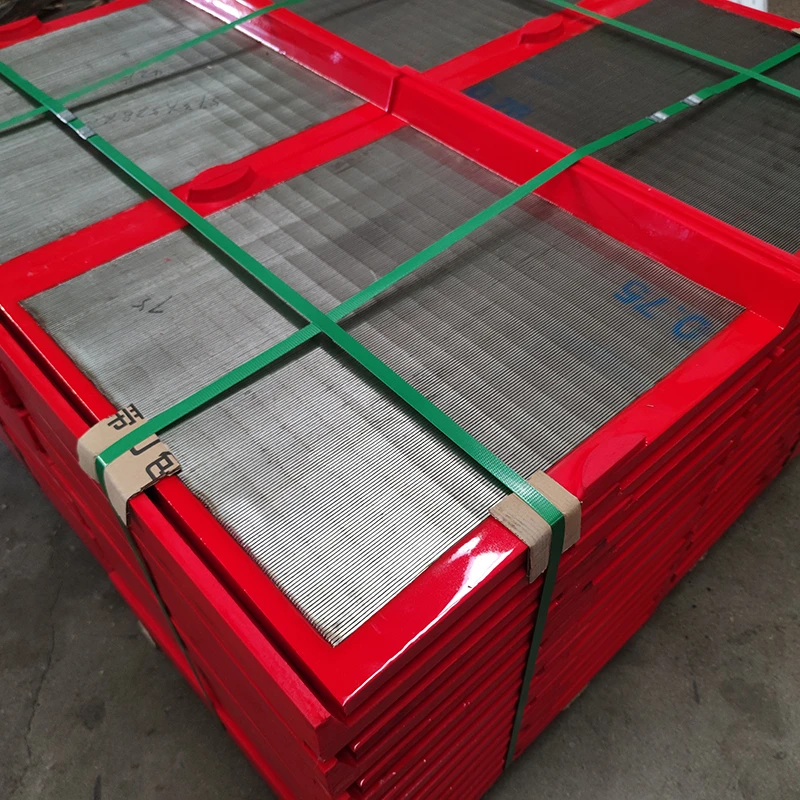
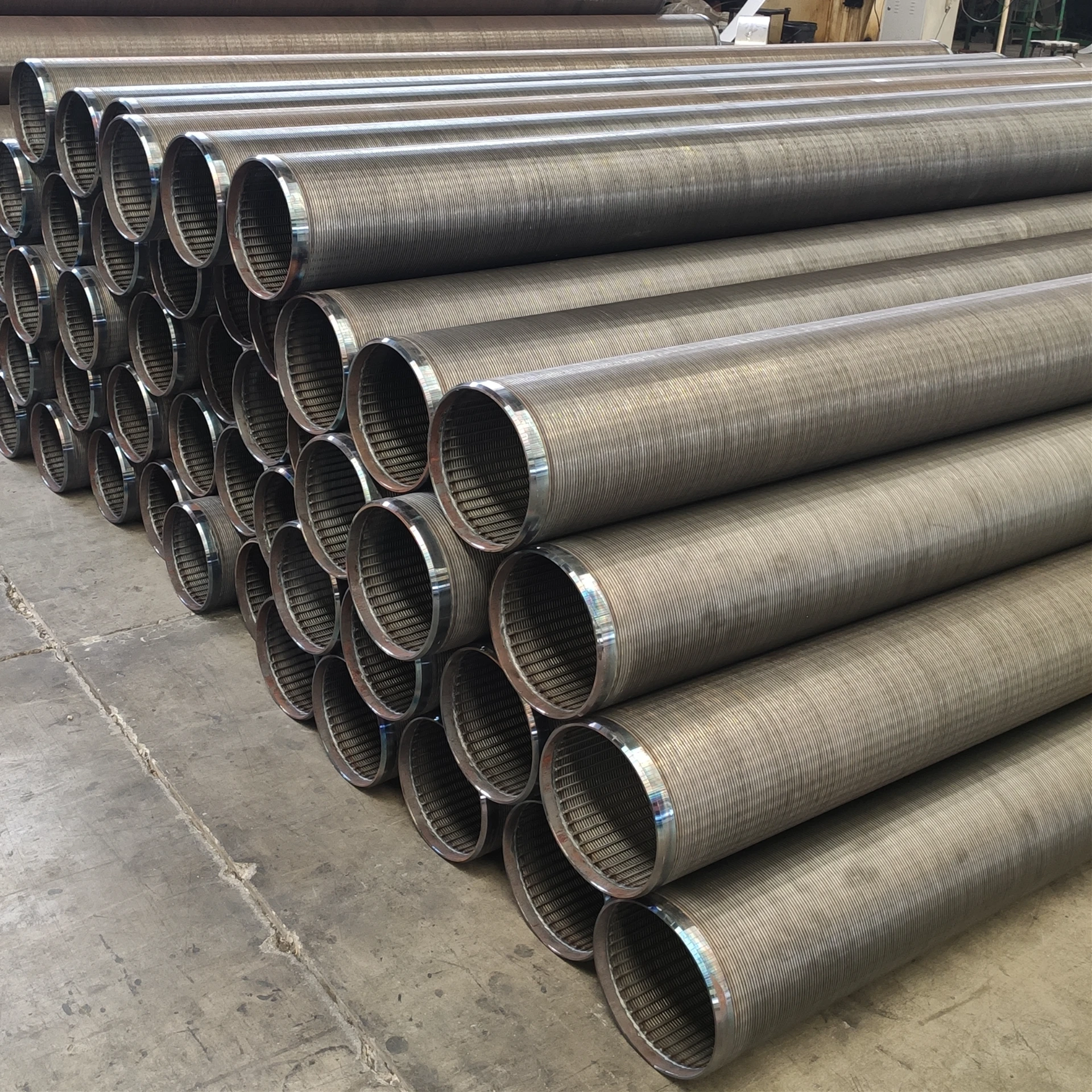
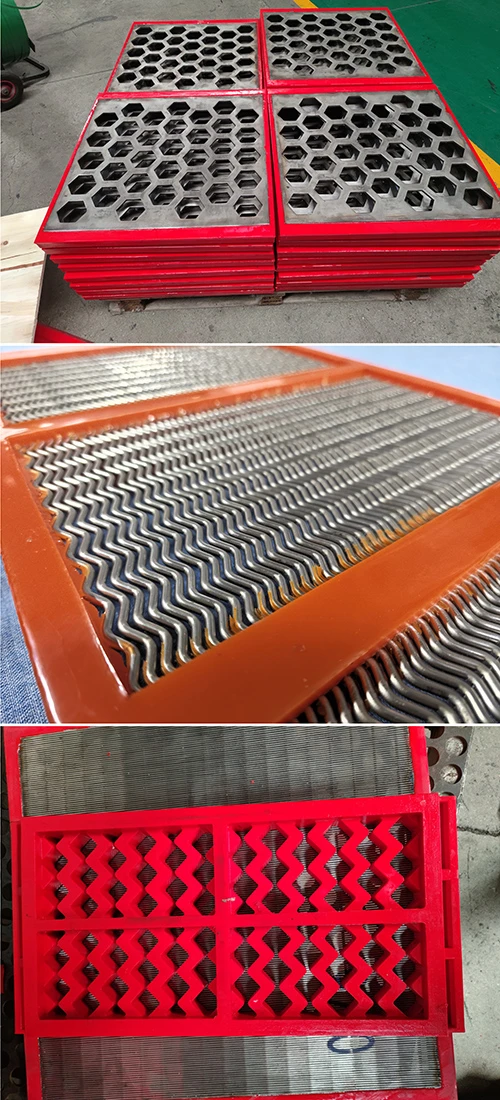
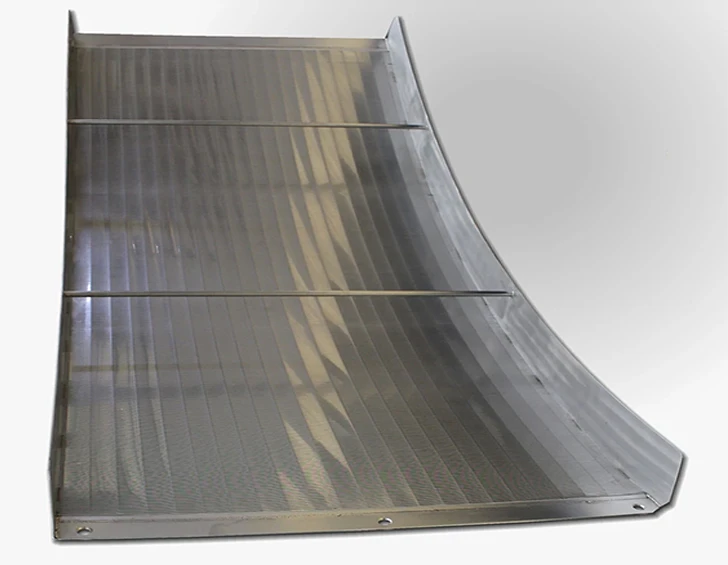
At its core, a perforated screen plate is a flat sheet—typically metal like stainless steel or aluminum—punched with a regular pattern of holes or slots. The pattern, size, and shape of these perforations are tailored to specific needs like particle size filtration, airflow control, or structural support.
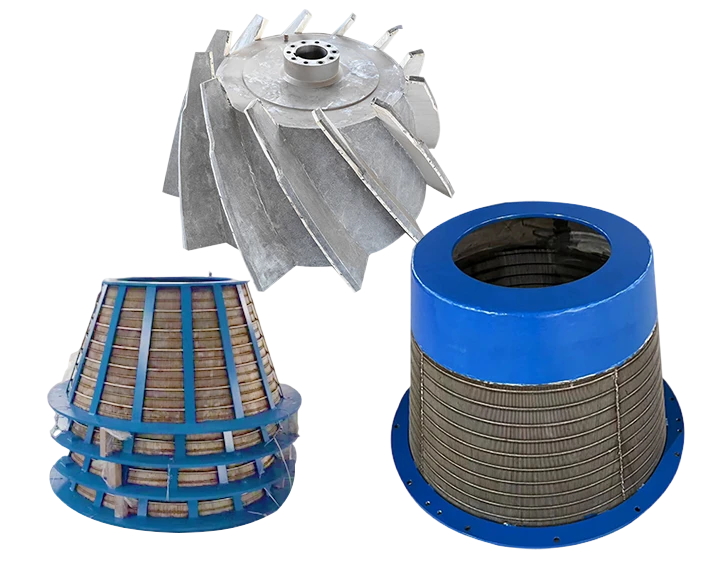
In industry terms, these plates act as sieves, guards, or diffusers. In humanitarian contexts, they might serve as key components in water purification systems or protective partitions. It’s this versatility that ties them closely to modern production demands and sustainable development goals alike.
Core Components and Key Factors
Durability and Material Choice
Perforated screen plates are exposed to harsh environments—corrosive chemicals in factories, outdoor weather, and mechanical stress. That’s why materials like galvanized steel or stainless steel are staples, offering corrosion resistance and lasting durability. Engineers often must balance cost with lifespan.
Precision and Customization
The hole size and pattern influence what the plate can filter or support. From round holes sized a millimeter or two to elongated slots, the customization options are broad. This precision ensures that the plate fits the exact industrial process, reducing waste or contamination.
Scalability and Integration
In production line setups or large-scale infrastructure, scalability is key. Modular perforated screen plates allow for easy replacement and upgrades without shutting down entire lines—a big win in cost-effectiveness and uptime.
Cost Efficiency
While the upfront price may seem higher than plain metal sheets, the overall lifecycle cost usually favors perforated plates. They lessen operational hiccups and improve filtration quality, saving money in the long run.
Environmental Impact and Sustainability
Many manufacturers now source recyclable metals and use eco-friendly processes. Moreover, effective filtering reduces pollution and resource consumption—small steps toward bigger sustainability goals.
Mini Takeaway: Perforated screen plates excel when durability and precision meet cost-efficiency, making them indispensable in modern industrial and humanitarian applications.
How Perforated Screen Plates Are Used Around the World
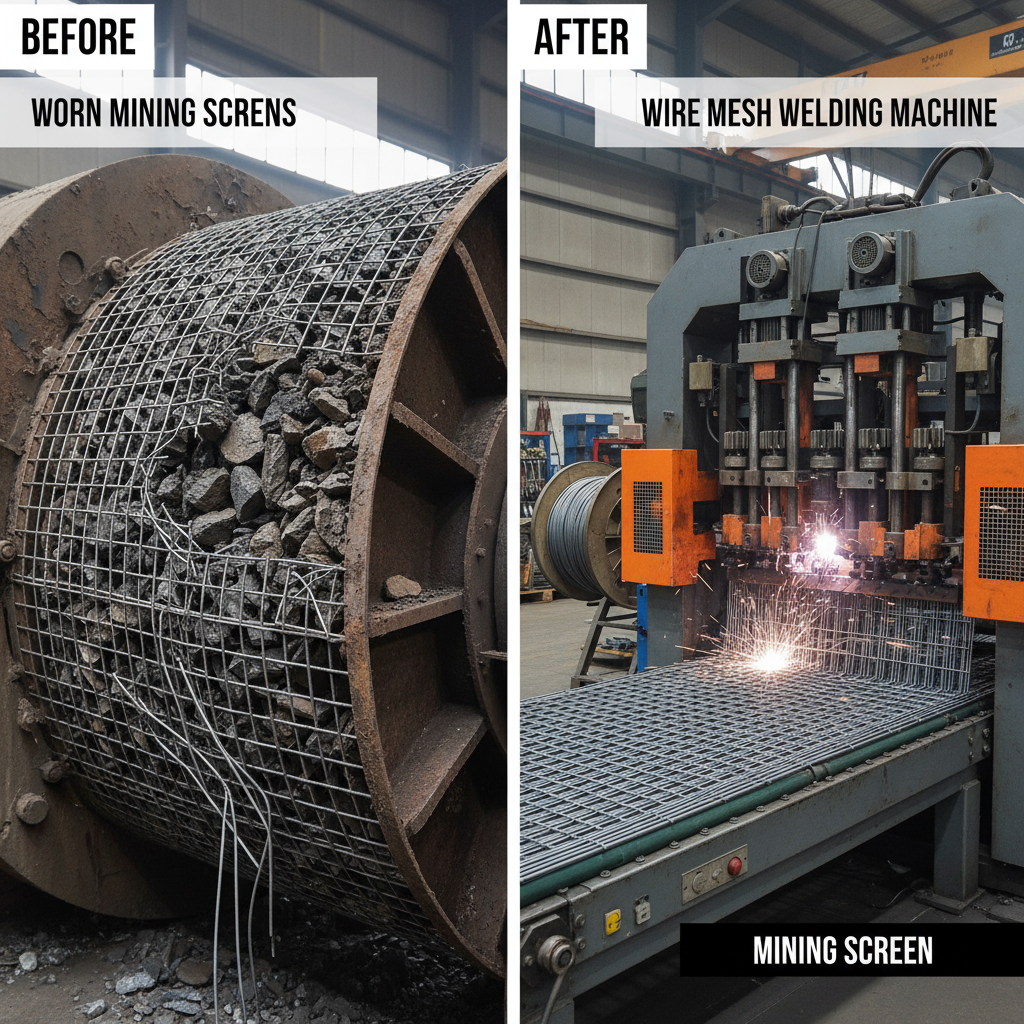
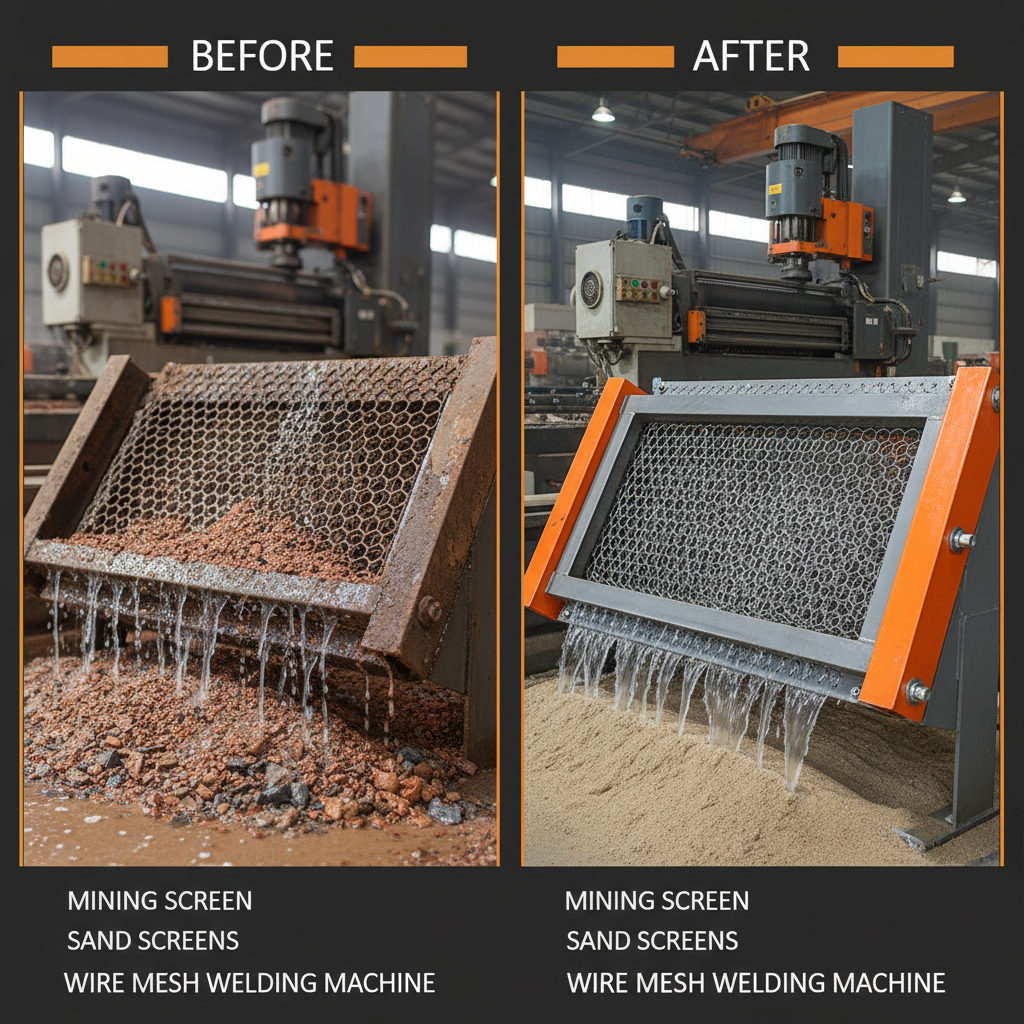
Globally, industries ranging from mining in Australia to wastewater treatment in Scandinavia rely heavily on these plates. Take post-disaster relief operations: portable water purification units often incorporate perforated screen plates to filter debris effectively. In remote industrial zones, their robustness enables reliable filtration where maintenance is sporadic.
The food processing industry, too, counts on them to sort grains or drain liquids safely. Even in architectural design, perforated plates provide sunlight diffusion and aesthetic cladding while offering functional protection.
| Specification | Common Values | Notes |
|---|---|---|
| Material | Stainless Steel 304/316, Aluminum, Galvanized Steel | Depends on corrosion resistance needs |
| Thickness | 0.5 mm – 10 mm | Customizable for strength requirements |
| Hole Diameter | 0.5 mm – 50 mm | Size determined by filtration needs |
| Open Area Percentage | 10% – 60% | Balancing airflow vs. strength |
The Long-Term Benefits of Choosing Perforated Screen Plate
- Cost Savings: Lower maintenance and replacement frequency.
- Sustainability: Reduced waste through better filtration performance.
- Safety & Reliability: Strong materials ensure structural integrity and operational safety.
- Social Impact: Vital in clean water access and safer industrial practices.
There’s an emotional dimension here that engineers sometimes talk about—knowing the system won’t fail when it matters. In that way, perforated screen plates not only protect processes but also people’s livelihoods and dignity.
What’s Next? Innovations Shaping the Future
The future points to smarter materials—think corrosion-resistant coatings, shape-memory alloys, and laser-perforated designs that maximize efficiency. Sustainability is front and center, with recycling programs and energy-saving processes gaining ground.
Additionally, integration of digital quality controls and automation in manufacturing means perforated screen plates are becoming more consistent and customizable. In an age where downtime can cripple companies, these advances are a game-changer.
Common Challenges and How Experts Are Solving Them
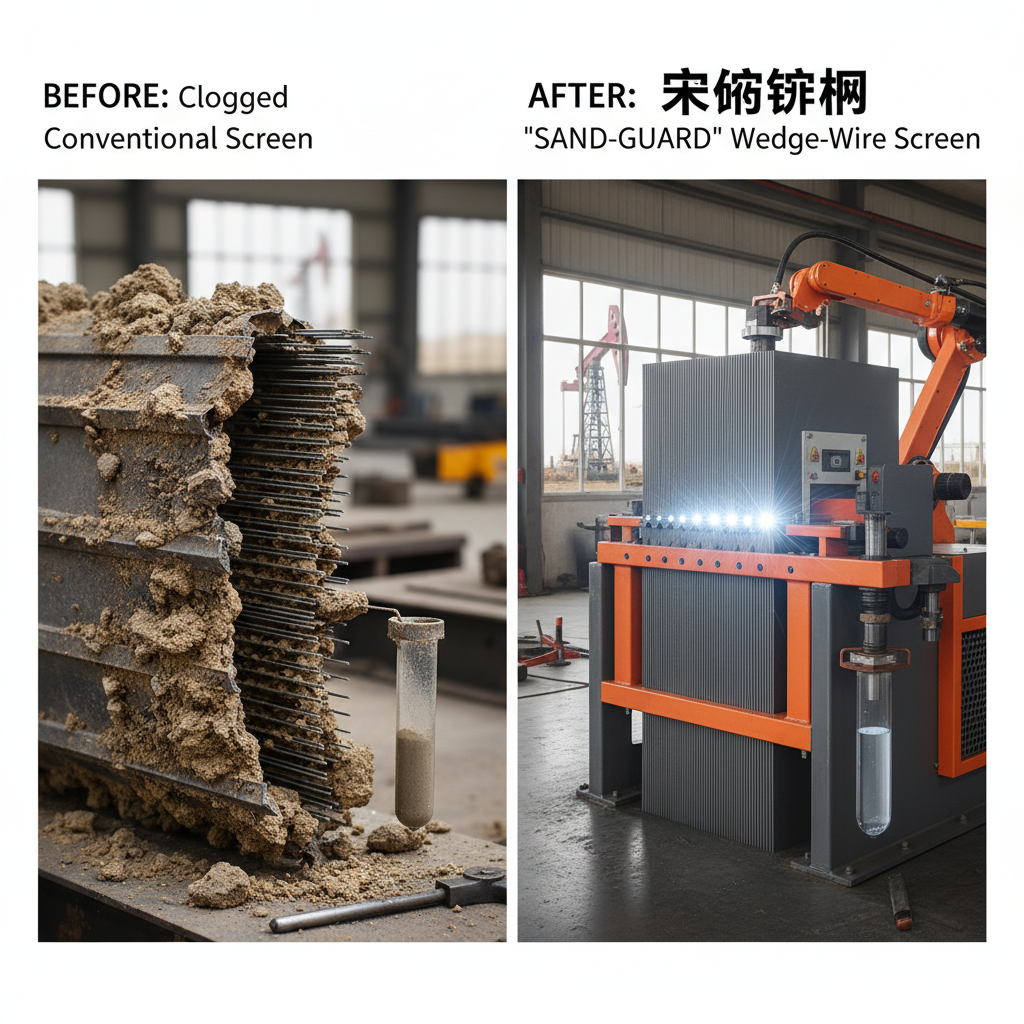
One frequent problem is clogging, especially in filtration-heavy uses. Solutions include anti-clog surface treatments and dynamic cleaning systems. Another challenge is balancing strength with permeability—too many or too large holes weaken the plate. Designers use computer simulations to find that sweet spot.
Cost can also deter smaller operations, but modular plates and leasing options increasingly make them accessible without heavy initial investments.
Vendor Comparison: Perforated Screen Plate Providers
| Vendor | Material Range | Customization | Lead Time | Notes |
|---|---|---|---|---|
| MutoScreen Industries | SS 304/316, Aluminum, Galvanized Steel | High (laser, custom patterns) | 2-3 weeks | Strong quality control, international shipping |
| Global Perforators | Steel, Aluminum, Copper | Medium (typical patterns) | 4-5 weeks | Widely available, competitive pricing |
| EcoPerforate Solutions | Recycled Steel & Aluminum | High (focus on eco-design) | 3-4 weeks | Sustainability-driven, smaller runs |
FAQ: Common Questions About Perforated Screen Plate
What industries benefit most from using perforated screen plates?
They’re widely used in water treatment, food processing, mining, chemical manufacturing, and construction. Basically, anywhere filtering, screening, or airflow control is critical.
How do I choose the right material for a perforated screen plate?
Consider environmental exposure—corrosive, wet, or high-temp conditions require stainless steel or treated metals. For lighter-duty or indoor uses, galvanized steel or aluminum may suffice.
Can these plates be custom-designed for unique projects?
Absolutely. Many vendors offer laser perforation and tailored hole patterns to match specific filtration or design needs.
How long does a typical perforated screen plate last in industrial use?
Lifespan depends on conditions but generally ranges from 5 to 15 years with proper maintenance, thanks especially to corrosion-resistant materials.
Are perforated screen plates eco-friendly?
Yes, particularly when made from recyclable metals and designed to improve filtering efficiency, reducing environmental waste.
Wrapping Up: The Long View on Perforated Screen Plates
In real terms, perforated screen plates are humble workhorses that quietly uphold many pillars of modern industry and infrastructure. Their adaptability, cost-effectiveness, and evolving innovations mean they’ll stay relevant for decades to come. If you haven’t considered them yet for your operation—or if you want to dive deeper into specs and sourcing—do visit our website at https://www.mutoscreen.com.
Because, frankly, sometimes the smallest holes make the biggest impact.
References:
1. ISO Standards on Perforated Metal Products, iso.org
2. World Bank Infrastructure Reports, worldbank.org
3. Perforated Metals - Wikipedia, en.wikipedia.org/wiki/Perforated_metal