Perforated Steel Panels: What They Are and Why They Matter Globally
If you’re anything like me, the term “perforated steel panels” might conjure images of industrial-style walls or fancy architectural accents. But behind those neat holes and metallic sheets lies a fascinating story of design, resilience, and adaptability that’s actually shaping industries worldwide. In simple terms, these panels are sheets of steel that have been mechanically punched or laser-cut with precise patterns of holes. Sounds straightforward, right? But the impact they have is anything but. Globally, perforated steel panels serve as unsung heroes—bridging structural strength with versatility in applications spanning construction, ventilation, safety barriers, and even humanitarian relief. According to global manufacturing reports, the demand for specialized steel products is expected to grow by roughly 5% annually over the next decade, with perforated variants taking a solid share. This growth highlights how vital these panels have become in addressing some of our world’s most pressing needs—from urban pollution control to rapid-deployment infrastructure in disaster areas. Mini Takeaway: At their core, perforated steel panels are more than just metal sheets with holes—they’re adaptable components essential to modern engineering and humanitarian solutions worldwide.The Big Picture: Why Are Perforated Steel Panels Important Today?
Steel production and fabrication remain global economic pillars. The World Steel Association notes that around 1.9 billion tonnes of crude steel were produced globally in recent years, underscoring steel’s significance to development. Perforated steel panels emerge as a smart material choice because they excel at handling two conflicting demands: strength and airflow/light passage. Consider urban environments: air pollution control devices often use perforated panels to filter particulate matter while allowing ventilation. Or take industrial sectors—perforated panels contribute to safer, more ergonomic machine guards without hindering visibility. Yet, the challenge of balancing durability with energy efficiency and cost can be tricky. That’s where perforated steel’s unique qualities come to the fore, helping industries innovate sustainable solutions while cutting operational expenses. Mini Takeaway: The global push for sustainability and safety makes perforated steel panels crucial, especially as industries face increased regulatory scrutiny and performance expectations.What Exactly Are Perforated Steel Panels?
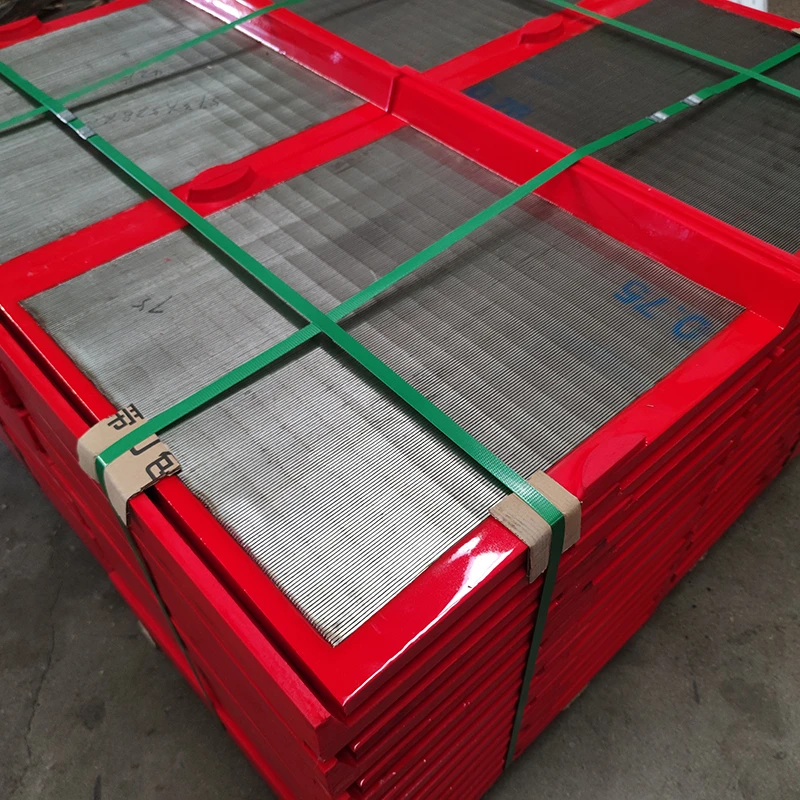
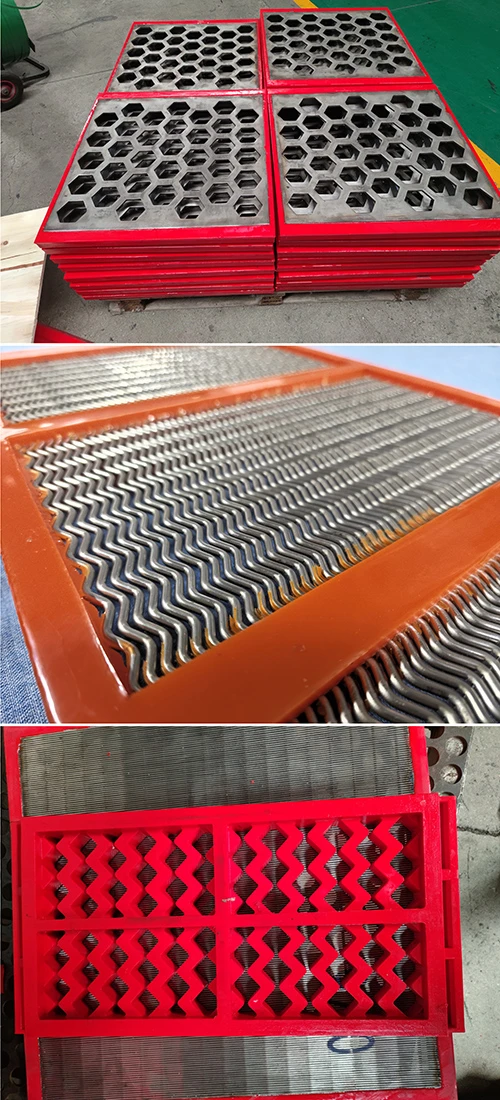
Let's break it down plainly. A perforated steel panel is a flat sheet of steel with a pattern of holes punched through it, often circular, square, or custom shapes depending on the task at hand. The holes reduce the weight of steel panels without significantly compromising strength. Besides aesthetics (yes, architects love them), these panels optimize airflow and sound absorption while acting as durable barriers. This balance is key in modern industry and humanitarian scenarios alike. For instance, emergency shelters or field hospitals often require materials easy to transport, with enough ventilation and robustness to withstand harsh environments. Perforated steel panels tick all these boxes, making them invaluable in quick deployment settings or long-term infrastructure. Mini Takeaway: At its essence, a perforated steel panel is a thoughtfully engineered sheet combining structural integrity, breathability, and visual design.Key Factors That Make Perforated Steel Panels Stand Out
Durability and Strength
Steel’s innate robustness is no secret. When perforated intelligently, these panels maintain impressive load-bearing capacities. Many engineers attest that perforated panels can withstand corrosion and wear, especially when coated or galvanized—perfect for outdoor or industrial use.Cost Efficiency
The material savings by ‘perforating’ steel reduce weight, which translates into lower shipping and handling costs. Plus, perforated panels often require less maintenance, making them a wallet-friendly long-term option.Ventilation and Energy Efficiency
The open-area percentage (how much of the panel is holes) can be customized for ideal airflow. This is vital for HVAC systems, sunshades, or sound-damping solutions, helping reduce energy consumption.Customization and Scalability
Thanks to CNC technology, hole patterns and panel sizes can be tailored exactly to project specifications. This flexibility is a huge plus in industries ranging from automotive to architecture.Sustainability
Steel is 100% recyclable, and many manufacturers use recycled scrap. Pair this with energy-saving benefits in applications, and these panels help firms meet sustainability targets. Mini Takeaway: It’s a blend of strength, flexibility, and eco-friendliness that makes perforated steel panels a versatile player across sectors.How Perforated Steel Panels Are Used Around the World
Their usage is global and growing. In Europe, they’re common in public transport stations and office buildings for ventilation and design aesthetics. In Asia, massive manufacturing plants rely on perforated steel for machinery guards and noise control. In humanitarian contexts, organizations deploy structures made with these panels for quick shelter after disasters. For example, post-earthquake relief in Southeast Asia saw modular housing units made partly from perforated steel panels—allowing airflow while keeping occupants safe. Industrial zones in Africa increasingly adopt perforated steel to build secure yet breathable enclosures—helping reduce heat buildup around machinery. Aviation and automotive sectors also leverage these panels to reduce weight and improve part cooling.| Specification | Details |
|---|---|
| Material | Cold-rolled steel, galvanized, stainless steel |
| Thickness Range | 0.5mm to 6mm |
| Hole Diameter | 1mm to 50mm (customizable) |
| Open Area Percentage | 10% to 70% |
| Panel Size | Up to 2.5m x 6m (custom sizes available) |
| Surface Finish | Powder-coated, anodized, painted, mill finish |
Advantages That Keep Them In Demand
Who could have thought a sheet of metal with holes could be so valuable? Long-term, these panels deliver: - Safety & Reliability: Providing durable barriers without blocking sight or airflow. - Cost Savings: Lightweight panels lead to shipping, installation, and maintenance efficiencies. - Sustainability: Steel’s recyclability pairs perfectly with modern green mandates. - Design Appeal: Architects love mixing form and function, creating visually striking facades or interior walls. - Social Impact: Their role in quick shelter solutions offers dignity and protection in crises. Frankly, the emotional peace of mind that comes with safety-first materials is underrated. Knowing your building or device has that added edge feels good.Where Are Perforated Steel Panels Headed?
Looking ahead, innovation is buzzing. Automation and digital fabrication techniques enable rapid customization and efficient use of raw material—waste gets slashed. Green certifications increasingly require lower embodied carbon, boosting recycled steel use. Integration of functional coatings that repel bacteria or particles is booming—especially in healthcare or food industries. Smart panels embedded with sensors for IoT monitoring? Yep, that’s on the horizon too. Finally, combining perforated steel with renewable energy tech—like solar panel mounting systems or wind deflectors—is a promising synergy for sustainable infrastructure growth.Addressing Challenges Head-On
Despite their many perks, perforated steel panels aren’t perfect. Corrosion, especially in harsh marine settings, can shorten panel lifespan if coatings fail. Also, if not designed properly, uneven hole patterns may compromise structural integrity. Experts advise thorough material testing, environmental accounting, and quality galvanization or powder coating to extend life. Modular design with ease of replacement also helps keep maintenance costs manageable. Mini Takeaway: While there are challenges, experienced manufacturers and engineers tackle them through smart design and quality control.FAQ: Your Perforated Steel Panels Questions Answered
Q1: How do I choose the right open area percentage for my perforated steel panel?A1: It depends on your needs for airflow, light passage, and strength. Higher open areas mean more ventilation but less structural rigidity. For HVAC or acoustic panels, 40-60% is common; for load-bearing walls, it might be 10-20%. Always consult with your fabricator to balance these factors for your specific application. Q2: Can perforated steel panels be used outdoors long-term?
A2: Absolutely. Panels galvanized or powder-coated can resist rust and weather for decades. Stainless steel variants last even longer but cost more. Regular inspection and maintenance extend their lifespan. Q3: Are perforated steel panels recyclable?
A3: Yes! Steel is 100% recyclable without quality loss. Using recycled steel reduces environmental impact, which adds to the sustainability credentials of these panels. Q4: How do suppliers handle customization?
A4: Most vendors use CNC punch presses or laser cutting for quick, precise hole patterns customized to your specs. Ordering sample panels before bulk production is advisable to confirm dimensions and quality. Q5: Can these panels support structural loads?
A5: They can support moderate loads, depending on thickness, hole size, and steel grade. However, for heavy structural needs, they’re typically part of composite systems rather than standalone load bearers.
Wrapping It Up: Why Perforated Steel Panels Are Here to Stay
In the end, perforated steel panels combine engineering finesse with practical versatility. Their global relevance—from sleek office buildings in Europe to disaster relief shelters in Asia—is a testament to their unmatched balance of strength, airflow, and sustainability. If you haven’t considered them for your next project, maybe it’s time. For a deep dive and tailored product info, perforated steel panels experts like the team at MutoScreen offer a great starting point. --- ### Vendor Comparison Table| Vendor | Material Options | Customization | Lead Time | Price Range | Sustainability Focus |
|---|---|---|---|---|---|
| MutoScreen | Cold-rolled, galvanized, stainless | High – CNC custom patterns & sizes | 2-3 weeks | Mid to premium | Uses recycled steel; eco coatings |
| SteelPanelCo | Hot-rolled, galvanized | Standard patterns; limited sizes | 4-6 weeks | Budget-friendly | Basic recycling programs |
| GlobalMetalWorks | Cold-rolled, stainless, aluminum | Custom cutting & finishing | 3-4 weeks | Mid to high-end | Focus on carbon footprint reduction |