Comprehensive Insights on Perforated Plate Screen – Industrial & Environmental Applications
Understanding Perforated Plate Screen: What It Is and Why It Matters Globally
If you’re working in any kind of industry that involves filtration, separation, or even architectural aesthetics, you might have come across the term perforated plate screen. It’s one of those deceptively simple solutions that quietly underpins a whole range of systems worldwide. In a nutshell, perforated plate screens are metal sheets punched with uniform holes or slots designed to filter, screen, or protect. Why does that matter globally? Well, whether it’s wastewater treatment plants in Europe, mining operations in Australia, or refugee camps relying on clean water filtration in Africa, these screens make a huge difference. They help keep processes efficient, protect machines and people, and ultimately improve quality of life. Understanding this component means appreciating a piece of the puzzle that supports cleaner, safer, and more sustainable systems across industries.
Global Relevance: A Small Tech with Big Impact
So why has the perforated plate screen gained such traction across sectors worldwide? According to recent reports by the United Nations and ISO standards organizations, industrial filtration markets are expected to grow annually by 5-7%, driven by stricter environmental regulation and a push for cleaner technologies. Yet, one of the biggest challenges industries face is balancing efficiency with sustainability — and that’s where perforated plate screens excel.
Consider water scarcity: The UN estimates that by 2025, 1.8 billion people will live in regions with absolute water scarcity. Screening solutions like perforated plates become critical in providing safe drinking water by removing contaminants early in treatment processes. Likewise, in manufacturing and mining, protecting equipment from debris while maintaining throughput is crucial to prevent costly downtime.
Frankly, it feels like perforated plate screens quietly address a global challenge — how to process, protect, and purify without adding complexity or hefty costs.
Defining the Perforated Plate Screen
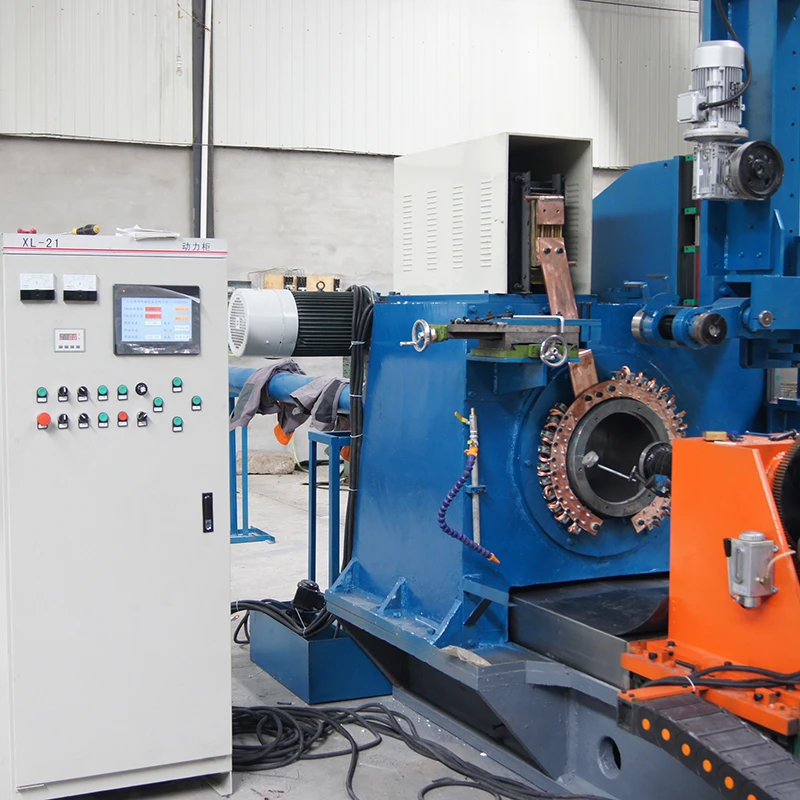
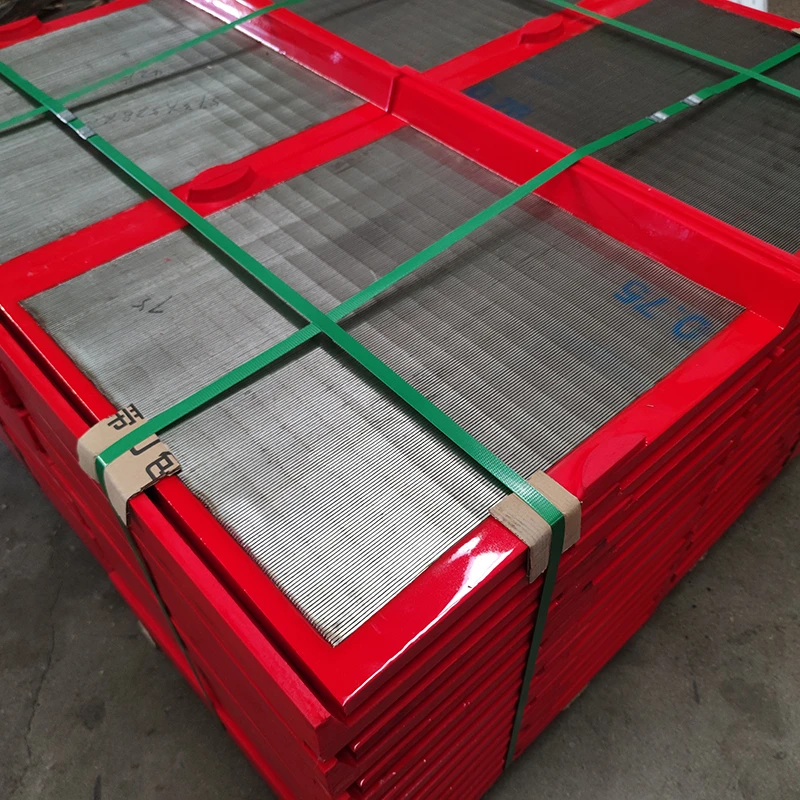
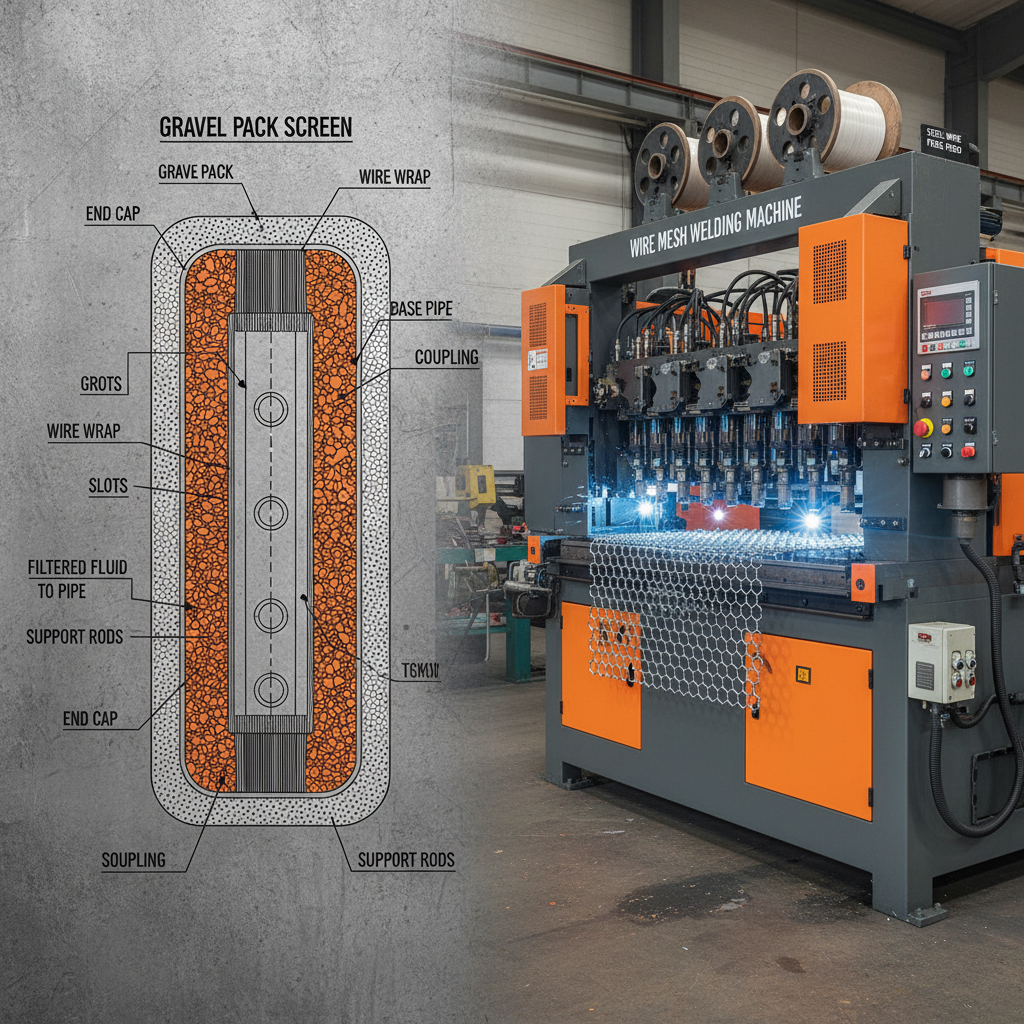
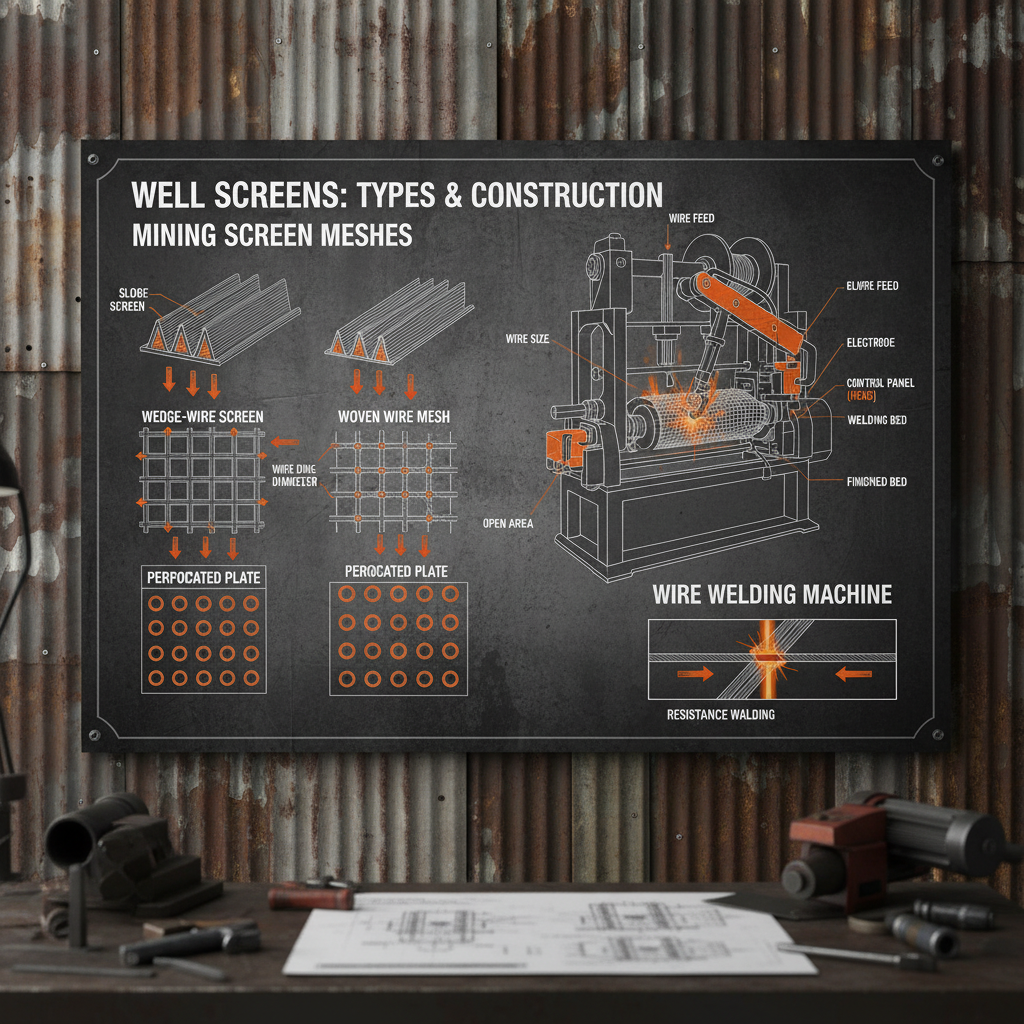
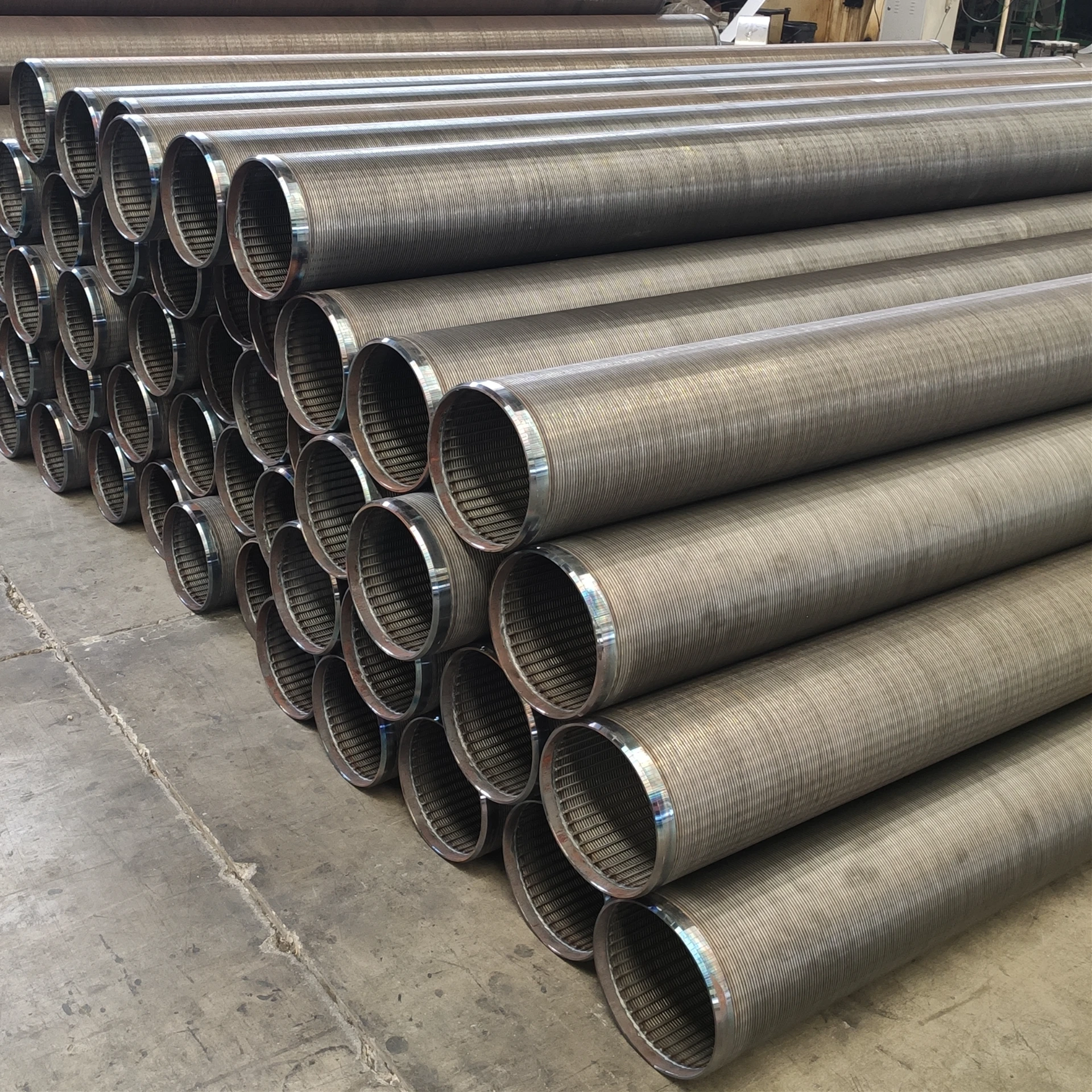
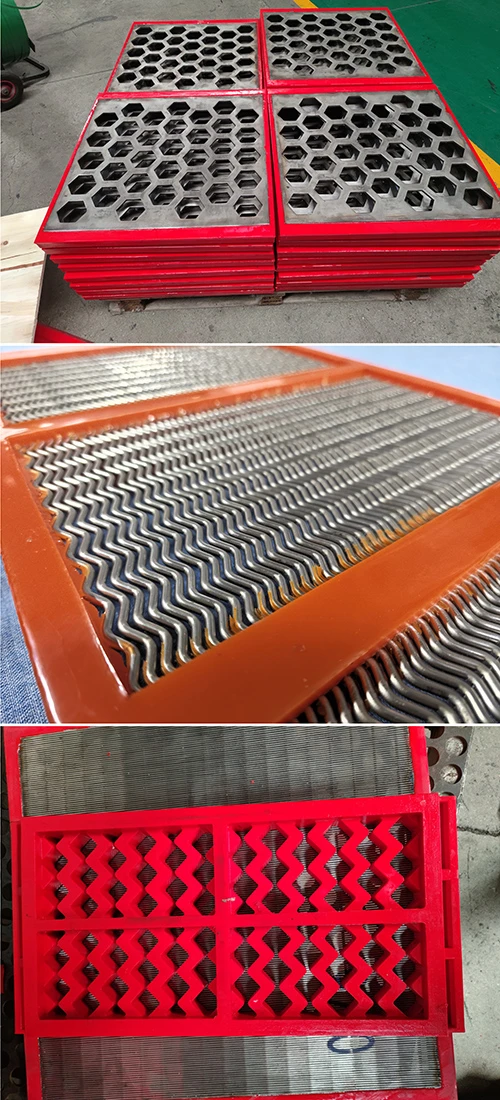
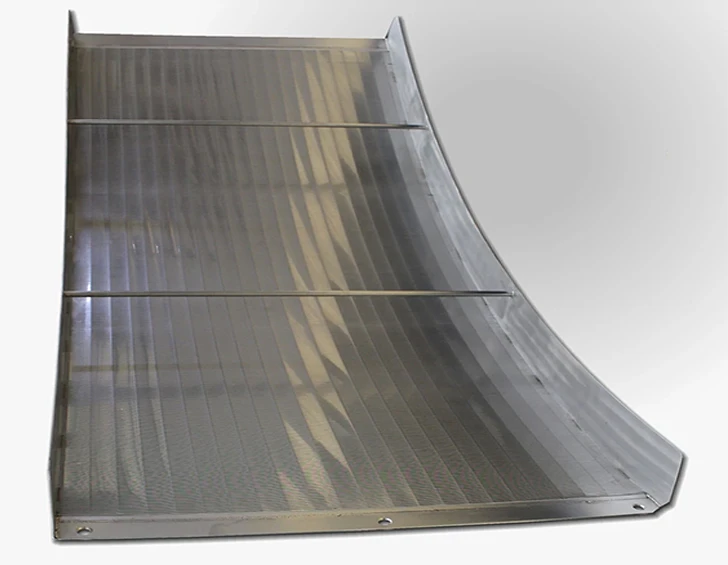
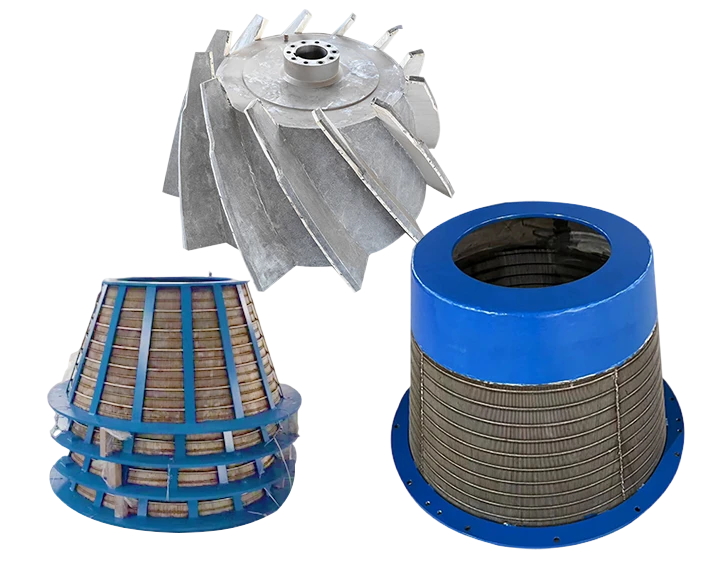
At its core, a perforated plate screen is simply a flat metal sheet pierced with holes or slots arranged in a pattern – sometimes round, sometimes slotted, depending on the application. The material can be stainless steel, carbon steel, or alloys tailored for corrosion resistance or strength. The plate’s “screen” function is about allowing certain particles or fluids to pass through while keeping others out.
Beyond industrial filtering, these plates also find a home in architectural facades, noise reduction panels, and protective coverings — so it’s not just industry but also design and community well-being that benefits. Oddly enough, they’re like the Swiss Army knife of screens: versatile, customizable, and reliable.
Core Components That Make Perforated Plate Screens Effective
Material Durability
The longevity of these screens depends heavily on the material choice. Stainless steel is popular for its corrosion resistance in wet or chemical-heavy environments, while galvanized steel might be typical in less demanding situations.
Hole Size and Pattern
The actual “perforations” vary widely. Engineers design hole size, shape, and pattern to optimize flow rates and screening precision. For example, circular holes maximize strength, whereas slots provide directional flow characteristics.
Thickness and Strength
The balance between structural strength and flow efficiency is a key consideration. Thicker plates last longer but reduce open area (and therefore throughput). It’s a classic engineering trade-off.
Customization & Scalability
From custom-shaped panels for a bespoke filtration system to modular screens adaptable for scaling operations, today’s manufacturing advances allow tailored designs that integrate seamlessly into workflows.
Maintenance & Cleanability
Regular cleaning is often required, depending on the application. Smooth surfaces and anti-clog designs reduce downtime and improve performance, especially critical in food or pharmaceutical sectors.
Product Specification Table: Typical Perforated Plate Screen Models
| Model | Material | Hole Diameter (mm) | Thickness (mm) | Open Area (%) | Application |
|---|---|---|---|---|---|
| PS-100 | Stainless Steel 304 | 3.0 | 2.0 | 25 | Water Treatment |
| PS-250 | Galvanized Steel | 5.0 | 3.0 | 30 | Mining & Minerals |
| PS-400 | Aluminum Alloy | 2.5 | 1.5 | 20 | Architectural Facades |
The Wide-Ranging Applications of Perforated Plate Screens
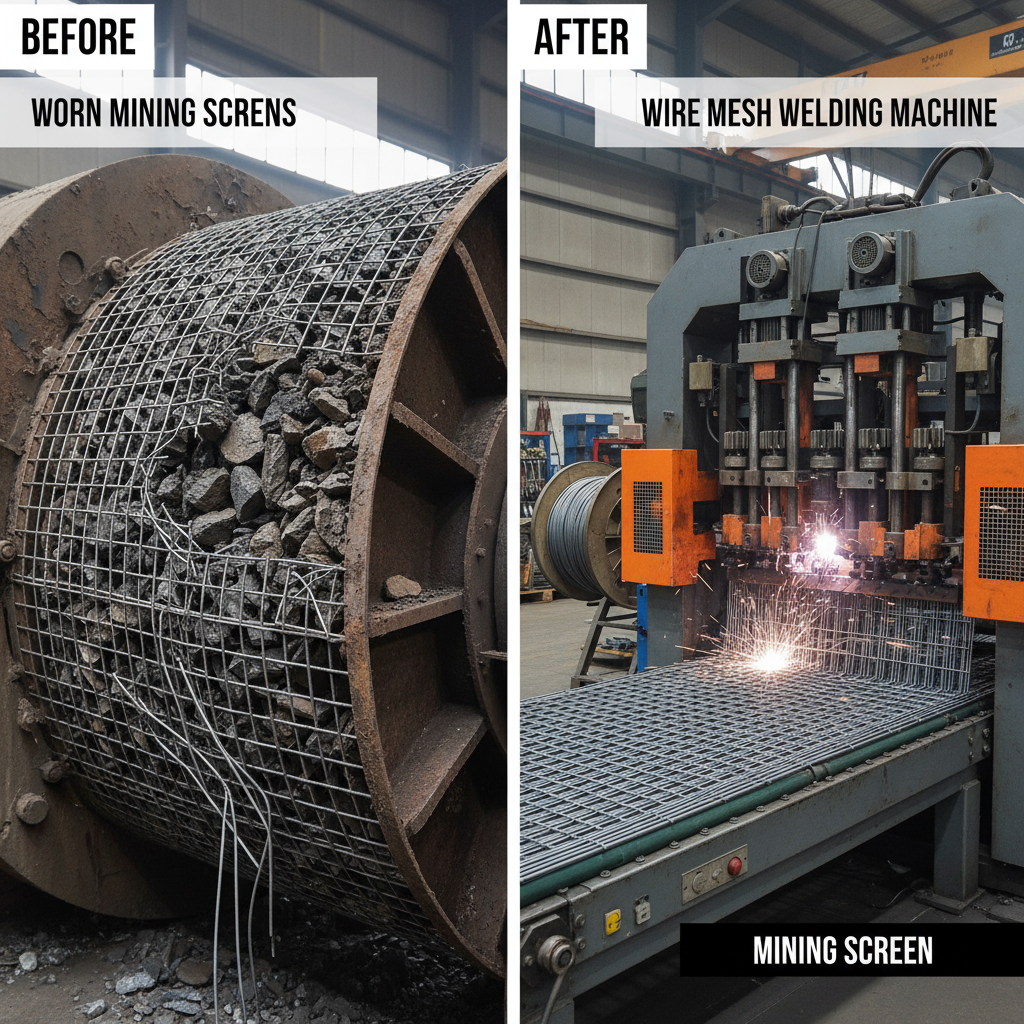
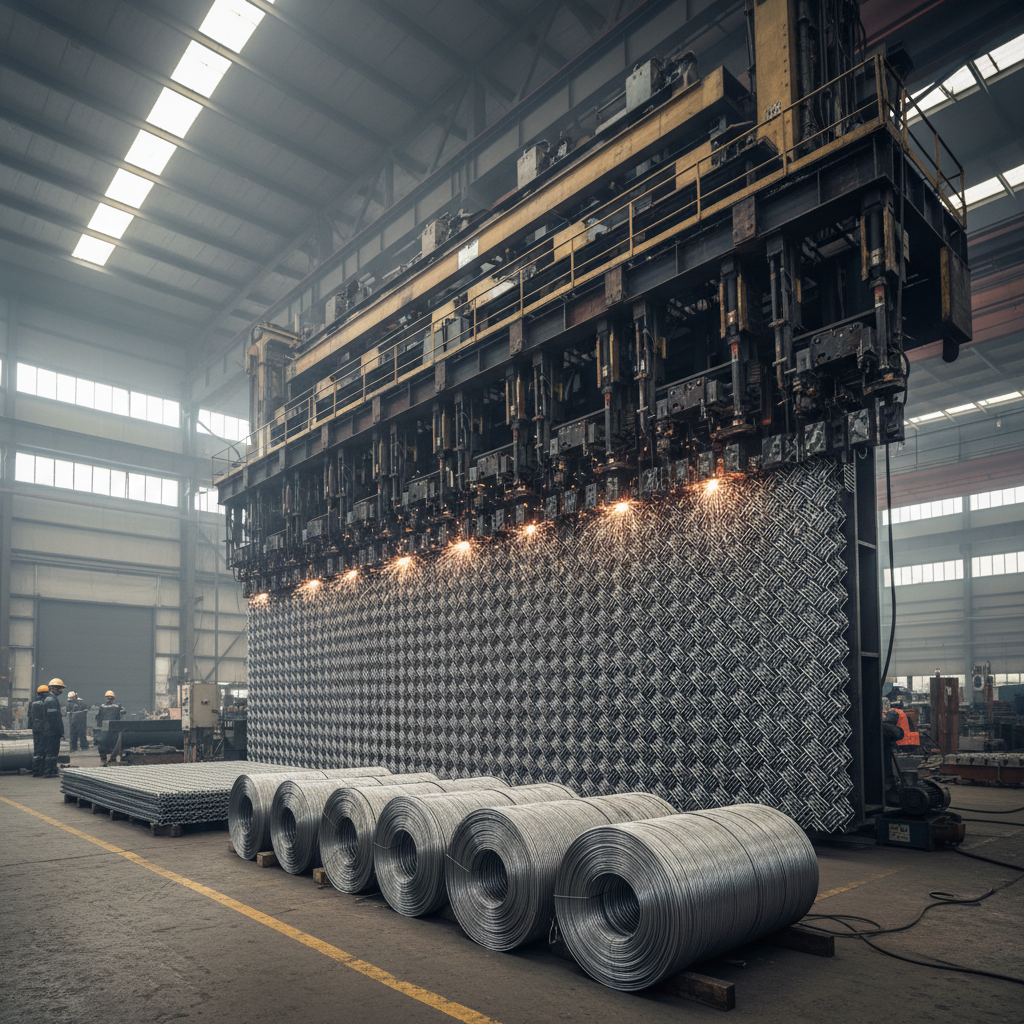
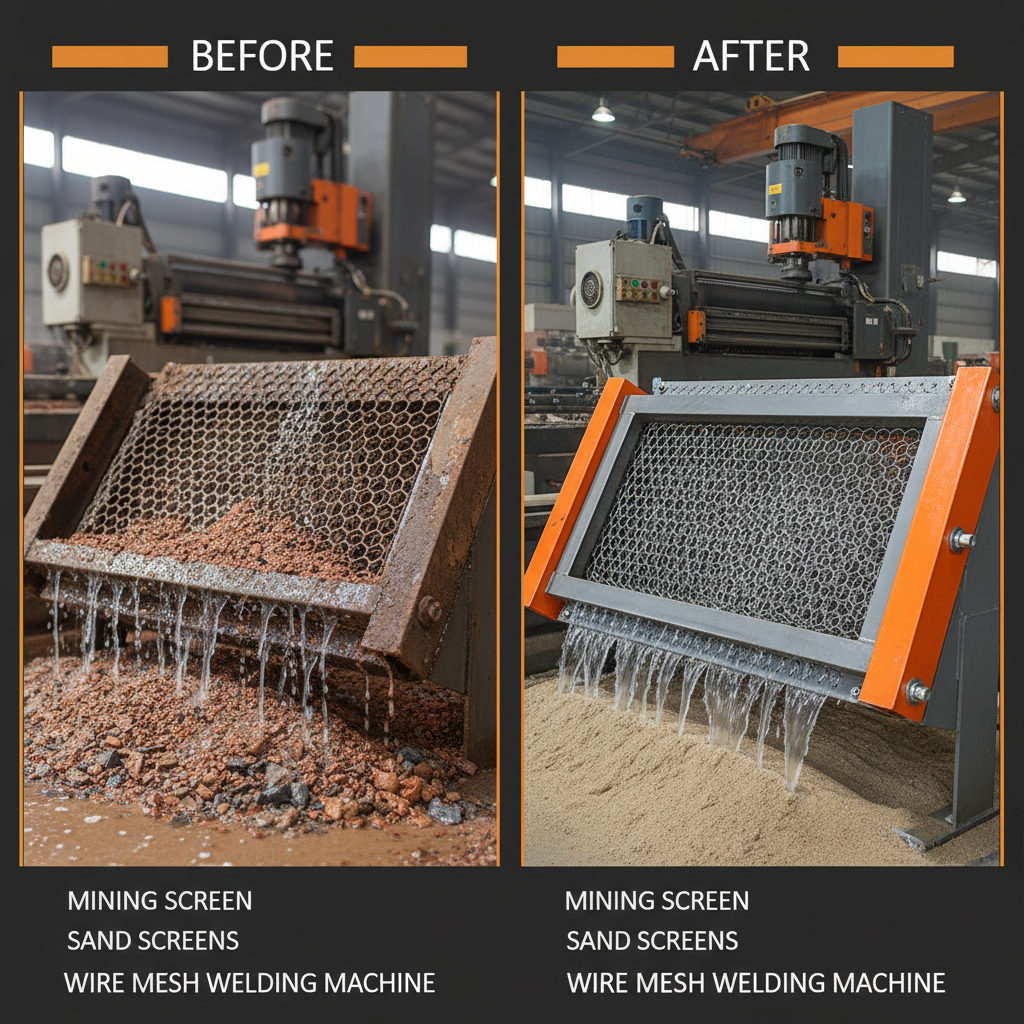
In real terms, the versatility of these screens is impressive. In the mining industry, for instance, they separate ore particles and prevent machinery damage from oversized debris—crucial in places like Canada and Australia where mineral extraction is a major economic driver. Meanwhile, in wastewater treatment plants across Europe and North America, perforated plates filter solids before biological treatment, improving water quality and meeting strict environmental standards.
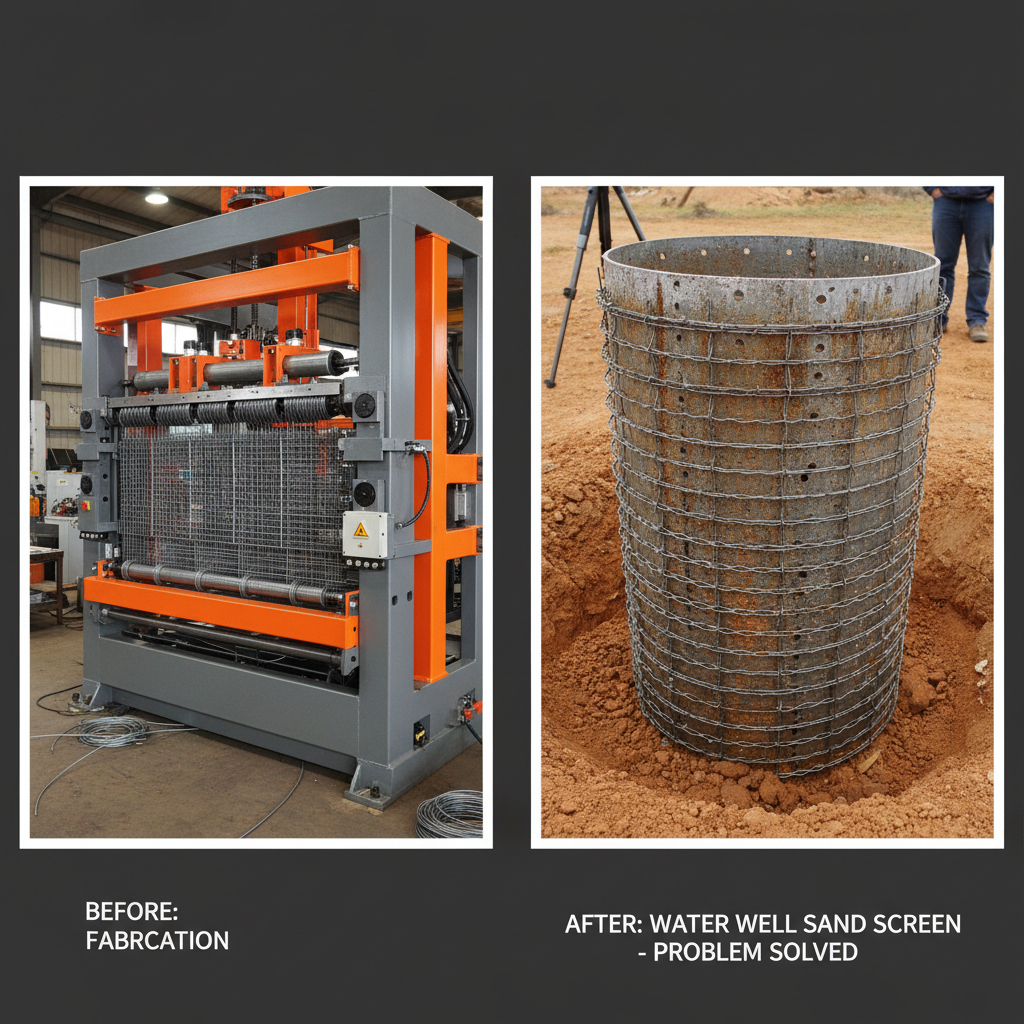
Humanitarian sectors use these screens in portable water filtration units deployed in refugee camps or disaster zones. In such settings, it’s not just about tech specs but life-saving reliability and ease of transport. For example, in post-disaster relief operations across Southeast Asia, these screens have enabled access to clean water when infrastructure is devastated.
Even creative industries lean on this tech. In architecture, they add aesthetic value and environmental benefits such as natural ventilation and structural shading — turning something utilitarian into a functional art piece.
Mini Takeaway:
From rugged industrial sites to delicate humanitarian projects, perforated plate screens adapt in remarkable ways — a quiet but essential feature of many systems worldwide.
Long-Term Value: Why Invest in Perforated Plate Screens?
When considering equipment or system components, the first question many ask is: what's the ROI? The value of perforated plate screens is multifaceted. Cost-wise, their durability and ease of maintenance reduce replacement frequency. Environmentally, they support water reuse and pollution control, echoing global sustainability goals set by organizations like the UN and ISO.
Socially, the reliability of filtration translates directly to public health and safety — something many engineers and operators point out passionately. It also builds trust: a community knowing their water or air is being treated with robust tech feels safer. And emotionally? There’s a certain satisfaction in using a no-nonsense, durable component that just works through years of tough conditions.
Emerging Trends and Innovations to Watch
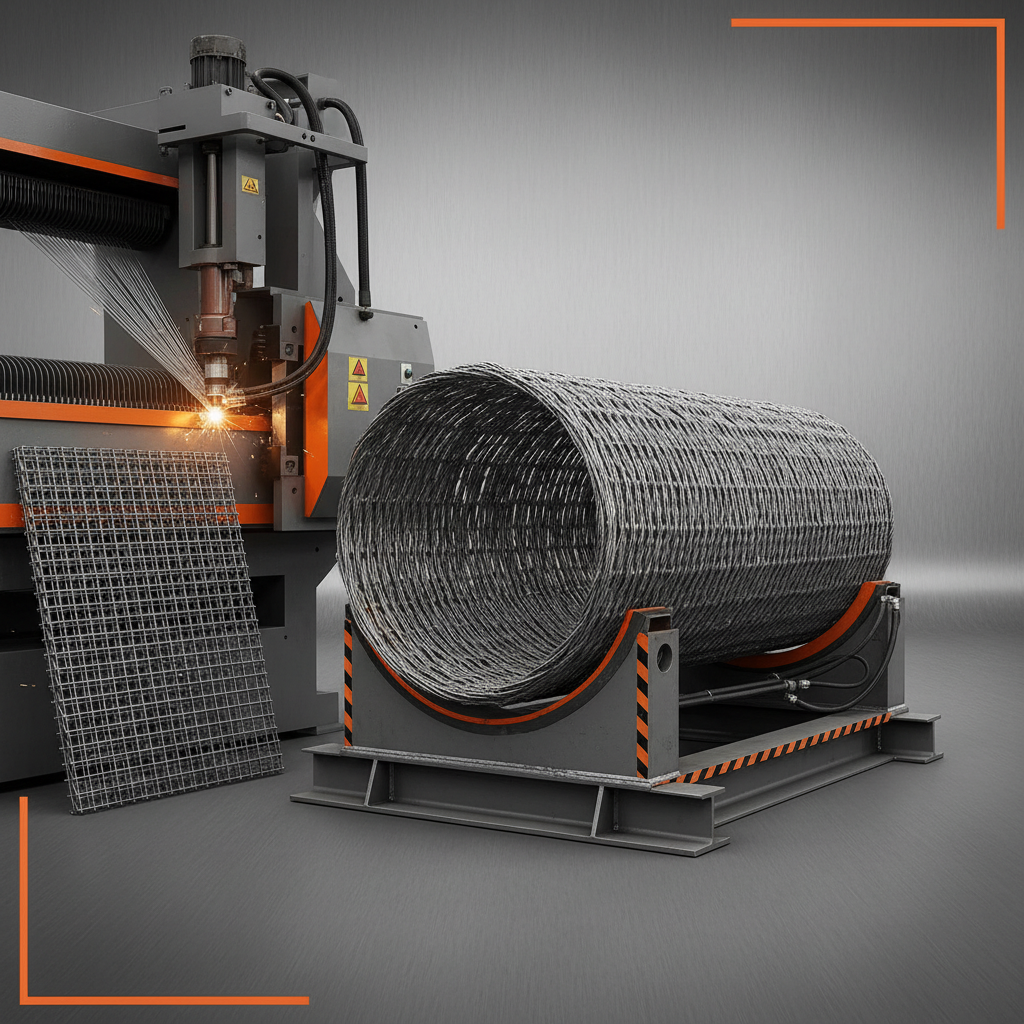
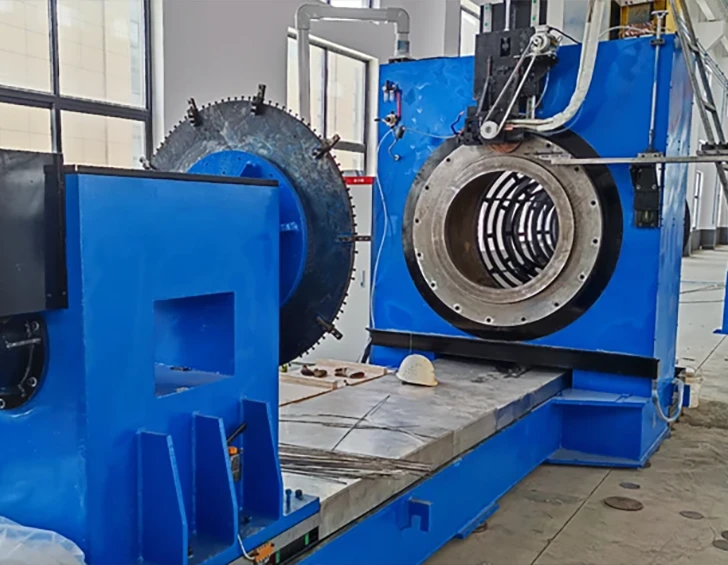
2024 is seeing exciting momentum in perforated plate screen technology. Advances in manufacturing techniques like laser cutting allow ultra-precise, complex hole patterns that improve flow rates and reduce clogging. New materials, including composites and corrosion-resistant alloys, are extending lifespans in harsh chemical environments.
Automation also plays a growing role. Smart systems now monitor wear and clog indicators in real-time, triggering maintenance alerts automatically. And green energy projects, such as solar-powered water filtration units, increasingly incorporate perforated plates designed for maximum energy efficiency and low carbon footprints.
Challenges and Solutions: What’s Holding Back Broader Adoption?
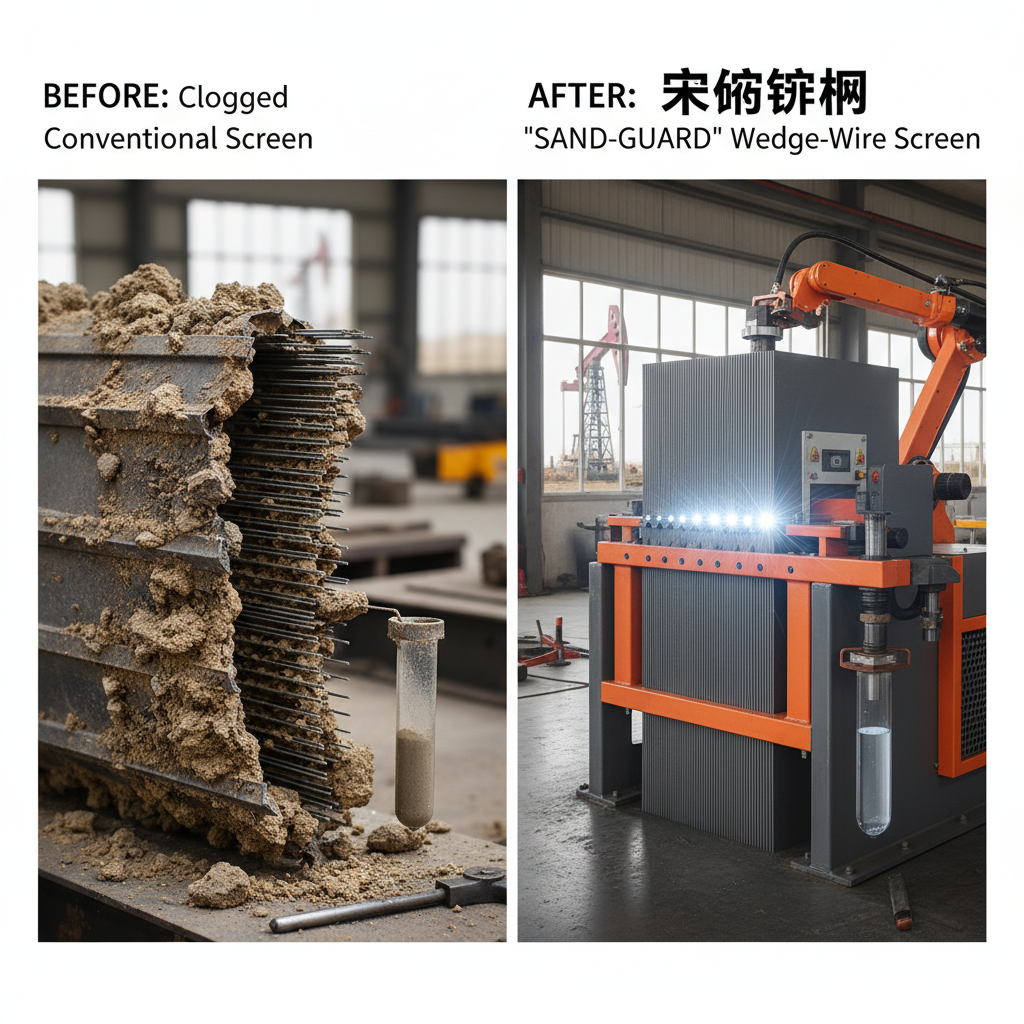
Despite all its virtues, perforated plate screens are not without challenges. For one, clogging in certain applications can cause downtime; the solution often lies in advanced cleaning or anti-fouling coatings — areas currently researching growth. Also, custom designs sometimes require longer lead times and higher costs, posing a challenge for small-scale buyers.
However, cross-sector collaboration between manufacturers and end-users is helping streamline production while cutting costs. Innovations like modular screen systems and standardized panels aim to make the technology accessible for even emerging markets.
Vendor Comparison: Top Perforated Plate Screen Suppliers
| Vendor | Material Range | Customization Options | Lead Time | Price Range |
|---|---|---|---|---|
| MutoScreen Industries | Stainless, Galvanized Steel, Aluminum | High - Custom hole patterns & shapes | 2-3 weeks | Mid to High |
| Global Perforations Ltd. | Steel, Stainless Steel | Standard Patterns Mostly | 1-2 weeks | Mid |
| EcoScreen Solutions | Recycled Alloys & Steel | Moderate - Eco-friendly focus | 3-5 weeks | Mid to High |
Frequently Asked Questions About Perforated Plate Screen
- Q: How is a perforated plate screen different from a wire mesh screen?
- A: Perforated plate screens are solid metal sheets with precise holes punched through, offering higher mechanical strength and durability. Wire meshes are woven or welded strands of metal, which can be more flexible but less robust in certain heavy-duty environments.
- Q: What industries benefit most from using perforated plate screens?
- A: Mining, water treatment, food processing, automotive, and architecture are some key sectors. Their use varies from filtration and separation to noise reduction and decorative facades.
- Q: Can perforated plate screens be customized for special applications?
- A: Absolutely. Hole size, pattern, material, and thickness can all be tailored to suit unique operational demands, from ultra-fine filtration to heavy-load screening.
- Q: How do I maintain a perforated plate screen to prevent clogging?
- Regular inspection and cleaning are crucial. Automated cleaning systems or backflushing can be installed for continuous processes. Selecting screens with anti-fouling coatings can also reduce maintenance.
Wrapping It Up: The Quiet Workhorse of Industrial and Environmental Solutions
Honestly, the unassuming perforated plate screen plays a critical role across multiple fields, quietly enabling smoother operations and cleaner environments. From the complex mineral screens in rugged mines to water filtration helping millions in vulnerable areas, it’s a testament to how simple ideas can solve complex problems.
If you want to explore tailored perforated plate screen solutions that blend durability, efficiency, and innovation, check out MutoScreen’s portfolio — you might be surprised how a simple plate can transform your project.