Understanding Vibrating Screen Price: Why It Matters in Today's Industrial Landscape
If you’ve ever wandered into a mining site, a quarry, or a recycling plant, there's a good chance you've seen a vibrating screen at work. These machines shake loose particles, sorting materials by size to keep industrial processes humming. But beyond the mechanical clatter, one question always bubbles up in procurement meetings and supply chain discussions alike: what does the vibrating screen price really reflect? Understanding this can unlock smarter decisions in production efficiency, budgeting, and long-term investment.
Globally, industries worth trillions rely on these screening machines. Mining alone contributes over $1.6 trillion worldwide according to the World Bank, and the screening tech embedded in these operations plays a crucial, if understated, role. Knowing the nuances behind vibrating screen prices can not only save companies money but also improve sustainability efforts by optimizing material processing.
The Global Landscape of Vibrating Screen Pricing
The demand for vibrating screens is surging, especially in Asia-Pacific and emerging markets, thanks to rapid urbanization and increased infrastructure spending (source: UN Habitat, 2023). However, price fluctuations often puzzle buyers—what explains the swings from one supplier to another?
Part of the challenge arises because the vibrating screen price isn’t just a single number; it’s a blend of material quality, design, durability, and even after-sales service availability. It’s an industrial dilemma: pay less upfront and risk quicker replacements, or invest more for robust machines that last decades.
Mini Takeaway:
Vibrating screen pricing is deeply influenced by global economic trends, material costs, and the technological sophistication embedded in the designs. Industries worldwide face this balancing act regularly.
What Does Vibrating Screen Price Really Mean?
Simply put, the vibrating screen price is the cost associated with purchasing, operating, and maintaining these mechanical sieves used to sort materials by size. It encompasses the machine itself, installation, and often ongoing service contracts.
Its relevance goes beyond mining or construction: in humanitarian aid, fast-deployable screening systems help sort debris post-disaster, enabling safer cleanup and rapid infrastructure rebuilding. So, the price tag on these units often aligns not only with material specs but also the urgency of deployment and ruggedness.
Key Factors Impacting Vibrating Screen Price
1. Durability and Material Quality
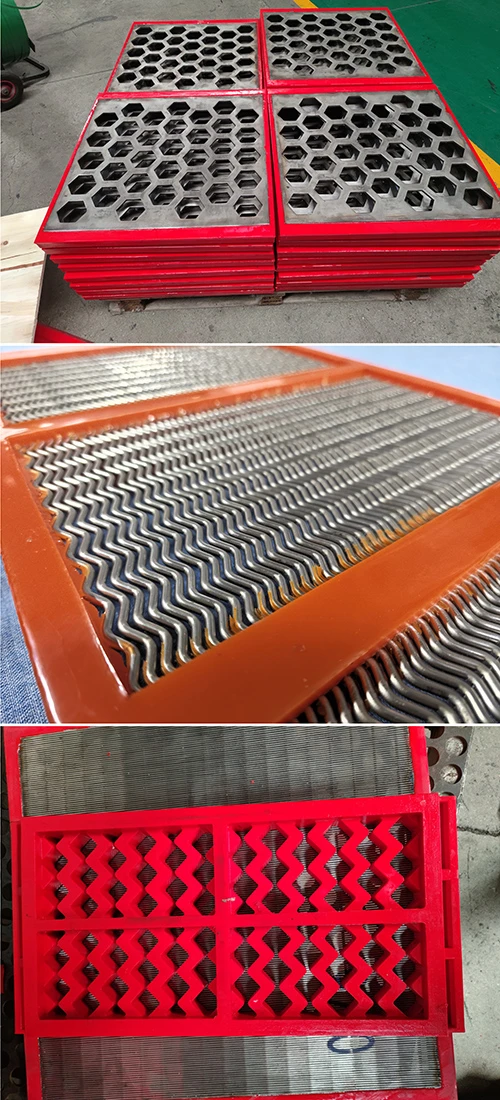
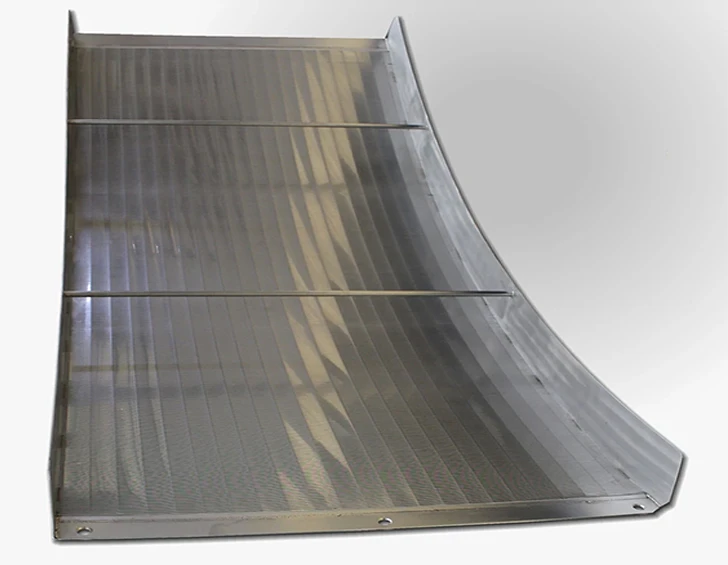
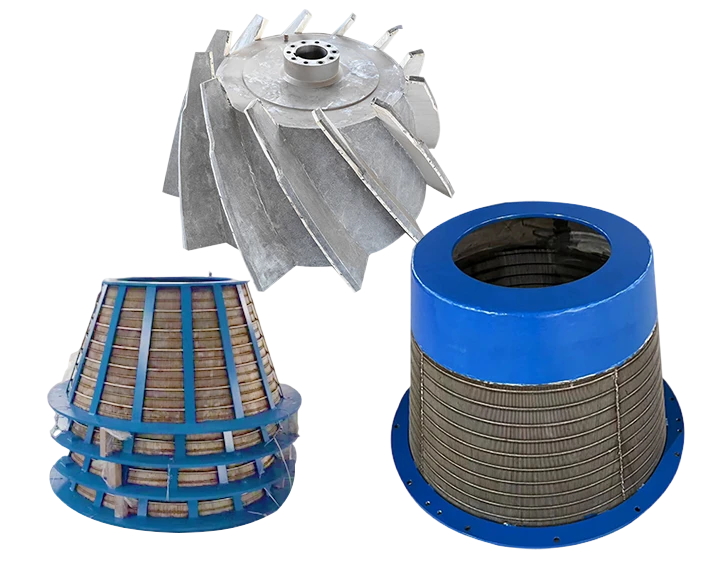
Most buyers want machines that resist corrosion, abrasion, and stress. Stainless steel or alloy screens typically push the vibrating screen price higher but deliver longer life.
2. Screen Size and Capacity
Large capacity units cost more upfront but translate into more effective throughput and fewer downtimes.
3. Motor and Drive Type
Efficient motors—especially those with variable frequency drives—add to the price yet dramatically reduce energy consumption.
4. Customization and Features
Additional features like triple-deck sorting, adjustable amplitude, or integrated dust control systems influence cost.
5. Installation and Maintenance Support
Comprehensive service packages increase apparent prices but can reduce total cost of ownership.
6. Vendor Reputation and Warranty
Trusted brand names might demand more, but they often back it up with reliability and warranty promises—hard to put a price on peace of mind.
Mini Takeaway:
It’s a balance between initial cost and long-term value — understanding what you get for your investment can tip the scale.
Product Specification Table: Sample Vibrating Screen Models
| Model | Screen Area (m²) | Motor Power (kW) | Material | Approx. Price (USD) |
|---|---|---|---|---|
| MS-XS-300 | 2.5 | 5.5 | Carbon Steel | 7,800 |
| MS-ADV-500 | 5.0 | 11 | Stainless Steel | 15,500 |
| MS-PRO-750 | 7.5 | 15 | Alloy Steel | 22,300 |
Where Vibrating Screens Make a Real Difference Worldwide
From remote Australian mines to European scrap yards, vibrating screens are part of the backbone of material processing. For instance:
- Mining: In South Africa and Chile, large capacity screens ensure minerals are efficiently sorted before refining.
- Construction: In the Middle East, the boom in infrastructure makes durable yet cost-effective screens a priority.
- Disaster Recovery: NGOs deploying rapid debris clearing systems in Southeast Asia rely on affordable, mobile vibrating screens.
- Recycling Industry: Across North America, advanced screens separate plastics and metals to keep recycling rates high.
Interestingly, newer markets also witness growth in demand for these machines as urban waste increases, turning vibrating screen price into a key consideration for city planners.
Mini Takeaway:
The utility of vibrating screens spans continents and industries, each with unique needs shaping price expectations.
Advantages and Lasting Value of Investing in Quality Screening Solutions
Choosing the right vibrating screen can echo far beyond the factory floor:
- Cost-Efficiency: Reduces material waste and downtime.
- Sustainability: Optimizes resource use and energy consumption.
- Reliability: Less frequent breakdowns, fewer replacements.
- Social Impact: In humanitarian contexts, speeds up recovery and maintains safety.
- Innovation: Modern units can be configured with smart sensors for predictive maintenance.
Emotionally, teams that trust their machinery’s consistency work smoother, with lower stress and higher morale. Logically, companies see better ROI when quality outweighs cheap but unreliable options.
What's Next? Innovations Influencing Future Vibrating Screen Price
The industry is buzzing about:
- Automation Integration: Screens embedded with IoT devices to monitor wear and motion remotely.
- Green Energy Use: Systems designed to operate on solar or wind-generated power.
- Advanced Materials: Lightweight, high-strength composites lowering energy use and enhancing durability.
- Modular Designs: Allowing quick upgrades without full replacement.
These innovations may nudge the vibrating screen price upward initially but promise greater lifetime savings.
Challenges and Practical Solutions
Of course, challenges stand in the way. Common issues include:
- High upfront costs that deter smaller operators.
- Maintenance complexity requiring skilled personnel.
- Variability in vendor quality making procurement a minefield.
But modern solutions like leasing options, training programs, and transparent vendor comparison tools are smoothing these bumps.
Vendor Comparison Table: Popular Vibrating Screens from Leading Suppliers
| Vendor | Price Range (USD) | Warranty (Years) | Customization Options | After-Sales Support |
|---|---|---|---|---|
| MutoScreen Inc. | 7,000 - 25,000 | 3 | High (deck layers, materials) | 24/7 helpline and prompt service |
| Global ScreenTech | 8,500 - 22,000 | 2 | Medium (motor, size) | Regular on-site checkups |
| EcoScreen Solutions | 6,500 - 20,000 | 4 | Limited | Email and remote diagnostics |
FAQ: Frequently Asked Questions About Vibrating Screen Price
Q1: Why does the vibrating screen price vary so much between brands?
A1: Prices vary due to differences in material quality, motor efficiency, customization, and after-sales support. Trusted brands often invest more in durable components and service guarantees, which affect costs.
Q2: How can I estimate the total cost of ownership beyond the initial screen price?
A2: Consider installation charges, energy consumption, maintenance, replacement parts, and downtime impact. Sometimes a cheaper screen costs more in hidden expenses later.
Q3: Are there cost-effective options for small-scale operations?
A3: Yes, entry-level models focus on core screening functions with fewer features, lowering prices. Leasing or buying refurbished units are other practical routes.
Q4: Does the vibrating screen price include installation and shipping?
A4: Typically, no. These are often extra costs and depend on vendor policies and your location. Always clarify with suppliers.
Q5: How important is after-sales support in evaluating vibrating screen price?
A5: Very important. Rapid trouble-shooting, warranty coverage, and availability of parts save significant time and money in the long run.
Wrapping It Up: Why Vibrating Screen Price Is More Than Just a Number
Ultimately, the vibrating screen price offers a lens into the machine’s value — that sweet spot between upfront investment and reliable, efficient operation. Smart buyers look beyond sticker prices to how a unit fits their throughput needs, sustainability goals, and service requirements. And with increasing pressure for industrial efficiency and environmental responsibility worldwide, understanding this pricing complexity is crucial.
Want to explore more options or detailed quotes? Visit our site: https://www.mutoscreen.com to dive deeper into models, specifications, and how these machines can elevate your operations.
Final Mini Takeaway:
Invest wisely, think long-term, and the right vibrating screen can be a quiet hero of your industrial or humanitarian mission.
References: