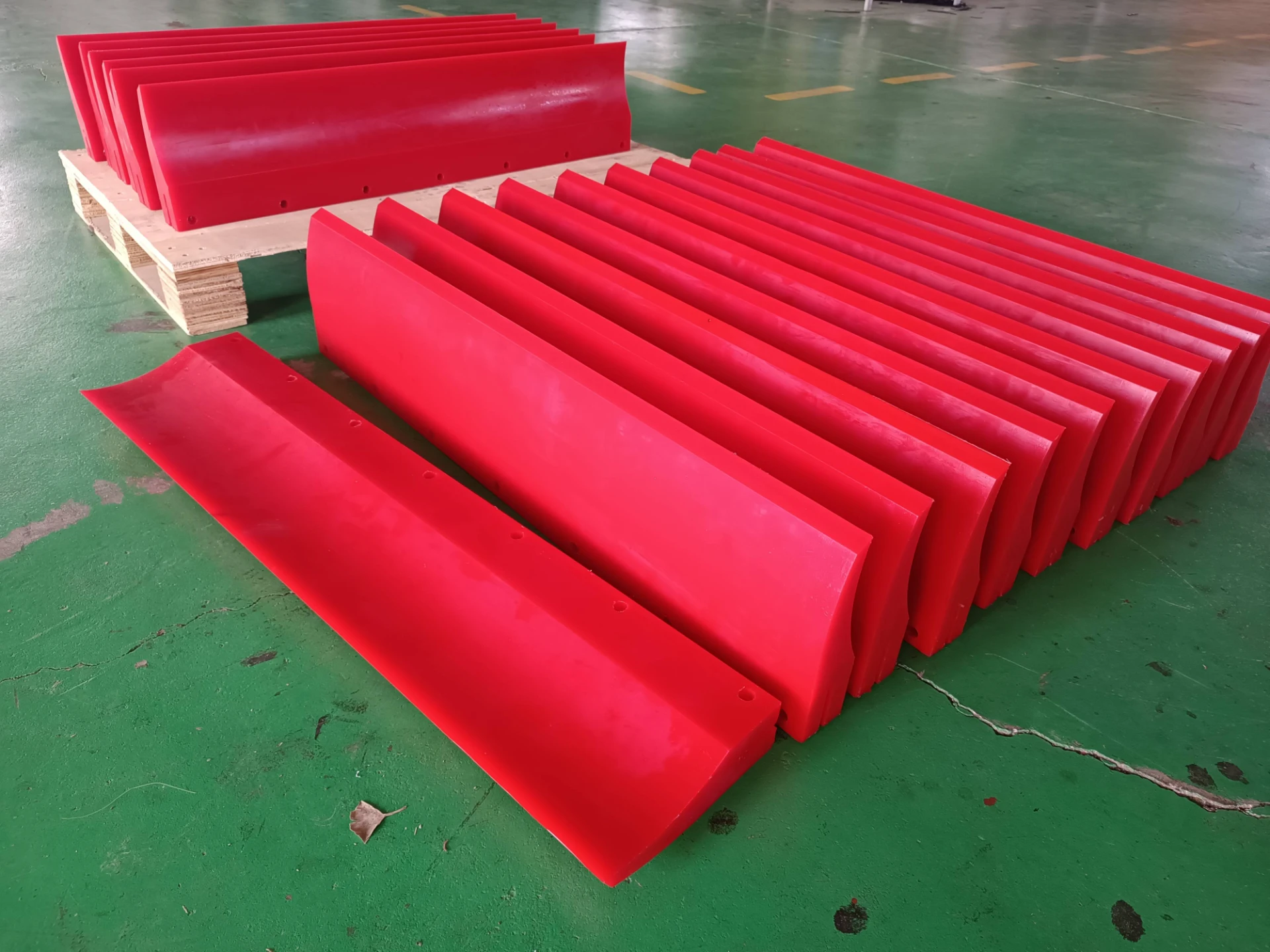
Understanding the Role of a Vibrating Screen Manufacturer in Global Industries
If you’re not already familiar, a vibrating screen manufacturer crafts the specialized machines that separate materials by size with a simple shaking motion. It might sound straightforward, but this little piece of industrial tech quietly powers a huge chunk of manufacturing worldwide—from mining and recycling to food processing. Why does it matter? Because whether you’re sifting minerals or sorting grains, precision and efficiency are key to success. Having a reliable supplier for these screens means smoother operations, less downtime, and often, better sustainability.
The Global Context: Why Vibrating Screen Manufacturing Matters Now More Than Ever
The global economy depends a lot on raw materials—and properly sorting these materials can be a surprisingly tricky challenge. According to the United Nations Industrial Development Organization (UNIDO), mining and mineral processing, which extensively rely on vibrating screens, contributes significantly to developing economies and infrastructure projects worldwide. However, environmental concerns and resource scarcity push manufacturers to create more efficient, durable, and eco-friendly machines.
One issue many industries face is inefficiency in screening, which causes higher energy usage, material waste, and sometimes, equipment failure on the site. This is where expert vibrating screen manufacturer firms come in: designing robust equipment suited to varied climates and granularities. As global industries pivot toward sustainability and cost-cutting, the demand for advanced vibrating screen solutions keeps climbing.
Mini takeaway:
- Vibrating screen manufacturing directly supports key global industries.
- Eco-friendly and efficient screening machines answer growing demands for sustainability.
- Choosing the right manufacturer impacts everything from cost to operational reliability.
What Exactly Is a Vibrating Screen Manufacturer?
Simply put, a vibrating screen manufacturer builds machines designed to separate particles based on size using vibration. Think of these manufacturers as the “hidden gears” in many industries—they produce customized screens with different mesh sizes, materials, and motor configurations to fit unique tasks. This technology is connected deeply to modern industry—not only in mining, where separating ore is critical—but also in recycling plants, chemical production, and even humanitarian applications like sorting grains for food security.
Core Components That Define Quality in Vibrating Screen Manufacturing
1. Durability
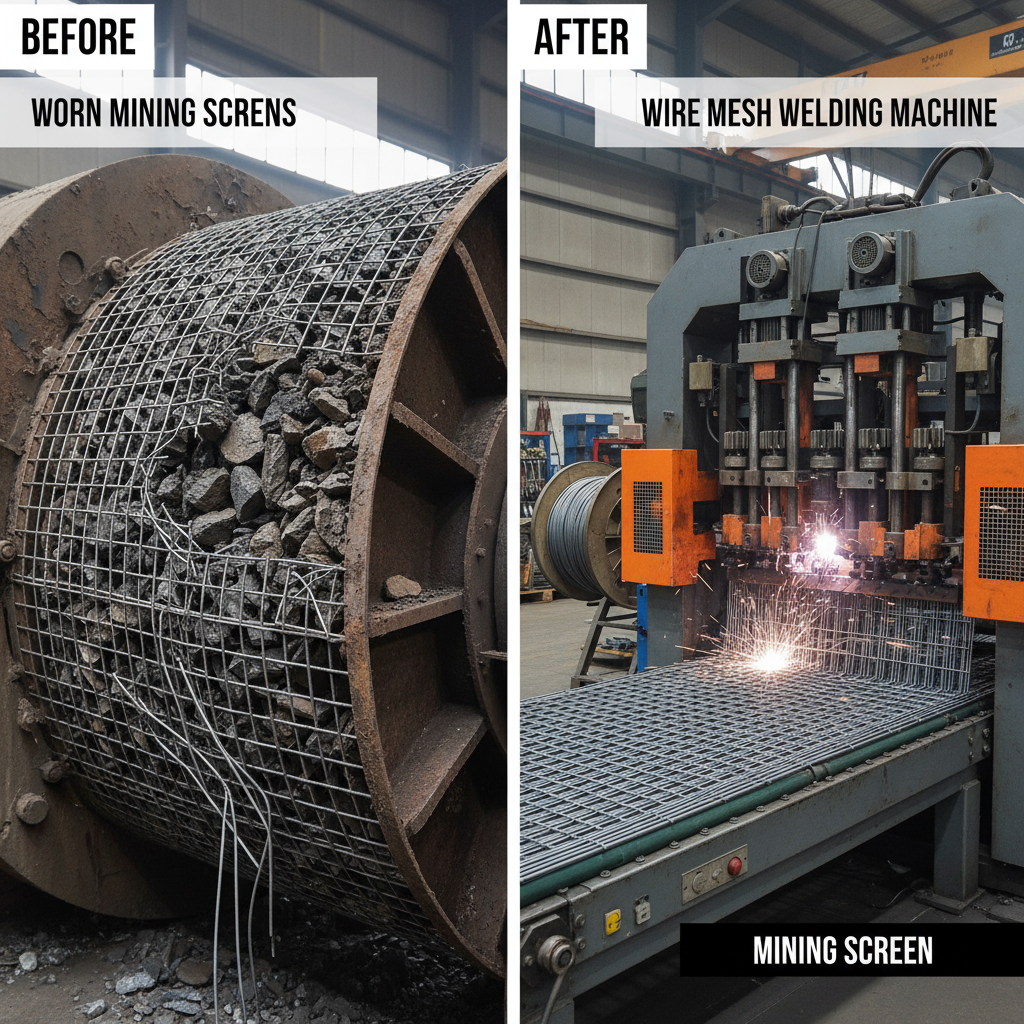
A vibrating screen must endure constant vibrations, harsh materials, and weather conditions. Manufacturers focus on high-grade steel frames and abrasion-resistant screens to extend machine life. An industrial plant in Arizona, for example, reported five years of continuous operation with minimal repairs thanks to durable construction.
2. Scalability
Whether it’s a small recycling facility or a massive mining operation, manufacturers often offer modular design options, allowing for future expansions and custom sizing.
3. Cost Efficiency
Beyond upfront price, efficient designs reduce energy consumption and downtime, saving money in the long run.
4. Material Innovation
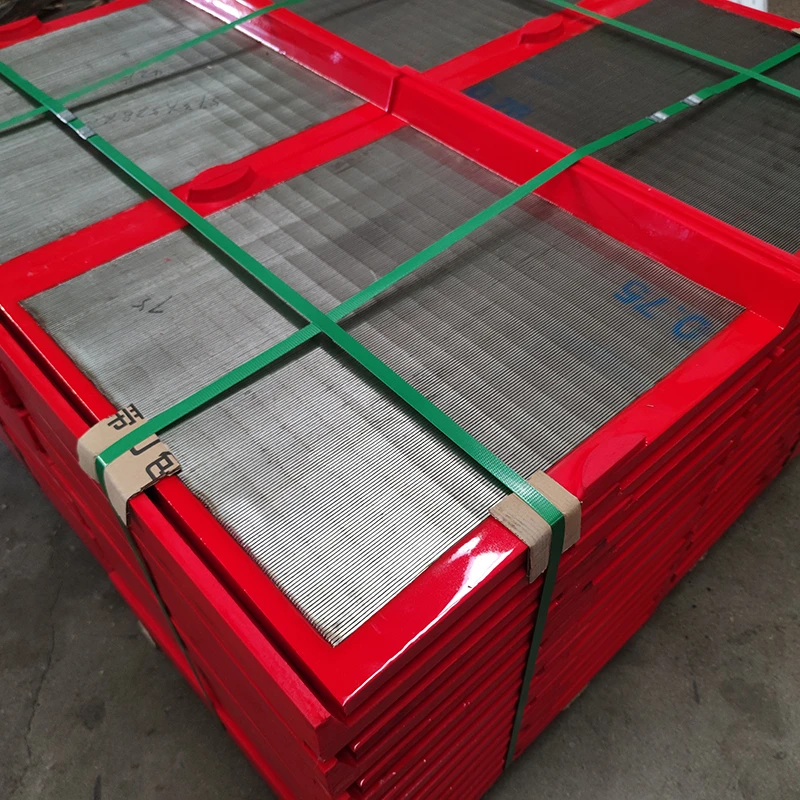
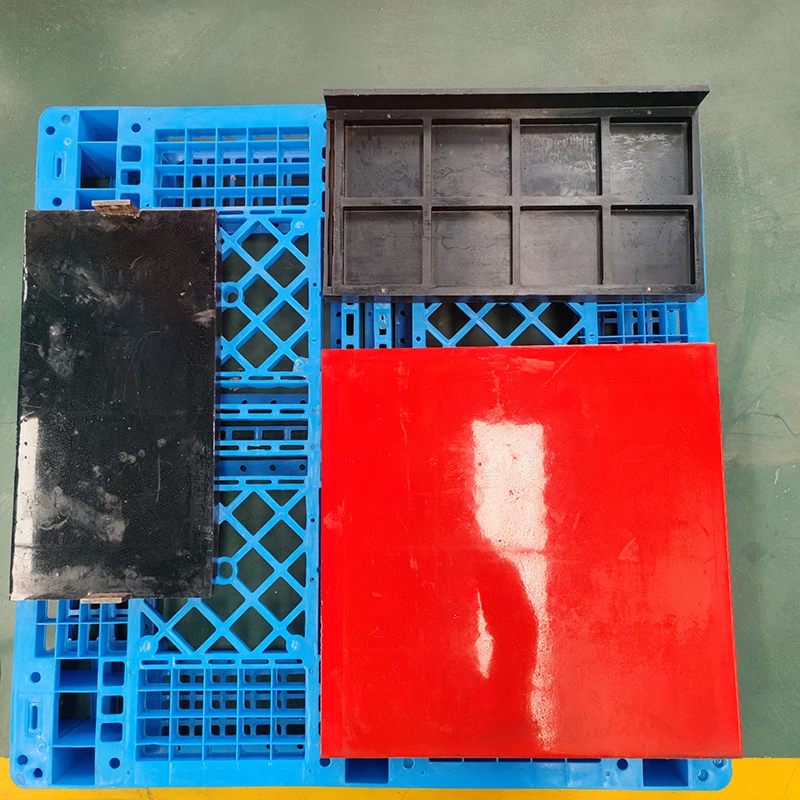
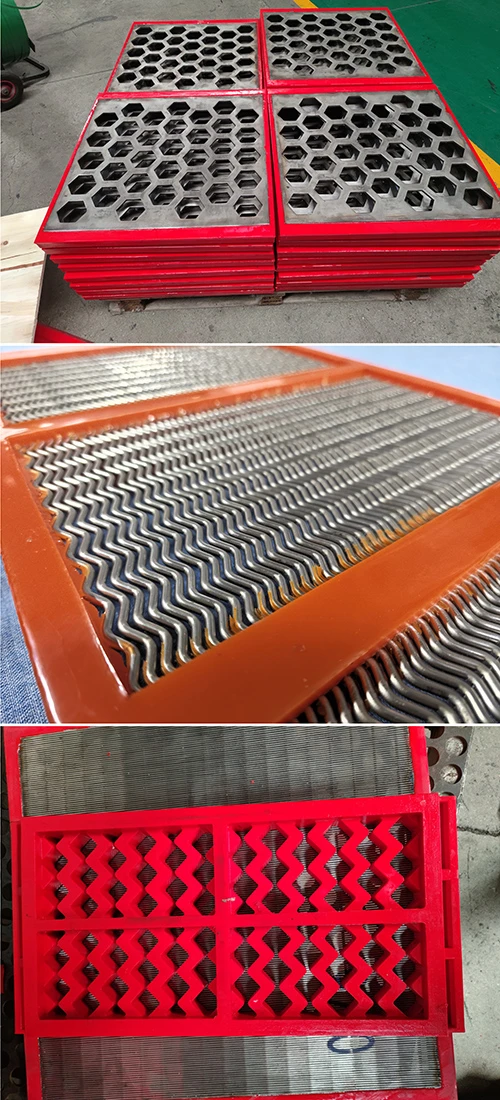
Many manufacturers now integrate composite or polyurethane screen surfaces to reduce noise, lessen wear, and improve sorting accuracy.
5. Customization & Automation
Advanced manufacturers provide options like variable frequency drives, remote monitoring, and automated deck adjustments that modern operators crave.
Mini takeaway:
- Core components greatly influence performance and lifespan.
- Customization sets apart top-tier manufacturers.
- Innovation touches material science and control tech alike.
Real-World Applications: Where Do These Screens Come Alive?
Zoom out and you’ll see vibrating screens everywhere. In Australia’s vast mining fields, they help refine coal and gold ores. In India’s booming recycling industry, they sort plastics and metals from waste streams. Even the agricultural sectors of Sub-Saharan Africa use them to clean and grade harvested grains before shipment, impacting food quality and local economies.
Notably, post-disaster relief operations sometimes need quick-deploy sorting equipment to salvage materials or work with limited infrastructure—companies specializing in fast-manufactured vibrating screens meet these urgent needs.
Mini takeaway:
- Vibrating screens are critical in mining, recycling, agriculture, and disaster relief.
- Their adaptability to different zones and materials is a major asset.
- Technological upgrades contribute to both industrial and humanitarian outcomes.
Specifications That Matter: A Closer Look at a Typical Vibrating Screen
| Specification | Typical Value | Notes |
|---|---|---|
| Screen Area | 2–20 m² | Varies by model |
| Frequency Range | 750–1500 RPM | Adjustable in some models |
| Amplitude | 1.5–3.5 mm | Determines vibration strength |
| Power Consumption | 5–30 kW | Depends on size and motor |
| Material | Stainless steel & polyurethanes | Corrosion- & wear-resistant |
Comparing Vibrating Screen Manufacturers: What Should You Look For?
| Manufacturer | Product Range | Customization | Lead Time | Geographical Reach |
|---|---|---|---|---|
| MutoScreen | Broad, incl. specialty industrial | Highly flexible | 2-6 weeks | Global |
| GlobalScreenTech | Medium, focused on mining | Moderate | 4-8 weeks | Americas, Asia |
| EcoSort Solutions | Niche, eco-friendly designs | Limited | 6-10 weeks | Europe, Africa |
Why Choosing the Right Vibrating Screen Manufacturer Pays Off
Companies benefit hugely from partnering with an experienced manufacturer. You get products that last, perform consistently, and often come with better after-sales support. That trust builds ease among engineers who need to avoid costly downtime. Plus, there's a measurable impact on environmental footprint with energy-efficient designs.
I recently read a case where a quarry in South America cut energy consumption by 15% after switching to a manufacturer’s new polyurethane screen system. That's lasting value — saving operational costs while reducing the environmental burden.
What the Future Holds: Innovations on the Horizon
Emerging trends in vibrating screen manufacturing orbit around digital transformation and sustainability. Imagine built-in sensors that monitor wear and vibrational consistency, sending data to operators in real time. Some companies also experiment with IoT connectivity to optimize performance remotely.
Green materials and designs aim to decrease waste and energy usage further. More compact and modular systems are being developed to aid rapid deployment, especially useful in emergency and disaster zones. The balance of automation and user control seems the sweet spot for the next decade.
Challenges: What to Watch for and How Manufacturers Solve Them
Common challenges include wear from abrasive materials, noisy operation, and a mismatch between screen design and actual site conditions. Surprising as it might seem, many installations falter due to poor customization or lack of adaptation to local contexts.
To tackle these issues, savvy vibrating screen manufacturers emphasize rigorous testing—sometimes even on-site prototypes—and customer collaboration. Advanced materials and sound dampening help reduce noise and maintenance headaches. Plus, flexible modular design means easier repairs and part swaps.
Frequently Asked Questions About Vibrating Screen Manufacturers
- What sets a top vibrating screen manufacturer apart from others?
- A leading manufacturer combines durable materials, custom design options, energy efficiency, and strong after-sales support. Reliability and responsiveness are key attributes.
- How long can vibrating screens generally last in harsh environments?
- With proper maintenance and quality build, screens typically operate efficiently for 5-10 years, sometimes longer if made with abrasion-resistant materials and regularly serviced.
- Are vibrating screens customizable for small-scale or specialized industrial needs?
- Yes. Many manufacturers offer scalable and modular solutions that can be tailored by mesh size, vibration intensity, or frame size to meet specialized requirements.
- Can I find eco-friendly or energy-efficient vibrating screens?
- Definitely. Emerging manufacturers focus on sustainable materials, low-power motors, and designs that reduce waste and noise pollution, addressing environmental concerns head-on.
- What factors influence lead times when ordering a vibrating screen?
- Customization complexity, raw material availability, and current production backlog affect lead times. Choosing a manufacturer with flexible inventory and modular parts can shorten waiting periods.
Conclusion: Why Investing in a Reliable Vibrating Screen Manufacturer Matters
Thinking long term, the choice of your vibrating screen manufacturer plays a strategic role in operational success, cost savings, and even environmental responsibility. As industries grow more complex and eco-aware, having a supplier that innovates and listens becomes invaluable. If you want dependable, customizable technology designed for today's challenges and tomorrow's opportunities, I suggest taking a closer look at specialists like vibrating screen manufacturer companies.
Feel free to visit their website for more detailed info and product options. Sometimes, the right partnership is just one click away.