Vibrating Screens for Stone Crushers: A Crucial Piece in Modern Aggregates Processing
Understanding the vibrating screen for stone crusher is more than just knowing a piece of equipment—it helps us grasp how the very materials shaping our roads, buildings, and infrastructure get sorted efficiently. Globally, as infrastructure development accelerates, the ability to separate crushed stones by size offers direct benefits: smoother construction processes, higher quality roads, and reduced waste. Frankly, it’s a technology that quietly powers modern industry, but its impact ripples through economies, environment, and even social projects.
The Global Context: Why Vibrating Screens Matter in Stone Crushing
Stone crushing and screening have become essential worldwide, especially in growing economies. According to the UN Statistics Division, urbanization rates are soaring—with nearly 68% of the world population projected to live in urban areas by 2050. This means demand for crushed stone and aggregates is booming. Yet, a big challenge persists: sorting crushed stones efficiently and affordably in huge volumes.
This is where the vibrating screen for stone crusher comes in. It addresses the need to minimize downtime, reduce energy consumption, and improve size classification to match exact construction specs. Essentially, it tackles the bottleneck in separating raw material post-crushing, which can otherwise slow production lines.
What Exactly Is a Vibrating Screen for Stone Crusher?
Put simply, a vibrating screen in stone crushing is a mechanical device that separates crushed rock material into different sized fractions using vibrations. The stone crusher breaks down huge rocks; then the vibrating screen sorts particles by size to ensure only materials matching specs move forward. It's kind of like a giant sieve with a motor shaking the material to speed the sorting.
This sorting is crucial not only for construction but also for sectors requiring precise aggregate sizes like concrete production or railway ballast. Such size differentiation ensures structural integrity and safety. In humanitarian contexts—say rebuilding post-disaster—fast, efficient screening can speed the delivery of base materials for shelters and infrastructure.
Core Components & Key Factors of Vibrating Screens
1. Durability and Material Build
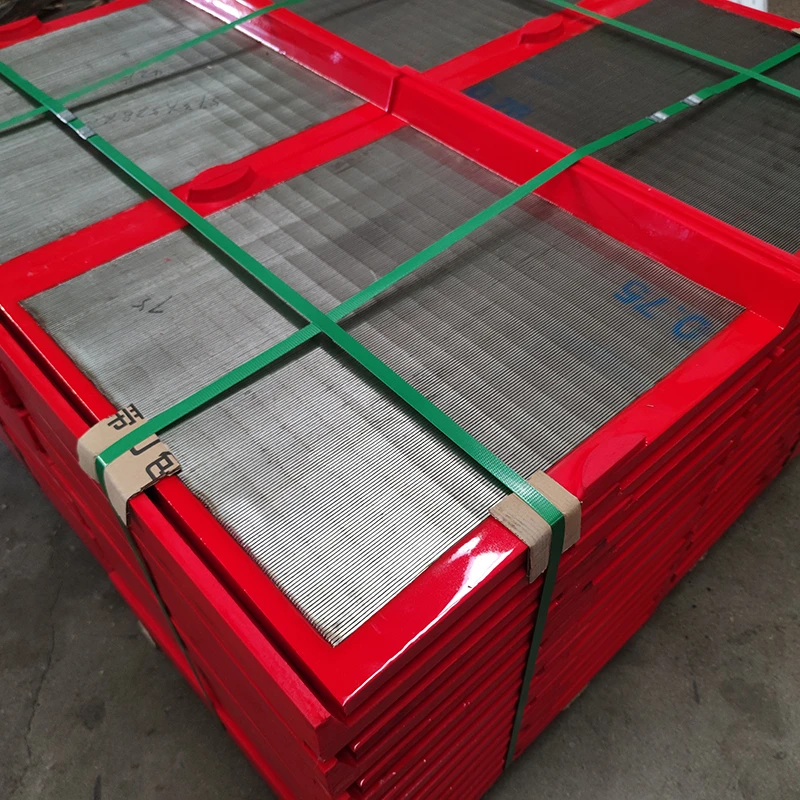
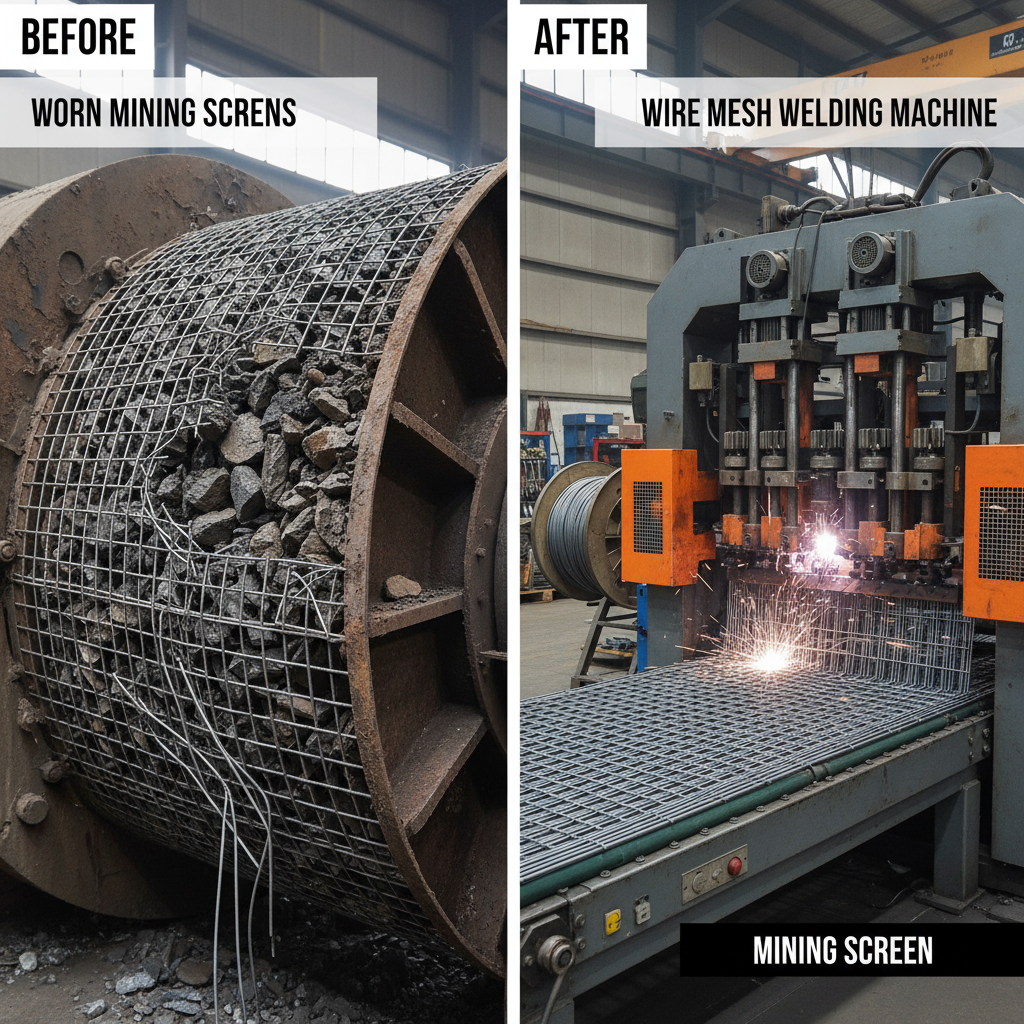
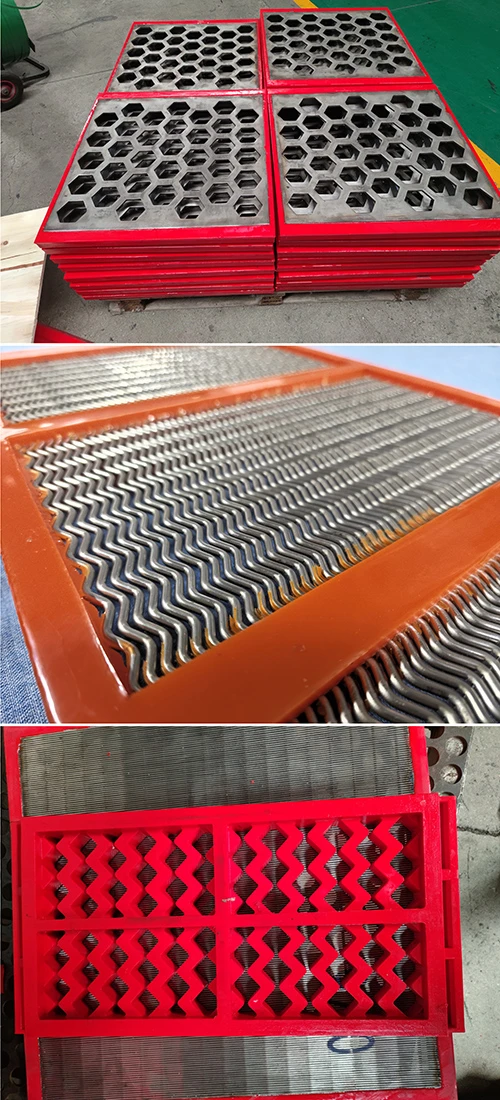
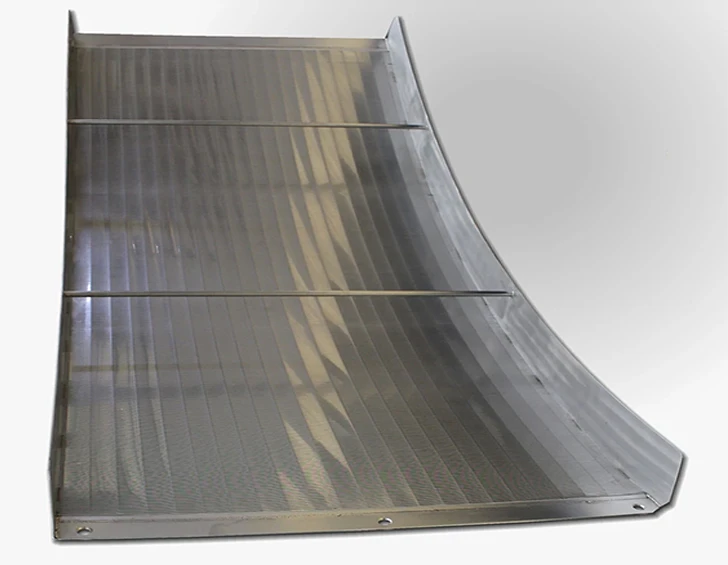
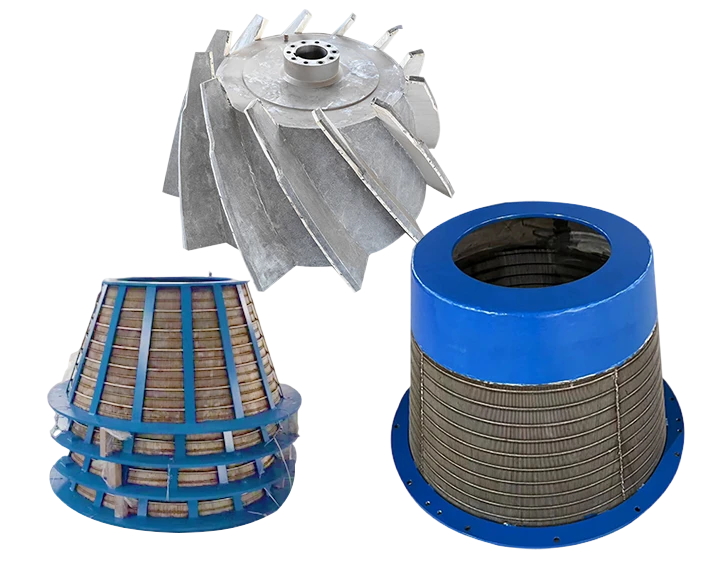
Screening in quarry environments is rough. Steel frames, abrasion-resistant screens, and heavy-duty springs help machines last longer despite constant wear. Many engineers swear by high-grade manganese steel wire mesh for screens to maintain a balance between strength and flexibility.
2. Scalability and Capacity
Depending on throughput needs, vibrating screens come in various sizes and deck numbers—from small single-deck units to massive multi-layer systems handling hundreds of tons per hour. The choice often boils down to how much stone must be sorted per shift and the precision required.
3. Cost Efficiency
Energy consumption and ease of maintenance directly impact operating costs. Optimizing vibration frequency lets users maximize sorting efficiency without wasting power, while quick screen replacements reduce downtime. Oddly enough, the cheapest screen ends up costing more if quality or operational aspects are ignored.
4. Vibration Mechanism
Most systems use electromagnetic or mechanical exciters generating tailored vibration patterns—circular, linear, or elliptical—to suit different materials and processing goals. Controlling these vibrations affects throughput and particle separation, so it’s a subtle art every operator learns.
5. Reliability and Safety Features
Vibrating screen machines are subject to continuous impacts. Features like dust covers, safety guards, and noise dampening enhance operator safety and community compliance, especially in urban quarries. Some come with sensors for early failure detection—future trends we’ll touch on soon.
Product Specification Table: Typical Vibrating Screen for Stone Crusher
| Specification | Description / Value |
|---|---|
| Screening Area | 2.5 m² to 12 m² |
| Decks | 1 to 3 layers |
| Vibration Frequency | 750 - 1500 RPM (rotations per minute) |
| Motor Power | 5 kW to 37 kW |
| Screen Mesh Size | 0.5 mm up to 100 mm |
| Weight | 1500 - 5000 kg |
How and Where Are Vibrating Screens for Stone Crushers Used Globally?
Regular as clockwork, rock quarries in the Americas, Asia, and Europe rely heavily on vibrating screening technology. For example, large-scale infrastructure projects like the China Belt and Road initiative deploy these screens in multiple crushing stages to ensure roadbed aggregates meet stringent standards. In developing countries, the equipment helps local entrepreneurs supply construction material cheaply and efficiently—supporting jobs and economic growth.
In remote industrial zones—such as mining sites in Canada or Australia—portable vibrating screens allow fast setup, vital during tight project timelines. Oddly enough, in humanitarian zones, efficient screening expedites building rubble recycling for temporary structures.
These global applications underscore how the vibrating screen for stone crusher is a backstage actor in massive projects and small local operations alike.
Vendor Comparison Table: Popular Vibrating Screen Suppliers
| Vendor | Range of Sizes | Technology Type | Warranty | Average Price (USD) |
|---|---|---|---|---|
| MutoScreen Inc. | Small to Large (2.5 - 12 m²) | Electromagnetic Exciter | 2 years | $15,000 - $55,000 |
| GraniteScreen Ltd. | Medium to Large (4 - 10 m²) | Mechanical Exciter | 1.5 years | $18,000 - $50,000 |
| ScreenTech Solutions | Small (2 - 6 m²) | Electromagnetic Exciter | 3 years | $12,000 - $40,000 |
Advantages and Long-Term Value of Using Vibrating Screens in Stone Crushing
- Cost Savings: Enhanced sorting reduces fines, optimizing material sales and cutting project costs.
- Sustainability: Reuse of screened aggregates minimizes quarry waste and environmental impact.
- Reliability: Minimal downtime thanks to simple maintenance translates to better project timelines.
- Social Impact: Faster delivery of materials aids community-based infrastructure projects, improving living standards.
- Safety: Automated screening keeps workers away from hazardous sorting tasks, preserving human dignity.
When you think about it, the vibrating screen isn’t just a machine; it's a trust-builder between engineers, workers, and the environment. It guarantees quality, cuts corners on waste, and helps livelihoods thrive.
Looking Ahead: Future Trends and Innovations
The technology behind vibrating screens is evolving. Several companies are integrating smart monitoring systems that use IoT sensors to predict failure or maintenance needs before a costly breakdown occurs. Materials science innovations are pushing for lighter yet stronger screen meshes, improving energy efficiency.
Green energy is another frontier; solar-powered mobile vibrating screens are being tested for remote or eco-sensitive zones. Automation combined with machine learning algorithms could soon fine-tune vibration settings on the fly depending on feed material composition. Sustainability regulations will increasingly push vendors to reduce noise and dust emissions — a win for communities around quarries.
Common Challenges and Practical Solutions
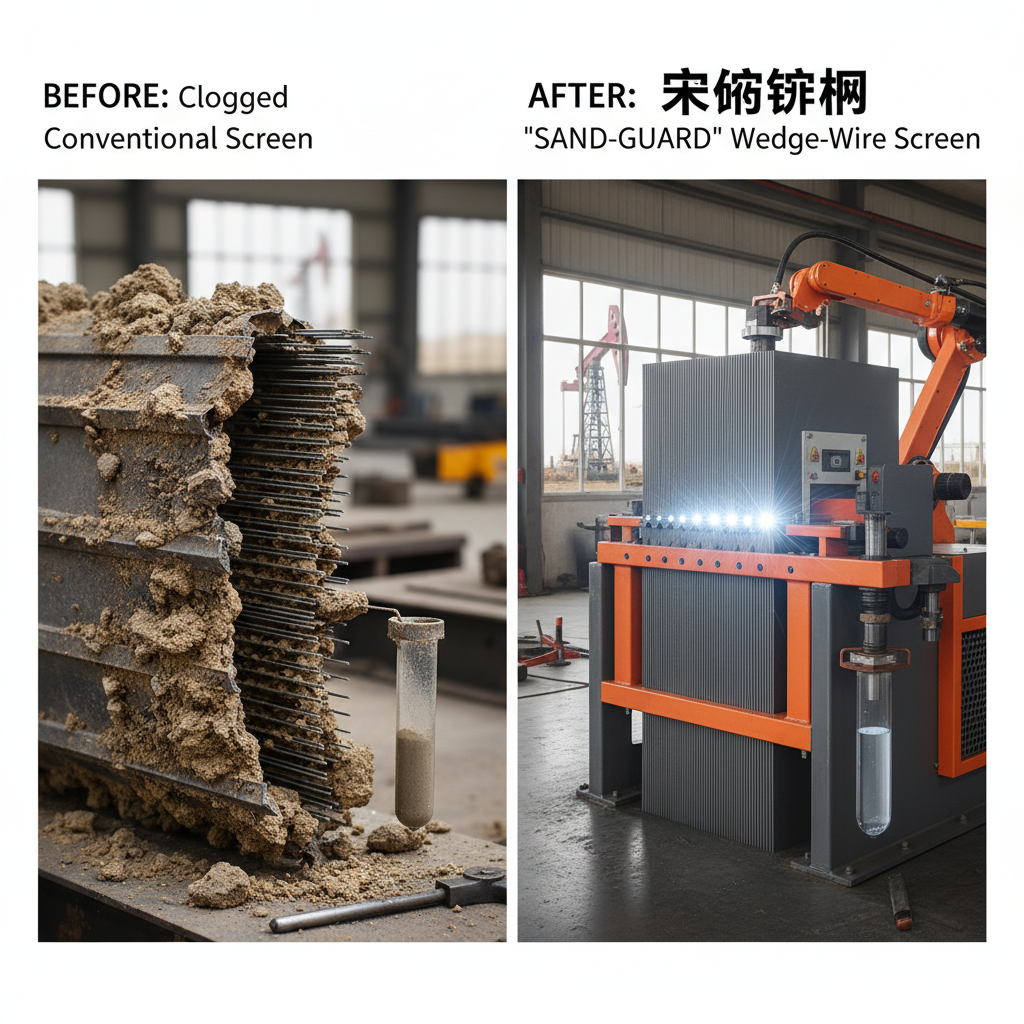
Of course, no technology is without flaws. Clogging can jam screens, especially with sticky or wet materials. Some operators find balancing vibration amplitude tricky, resulting in inefficient sorting. However, modular screen designs and quick-swap screen panels significantly reduce downtime. Plus, proper feed preparation and pre-screening help minimize clogging.
Training technicians is often overlooked but vital. Many manufacturers now offer detailed tutorials and remote assistance to ensure users get maximum machine value. So yeah, vibrating screens are rock stars, but they need teamwork.
FAQ: What You Often Want to Know About Vibrating Screens for Stone Crushers
- 1. How do I choose the right vibrating screen size for my stone crusher?
- Consider your crushing capacity, desired throughput, and particle size gradation. Smaller units suit low output sites, while multi-deck screens handle higher volumes and finer separations.
- 2. Can vibrating screens handle wet or sticky stone materials?
- They can, but wet materials increase clogging risk. Using rubber-coated screens or additional spray systems can reduce sticking and maintain efficiency.
- 3. What maintenance tasks are critical for screening equipment?
- Regularly check screen tension, clear debris, lubricate moving parts, and inspect vibration motors. Address wear and tear before they cause breakdowns.
- 4. Are mobile vibrating screens practical for on-site applications?
- Absolutely. Mobile screens allow rapid relocation, ideal for quarry expansions or temporary sites. They often come with quick assembly features.
- 5. How energy efficient are modern vibrating screens?
- Advancements have trimmed power consumption via optimized vibration frequencies and lighter materials. Digital controls further enhance efficiency by adjusting to material feed.
Wrapping Up: Why Vibrating Screens Are Indispensable For Stone Crushing
In the end, the vibrating screen for stone crusher is a quietly essential cog in the machinery of infrastructure growth, environmental stewardship, and industrial innovation. Its ability to efficiently classify materials improves costs, reduces waste, and supports livelihoods. If you want to dive deeper or find the perfect model tailored for your needs, visit our website and explore how these robust machines can elevate your operations.
Whether you're setting up a massive quarry or sorting stones for a local project, vibrating screens bring precision and reliability that just pays off over and over. Now, that's technology worth vibin’ about.
Mini Takeaways:
- Vibrating screens are pivotal to modern stone crushing by improving material separation and efficiency.
- They’re used worldwide—from giant infrastructure projects to small local quarries.
- Future innovations focus on automation, sustainability, and operator safety.
References
- United Nations Statistics Division - Urban Population Trends
- Wikipedia - Vibrating Screen
- ISO Standards for Aggregate Materials