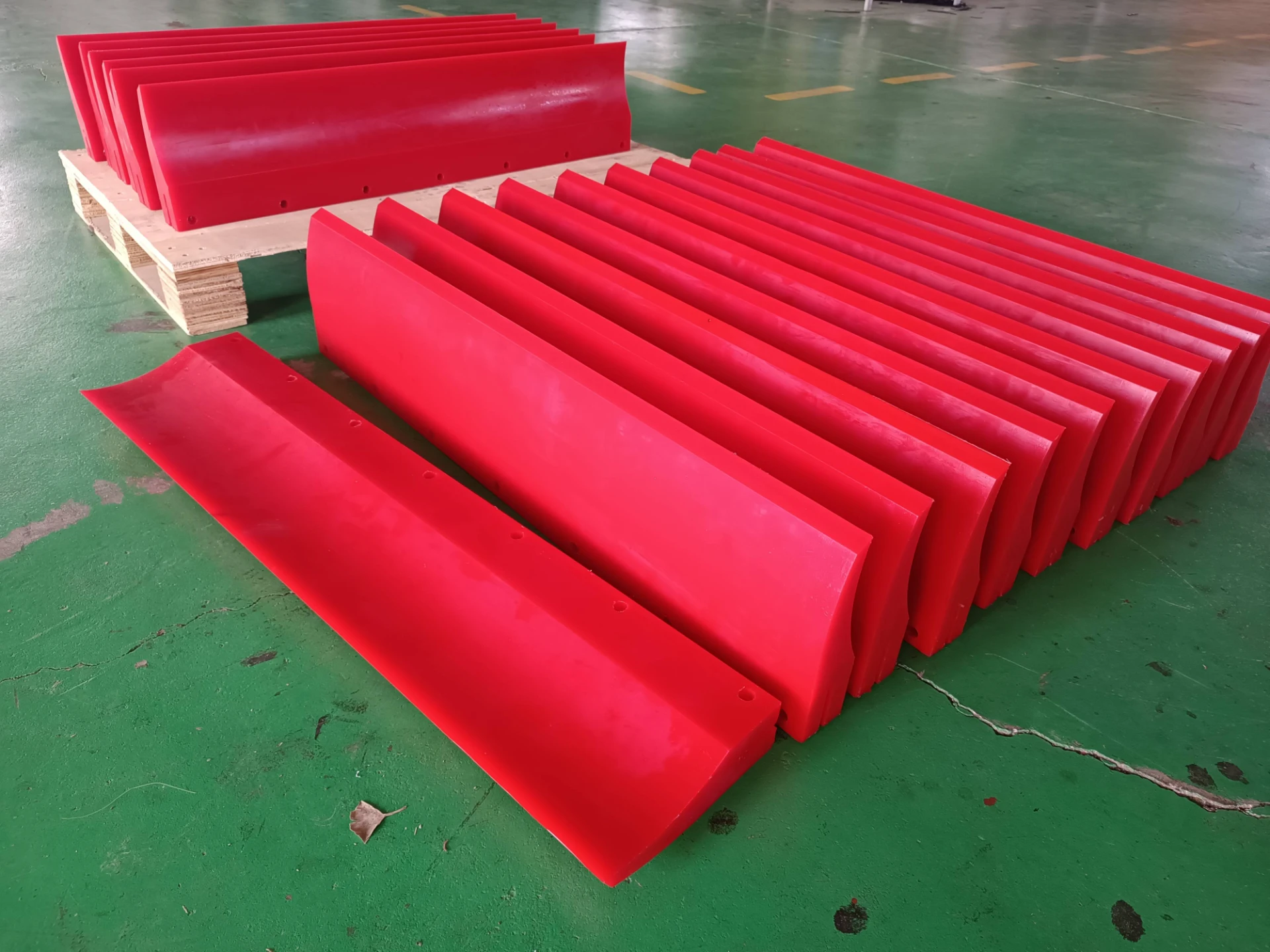
The Quiet Revolution of Anti-Clogging Screens in Real-World Plants
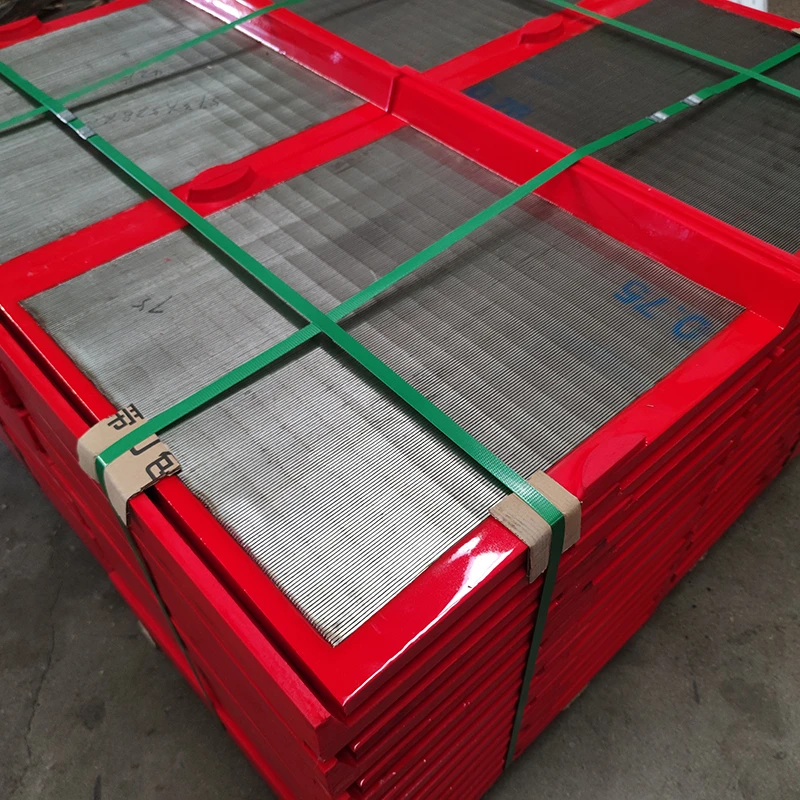
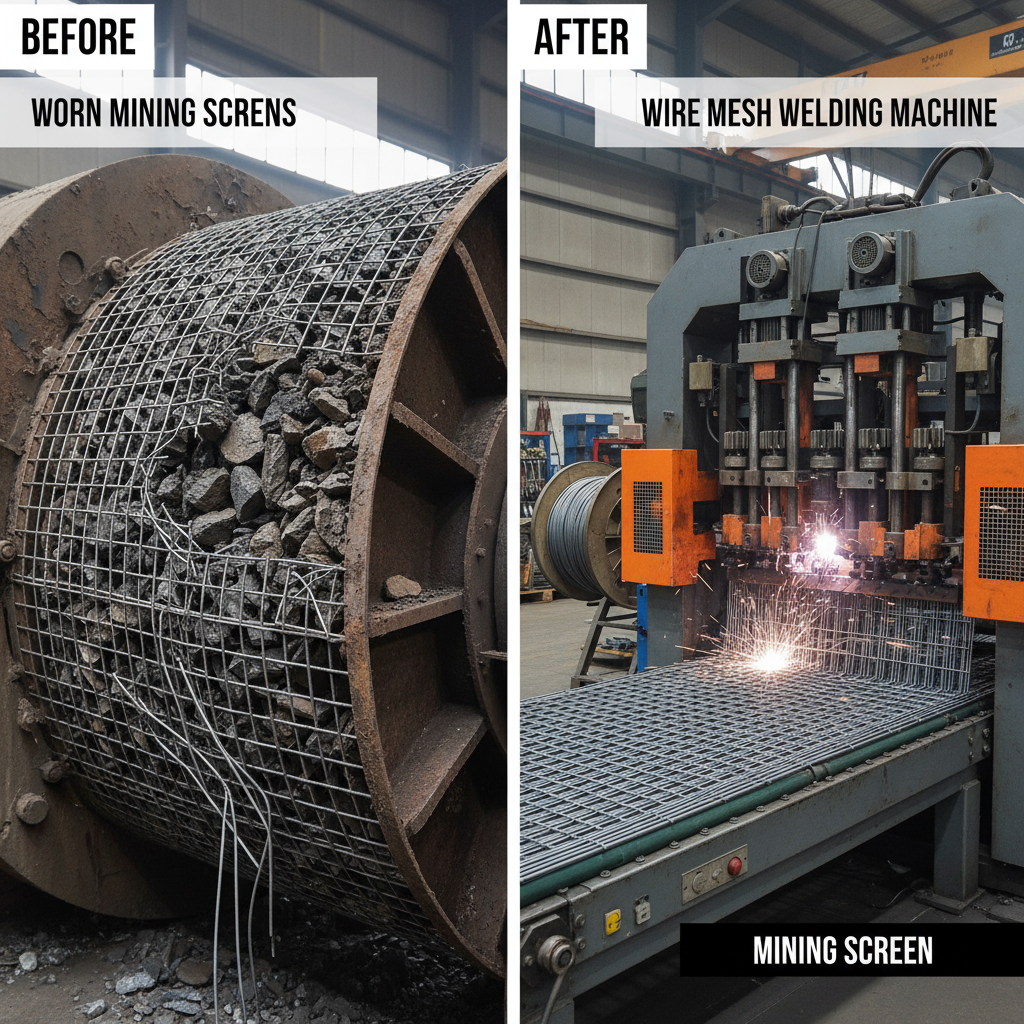
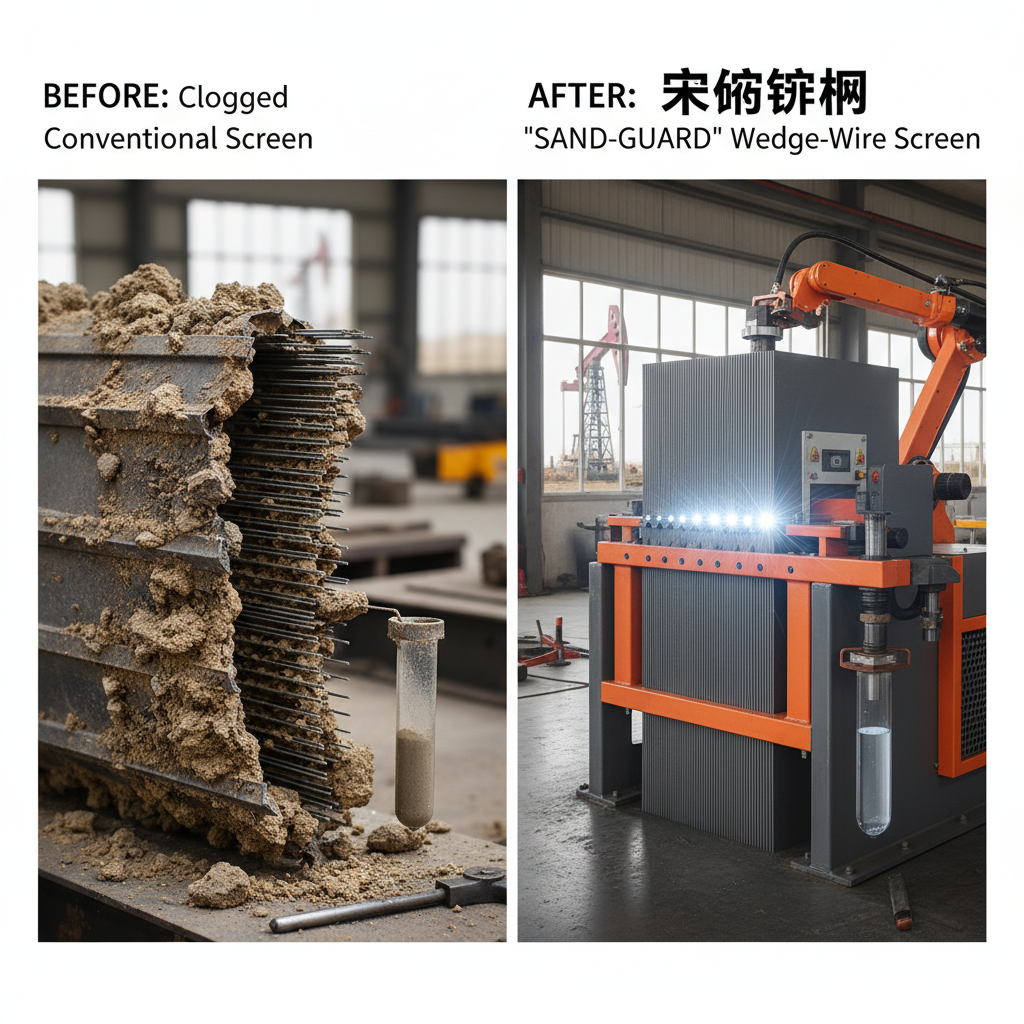
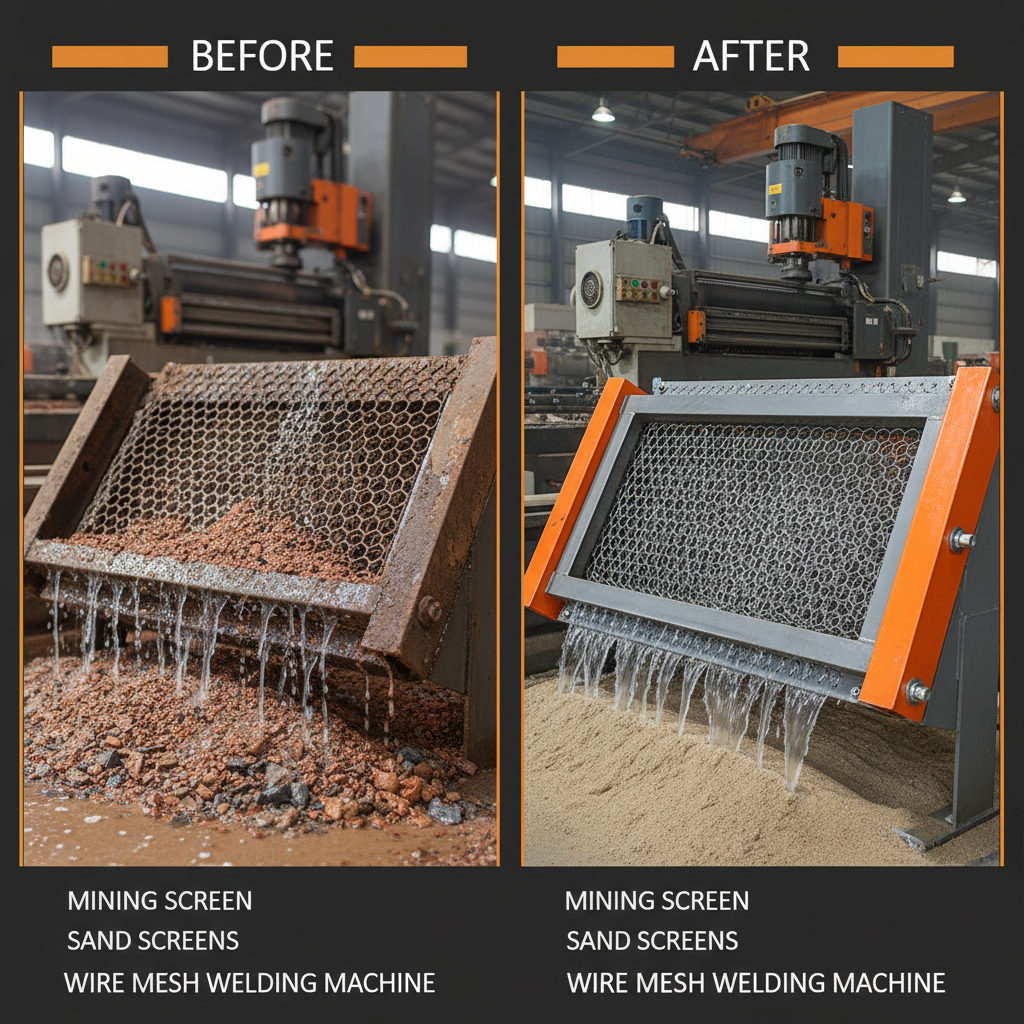
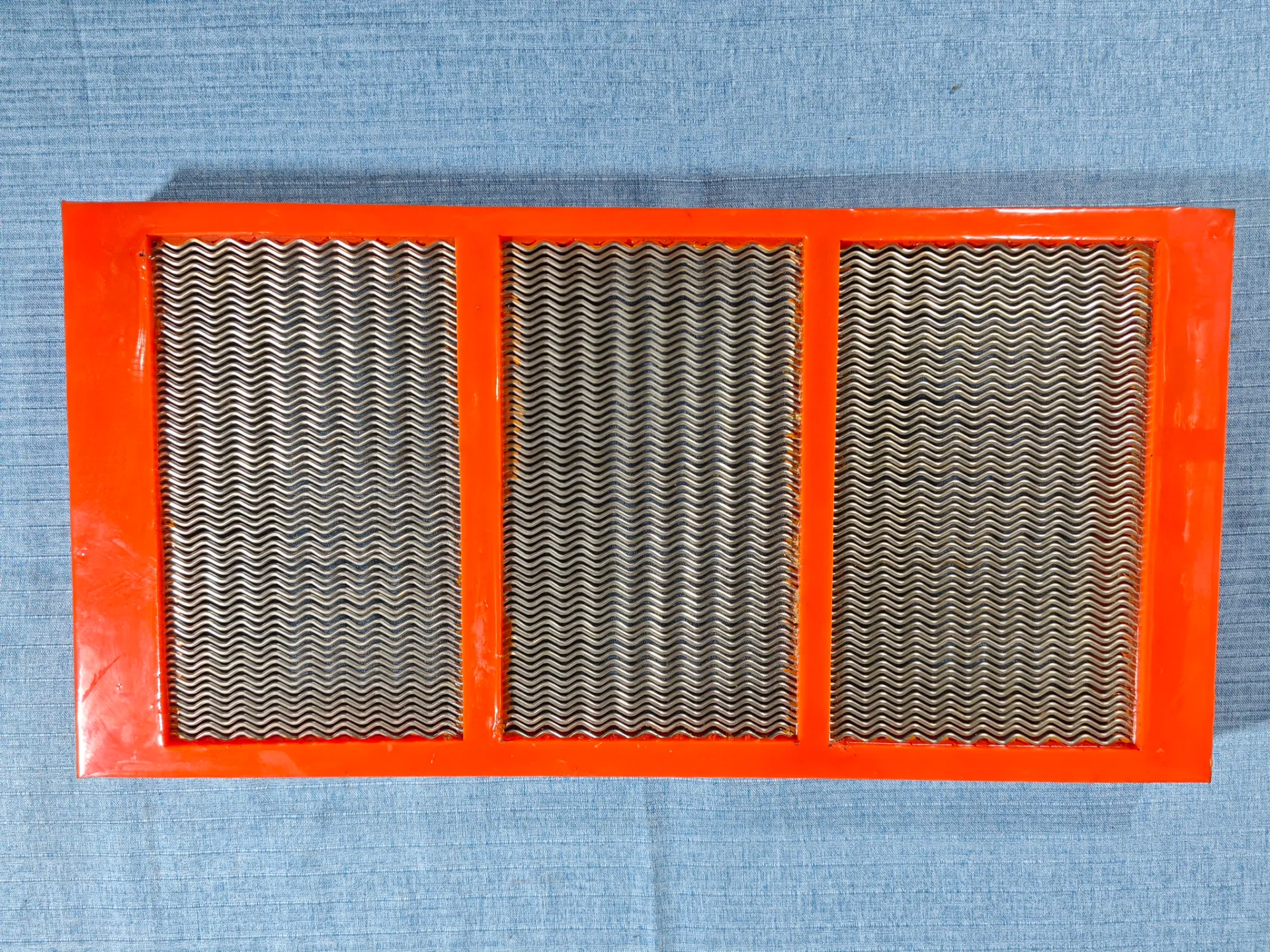
When production managers talk about the Self Cleaning Screen, they usually mean fewer shutdowns, steadier throughput, and less swearing at the deck after rainy shifts. In fact, this screening media—built from independent crimped wires or resilient polyurethane strands—has moved from “interesting niche” to standard kit in aggregates, mining, and recycling because it resists blinding and pegging where conventional wire cloth just… gives up.
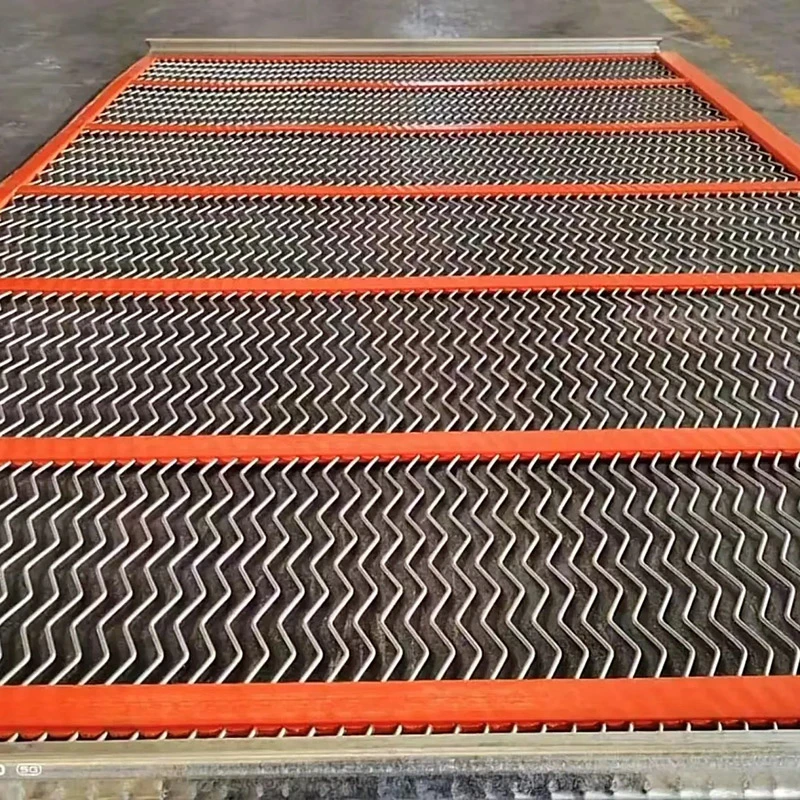
Industry trend check (and why it matters)
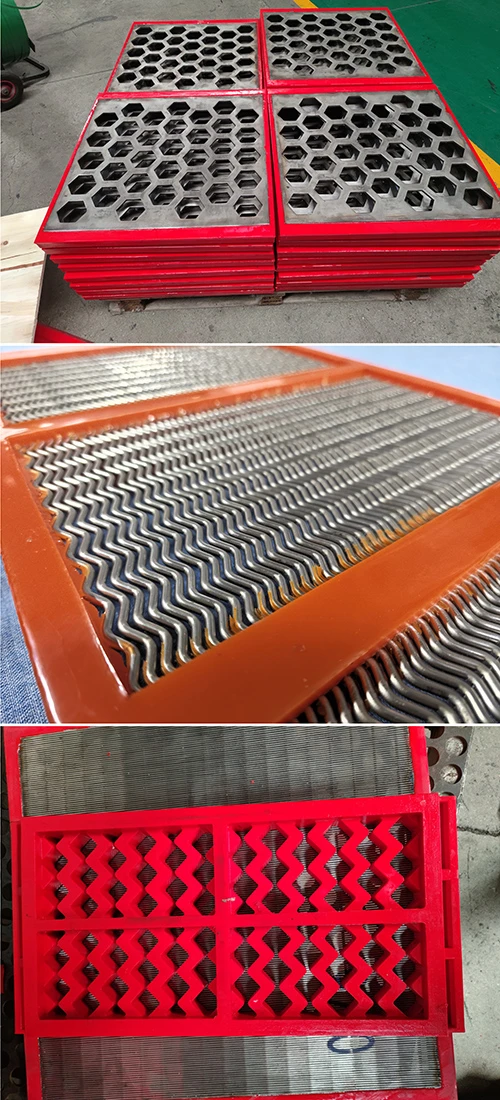
Two converging trends are obvious on site visits: more moisture in feed (weather volatility) and tighter product specs. That’s a nasty combo for old-school square mesh. The newer Self Cleaning Screen patterns—wave, harp, and hybrid—flex under vibration, shedding sticky fines and micro-aggregates. Many customers say they see 15–35% more uptime in wet conditions, which feels conservative on bad clay days.
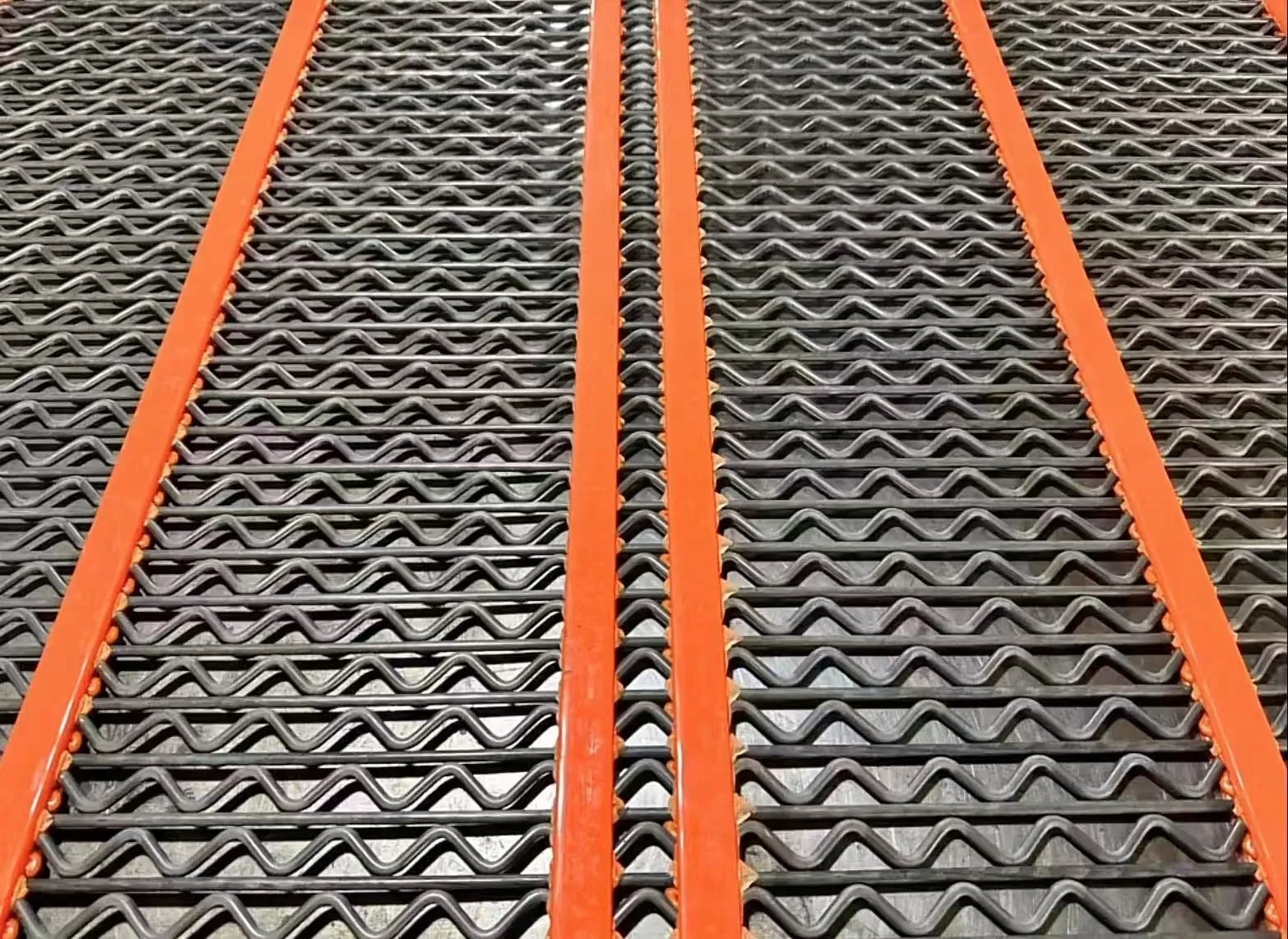
What it’s made of and how it’s built
Origin matters: production here runs out of Hehuang Road, Anping County, Hengshui, Hebei Province—an area that lives and breathes wire cloth. The typical build uses high-carbon steel (e.g., 65Mn), stainless (304/316) for corrosive circuits, or polyurethane cords for ultra-sticky material. Hook strips are usually mild steel or stainless, with pre-tensioning tuned to deck dynamics.
| Parameter | Typical Range | Notes |
|---|---|---|
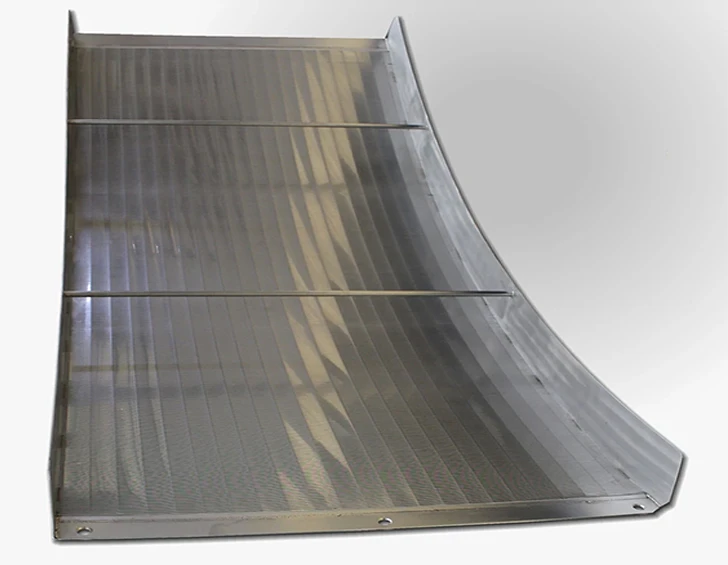
| Aperture (mm) | 3–100 | Square/rectangular/slot; real-world use may vary. |
| Wire Ø (mm) | 0.7–12 | High-carbon, SS 304/316; PU cord options. |
| Open Area | ≈ 35–68% | Depends on pattern (harp/wave/hybrid). |
| Service Life | ≈ 1.2–3.0× wire cloth | Abrasive duty and deck angle affect results. |
| Temperatures | -20 to 120°C | PU cords prefer ≤90°C continuous. |
Process flow (short version)
- Material selection: 65Mn or 304/316 wire; PU cords compounded to ASTM D2240 hardness.
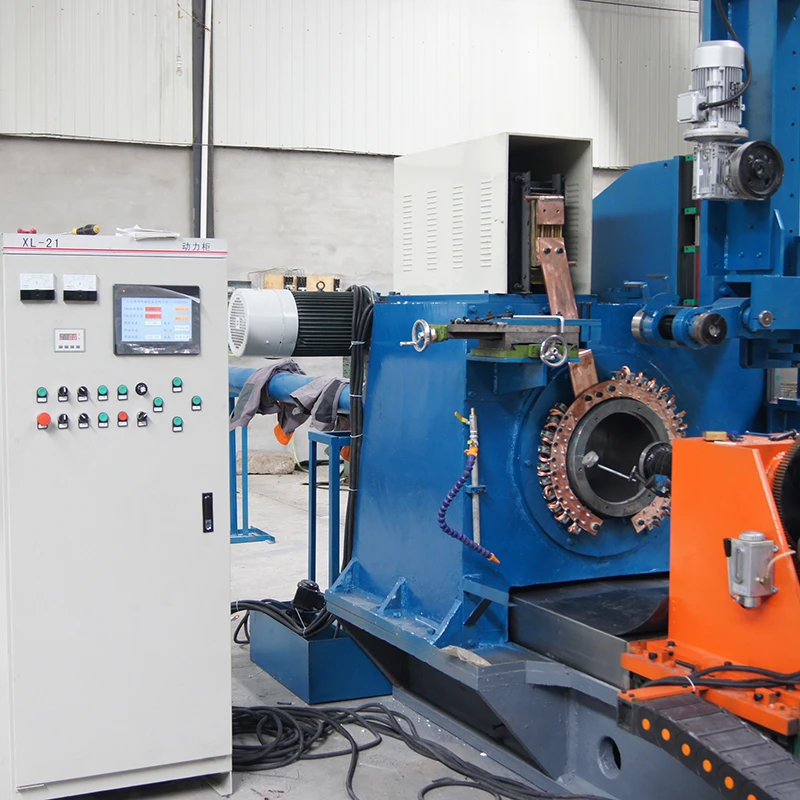
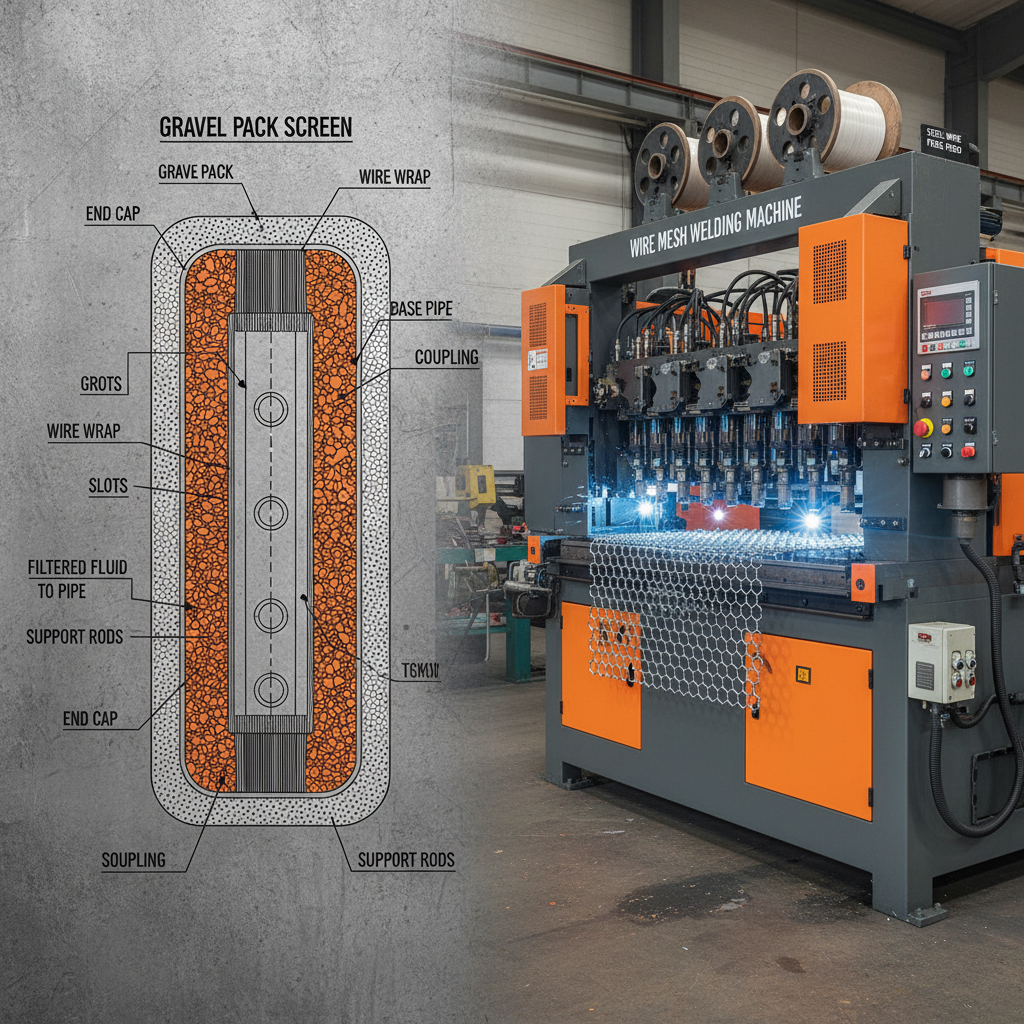
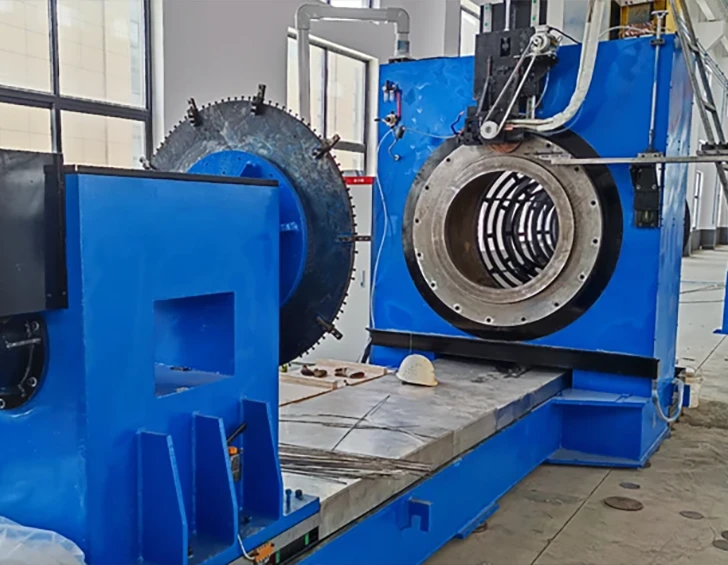
- Forming: precision crimping, alternating free-span sections for anti-blinding action.
- Assembly: cross-bonding and tensioning; hook strip welding with EN 10204 3.1 traceability where requested.
- QA and testing: aperture verification to ISO 9044/ASTM E11, salt spray (ASTM B117) on coated hooks, abrasion checks (ASTM G65) for wear estimates.
- Pilot fit: deck jig check, tension audit, and vibration tune (field).
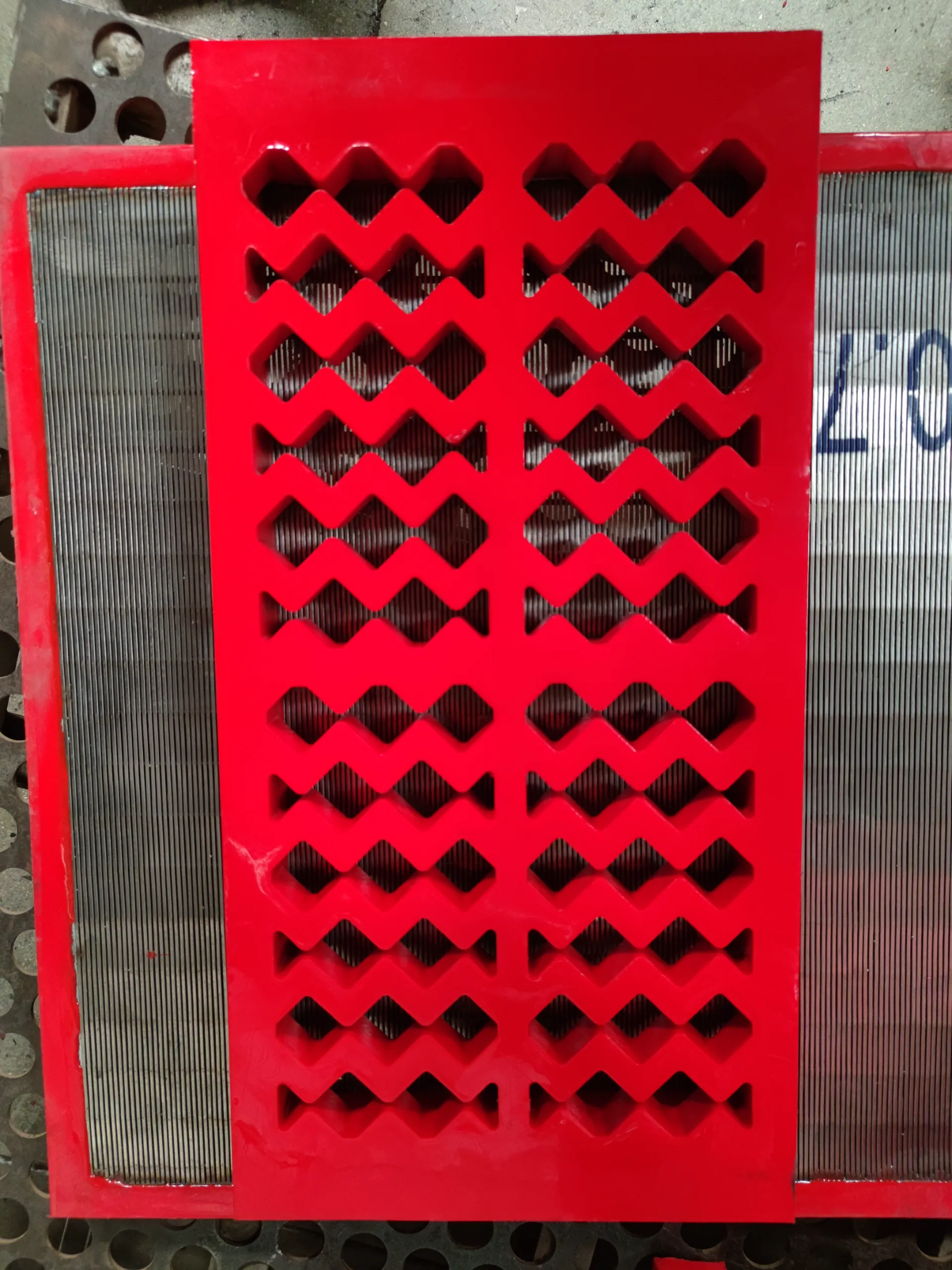
Where it shines
- Aggregates: damp limestone, decomposed granite, manufactured sand.
- Mining: sticky iron ore fines, laterite, coal prep (pre-wet circuits).
- Recycling: C&D fines, compost screening, glass cullet.
Anecdotally, crews report fewer mid-shift cleanouts and a steadier cut on 6–20 mm decks. One quarry supervisor told me, “We stopped carrying pry bars to the top deck,” which, honestly, is the metric that matters.
Customization options
Hook types (C, U, reinforced), panel widths to suit OEM rails, mixed media (center PU cords + steel edges), and corrosion upgrades. Aperture tolerances typically ±3% under ISO 9044.
| Vendor Type | Material Focus | Lead Time | Certs | Notes |
|---|---|---|---|---|
| Anping manufacturer (e.g., MutoScreen) | 65Mn, 304/316, PU hybrid | ≈ 7–15 days | ISO 9001, EN 10204 3.1 on request | Strong customization, local wire expertise. |
| OEM polyurethane specialist | PU cords, high-wet circuits | ≈ 2–4 weeks | ISO 9001, material test reports | Best for ultra-sticky feeds; cost premium. |
| General importer | Carbon steel mesh | ≈ 3–6 weeks | Varies | Budget-friendly; verify aperture tolerance. |
Field results, briefly
A Mid-Atlantic quarry swapped top and middle decks to Self Cleaning Screen (slot 10×40 mm, 65Mn). In wet spring runs, hourly tonnage rose ≈22%, and cleanout stops dropped from four to one per shift. On a compost line using PU-hybrid harp, carryover fell ≈18% with similar open area. To be honest, that’s the pattern I suggest when moisture spikes above 6–7%.
Compliance and paperwork
Typical documentation includes ISO 9001:2015 QMS, material certs (EN 10204 3.1), and test references to ISO 9044 and ASTM E11. For polymer elements: ASTM D2240 (hardness) and D412 (tensile). Wear and corrosion references often cite ASTM G65 and B117 in lab notes.
Bottom line: if your decks blind when weather turns, the Self Cleaning Screen is a smart, not flashy, fix. Less babysitting, better separation, calmer radios.
- ISO 9044: Industrial Woven Wire Cloth — Technical Requirements.
- ASTM E11: Specification for Woven Wire Test Sieve Cloth.
- ASTM G65: Standard Test Method for Measuring Abrasion Using the Dry Sand/Rubber Wheel Apparatus.
- ASTM B117: Standard Practice for Operating Salt Spray (Fog) Apparatus.
- ASTM D2240: Standard Test Method for Rubber Property—Durometer Hardness.
- ISO 9001:2015 Quality Management Systems—Requirements.