Wedge Wire Sieve Bend Screen — field notes from the plant floor
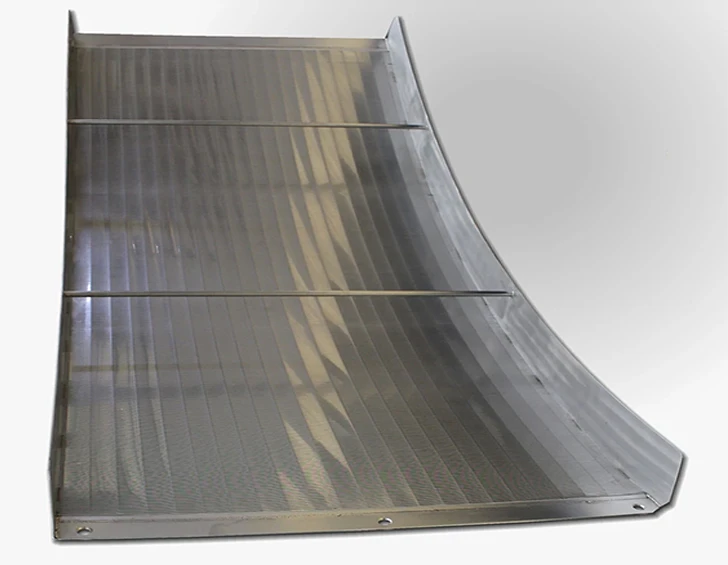
If you’ve ever chased fines removal or dewatering efficiency at 2 a.m., you’ve probably met the Sieve Bend Screen. Also called DSM screens, these curved, wedge-wire panels quietly lift throughput and cut maintenance. I’ve seen them save an entire shift’s worth of headaches in pulp mills, coal prep, and starch plants alike.
What it is and why the market cares
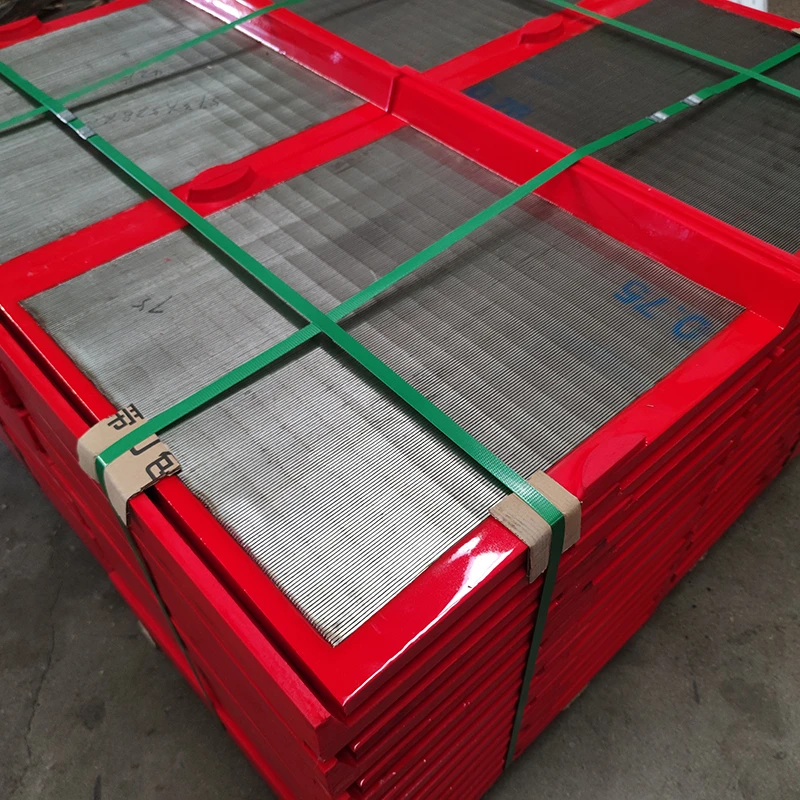
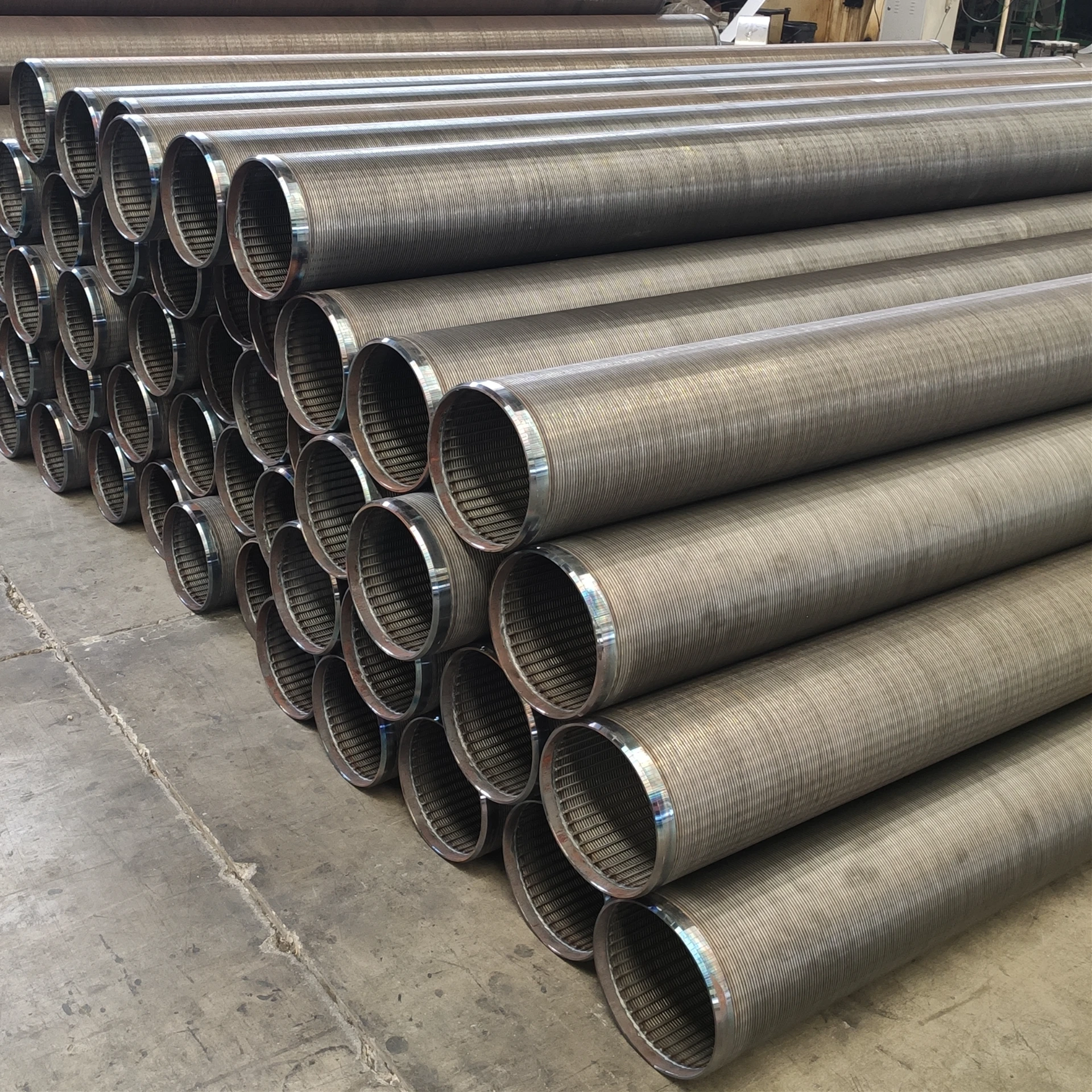
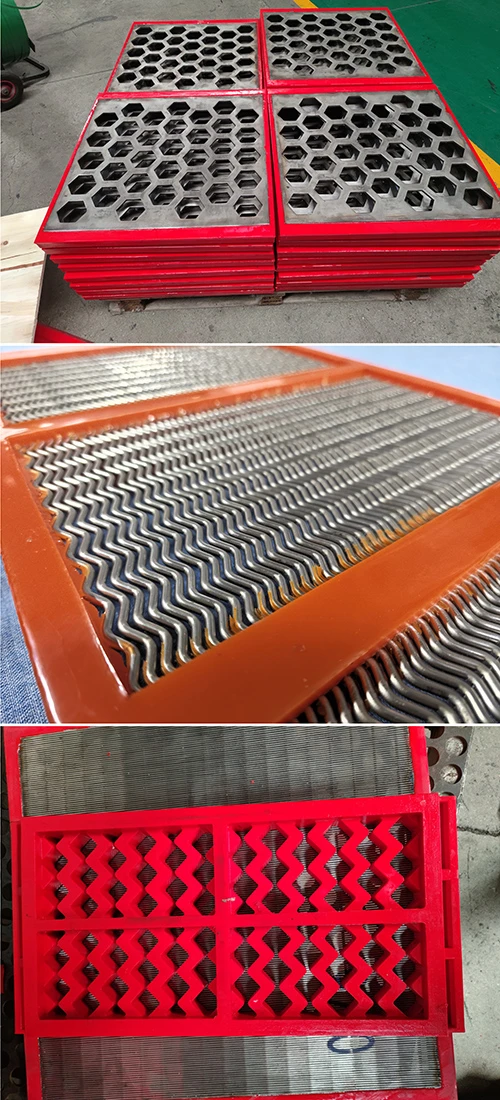
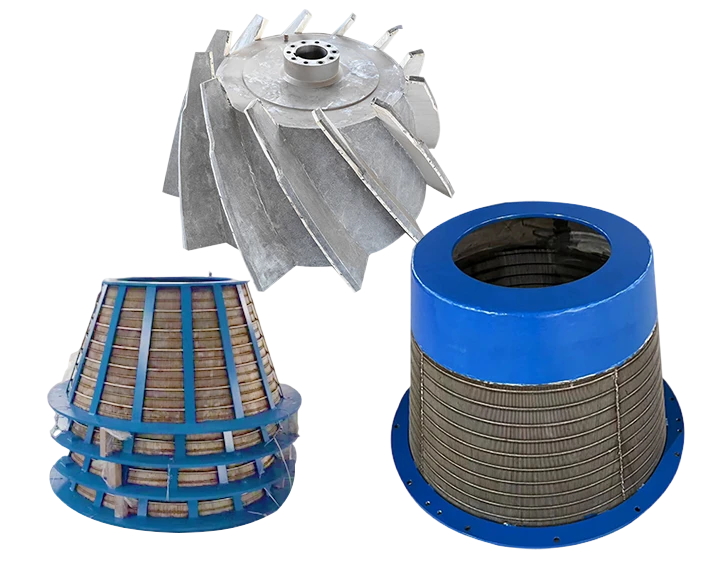
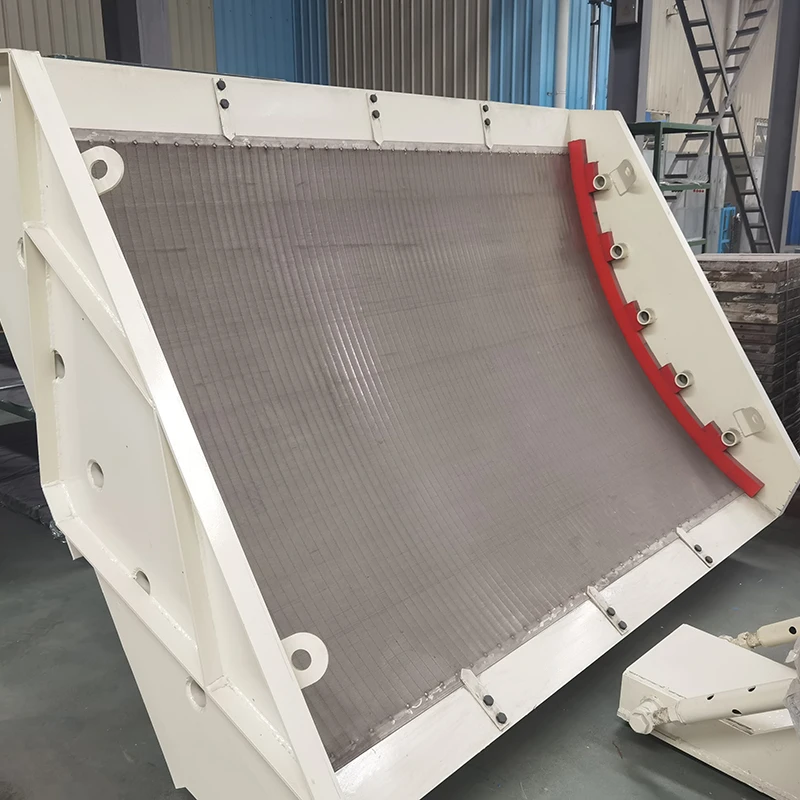
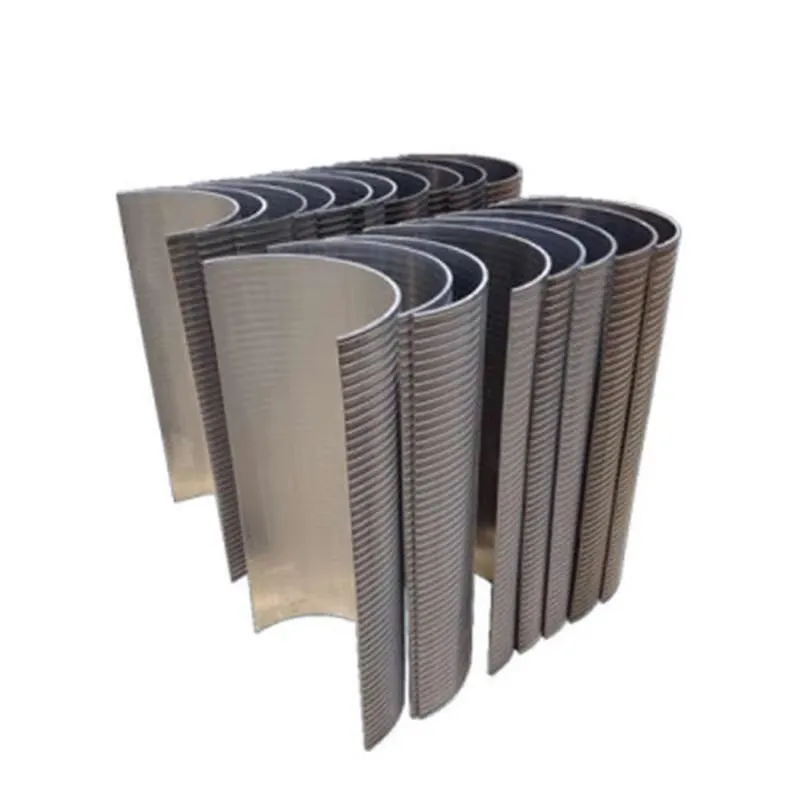
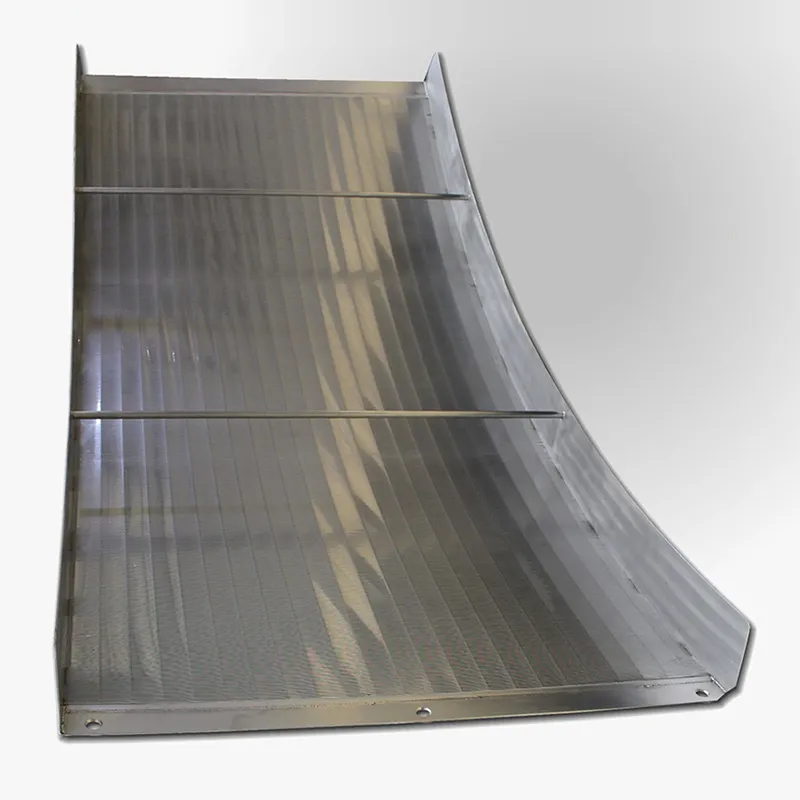
The wedge wire design (stainless, typically 304/316L) forms a curved profile that accelerates feed, sheds blinding, and separates solids with a surprisingly low pressure drop. Lately, the trend is tighter slot control (±0.02–0.05 mm), CIP-friendly frames, and sustainability metrics—less water, more recoverables. Frankly, it tracks with what many customers say: “If it runs clean, don’t touch it.”
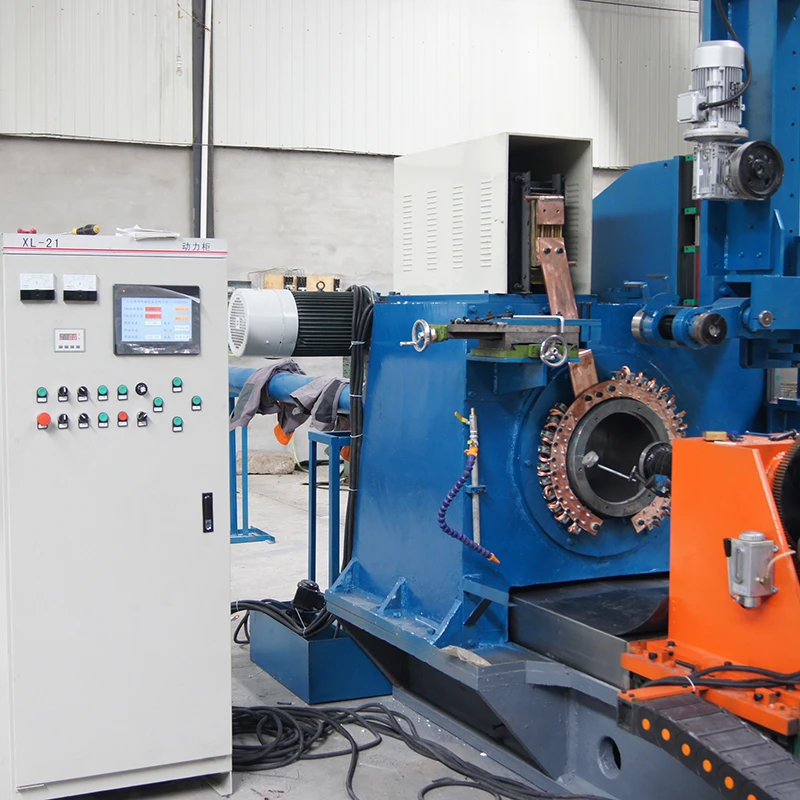
Origin matters too. This unit is built in Hehuang Road, Anping County, Hengshui, Hebei Province—an area that’s basically a global hub for wedge-wire know-how.
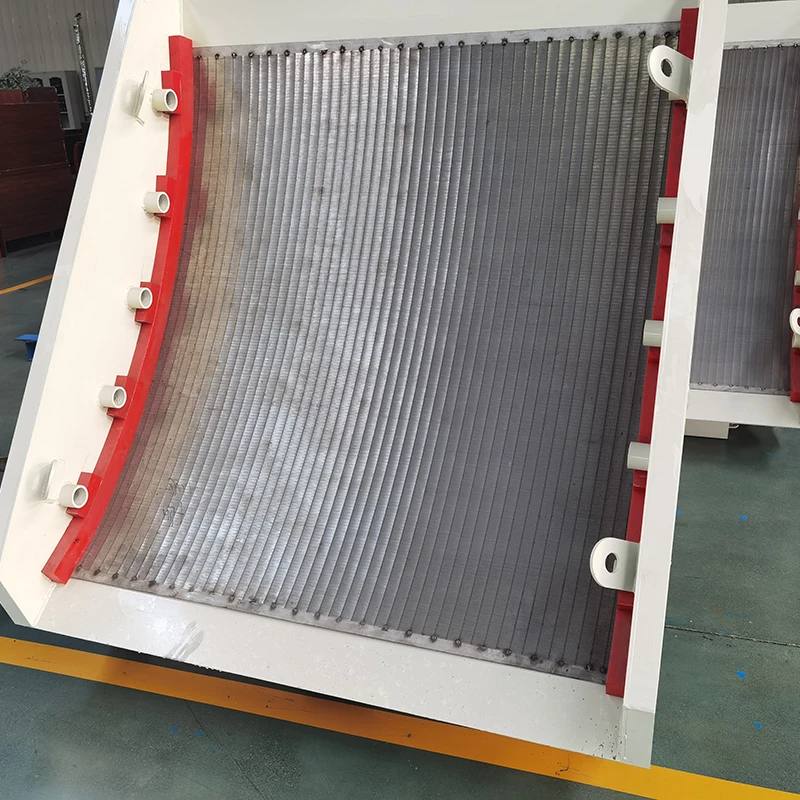
Core specs (typical, real-world use may vary)
| Parameter | Typical | Notes |
|---|---|---|
| Material | SS304 / SS316L | Other alloys on request (duplex for chloride exposure) |
| Slot opening | 0.2–1.5 mm | Control ≈ ±0.03 mm (application-dependent) |
| Radius / arc angle | Custom (e.g., 60–120°) | Influences residence time and cut point |
| Capacity | ≈ 5–120 m³/h | Based on slurry % solids and slot |
| Surface finish | Ra ≤ 1.6 μm | Hygienic options for food/starch |
Manufacturing & QA (short version)
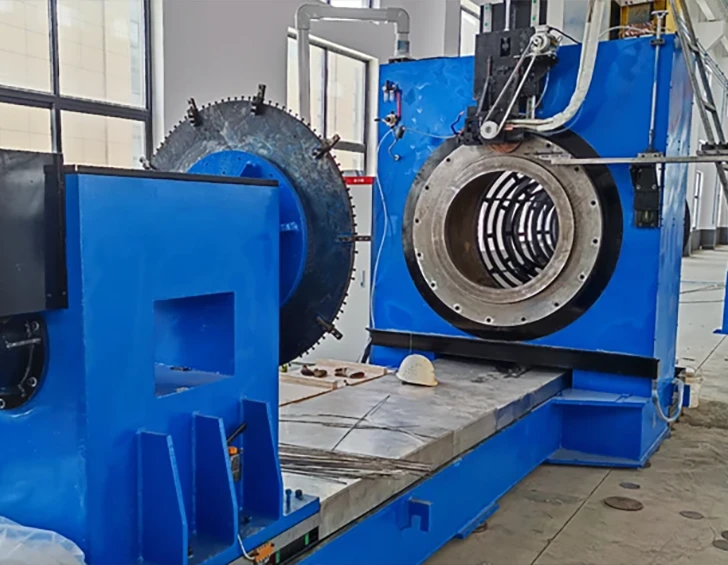
Materials: ASTM A240/A580 compliant stainless; wedge profile + support rods. Methods: precision resistance welding, arc forming, stress relief, final dressing. Testing: slot gauge verification (adapted from ISO 3310/ASTM E11 methodologies), dye penetrant on welds (PT), hydro-flush trials for flow vs. ΔP, and passivation per ASTM A380. Service life? I’ve seen 18–36 months in abrasive duty; far longer in starch or whitewater, assuming proper feed dispersion and spray bars.
Where it shines
- Mining & coal prep: desliming before cyclones; drain-and-rinse.
- Pulp & paper: whitewater fiber recovery; shower-water polishing.
- Food/starch: corn/wheat starch separation, gluten dewatering (CIP-friendly).
- Municipal/industrial wastewater: primary screening, DAF float solids capture.
Advantages? Low energy, self-cleaning geometry, compact footprint, and very forgiving maintenance. Many operators mention fewer shutdowns after swapping in a Sieve Bend Screen.
Real-world snapshots
- Starch plant (APAC): 0.25 mm slot, +14% throughput, wash water down ~11%, 9-month payback.
- Coal facility (EMEA): upgraded to 316L, wear life +28% vs. previous panel; fewer blinding events.
Vendor snapshot (what buyers compare)
| Vendor | Material options | Slot tolerance | Certs | Lead time | Customization |
|---|---|---|---|---|---|
| MUTO (Anping) | 304/316L, duplex | ≈ ±0.03 mm | ISO 9001 | 2–4 weeks | High (radius/slots/frames) |
| Vendor B | 304/316 | ≈ ±0.05 mm | ISO 9001 | 3–6 weeks | Medium |
Customization & integration tips
Match slot to the d90 of your solids; adjust arc angle for capacity vs. cut point; specify spray bars for sticky feeds; and, to be honest, don’t skimp on feed distributor design. For food-grade service, ask for documented passivation, weld maps, and material traceability. A Sieve Bend Screen is only as good as the upstream hydraulics.
Certifications, tests, and data points
- Material certs: EN 10204 3.1; ISO 9001 QMS.
- Passivation/cleaning: ASTM A380 procedures.
- Aperture verification: slot gauges; methods referenced to ISO 3310 / ASTM E11.
- Typical ΔP: ≈ 2–30 kPa across panel (depends on slurry % and slot).
References
- ASTM A240/A240M – Standard Specification for Chromium and Chromium-Nickel Stainless Steel Plate, Sheet, and Strip.
- ASTM A380/A380M – Standard Practice for Cleaning, Descaling, and Passivation of Stainless Steel Parts.
- ISO 3310 / ASTM E11 – Test sieves specifications (aperture verification methodologies, adapted for wedge wire).
- ISO 9001:2015 – Quality management systems—Requirements.