Understanding the Sieve Plate: Why It Matters More Than You Think
If you’ve ever worked in chemical processing, oil refining, or even wastewater treatment, you’ve likely encountered a sieve plate without really thinking much about it. Yet this seemingly simple component plays a critical role in separating fluids, managing flow, and optimizing industrial processes worldwide. Globally, as industries grow and environmental standards tighten, understanding the design and function of sieve plates can save money, improve efficiency, and reduce waste. In short, it’s one of those tiny unsung heroes that quietly keep modern industry running smoothly.
Why does that matter outside industrial circles? Well, efficient separation technology enabled by sieve plates means cleaner emissions, better recycling of materials, and safer chemical processing. Put simply, it’s an intersection of engineering precision and environmental stewardship.
The Global Context: Sieve Plates Hold Key Industrial Value
Worldwide, the chemical and process industries combined generated over $4 trillion in revenue in recent years (source: Statista). These sectors rely heavily on distillation and absorption columns—among the most basic yet indispensable industrial units—which use sieve plates extensively. According to the International Organization for Standardization (ISO), optimizing separation equipment can reduce energy use by up to 15%, a significant figure when you consider global emissions tied to industrial energy consumption.1
Yet there’s a challenge here: manufacturers often face inefficiencies caused by poor plate design or corrosion failure. This leads to downtime, increased operational costs, and environmental concerns. So the humble sieve plate is also a “bottleneck” (forgive the pun) in the race for greener, streamlined production.
What Exactly Is a Sieve Plate?
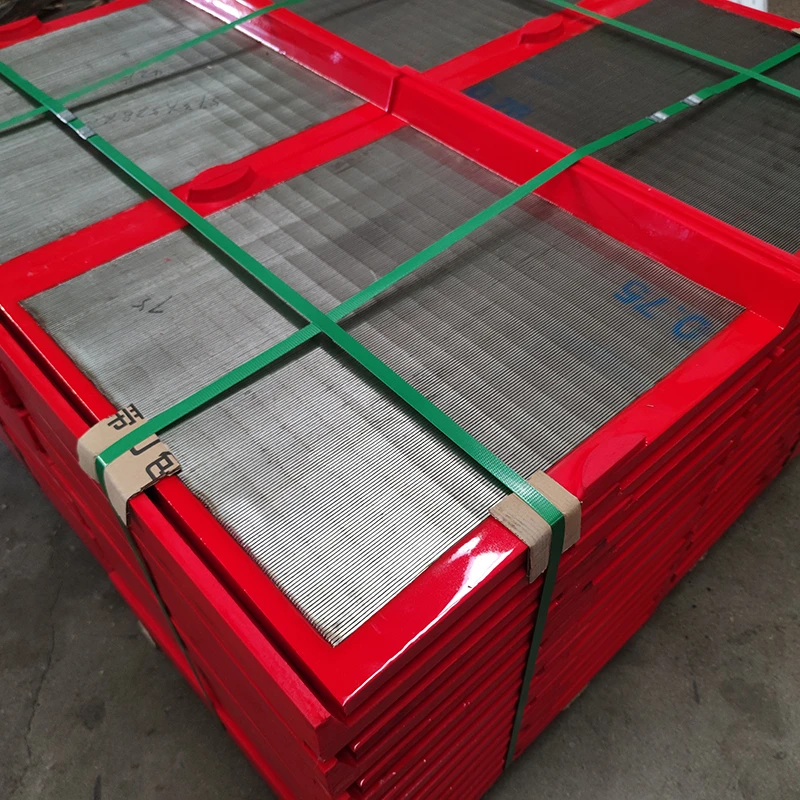
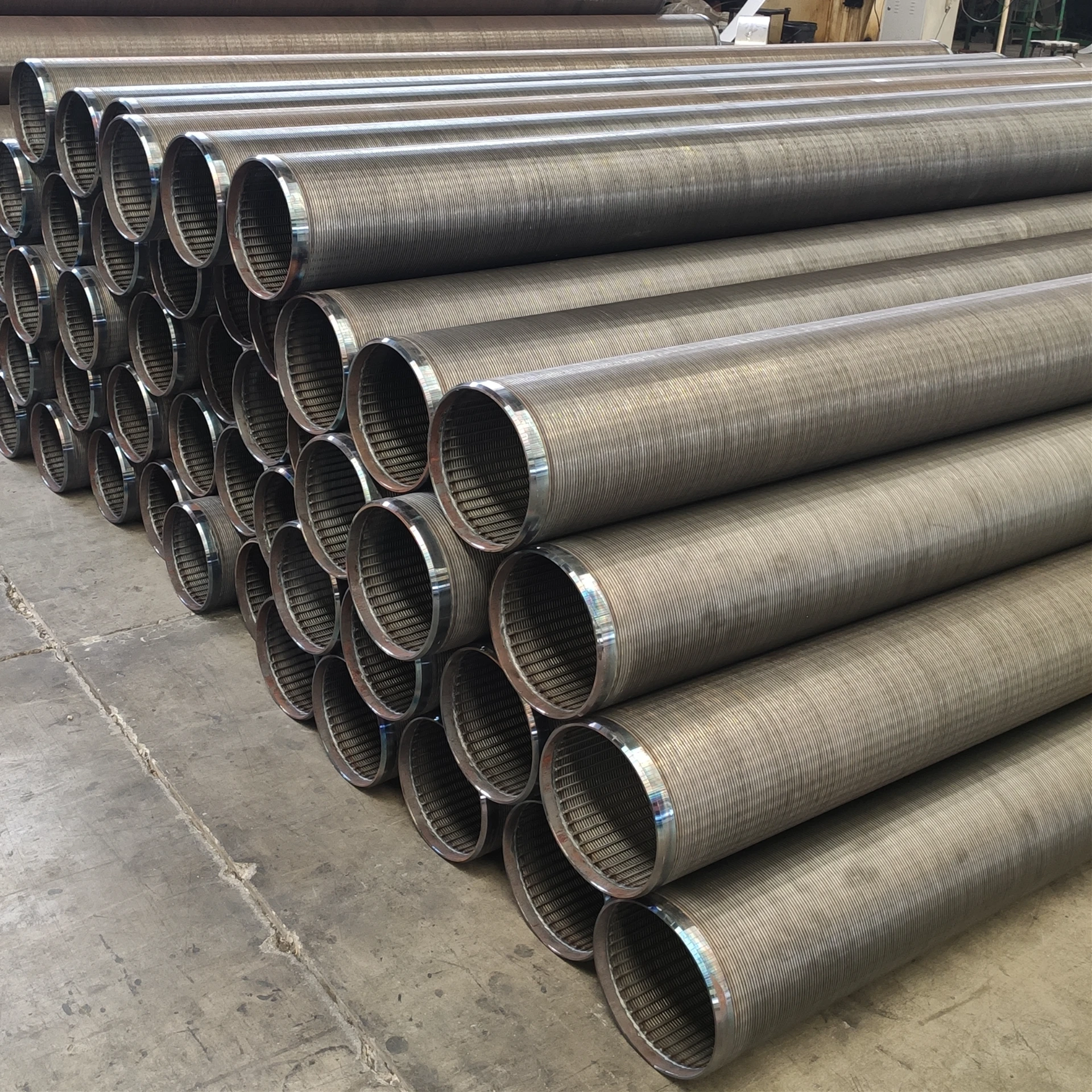
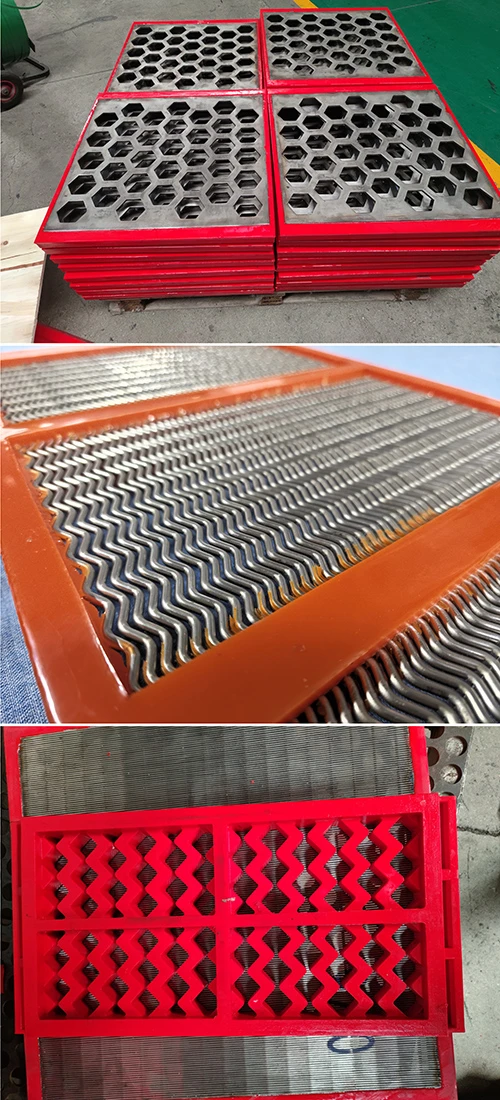
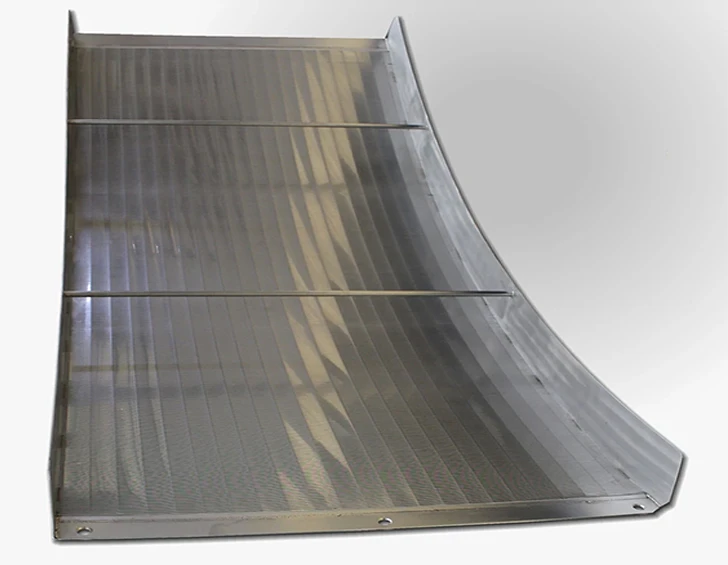
In simple terms, a sieve plate is a perforated metal disc installed inside columns or towers, used to support liquid in separation processes while allowing gas or vapor bubbles to pass through.Sieve plate functions like a finely tuned mesh that promotes contact between phases—essential for effective distillation, scrubbing, or absorption.
The result? Improved mass transfer efficiency—the holy grail for chemical plants—leading to purer products, less waste, and safer operations. Oddly enough, these plates are often overshadowed by fancier tech but are fundamental to hundreds of industrial systems worldwide.
Core Aspects of Sieve Plates
Durability: The Backbone of Long-Term Operation
Sieve plates must endure harsh chemical environments, pressure fluctuations, and corrosive materials. Materials range from stainless steel to more exotic alloys or even specialized coatings. Choosing the right material can extend equipment life by years. I noticed many engineers stress corrosion resistance above all else.
Hole Geometry & Aperture Size
The pattern, diameter, and distribution of the holes influence flow rates and pressure drop. For example, smaller, closely spaced holes boost efficiency but increase fouling risk. It's always a careful balancing act.
Scalability & Customization
Columns vary wildly in size, so sieve plates come in various diameters and thicknesses, often custom-designed. Flexibility is crucial—not every plant can simply buy an off-the-shelf plate and call it a day.
Cost Efficiency
Beyond the upfront price, factors like plate longevity, ease of maintenance, and impact on plant energy consumption determine overall cost-effectiveness.
Compatibility with Process Conditions
Sieve plates need to match the operating temperature, pressure, and phase flow rates of a column, or else their efficiency plummets. A plate that works great for one reaction may be useless in another.
Mini takeaway: Crafting an ideal sieve plate is no simple “cut & punch” job. Material choice, hole design, and fit-for-purpose planning all play a massive role in real-world efficiency.
Real-World Uses: Where Sieve Plates Shine
From petrochemical hubs in the Middle East to pharmaceutical plants in Europe and biofuel production in South America, sieve plates are everywhere. They’re central to:
- Refining crude oil into gasoline, diesel, and jet fuel
- Purifying industrial gases like hydrogen and oxygen
- Water treatment facilities removing contaminants
- Food and beverage processing for distillation of spirits
In post-disaster relief operations where rapid water treatment is required, portable units with sieve plates filter impurities to provide safe drinking water. In remote industrial zones, modular columns fitted with reliable sieve plates mean repair and uptime can be swift—critical in places where supply chains are thin.
Why These Components Offer More Than Meets the Eye
Functionally, sieve plates reduce energy consumption and increase throughput—meaning companies save money and lower their carbon footprint. But there’s an emotional component too: they contribute to safer work environments by minimizing hazardous leaks or excess pressure buildup.
I’ve heard operators speak of “peace of mind” with well-designed sieve plate systems—knowing their column won’t choke, buckle, or cause toxic blowouts feels priceless. Trust, it seems, really can be forged in steel.
| Feature | Value / Range |
|---|---|
| Material | Stainless Steel 304/316, Alloy 20 |
| Diameter | 0.5 m–6 m (custom sizes available) |
| Hole Diameter | 3 mm – 10 mm |
| Plate Thickness | 2 mm – 5 mm |
| Operating Temp. | Up to 400°C (dependent on material) |
| Pressure | Up to 10 bar |
Keeping Up: Innovations in Sieve Plate Design
The future is not just stainless steel and simple punched holes. Emerging materials like titanium alloys and ceramic composites promise longer life spans and higher resistance. Digital simulation tools allow manufacturers to model fluid dynamics through sieve plates before production, improving efficiency dramatically.
Automation also plays a role. Sensors embedded near plates can track fouling or damage in real-time, prompting maintenance before failures occur. Green energy pushes manufacturers to optimize every watt consumed, elevating sieve plate efficiency from “nice-to-have” to must-have.
Common Challenges and How to Beat Them
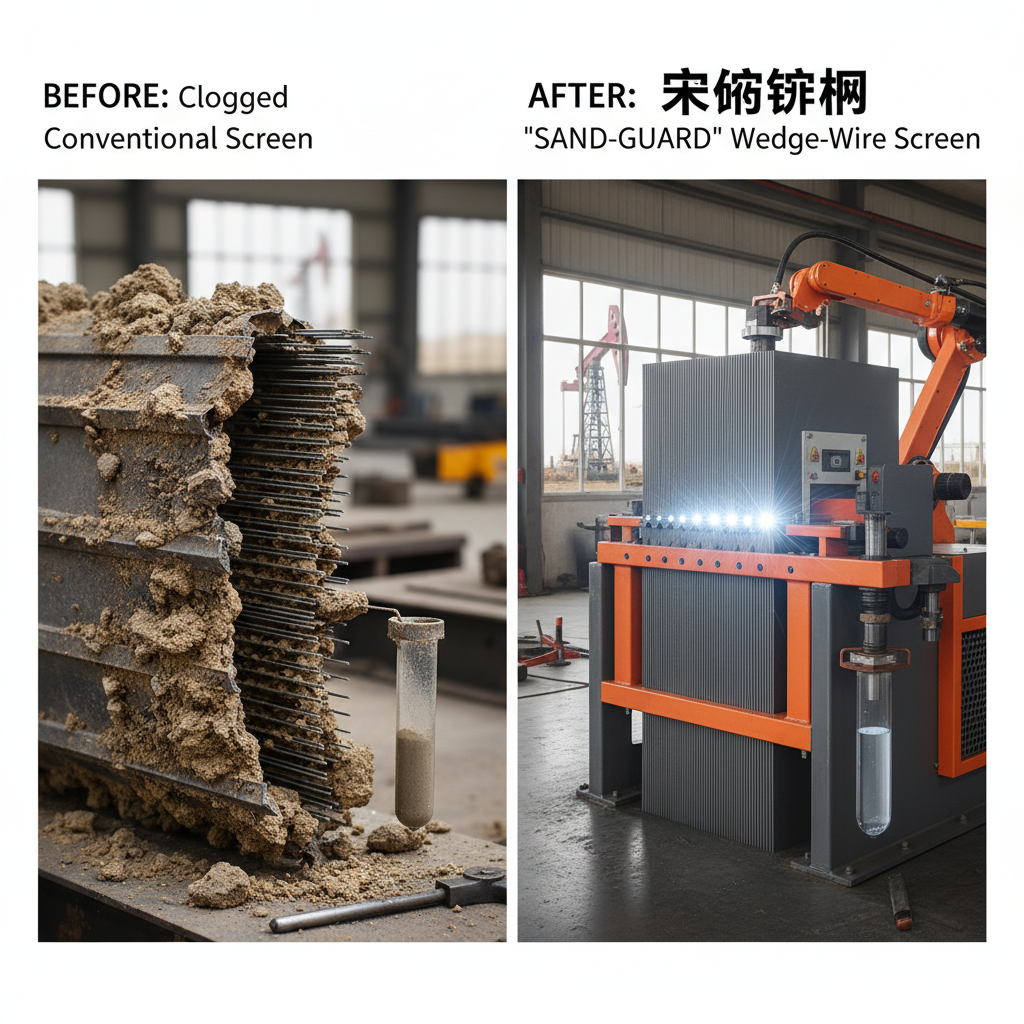
Fouling—build-up of deposits on the plates—is the bane of many operators, causing clogged holes and reduced efficiency. Choosing larger hole diameters reduces this but hems in separation performance. A clever solution many plants use is quick-swap modular plates or ultrasonic cleaning systems.
Another issue is corrosion, especially in acid-rich processes. Specialty coatings like PTFE or Hastelloy overlays can extend lifespan but add cost. It’s a classic trade-off that rewards careful engineering and supplier collaboration.
| Vendor | Material Options | Custom Sizes | Lead Time | Price Range |
|---|---|---|---|---|
| MutoScreen Systems | SS 304/316, Alloy 20 | Yes | 4–6 weeks | $$$ |
| Global Plate Co. | SS only | Limited | 3–4 weeks | $$ |
| Advanced Metallurgy Ltd. | Titanium, SS | Yes | 6–8 weeks | $$$$ |
FAQs: Your Sieve Plate Questions Answered
What materials are best for a sieve plate in acidic environments?
Materials like Alloy 20, Hastelloy, or PTFE-coated stainless steel excel in acidic setups due to their corrosion resistance. Stainless steel 316 is okay for milder conditions. Investing in the right material upfront can prevent costly downtime.
How does hole size affect sieve plate performance?
Smaller holes improve separation and contact efficiency but increase the risk of clogging, especially with dirty feeds. Larger holes reduce fouling but slightly sacrifice performance. The right choice depends on your process’s cleanliness and flow rate.
Can sieve plates be retrofitted into existing columns?
Often yes. Many manufacturers offer custom-sized or modular sieve plates tailored for retrofit applications, but it’s important to evaluate compatibility with your column’s design and operating conditions first.
What’s the typical lifespan of a sieve plate?
Depending on material and operational stress, lifespans range from 3 to over 10 years. Regular inspection and cleaning extend service life significantly.
Final Thoughts: Why Investing in Quality Sieve Plates Pays Off
The sieve plate may not be flashy, but it’s a foundational piece of industrial magic. Optimizing its design and material can streamline your plant’s efficiency, reduce emissions, and bolster safety—with a side benefit of operational savings. If you want smart, reliable, and eco-conscious separation technology, don’t underestimate getting the right sieve plate.
Interested in learning more or ready to upgrade? Visit our website to explore a range of customizable sieve plates designed for modern challenges: https://www.mutoscreen.com.
References
- ISO 9001:2015 - Quality Management Systems
- Wikipedia: Distillation
- United Nations Environmental Reports