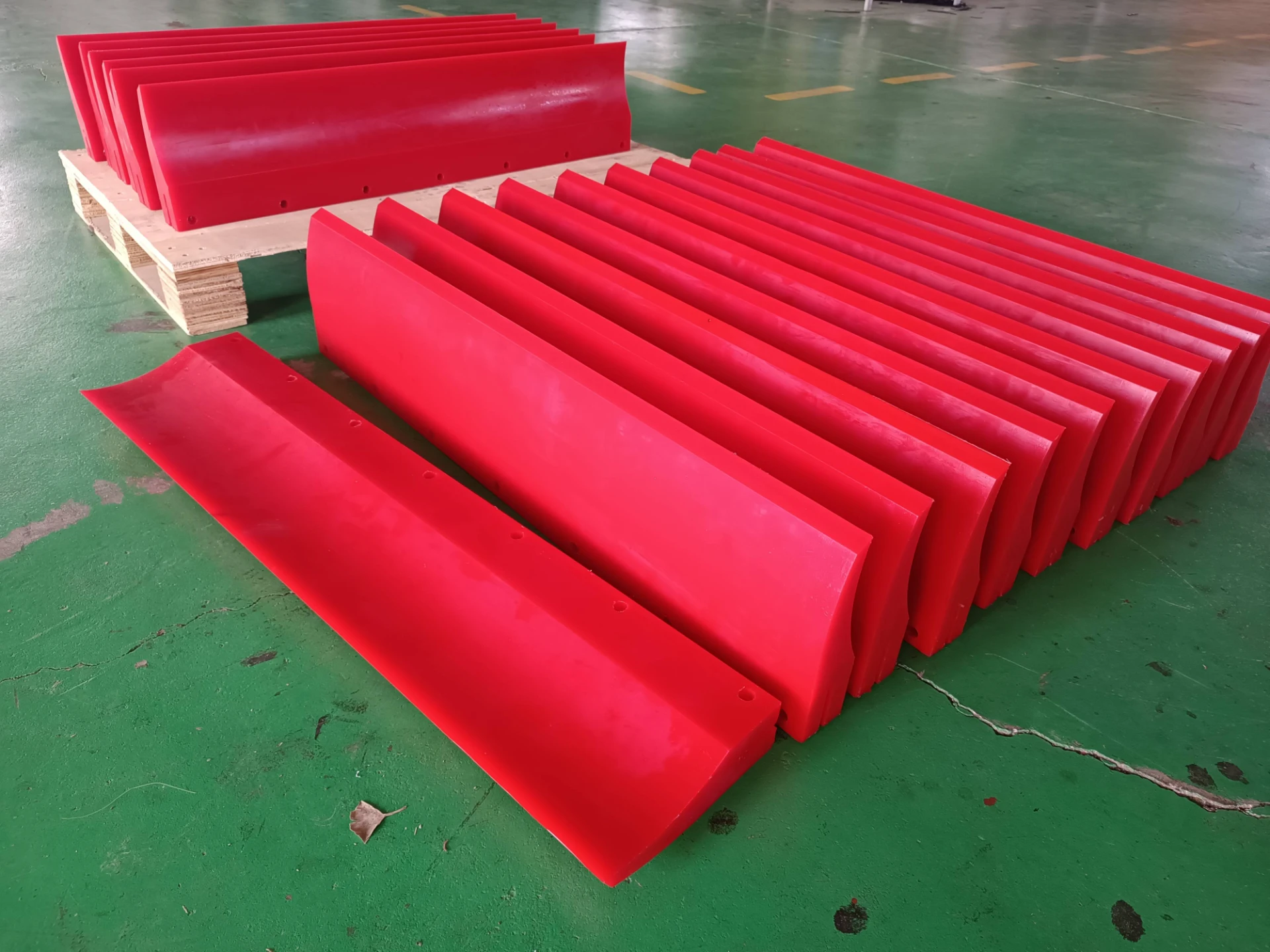
Ore Screening: A Crucial Step in Global Mining and Resource Efficiency
Mining, processing, and refining ores are the backbone of many vital industries — everything from construction to electronics. Yet the simple act of screening ore, separating valuable minerals from waste material, might not get the credit it deserves for keeping this massive supply chain humming smoothly. But globally, ore screening matters profoundly for resource optimization, environmental stewardship, and cost efficiency.
By understanding ore screening’s role, companies and communities alike can better appreciate how a basic but technical process helps secure materials, reduce waste, and even support humanitarian goals like disaster resilience. Let’s take a journey through the essentials of ore screening — what it is, why it’s so relevant, and where it’s headed.
The Global Context: Why Ore Screening Holds the World’s Attention
Global mining output topped nearly 2 billion tons of metal ores in 2022, according to the International Council on Mining and Metals (ICMM). The World Bank estimates that mining contributes roughly 10% of the global GDP when you include indirect effects. Yet extracting ore is only the beginning; screening is what transforms that raw material into usable feedstock for downstream processes. And herein lies a big challenge — inefficient screening wastes energy and raw materials, pushing costs and environmental impact upward.
With stricter regulations from bodies like ISO (specifically ISO 14001 environmental standards) and the UN’s push for sustainable industry under SDG 9 (Industry, Innovation, and Infrastructure), ore screening technologies must adapt. They have to be robust enough for the harsh conditions of mines while sensitive to minimizing waste and emissions. Hence, the field is both old and rapidly evolving.
Mini takeaway: Ore screening is far from a minor step—it could spell the difference between sustainable mining or harmful over-extraction.
What is Ore Screening? Breaking It Down Simply
At its core, ore screening refers to the process of sorting mined ore into categories by particle size. Imagine a giant sieve separating chunks that are the right size for milling or refining, while discarding oversized or undersized fragments that reduce efficiency. It’s a pre-processing technique designed to improve productivity and reduce costs by ensuring only suitable ore passes on to expensive grinding or chemical processing steps.
This process isn’t just about machinery; it’s a gateway to maximizing yield and reducing environmental footprints. Without effective screening, entire batches can end up underutilized or wasted, which ultimately means more energy spent extracting less value. So in many ways, ore screening connects the industrial and humanitarian needs for sustainable resource use, local economic stability, and environmental protection.
Core Components of Effective Ore Screening
Durability
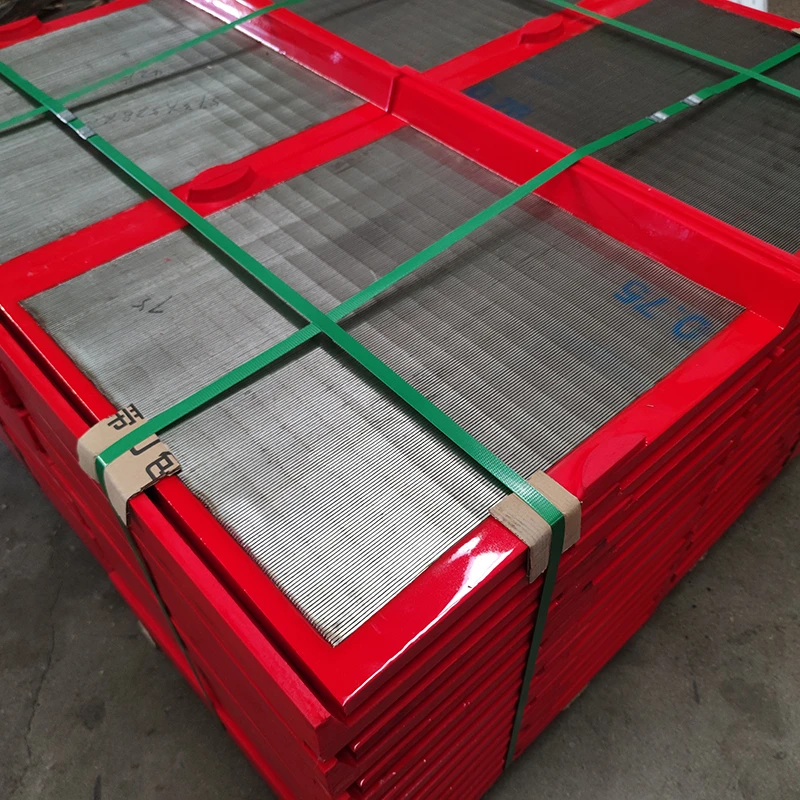
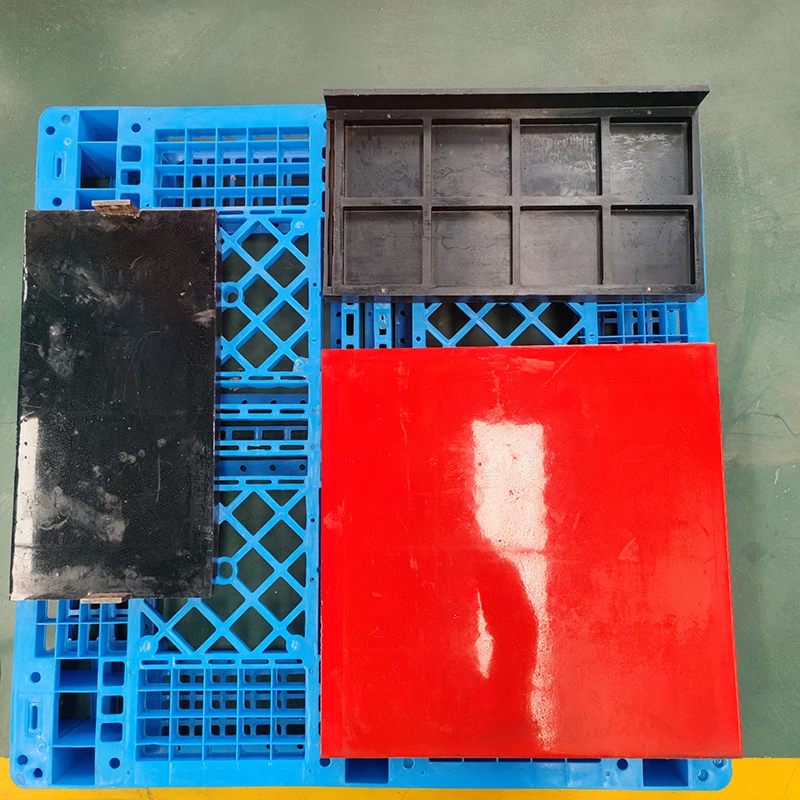
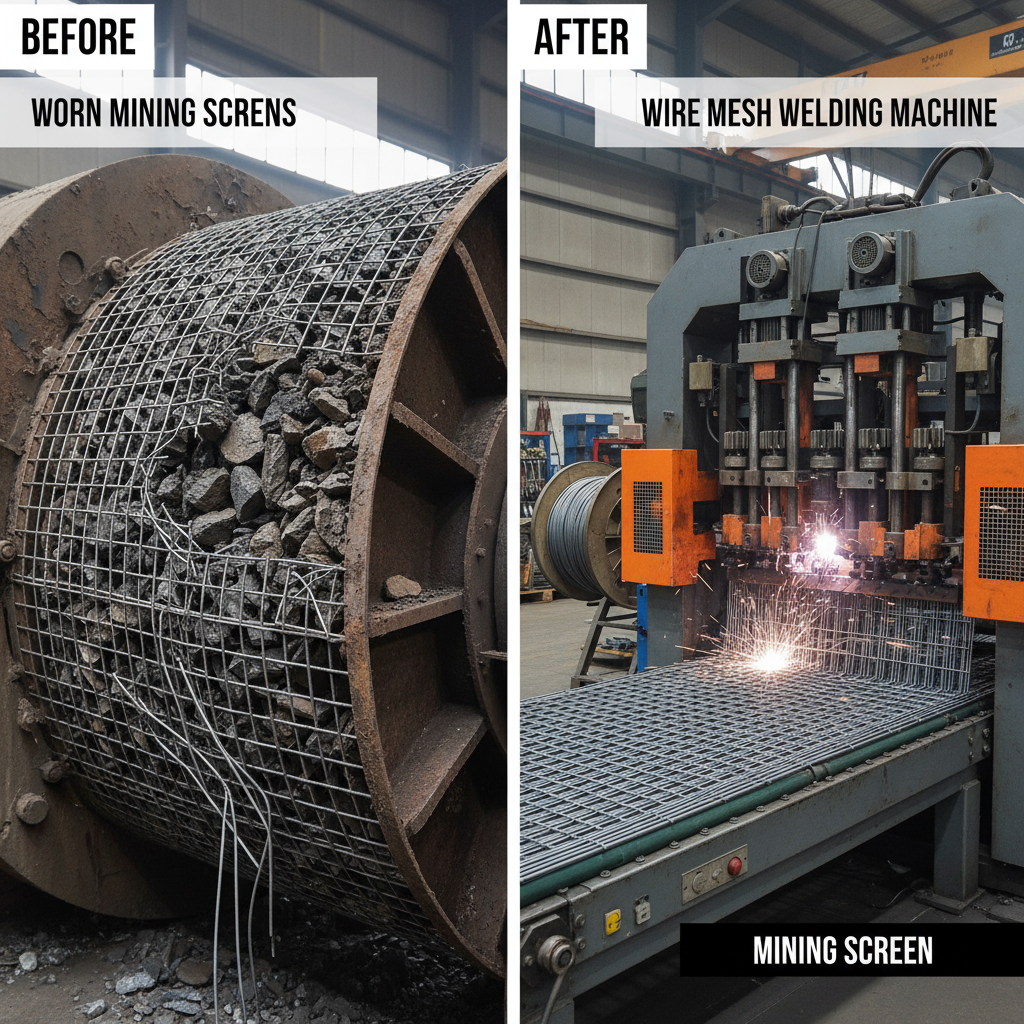
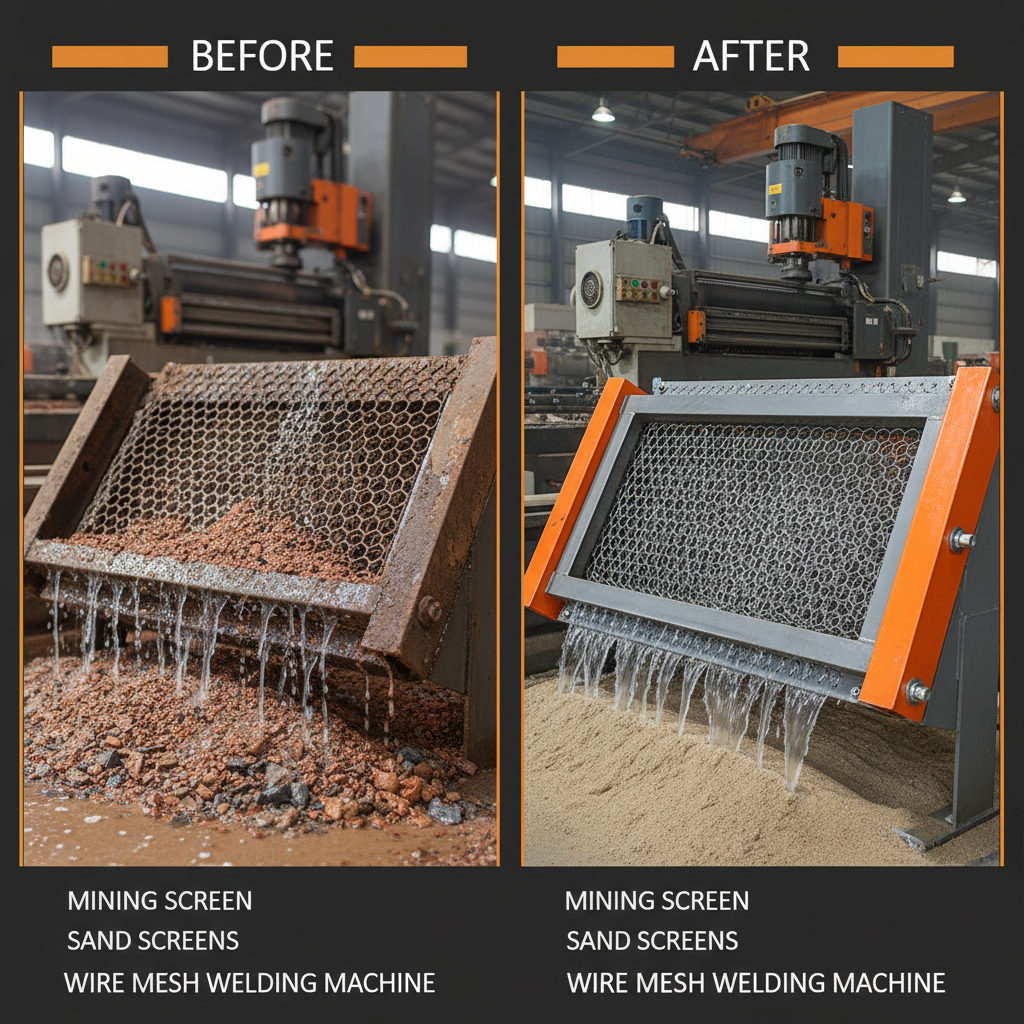
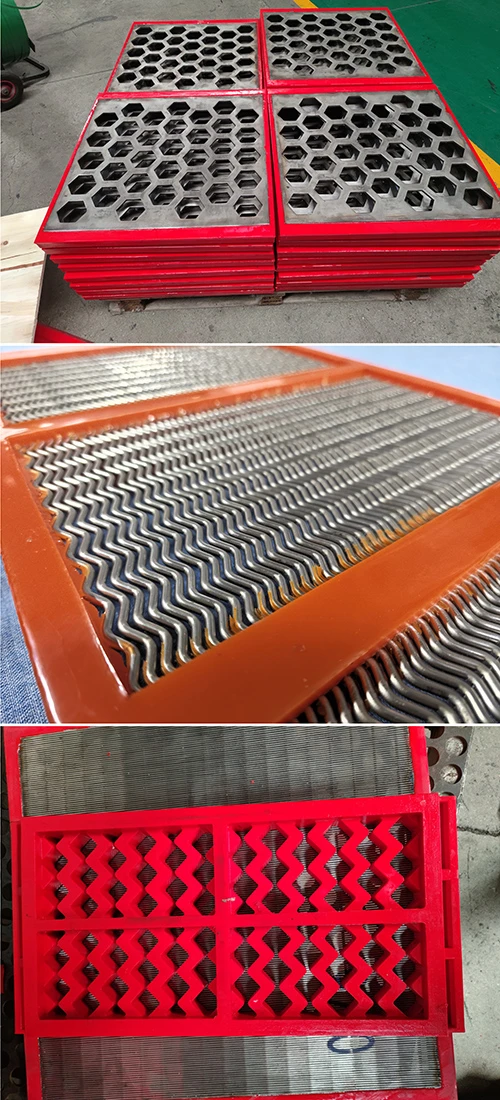
Mining environments are harsh — abrasive particles, moisture, variable temperatures. Screens must last, often running 24/7, sometimes underground or in remote locations. Manufacturers now focus on wear-resistant materials like abrasion-tough alloys and polyurethane screens offering longer lifespans.
Scalability
Different mines demand different throughput. Smaller operations may only need light screening, whereas mega mines process thousands of tons daily. Modular screen designs allow quick adaptation—from mobile rigs to fixed large-scale plants—and smooth integration with conveyor systems.
Cost Efficiency
Ore screening affects energy costs dramatically. Using the right screen size reduces unnecessary grinding stages. New tech like variable frequency drives optimizes motor speeds to consume less power based on the actual feed rate.
Screening Accuracy
Separating ore by accurate particle size means better downstream processes. Advanced vibratory and gyratory screens help achieve tight tolerances. I’ve noticed in case studies, even a 5% improvement in screening precision translates to significant yield gains.
Maintenance and Downtime
Unscheduled downtime is the bane of mining. Easy-to-service screen decks, quick-change meshes, and sensors that predict wear before failure keep operations smooth and costs manageable.
Environmental Impact
Dust suppression systems, closed-loop screening units, and water recycling features are now integral for compliance and community goodwill. This is more than a buzzword; it's a critical factor for long-term project approval.
Mini takeaway: The best ore screening systems are not just strong and cost-effective, but smart and environmentally conscious too.
Real-World Applications: From Mines to Humanitarian Efforts
Ore screening is a staple in regions rich with mineral deposits like Australia’s Pilbara region, Canada’s Sudbury basin, and South Africa’s Bushveld Complex. These places rely heavily on robust screening to keep steady flows of iron, nickel, platinum, and other metals going to manufacturers worldwide.
But oddly enough, this technology isn't confined to mining. In post-disaster relief operations—think rebuilding after earthquakes—screened aggregate is essential for stable temporary infrastructure. NGOs and international organizations leverage modular screening equipment to process local materials quickly on-site.
Remote industrial zones in Latin America and Southeast Asia combine ore screening tech with solar-powered conveyors for off-grid mining, bringing a new level of autonomy and sustainability.
Advantages: Why Invest in Quality Ore Screening Equipment?
- Cost savings: Less wasted ore and energy-intensive processing.
- Environmental benefits: Reduced emissions and lower tailings volumes.
- Reliability: Continuous, low-maintenance operations increase uptime.
- Social impact: Safer working conditions and community acceptance.
- Innovation trust: New tech inspires confidence in stakeholders and regulators.
It’s as much about tangible dollars saved as the intangibles like safety and sustainability. Mining companies that upgrade their screening solutions often report improved corporate social responsibility ratings and reduced insurance premiums—a win-win, really.
Product Specification Table: Typical Ore Screening Unit
| Feature | Specification |
|---|---|
| Screen Type | Vibratory / Gyratory / Banana |
| Screen Deck Material | Polyurethane / Steel Mesh |
| Throughput Capacity | 50-1500 tons/hour |
| Power Consumption | 5-50 kW (variable frequency drives) |
| Operational Temperature | -20°C to +50°C |
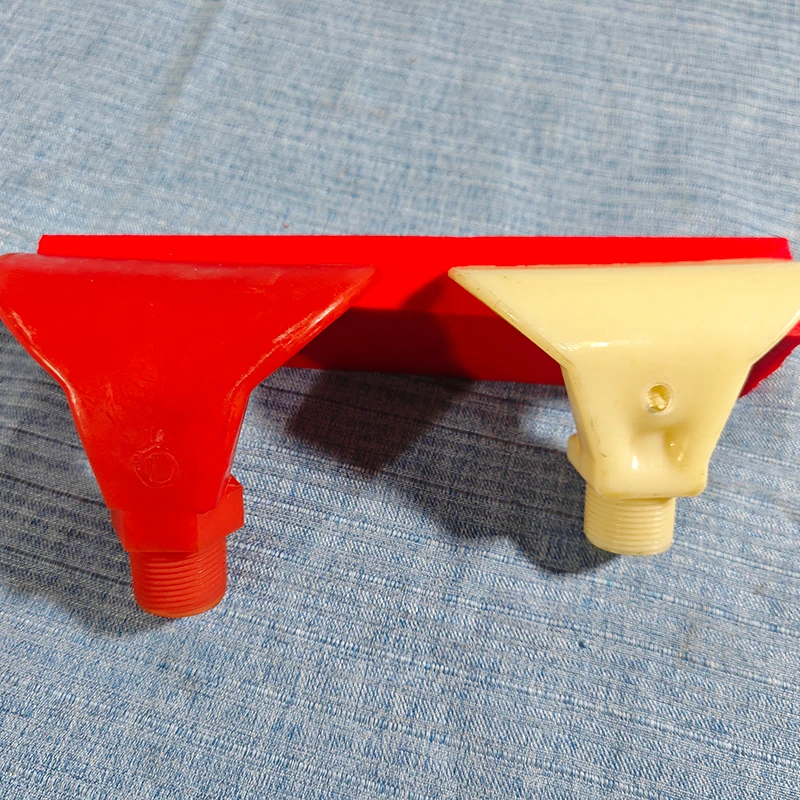
| Dust Suppression | Wet spray systems / Enclosures available |
Vendor Comparison: Leading Ore Screening Providers
| Vendor | Product Range | Warranty | Customization | Support & Service |
|---|---|---|---|---|
| MutoScreen | Vibratory & modular screens | 3 years | High – tailored for site conditions | 24/7 remote & onsite |
| Global Screens Inc. | Wide, includes skid-mounted | 2 years | Medium – some custom options | Business hours support |
| OreTech Solutions | Automated & smart screens | 5 years | High – advanced sensors & AI | Global 24/7 + training |
Latest and Upcoming Trends in Ore Screening
Technology in ore screening has become this fascinating mix of old-school mechanical parts combined with digital wizardry. Automated sensor systems now analyze particles in real time, adjusting screen vibrations or conveyor speeds to optimize output. Some companies are pushing smart screens with AI-powered predictive maintenance to minimize downtime.
Materials innovations, too, are underway — hybrid metal-polyurethane screens reduce wear while cutting noise and vibration. Sustainability plays a big part, with researchers developing solar-powered mobile screening units that reduce greenhouse gas emissions in remote areas.
In fact, as green energy demands surge globally, efficient ore screening that precisely sorts energy-critical minerals (like lithium and cobalt) is becoming central. An exciting intersection of resource efficiency and environmental commitment.
Challenges Facing Ore Screening—and How Experts Are Tackling Them
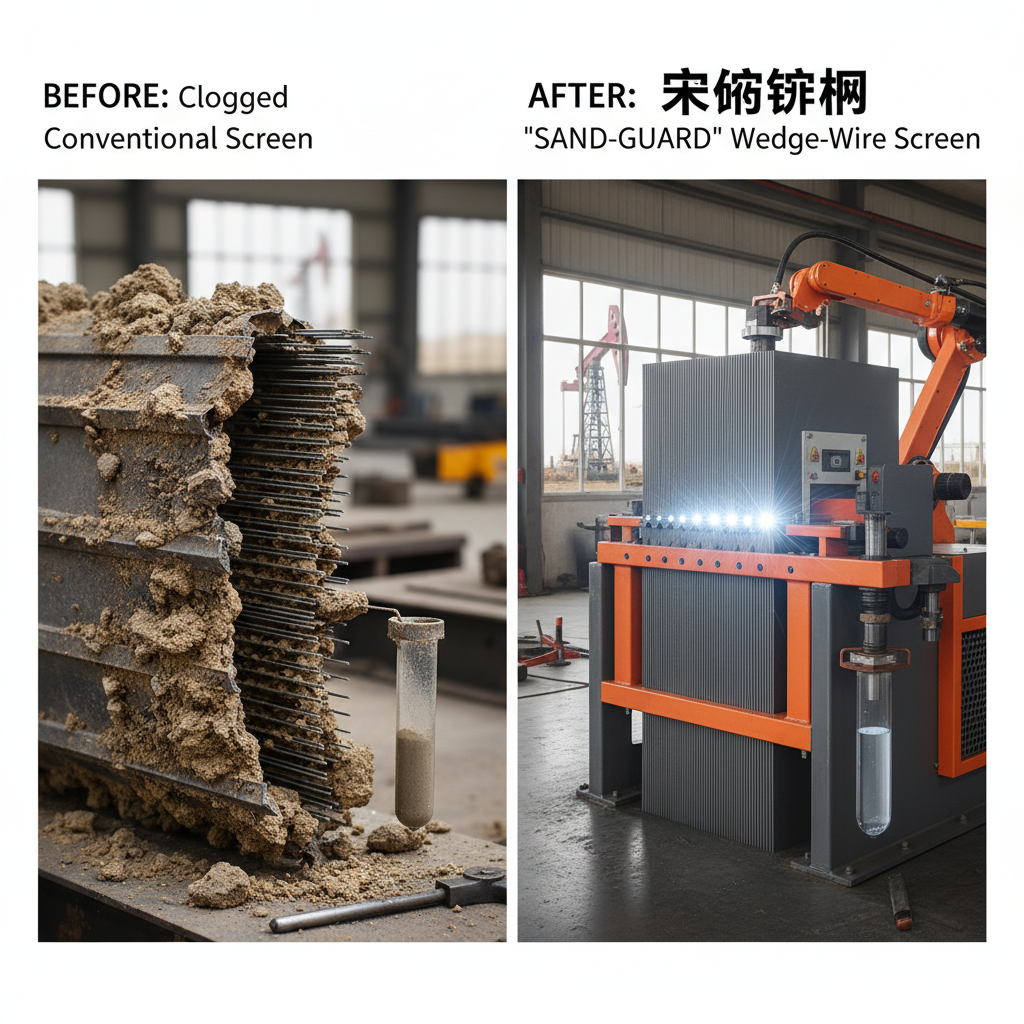
One of the trickiest issues is dealing with highly variable ore feed characteristics. Feed variability causes screen blinding or uneven wear, reducing effectiveness. Experts are addressing this by using adaptive screening machines that self-adjust to changing feed textures.
Another challenge is balancing throughput and screening accuracy. Push throughput too high, and fines contamination rises; focus solely on accuracy, and production speed suffers. The sweet spot often requires on-site trials and custom engineering, supported by vendor expertise.
Of course, dust and noise remain environmental and social concerns. Integrating dust suppression and sound dampening isn’t optional anymore; it’s part of project approval. Thankfully, modular and enclosure options make retrofit simpler than many imagine.
FAQ: Common Questions About Ore Screening
- Q: What factors influence the selection of a screening machine for a mining site?
A: Key factors include feed particle size distribution, desired throughput, site conditions (like temperature and moisture), and product size targets. Also, consider maintenance ease and environmental requirements for dust and noise. - Q: How often should screening meshes be replaced?
A: Replacement intervals depend on ore abrasiveness and throughput but typically every 6–12 months. Visual inspections or wear sensors can give early warnings to avoid sudden failures. - Q: Can ore screening equipment be moved between sites?
A: Yes! Many modern screening units are modular and mobile, especially suited for contract mining or temporary projects. However, relocation costs and setup logistics should be planned carefully. - Q: Are environmentally friendly screening solutions more expensive?
A: Initially, yes, but green solutions often reduce operational costs over time via energy savings and lower environmental compliance fees. Many mines see a good ROI within 2–3 years. - Q: How do remote communities benefit from modular ore screening?
A: Modular systems allow onsite processing of local mineral deposits, promoting economic self-sufficiency and reducing the need for costly ore transport. They’re also designed to run with minimal infrastructure.
Wrapping It Up: Ore Screening’s Promise for Sustainable Mining
Ore screening might seem like a small piece in the mining puzzle, but its impact touches everything—from environmental sustainability to bottom-line efficiency and social trust. The future holds exciting innovations geared at smarter, greener, and more adaptable screening technologies that keep pace with global demands.
If you’re involved in mining or mineral processing and want to dive deeper into how modern ore screening solutions can transform your operations, jump over to MutoScreen. They offer solutions tailored for the real-world challenges that every miner faces today.
Mining’s complex world requires simple answers sometimes—and ore screening just might be one of them.
References: