Why Mining Vibrating Screens Are a Game Changer in Heavy-Duty Screening
Mining has always been about brute force and precise engineering — a tough balance to strike. When I first got hands-on with vibrating screens, I was honestly impressed by how these machines combine heavy-duty robustness with a certain elegant simplicity. They’re the unsung heroes of mineral processing plants, quietly doing the dirty work of separating, sizing, and sorting ore, gravel, or coal according to particle size.
The reality is, mining environments are brutal. Dust, moisture, vibrations, and fluctuating loads put constant strain on equipment. Mining vibrating screens need to work non-stop, with minimal downtime. It’s not just about having a powerful vibration motor; the design, materials, and flexibility to customize screens to local conditions matter just as much. In many plants I’ve visited,
mining vibrating screens are the lynchpin of efficient material throughput. Oddly enough, their ability to shake and sift quickly saves hours otherwise lost to manual rechecking and recalibration.
Key Specifications in Quality Mining Vibrating Screens
The specs alone don’t tell the full story — but they do highlight what separates the good from the great. A lot of companies chase after high-frequency vibration or larger mesh sizes, but the secret is in how these elements are balanced for your specific ore type and throughput needs.
Take an example from one popular robust model I’ve worked with:
| Specification |
Value |
| Screen Area |
3.5 m² |
| Vibration Frequency |
950-1050 RPM |
| Stroke (Amplitude) |
6 mm |
| Feed Capacity |
Up to 150 TPH |
| Frame Material |
Mild Steel with Wear-Resistant Coating |
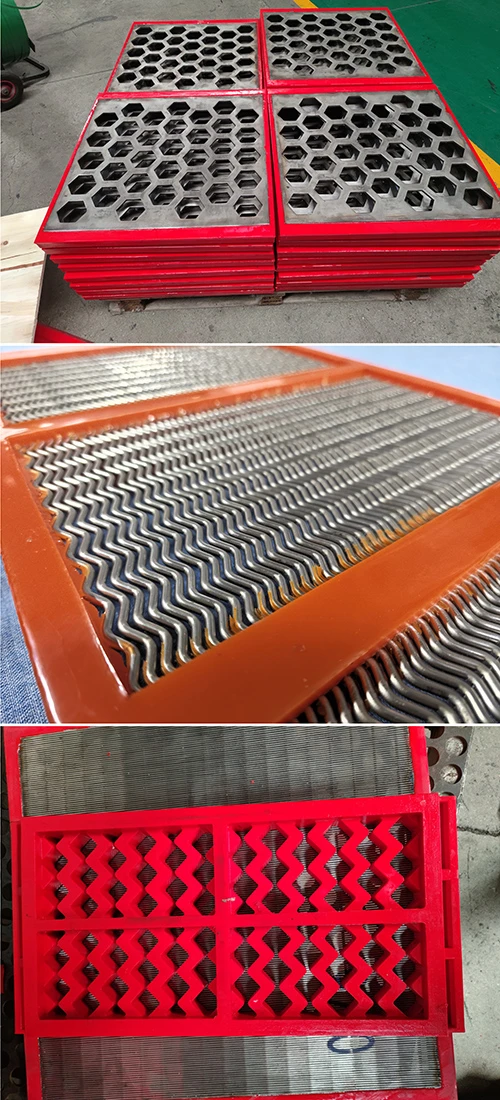
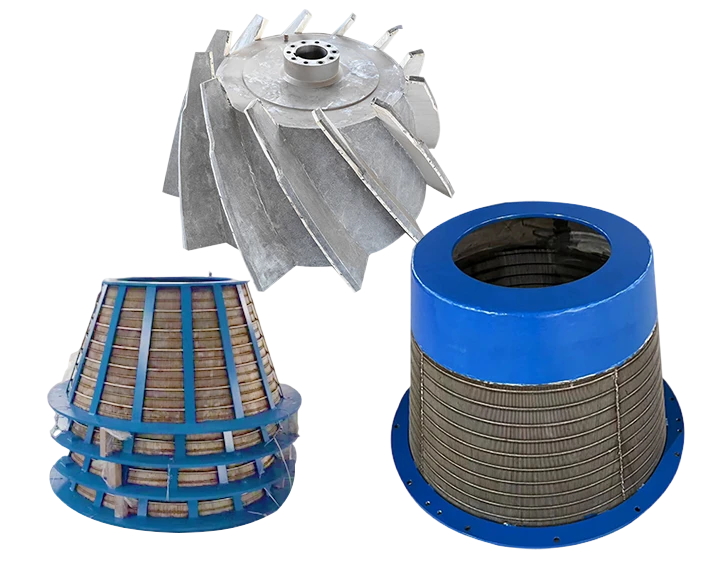
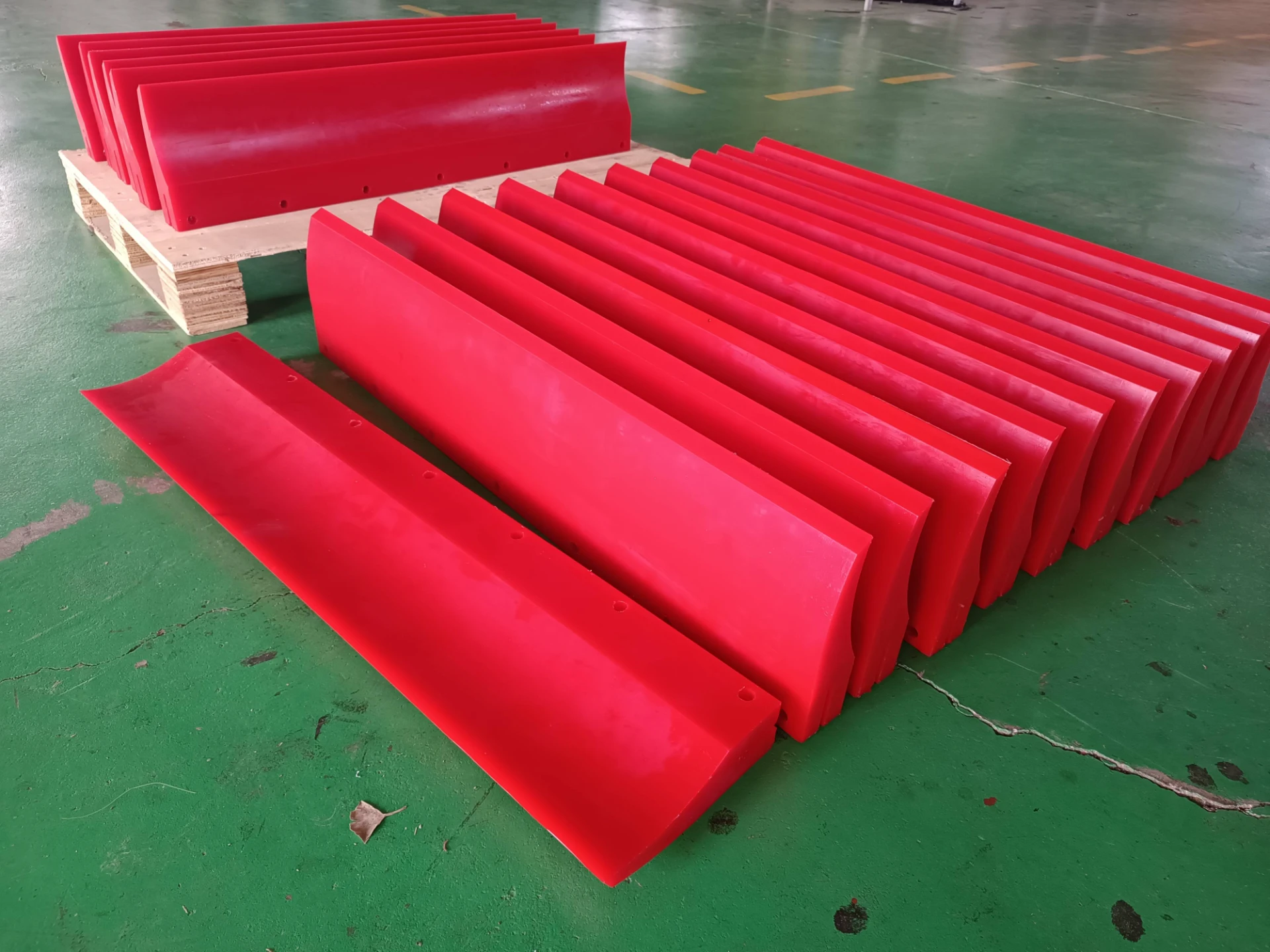
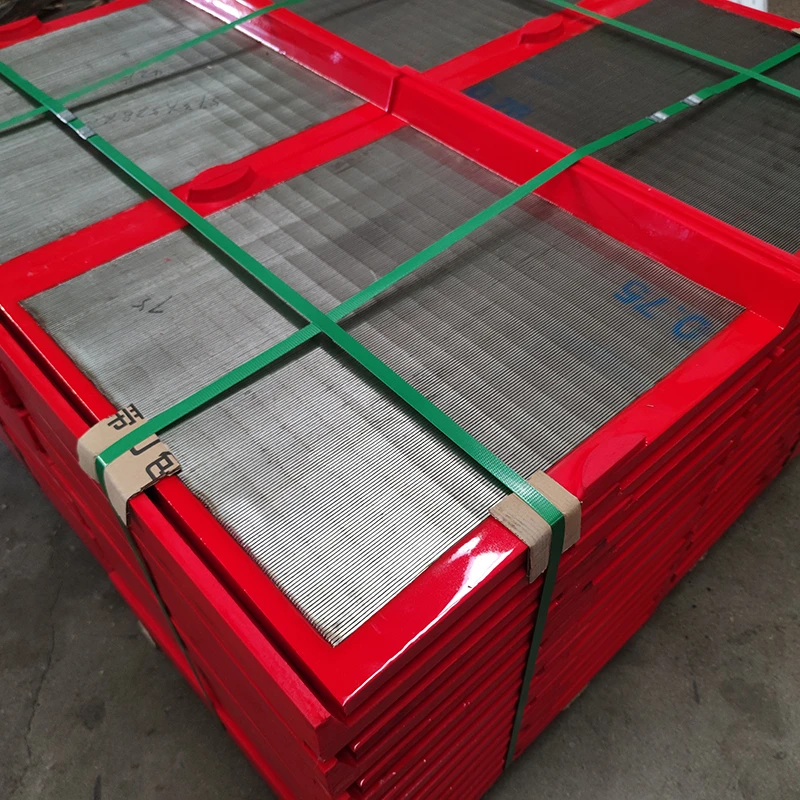
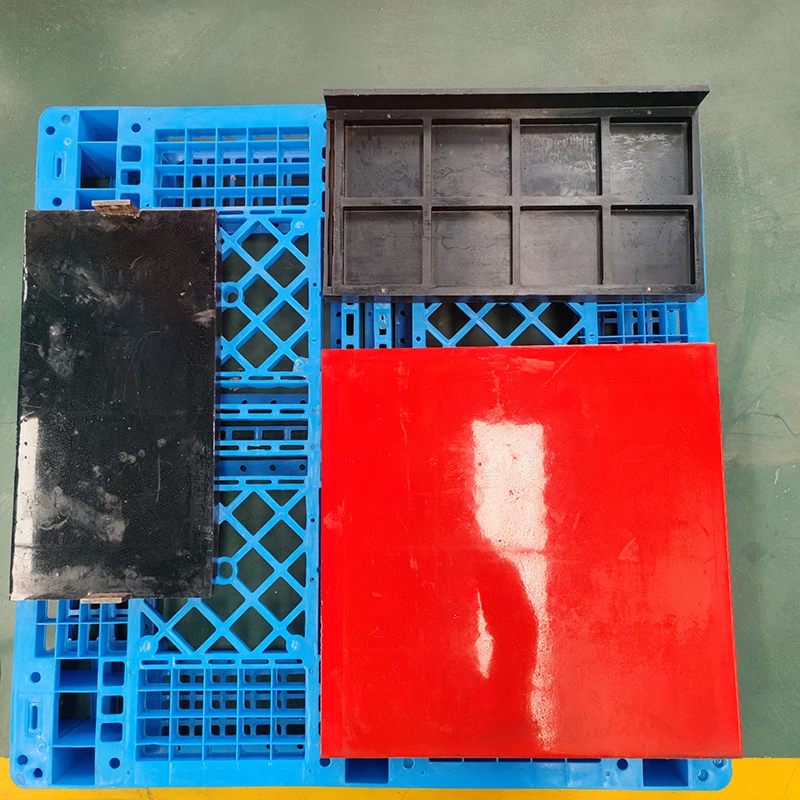
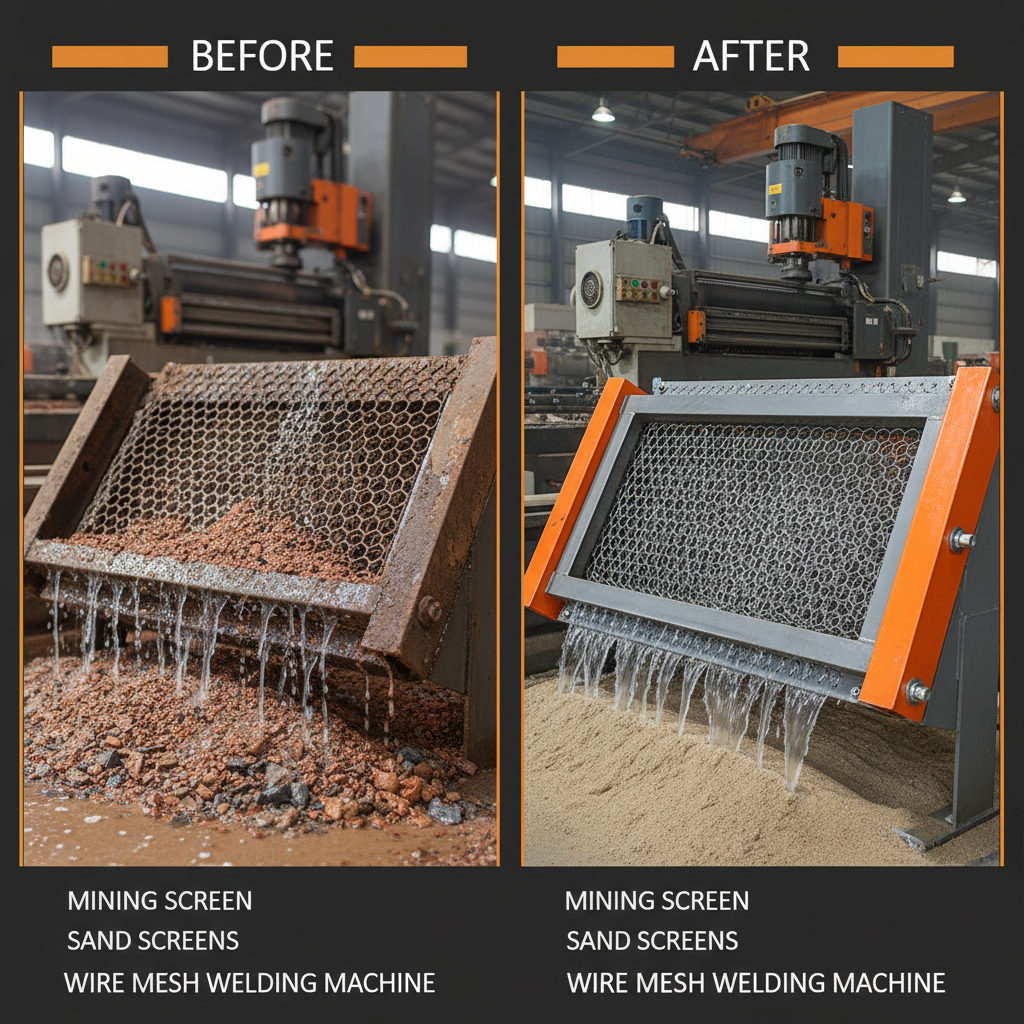
Now, one thing I noted during field tests was how the material choice for screens — stainless steel, polyurethane, or composite mesh — can completely alter screen life. I remember a client in West Australia who switched screen mesh type mid-project. The initial steel mesh wore through in three weeks; switching to polyurethane stretched uptime to three months. That kind of difference matters.
Comparing Top Vendors in the Mining Vibrating Screen Space
Picking the right vendor isn’t straightforward. Some prioritize sheer power, others offer modular designs or advanced noise-reduction tech; then you’ve got the price and after-sales service, which can make or break your operation. Here’s a quick rundown from my experience dealing with three well-known suppliers in this arena:
| Vendor |
Customizability |
Durability |
After-Sales Support |
Price |
| Mutoscreen |
High – multiple mesh & frame options |
Excellent – wear-resistant coatings standard |
Responsive with global parts network |
Mid-range, value for money |
| Vendor B |
Medium – standard sizes |
Good – some wear parts optional |
Average – limited international support |
Lower price but fewer features |
| Vendor C |
Low – mostly fixed specs |
Fair – maintenance needed sooner |
Limited support, mostly local |
Budget-friendly |
I have to admit, working with Mutoscreen models gave me a reliable sense of confidence. They balance practical design with real-world demands — and that’s crucial when you’re running a multi-shift mine site where every hour counts. Sure, features can get bolder these days with automated screening monitors and remote-adjustable parameters, but for many operations, it’s the simplicity and rugged durability that carry the day.
To close, the world of mining vibrating screens might seem niche, but it’s foundational to improving yields and cutting downtime. Whether you’re upgrading screen decks or choosing a provider, keep in mind the balance between heavy-duty build, ease of maintenance, and customization. I recall a startup mining firm recently told me, “Investing upfront in quality screens saved us from costly production halts months down the line.” That anecdote sticks with me — because in mining, a little screening trouble can quickly snowball.
References and musings:
- "Vibrating Screen Basics," Industrial Mineral Processing Journal, 2023.
- Personal experience working on Australian mining projects, 2019–2023.
- Technical specs from Mutoscreen official documentation.