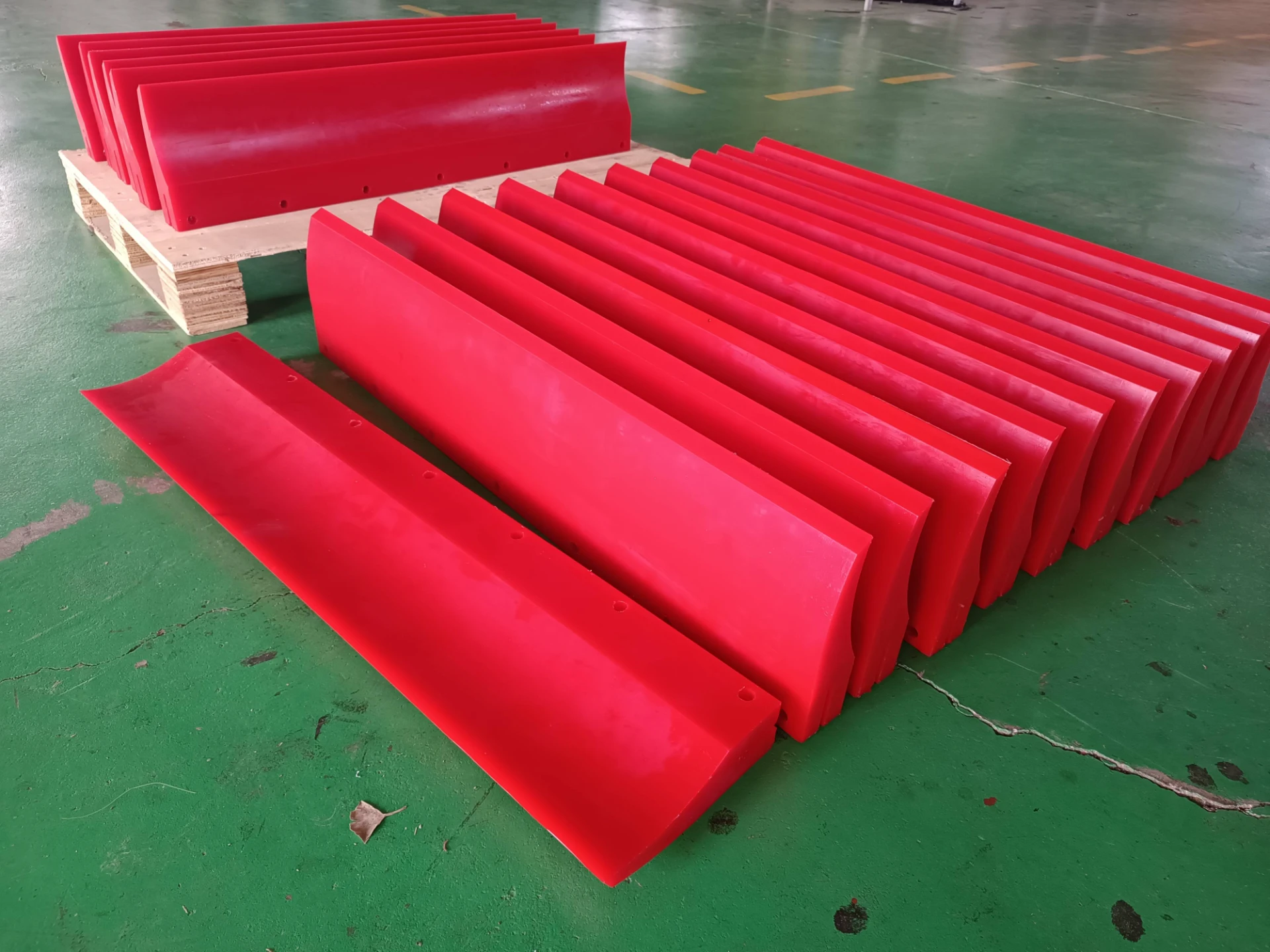
What Is Industrial Screening in Mineral Processing and Why It Matters
Industrial screening in mineral processing is a critical step that separates materials based on particle size. In essence, it's the quality gatekeeper, ensuring that ores and minerals are correctly classified for further processing. Globally, this process underpins the entire mining sector—a backbone of modern industry and infrastructure development. Understanding these screening methods provides insight into how companies can reduce waste, improve efficiency, and minimize environmental impact. Frankly, in a world keen on sustainable resource use, screening technology is not just technical jargon—it’s a vital player in responsible mining.
Mini takeaway: Industrial screening forms the crucial bridge between raw mined material and usable minerals, directly influencing both efficiency and sustainability.
The Global Context of Industrial Screening in Mineral Processing
On a worldwide scale, the mineral processing industry continually evolves to meet growing raw material demands. The United Nations reports that global mineral extraction has nearly doubled over the past two decades, highlighting mining's massive environmental and economic footprint (1). Meanwhile, the ISO has standardized testing and equipment to improve screening consistency. Yet the challenge remains: how to efficiently separate particles of vastly differing sizes while balancing cost and environmental considerations?
Mining companies from Australia to South Africa and Chile rely heavily on industrial screening to optimize their outcomes, but they face obstacles such as equipment wear and energy consumption. It’s no longer enough to just “screen fast”; modern operations push for smarter, greener, and more durable solutions.
Mini takeaway: As global mining scales up, screening technologies must keep pace—balancing efficiency, economics, and environmental pressure.
Defining Industrial Screening in Mineral Processing
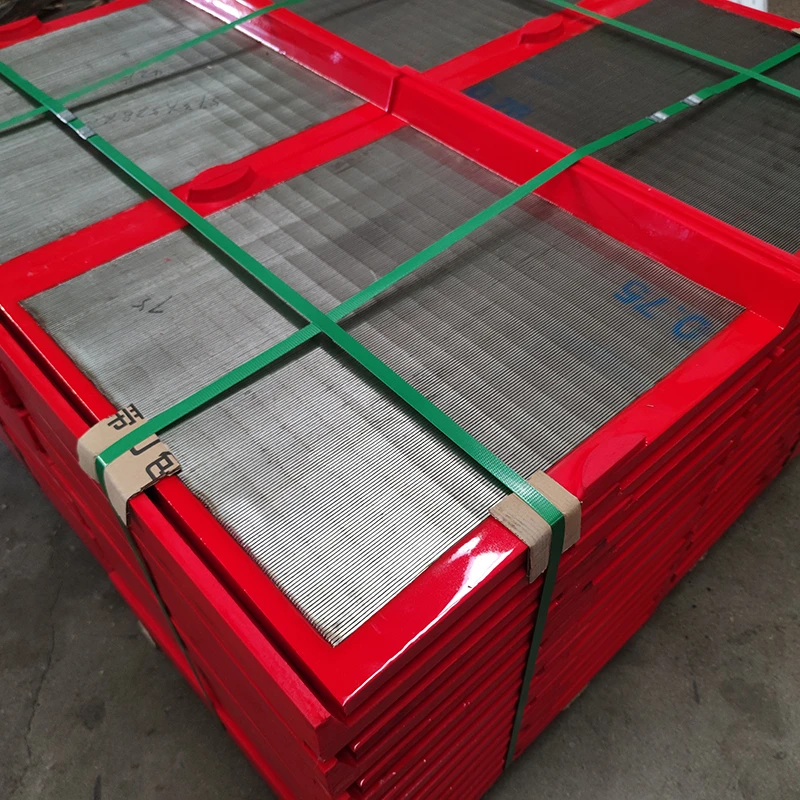
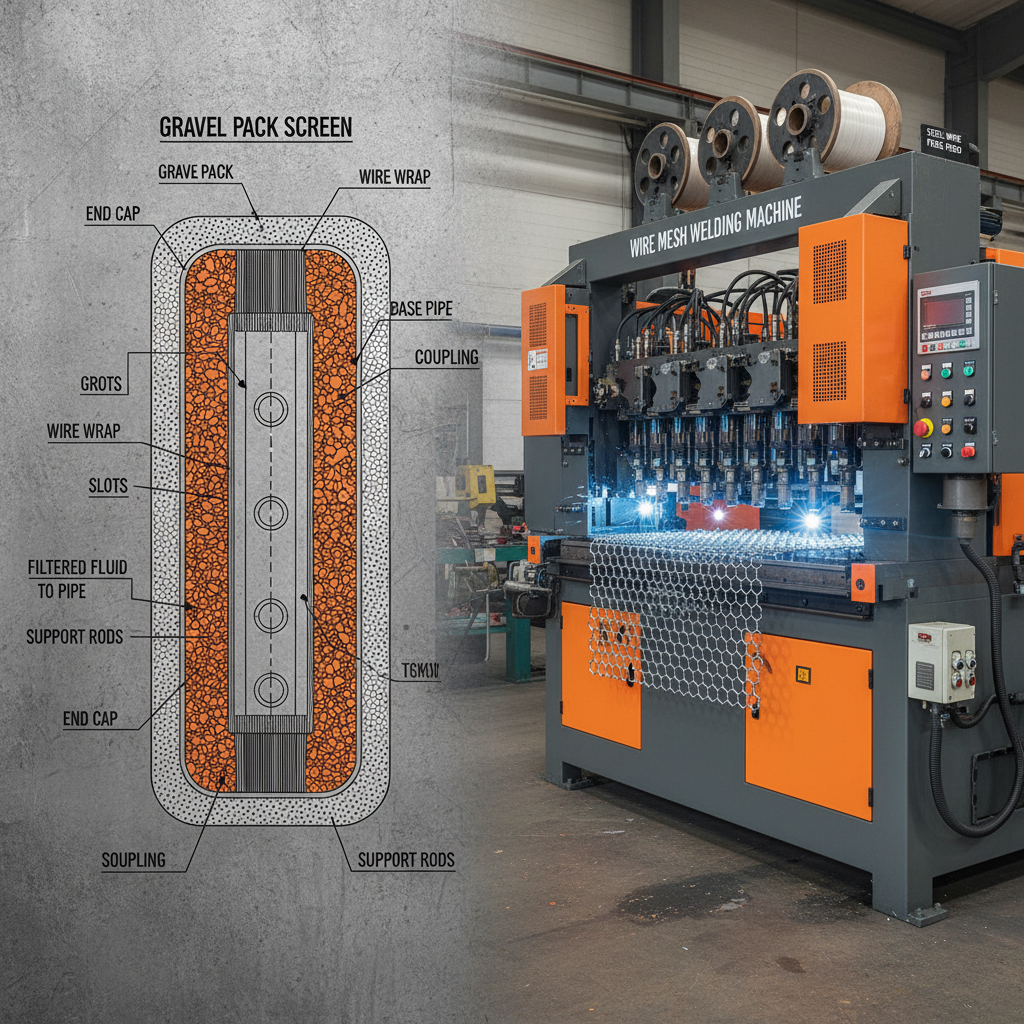
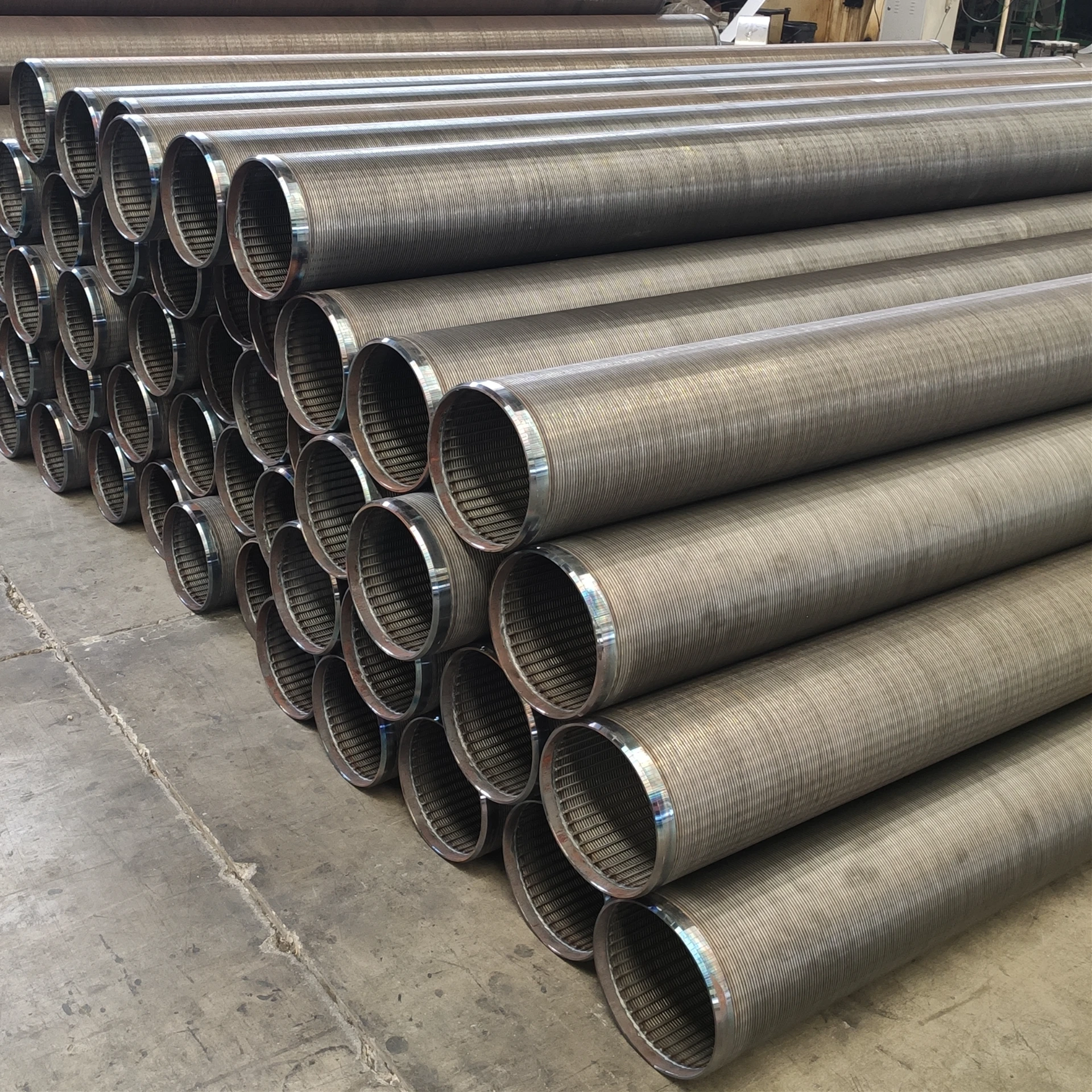
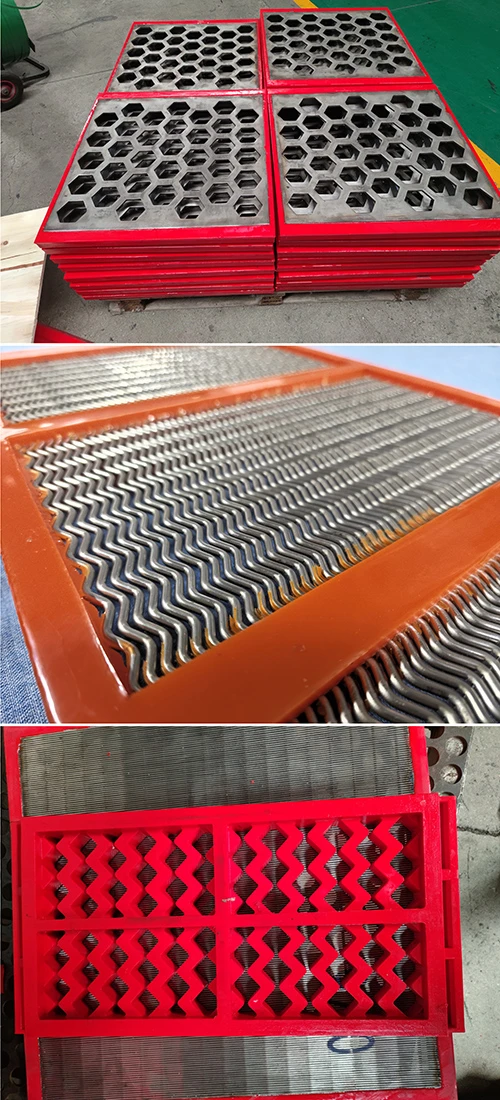
So, what does industrial screening in mineral processing actually mean? Put simply, it involves sorting mined ore into different size fractions using physical screens or sieves made from wire mesh, polyurethane, or other materials. It’s the “filter” step before crushing, grinding, or flotation. Without effective screening, the downstream processes get clogged or underperform.
Linking it back to broader human needs, effective mineral processing supports the manufacturing of everything from clean energy components to construction materials. Without critical raw minerals supplied efficiently, infrastructure and technology projects could stall.
Mini takeaway: Industrial screening cuts out unwanted material, optimizing mineral extraction and enabling industrial progress worldwide.
Key Components of Effective Industrial Screening
1. Durability
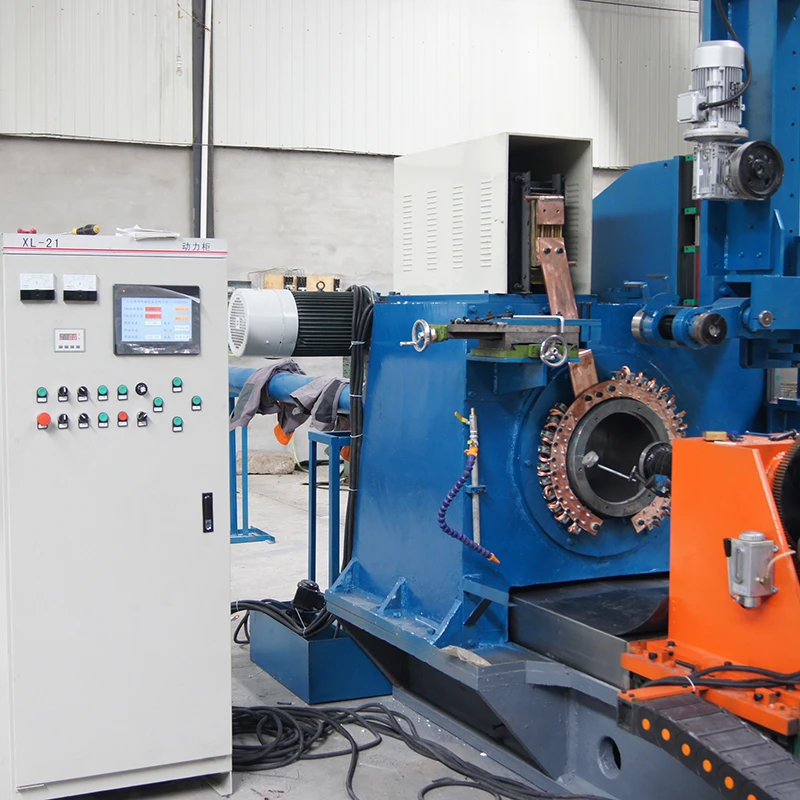
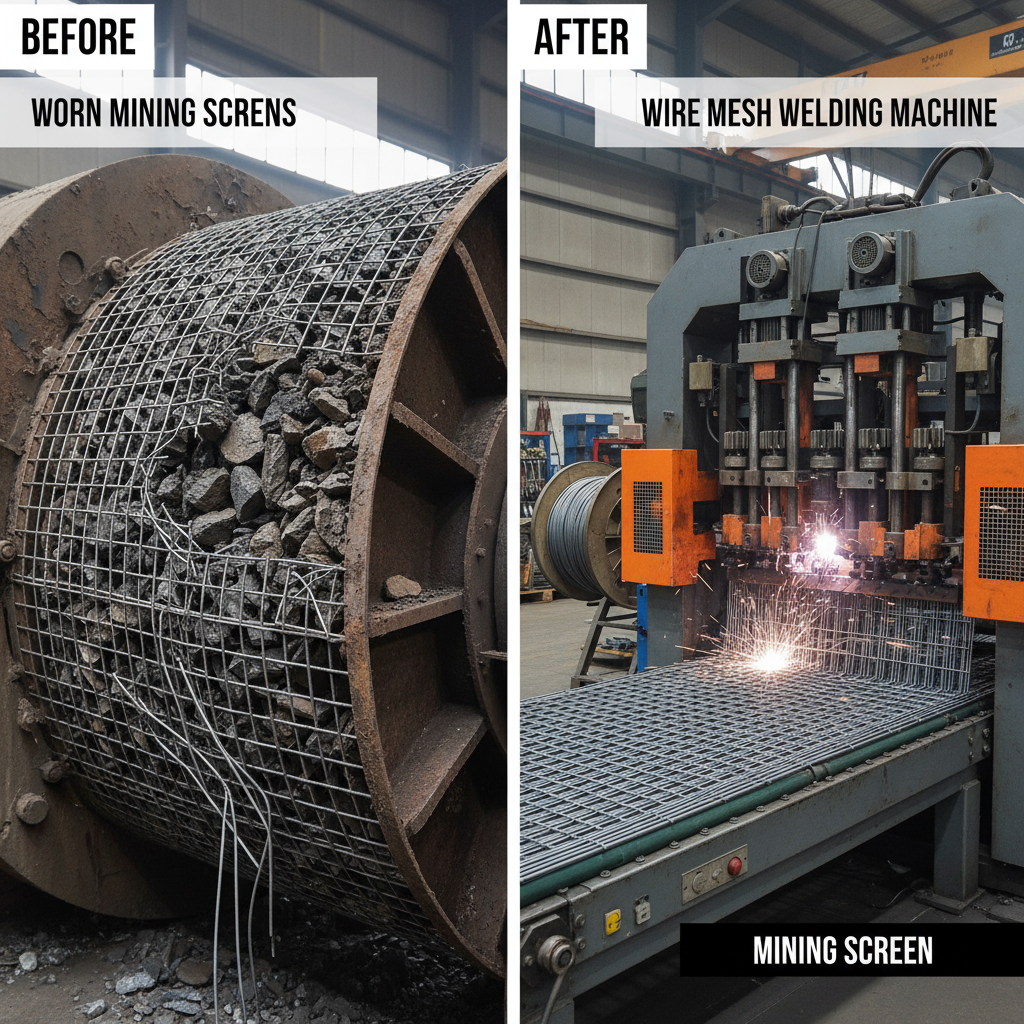
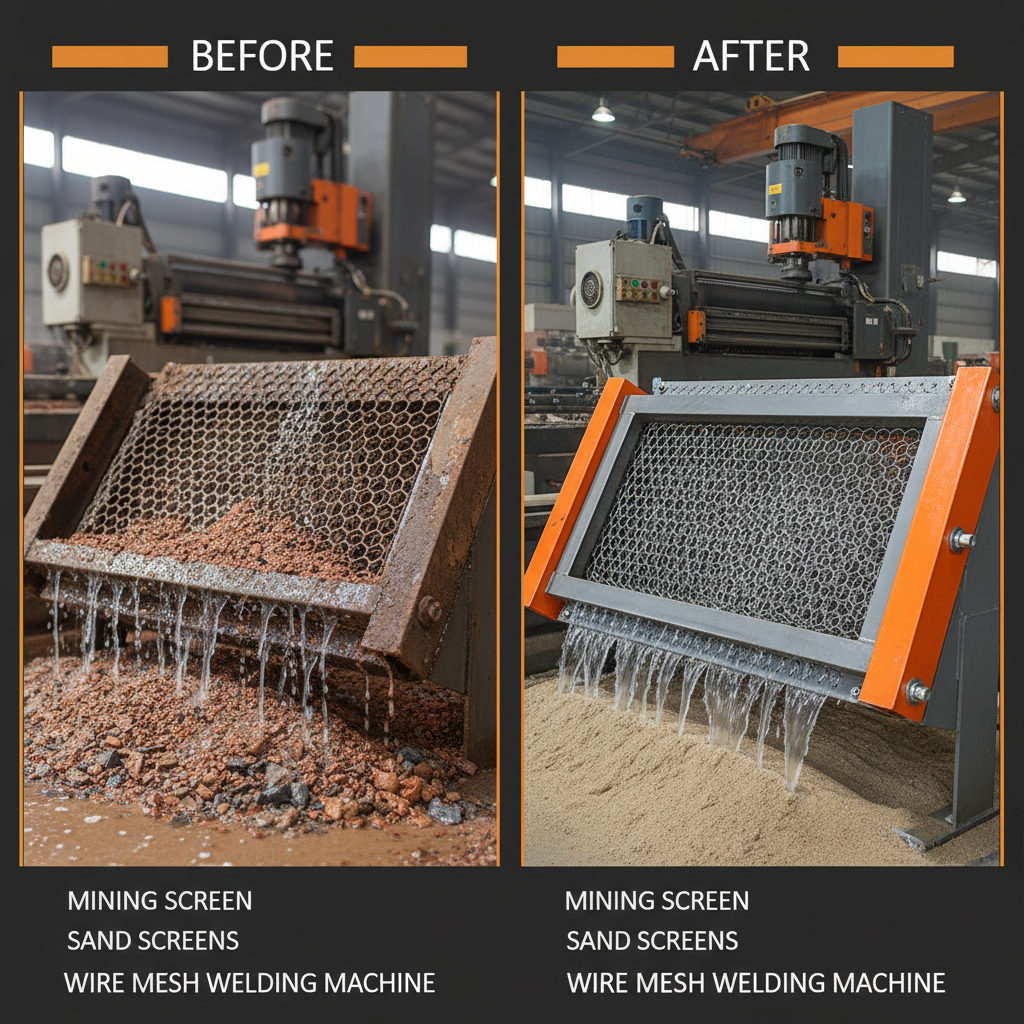
Screening equipment endures relentless wear. The materials used—often specially treated steel or high-grade polymers—must resist abrasion, corrosion, and impact. Many engineers emphasize that the difference between downtime and smooth production often comes down to screen frame and mesh quality.
2. Scalability
From modest quarry operations to mega mining sites processing thousands of tons per hour, screening tech has to scale. Modular screen decks, adjustable apertures, and variable vibration frequencies help tailor processes to specific needs.
3. Cost Efficiency
Screening isn't something you replace often; it’s about lasting performance with minimal operational costs. Energy-efficient drives and low-maintenance screens save money over years, and that adds up.
4. Precision & Selectivity
Being able to separate fine particles properly from large chunks makes subsequent processes more predictable and efficient. This precision ultimately boosts output quality and minimizes material wastage.
5. Customization
Different minerals and ore compositions call for specific screening methods or equipment designs. Providers increasingly offer tailored solutions—from screen size to vibration amplitude—to meet operators’ exact requirements.
| Feature | Description |
|---|---|
| Screen Area | 10 – 40 m² adjustable |
| Mesh Size | 0.5 mm – 50 mm |
| Drive Type | Electromechanical with variable speed |
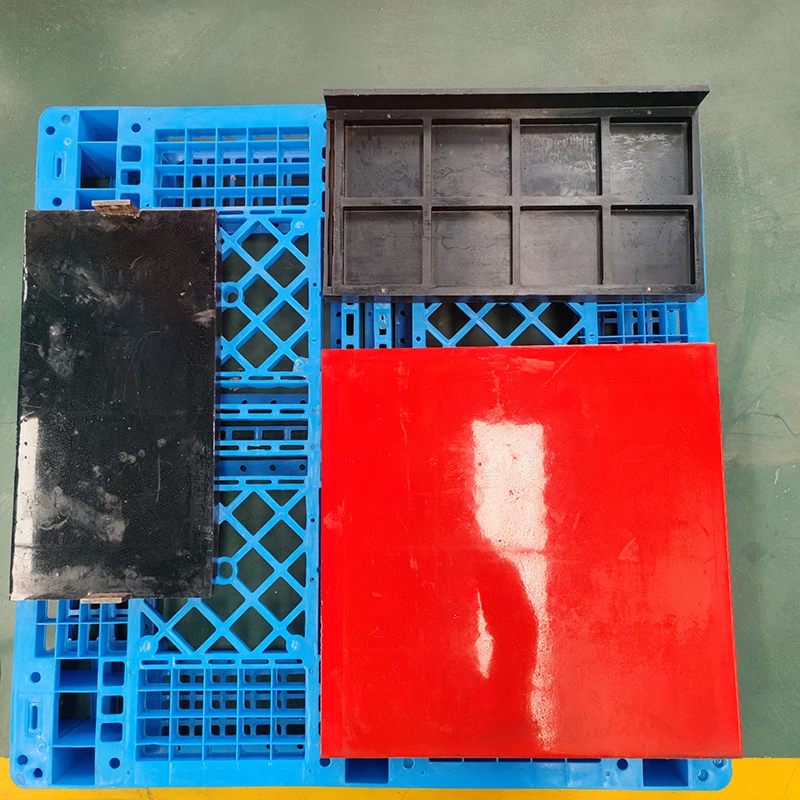
| Material | High-grade steel or polyurethane |
| Power Consumption | 15 – 75 kW |
Mini takeaway: Durable, scalable, precise screening solutions underpin effective mineral separation and cost-effective operations.
Industrial Screening in Mineral Processing: Real-World Applications
The practical application of screening is as diverse as the minerals themselves. For instance, in Australia’s vast iron ore mines, oversize rocks are screened out before crushing to save operational costs. In Canada, mineral screening plays a crucial role in processing rare earth elements essential for electronics. And oddly enough, some humanitarian organizations use industrial screening equipment in post-disaster construction to sort debris and recyclable materials efficiently.
Remote mining zones in South America benefit from mobile screening units that can be rapidly deployed and customized to local mineral content. Plus, industrial screening in mineral processing technologies increasingly find their way into circular economy projects aiming to recover metals from e-waste or industrial by-products.
Mini takeaway: From mega mining projects to humanitarian logistics, industrial screens keep materials flowing and resources efficiently allocated.
Advantages and Long-term Value of Efficient Screening
- Cost savings: Cut down on unnecessary processing and reduce equipment wear.
- Environmental impact: Less energy wasted and better resource recovery.
- Operational reliability: Reduce downtime caused by blockages or misclassification.
- Safety and worker well-being: Automated screening reduces manual handling risks.
- Innovation driver: Advanced screening tech is often paired with smart sensors, enabling real-time data to optimize operations.
The emotional aspect can’t be ignored either. Reliable screening means fewer unexpected delays, helping companies maintain trust with investors and communities who depend on mining jobs and local development. There’s a sense of pride and dignity in running a responsible operation—screening technology quietly supports that.
Looking Ahead: Future Trends & Innovations in Industrial Screening
The next decade promises exciting developments. Digital transformation is changing how we think about screening—with IoT-enabled sensors, AI algorithms can detect screen wear or clogging instantly. On the materials front, new polymer screens offer better resistance without heavy weight. And don’t overlook sustainability—increasingly, designs aim to reduce power consumption or run on renewable energy sources.
Automation is another game-changer. Some plants deploy robotic screen cleaning or remote-adjusted vibration controls. In real terms, this reduces manual interventions and extends service intervals.
Common Challenges and How Experts Tackle Them
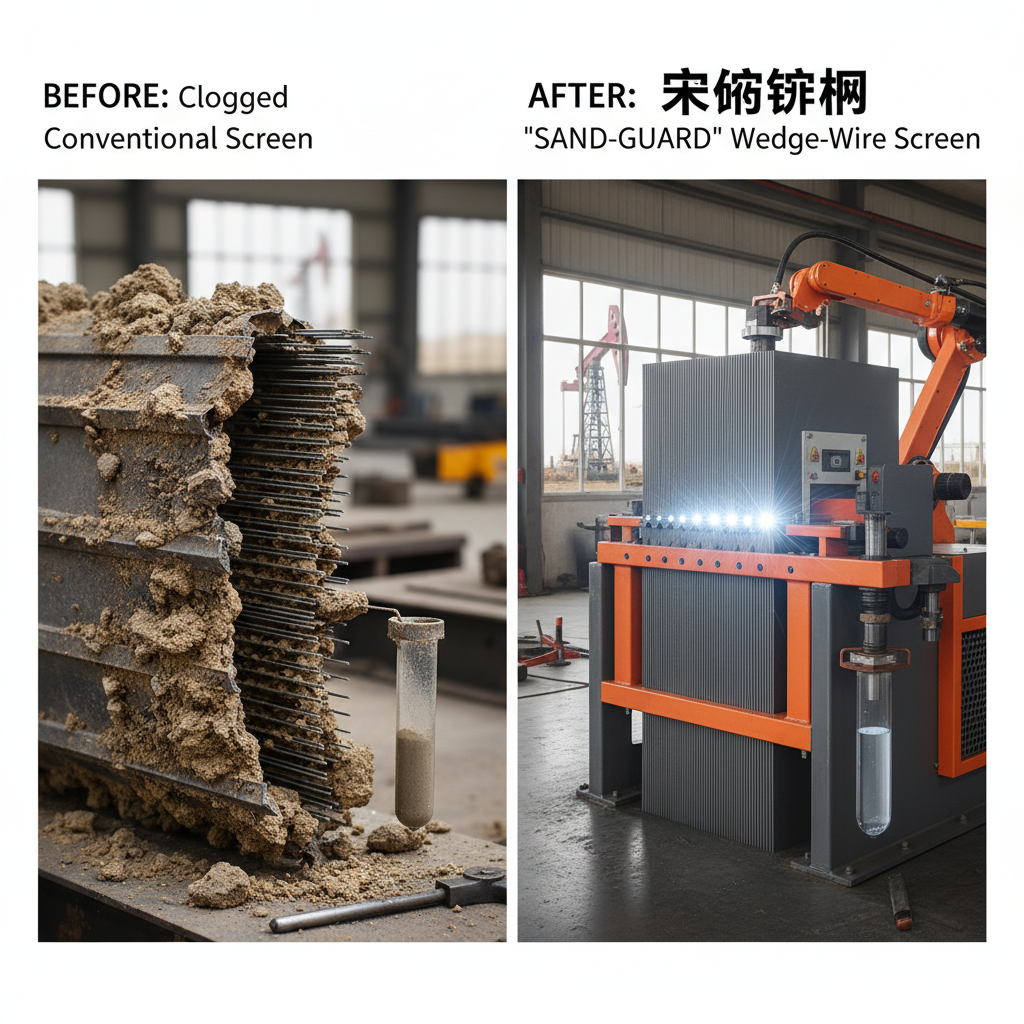
No system is perfect. From screen blinding (material clogging mesh) to structural fatigue, operators face ongoing hurdles. Experts recommend:
- Using layered or multi-deck screens to better separate variable size distributions.
- Designing for easy mesh replacement—sometimes field swappable to minimize downtime.
- Regular maintenance schedules backed by sensor data to predict failures before they happen.
Frankly, collaboration between equipment producers and operators is often the key. Innovations come faster when feedback loops are tight and practical realities drive design.
| Vendor | Material Options | Customization | Energy Efficiency | Typical Use Cases |
|---|---|---|---|---|
| MutoScreen | Steel & Polyurethane | High — Modular decks | Very Good | Mining, Recycling |
| ScreenPro | Steel only | Medium | Good | Quarrying |
| EcoMesh | Biopolymer mesh | High | Excellent | Sustainable mining |
FAQ: Frequently Asked Questions About Industrial Screening in Mineral Processing
What are the most important factors when choosing screening equipment for mineral processing?
Look for durability, mesh size options, energy efficiency, and ease of maintenance. The right customization to fit your ore type and production scale also matters.
How often should screening mesh be replaced in a typical operation?
It varies but many operators replace mesh every 6–12 months depending on abrasion levels. Regular inspections and sensor data can help pinpoint the ideal time.
Can screening systems be integrated into automated mineral processing plants?
Yes. Modern screening equipment often features IoT-enabled controls allowing integration with broader plant automation for real-time monitoring and adjustments.
How does screening help reduce environmental impact in mining?
Efficient screening reduces energy use by eliminating oversize material early, lowers waste production, and supports better recovery rates, all contributing to greener operations.
Are mobile screening units effective for remote mining projects?
Absolutely. Mobile units provide flexibility where infrastructure is limited, can be rapidly deployed, and tailored to specific mineral types for efficient processing.
Conclusion: Why Investing in Industrial Screening Pays Off
Industrial screening in mineral processing is more than just a technical procedure—it’s a cornerstone for efficient, sustainable mining. With ongoing innovations, companies can reduce costs, improve safety, and foster trust with communities and stakeholders. If you want to dive deeper into cutting-edge screening solutions and their real-world applications, visit our website. It feels like every advancement in screening technology nudges the entire mineral processing field forward—one well-filtered grain at a time.
References:
1. United Nations Environment Programme, Global Mining Impact Report, 2022.
2. ISO 13448:2017, Mining and mineral processing machinery — Screening equipment standards.
3. Wikipedia, Mineral Processing, accessed 2024.