Understanding What Sieves Are Used For in Industrial Applications
If you’ve ever worked in manufacturing or processing industries, you’ve run into sieves more times than you can count. I mean, these aren’t just kitchen tools for baking—no, sieves are the unsung heroes of the industrial world. From separating particles to ensuring consistent product quality, a good sieve can make or break your operation.
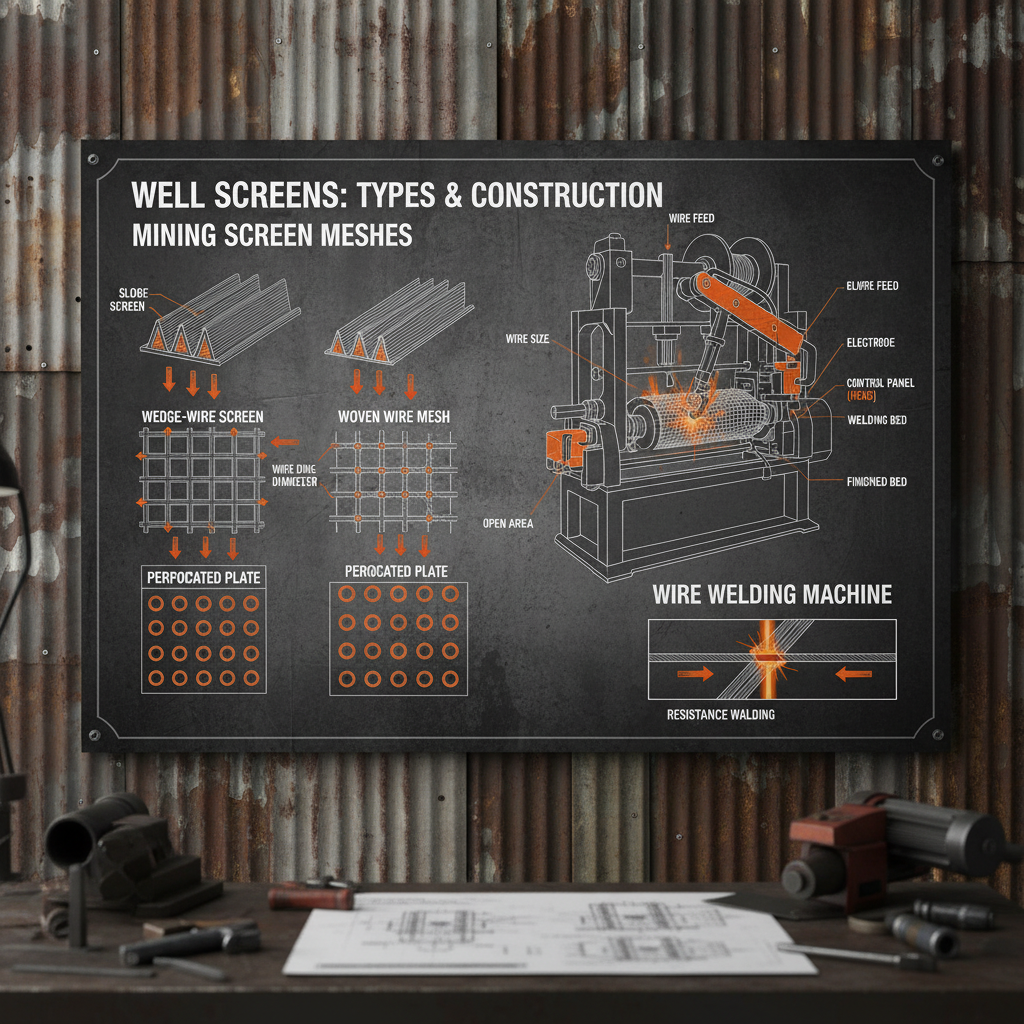
Now, oddly enough, the variety and sophistication of sieves in industry often fly under the radar. You see, many people think a sieve is just a mesh that sorts out the “big stuff” from the “small stuff.” But in reality, depending on what you’re running—sand, powders, grains, plastics, or even wastewater sludge—the sieve’s design and material can change dramatically.
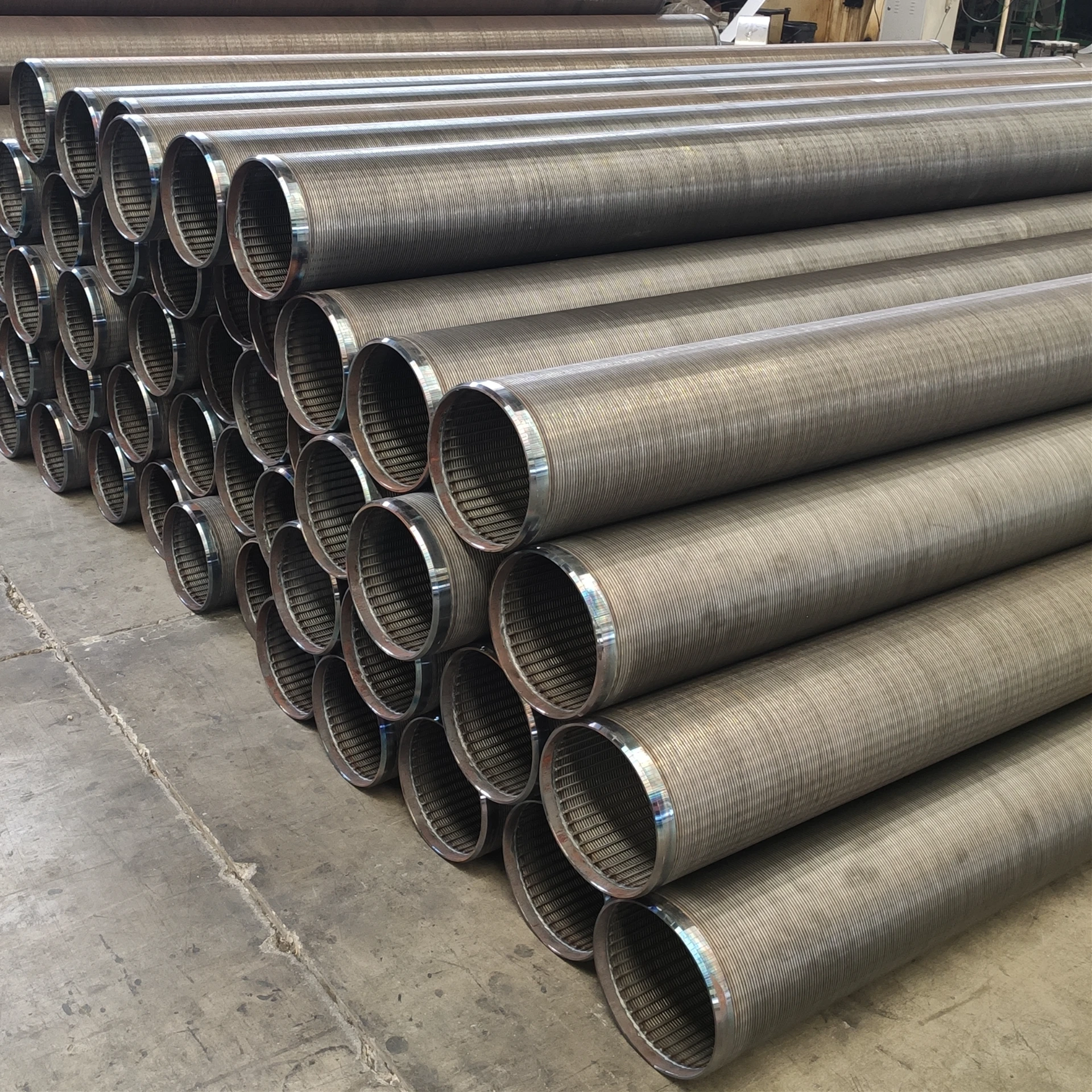
Different Uses Highlighting the MutoScreen Role in Screening Solutions
Broadly speaking, sieves serve these key purposes:
- Size Separation: This is the bread and butter — sorting particles to specific sizes to ensure everything downstream runs smoothly.
- Contaminant Removal: Removing foreign material or oversized items that could damage machinery or degrade product purity.
- Classification and Grading: Categorizing material into different grades or qualities, particularly crucial in mining and agriculture.
- Moisture Reduction: Certain sieve systems help with drying or removing excess water, especially in food and chemical sectors.
- De-Agglomeration: Breaking up clumps or lumps—something that’s a lot more important than it sounds in powder handling.
I’ve seen firsthand how investing in well-made sieve screens, like those from
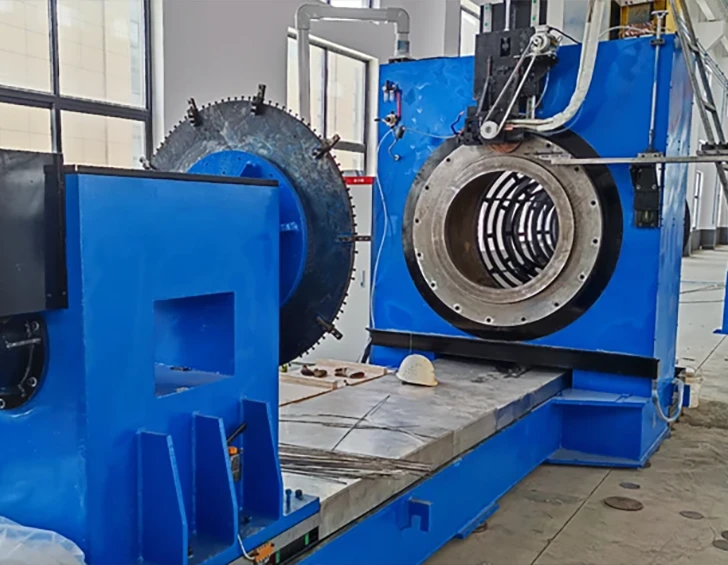
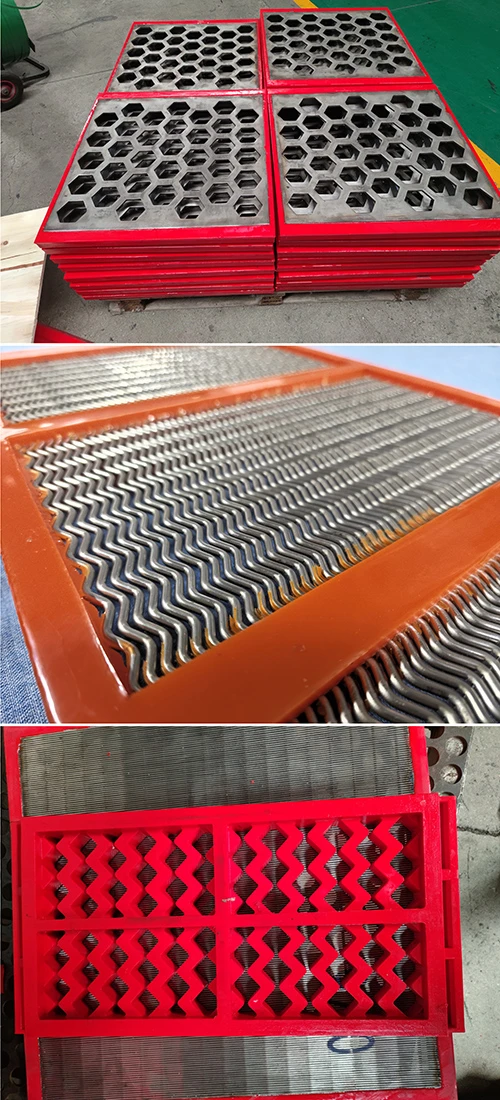
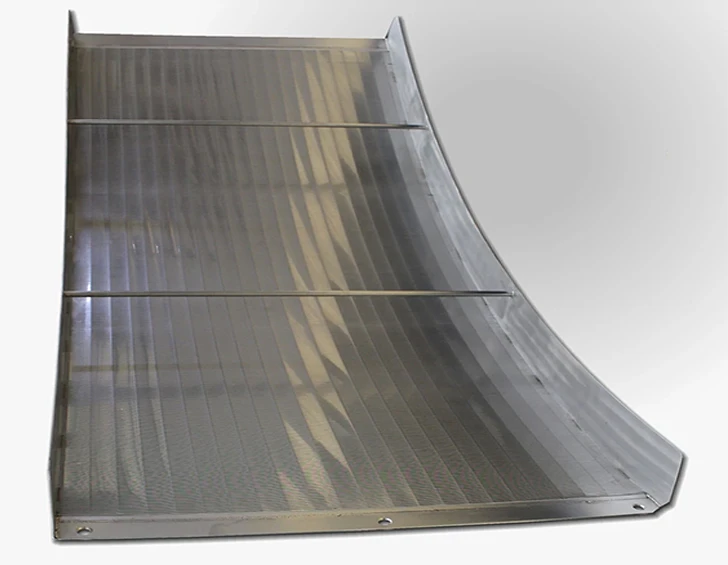
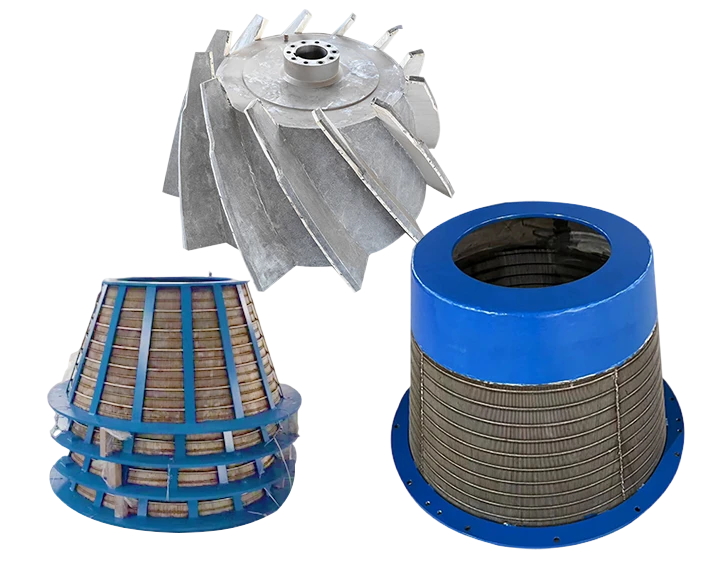
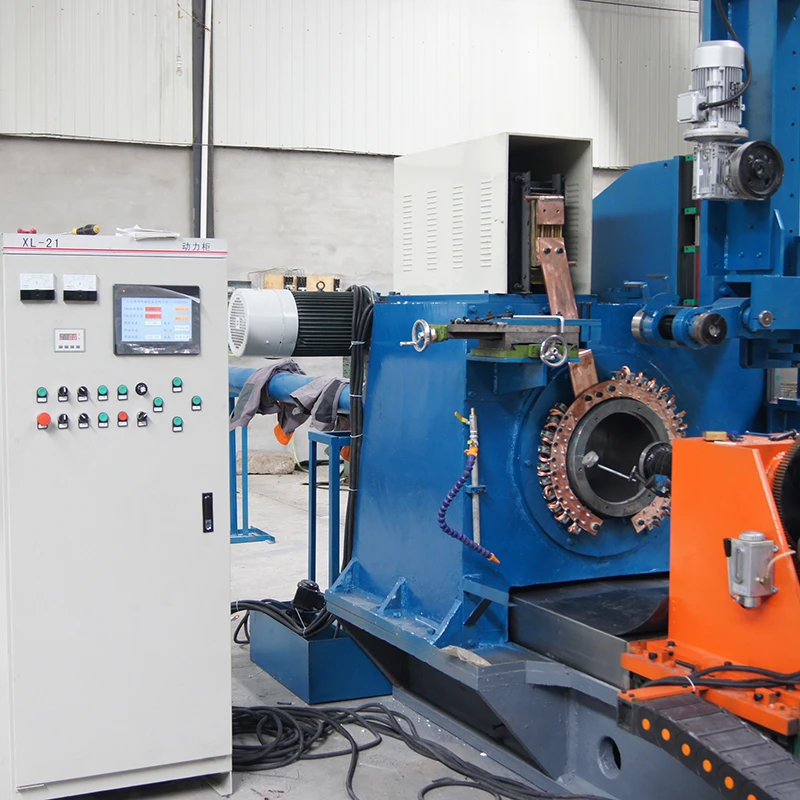
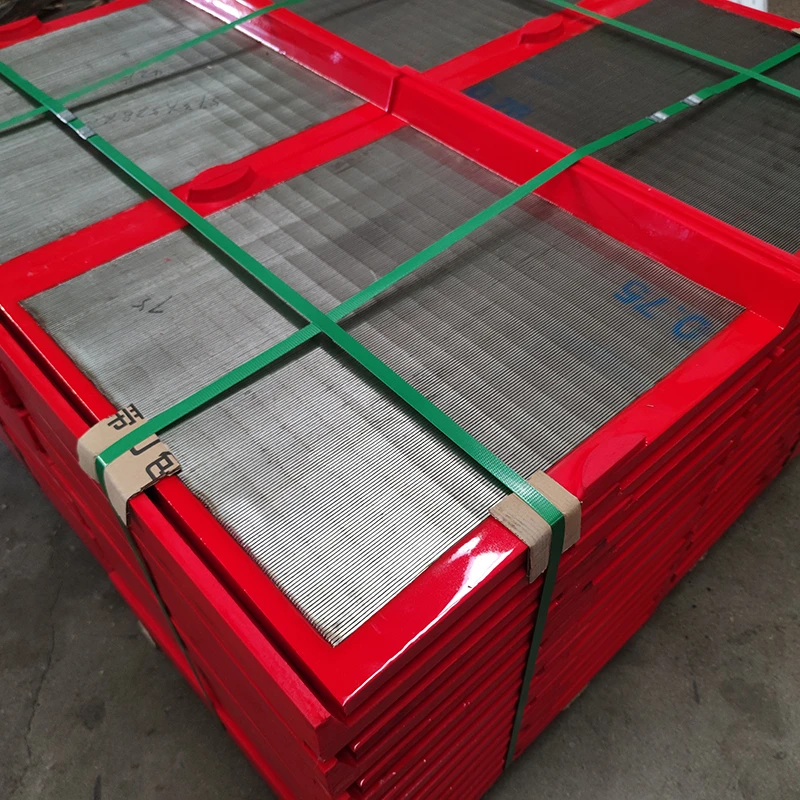
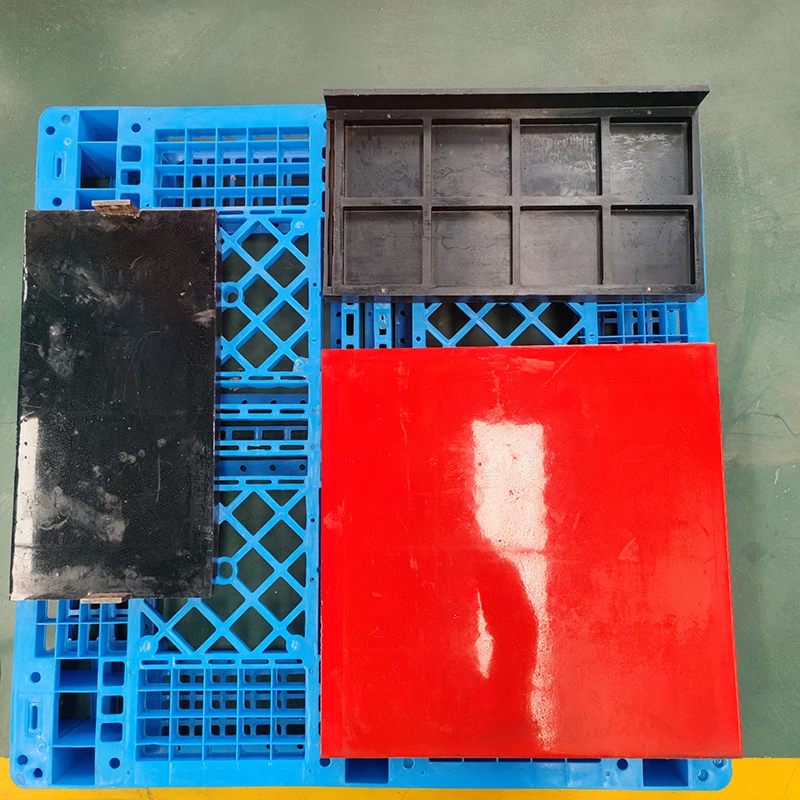
MutoScreen, can reduce downtime and improve throughput. These screens offer durability and customization that seems to suit every application—from light powders to abrasive materials.
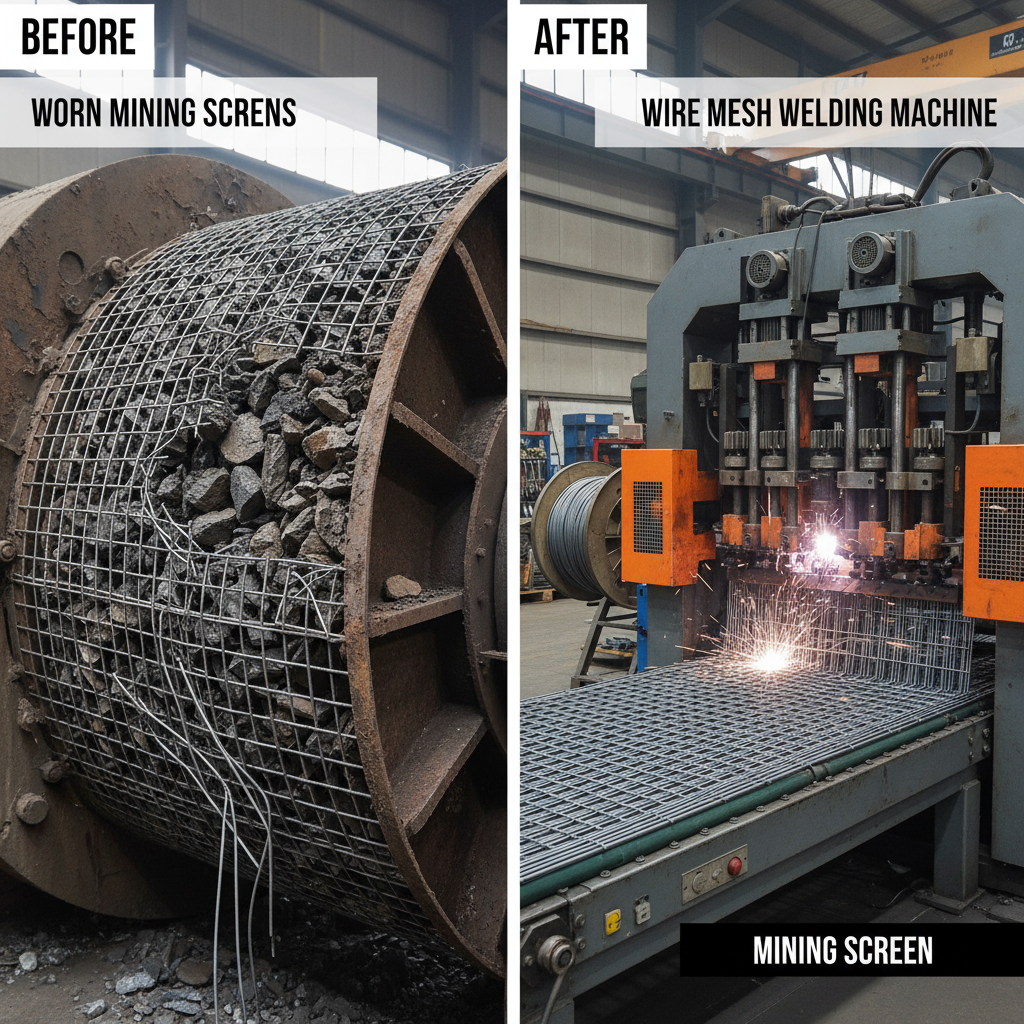
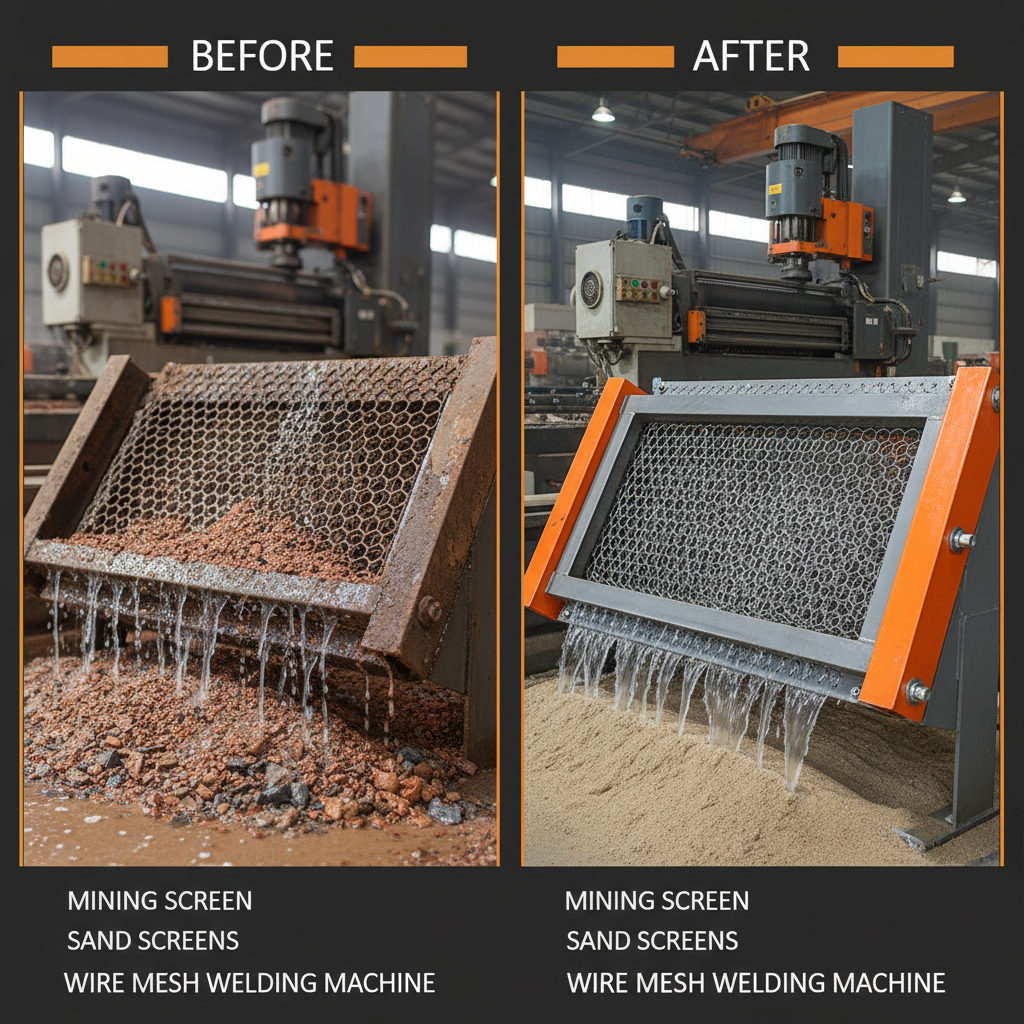
A quick story: A client running an abrasive mineral processing plant once told me how switching to a MutoScreen sieve drastically cut their screen replacements from monthly to quarterly. That saved not just money but headaches and labor hours—a pretty unbeatable combo.
Key Product Specifications to Consider for Industrial Sieves
Choosing the right sieve isn’t just about size. Here’s a practical breakdown of common specs that always come up:
| Specification |
Typical Range |
Notes |
| Mesh Size |
20 – 500 mesh |
Controls particle size separation |
| Material |
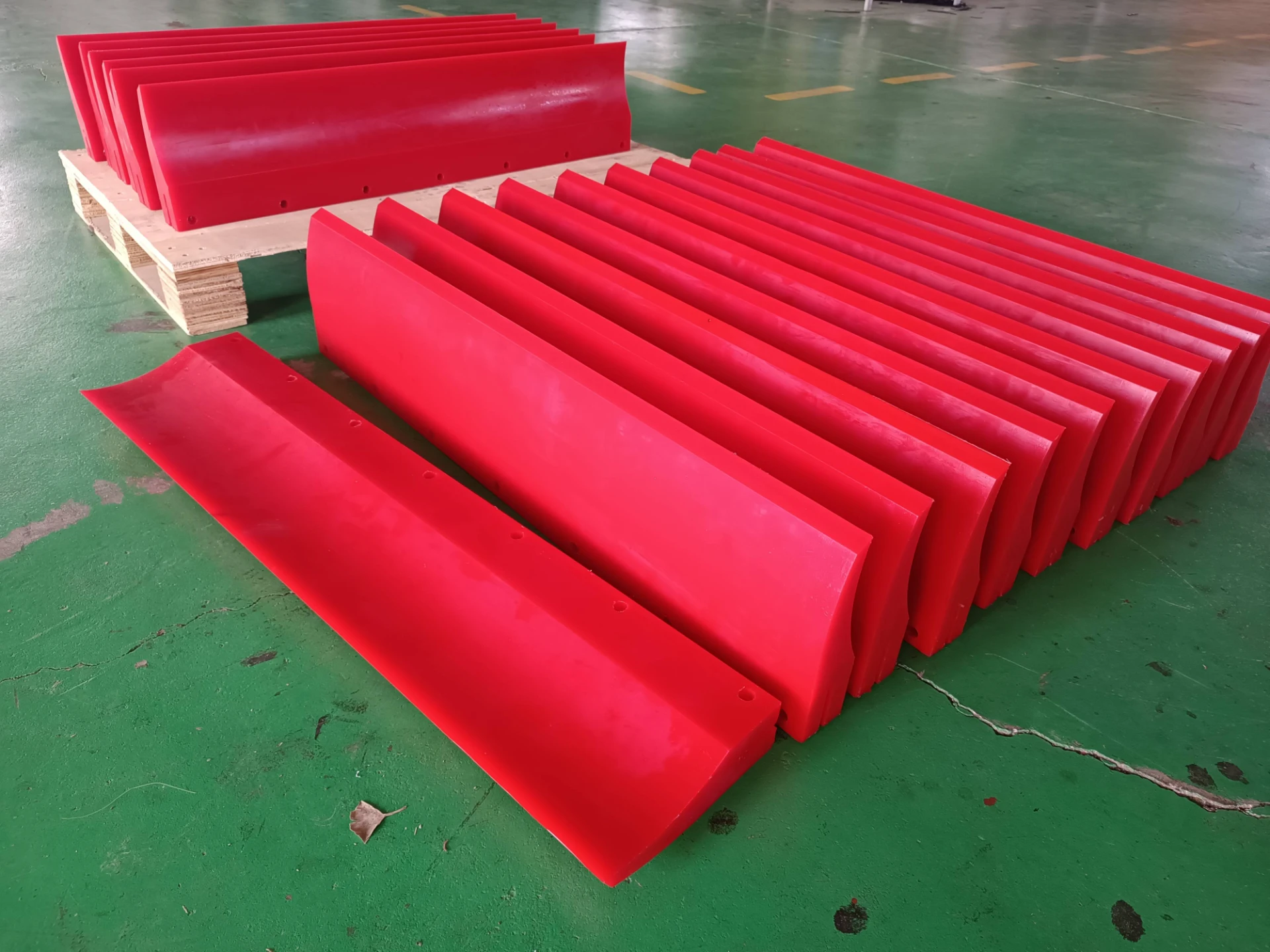
Stainless Steel, Carbon Steel, Polyurethane |
Depends on corrosion, abrasion resistance needs |
| Opening Shape |
Square, Round, Slotted |
Affects flow and clogging tendency |
| Tensile Strength |
Up to 2000 N/mm² |
Ensures durability under stress/load |
| Screen Thickness |
0.25 – 4 mm |
Balancing strength and flow capacity |
While specs matter, I’m convinced that the hands-on testing and knowing your material are equally important. If you guess wrong, you might end up scrapping a batch or clogging the whole line. It’s sort of the “trust, but verify” mantra.
Getting to Know Your Sieve Vendors: What Should You Expect?
Picking the right vendor is as crucial as the sieve itself. Here’s how some common industry players stack up, including the all-star MutoScreen:
| Vendor |
Product Range |
Customization Level |
Lead Time |
Pricing |
| MutoScreen |
Wide (various screen types & materials) |
High — tailored to customer specs |
2 – 4 weeks |
Competitive |
| Vendor B |
Moderate (standard screens only) |
Low — limited variations |
4 – 6 weeks |
Budget-friendly |
| Vendor C |
Extensive (custom and exotic materials) |
Very High |
Variable |
Premium pricing |
I’ve learned the hard way that cheaper isn’t always better when it comes to sieves. Usually, you get what you pay for: screen longevity, precise tolerance, and ease of replacement count more over time than the initial cost. For anyone serious about their screening process, vendors like
MutoScreen stand out because of that balance.
---
Honestly, considering what sieves are used for kind of reminds me how often we take little parts of any system for granted. They quietly affect everything from product consistency to process uptime—and somehow, screen technology keeps marching forward too.
So, next time you walk past a conveyor or processing line, glance a bit closer at the sieves involved. Odds are, that mesh is the unsung hero keeping things running smooth and steady.
References & thoughts:
- Personal field observations from mineral and food processing sites.
- MutoScreen product literature and technical specs.
- Industry discussions on sieve wear and durability in trade forums.