Wastewater Treatment Screen: Durable Solutions for Efficient Wastewater Management | Mutoscreen
Wastewater Treatment Screen is a key solution in the industry, specifically within the wastewater management and environmental engineering sectors. This article explores how https://www.mutoscreen.com supports professionals with durable, high-performance products, and explains why this product is an ideal choice for businesses in these sectors.
Table of Contents
- Wastewater Treatment Screen Overview
- Benefits & Use Cases of Wastewater Treatment Screen
- Cost, Maintenance & User Experience
- Sustainability & Market Trends
- Frequently Asked Questions about Wastewater Treatment Screen
- Conclusion on Wastewater Treatment Screen from China
Wastewater Treatment Screen Overview
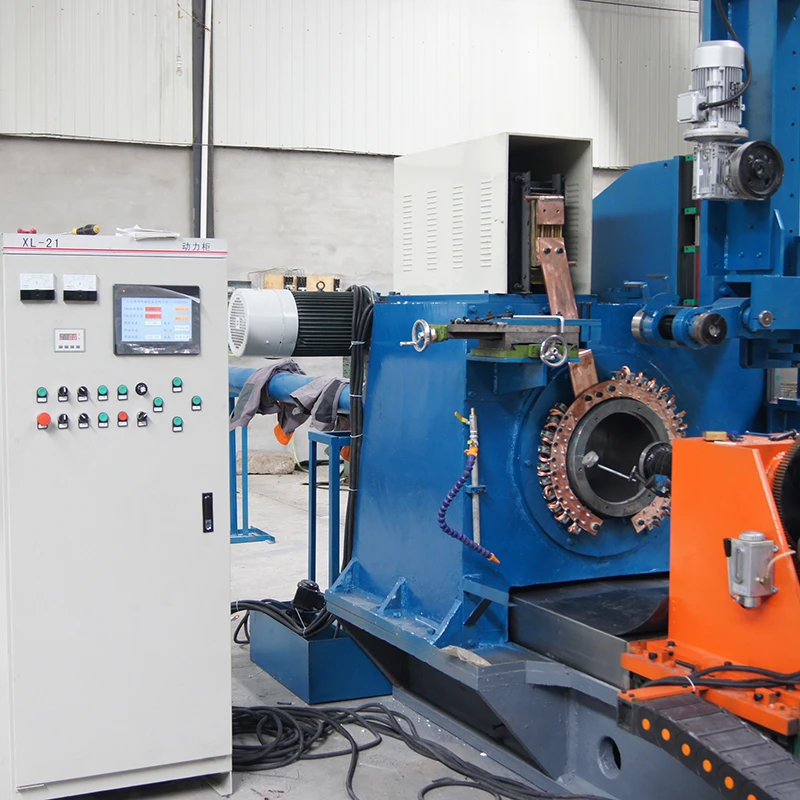
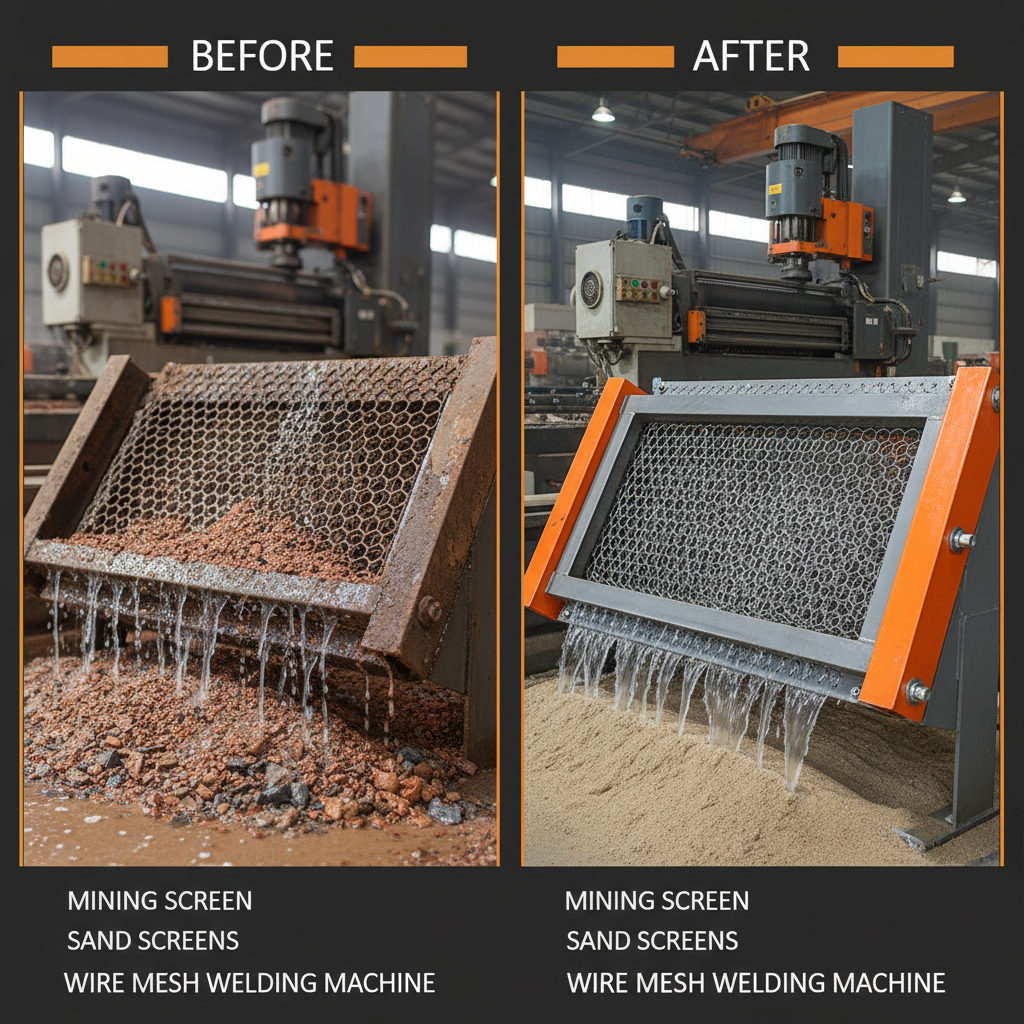
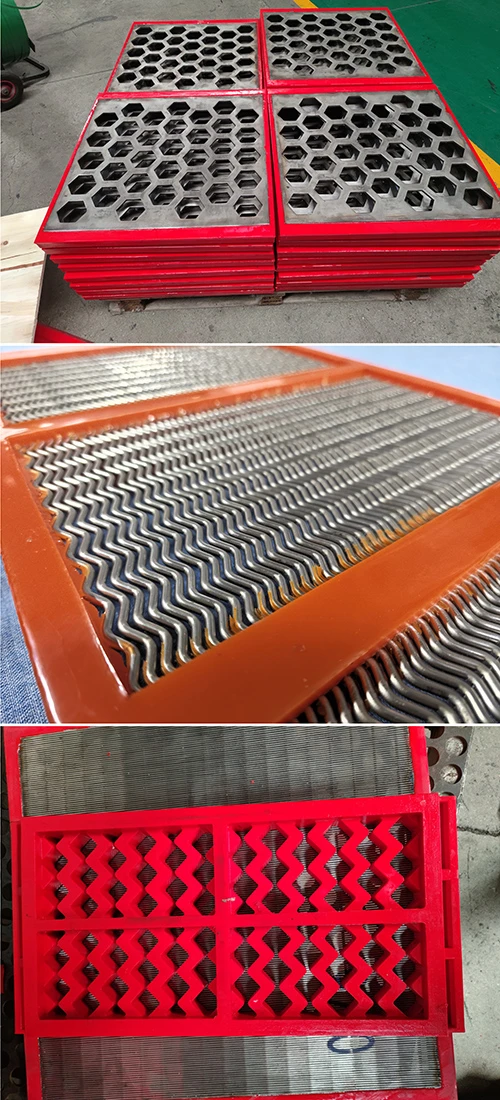
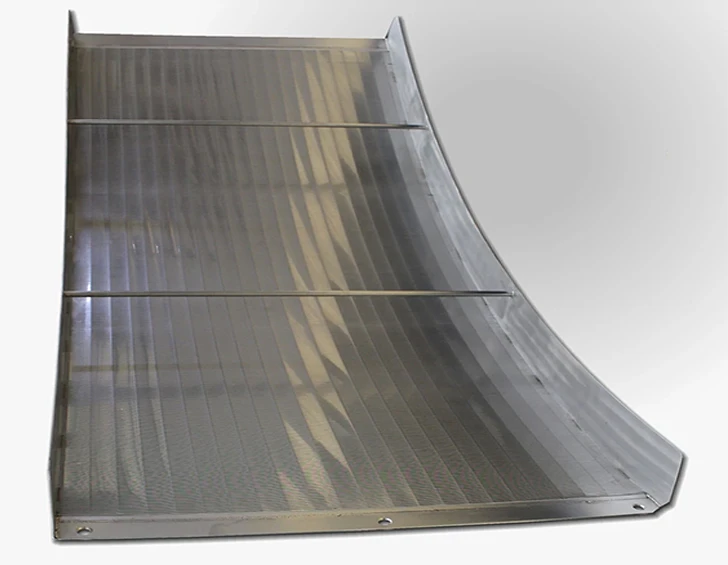
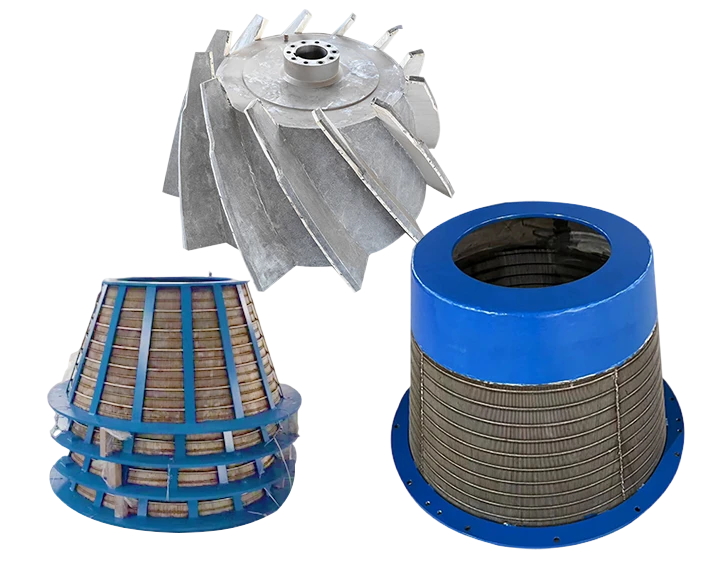
At its core, a Wastewater Treatment Screen is a mechanical filtration device designed to remove solid waste from wastewater before it goes through further treatment stages. Think of it like a giant filter sieve – but for industrial-sized flows. This crucial first step prevents large debris from clogging pumps or damaging downstream equipment.
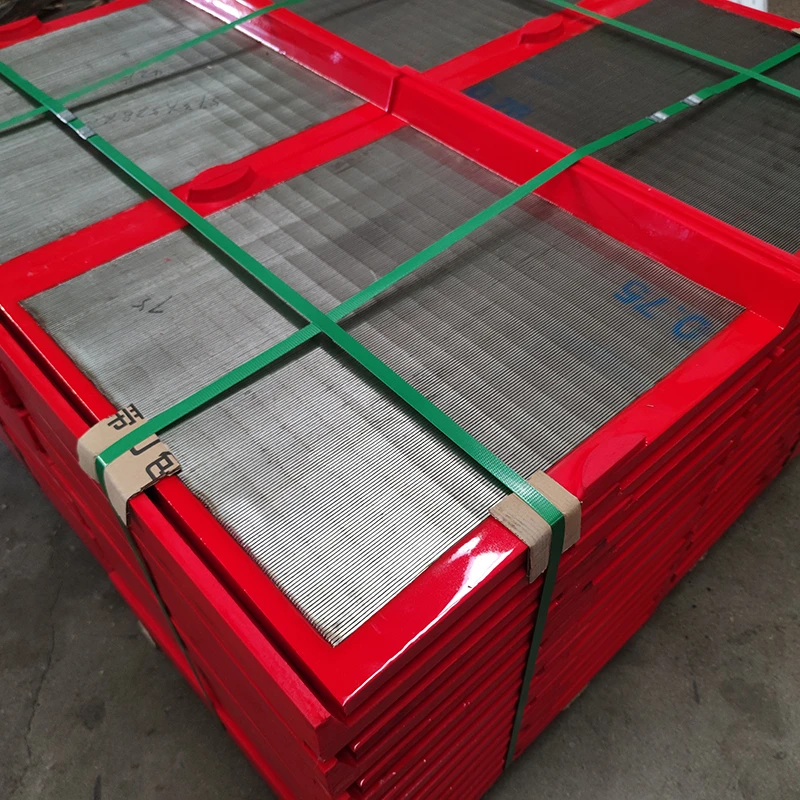
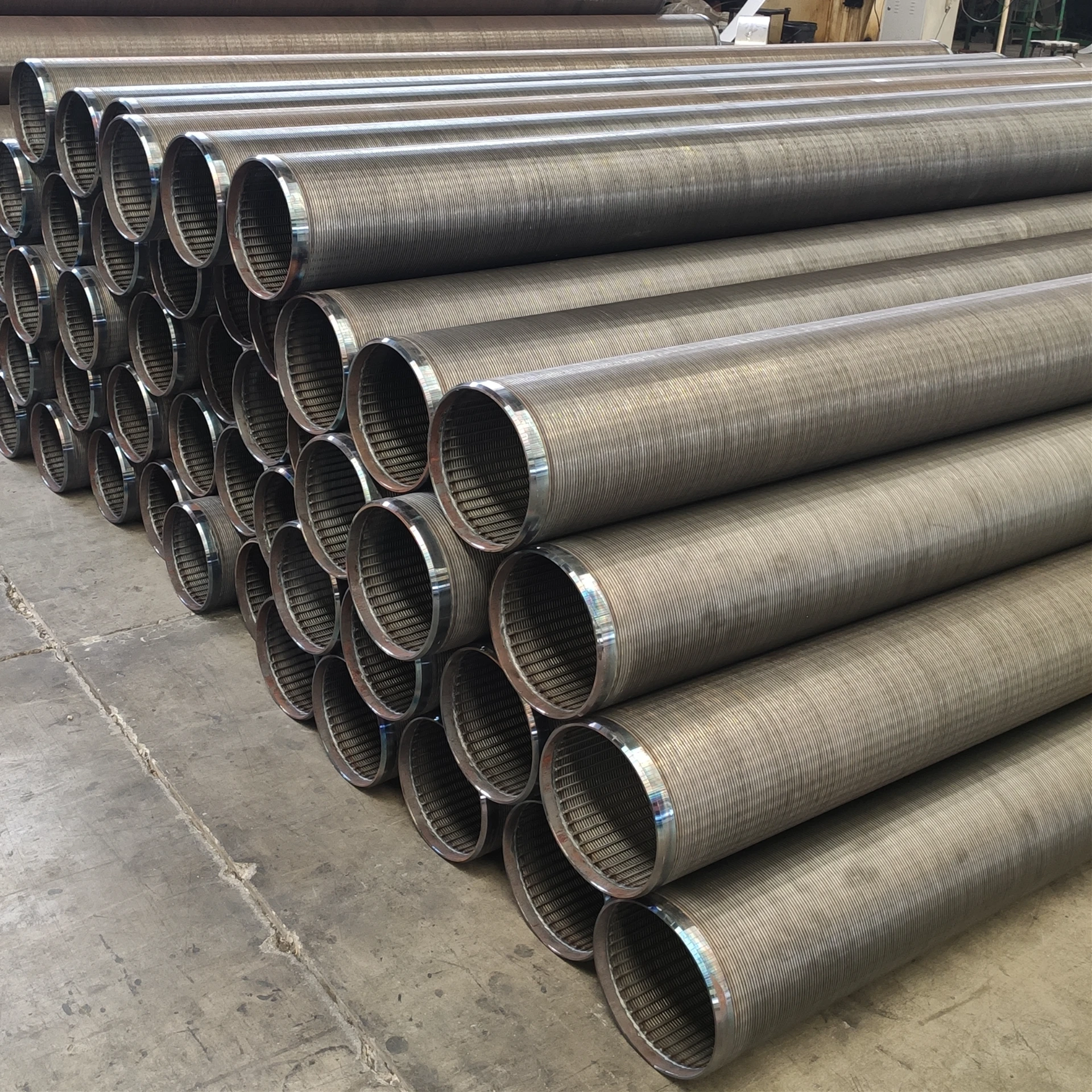
Technically speaking, these screens vary in type—ranging from coarse bar screens that catch objects greater than 6 mm, to fine mesh screens filtering out minute particles down to 0.15 mm. Among these, stainless steel is usually the preferred material, given its resistance to corrosion in harsh wastewater environments. Interestingly, companies like Mutoscreen have optimized the design by using modular panels allowing easy cleaning and replacement without major shutdowns. A case study from a municipal plant in China showed a 25% reduction in operational downtime after installing these screens — impressive stuff.
| Specification | Detail |
|---|---|
| Screen Type | Coarse & Fine Mesh |
| Material | 304/316 Stainless Steel |
| Maximum Flow Rate | Up to 10,000 m³/hour |
| Mesh Size Range | 0.15 mm to 6 mm |
| Cleaning Mechanism | Manual or Automatic Raking |
Benefits & Use Cases of Wastewater Treatment Screen
When it comes to applications, wastewater treatment screens play a starring role in a surprising number of industries. Municipal wastewater plants obviously lead the charge, but you’ll also find these screens safeguarding process equipment across food & beverage manufacturing, paper mills, chemical plants, and even mining operations. The reason they’re so ubiquitous? Simple: preventing solids from entering later stages avoids damage, reduces maintenance, and improves overall plant efficiency.
Oddly enough, it's the design nuances that often set apart one manufacturer's wastewater treatment screen from another's. Mutoscreen’s screens, for example, boast quick-install modular frames and superior corrosion resistance—features that frontline engineers openly appreciate. Plus, their automatic raking systems reduce labor costs while maintaining filtration quality. We’re talking fewer headaches, less downtime, and even potential energy savings from smoother downstream processes.
Cost, Maintenance & User Experience
Let's be honest. The upfront cost of installing a wastewater treatment screen can seem hefty, especially for smaller plants or businesses working on tight budgets. But if you consider total cost of ownership—including fewer repairs, longer equipment lifespans, and labor savings—it paints a different picture altogether. Durable stainless steel construction means these screens can last 15+ years with minor upkeep, making the ROI fairly attractive.
Feedback from industry professionals often praises user-friendly features. Automated cleaning not only cuts down on manual labor but also prevents clogging that could otherwise escalate maintenance costs. One mining company, for example, saw a 40% reduction in operational interruptions attributable to debris after switching to a Mutoscreen model. That kind of practical success transforms a speculative investment into a proven asset.
| Feature | Mutoscreen | Competitor A | Competitor B |
|---|---|---|---|
| Material Quality | 316 Stainless Steel | 304 Stainless Steel | Aluminum |
| Cleaning Type | Automatic Raking | Manual Cleaning | Semi-Automatic |
| Installation Time | 2 days | 4 days | 3 days |
| Warranty | 5 years | 3 years | 2 years |
Sustainability & Market Trends
Sustainability is not just a buzzword in this space; it’s a driving force. Wastewater treatment screens contribute indirectly by protecting equipment that ensures cleaner effluents and reduces pollutants in water releases. Governments worldwide—especially in rapidly industrializing regions—are tightening regulations on wastewater discharge. This increases demand for reliable, high-efficiency screening solutions.
The market is also seeing a trend toward more automation and intelligence in screens, allowing real-time monitoring and adaptive cleaning schedules. Frankly, it’s the convergence of durability, smart tech, and eco-conscious design that companies like Mutoscreen are pushing on. With global wastewater treatment projected to grow substantially in coming years, these screens aren’t just a niche tool—they’re becoming central to the industry's future.
Frequently Asked Questions about Wastewater Treatment Screen
- What is Wastewater Treatment Screen and how does it work?
- A wastewater treatment screen is a filtering device placed at the initial stage of treatment plants. It works by physically removing solids from wastewater, protecting downstream processes and equipment. Waste passes through a mesh or bar screen, trapping debris and allowing cleaner liquid to flow onward.
- What are the main benefits of using Wastewater Treatment Screen in industrial applications?
- Benefits include equipment protection, reduced maintenance and downtime, improved treatment effectiveness, and cost savings. High-quality screens are durable and require less manual labor due to automation features, making operations more efficient.
- How does Wastewater Treatment Screen compare to traditional alternatives?
- Compared to traditional open bar racks or manual filters, modern wastewater treatment screens offer finer filtration, automated cleaning systems, and superior material longevity. They reduce human error and maintenance frequency, leading to improved plant productivity.
- What industries can benefit most from Wastewater Treatment Screen implementation?
- Municipal wastewater facilities, food processing plants, pulp and paper mills, chemical manufacturing, mining sites, and other industries that generate solid-laden wastewater will find these screens incredibly useful.
Conclusion on Wastewater Treatment Screen from china
To sum it up, a wastewater treatment screen is a fundamental asset for any facility needing efficient and sustainable wastewater management. Its role in protecting equipment, optimizing operations, and satisfying regulatory demands cannot be overstated. If you're exploring reliable solutions, companies like Mutoscreen offer both cutting-edge technology and proven durability. It’s frankly one of those investments that pays off quietly over time.
- Recap the value of Wastewater Treatment Screen.
- - Visit our website: https://www.mutoscreen.com