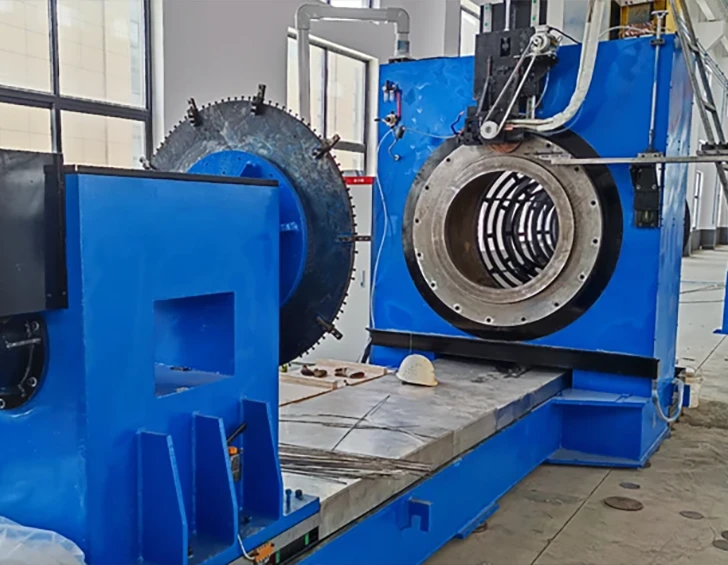
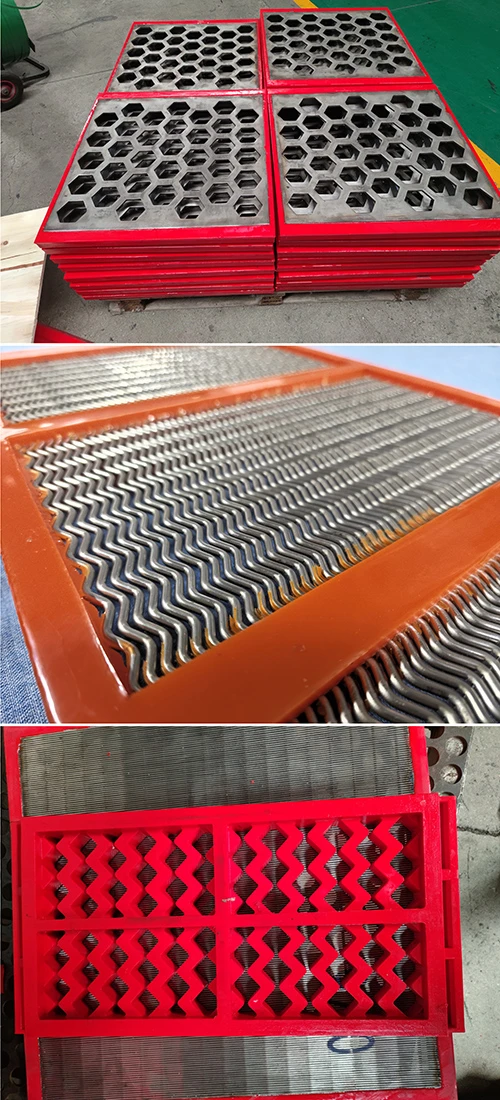
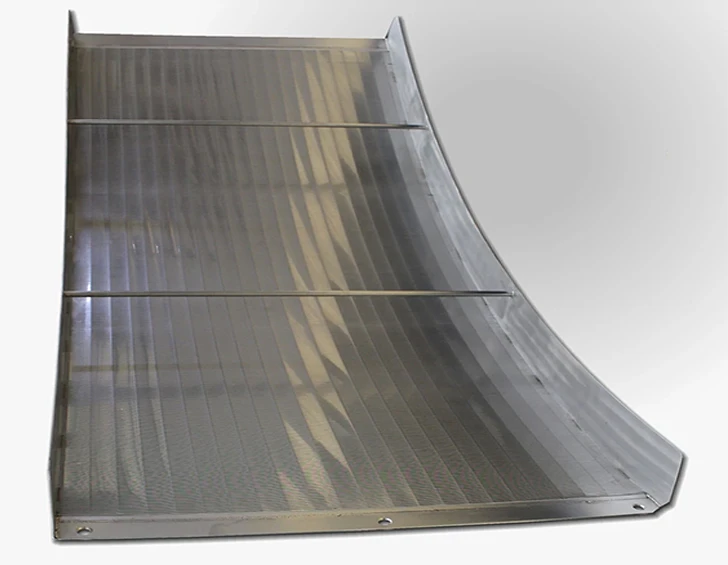
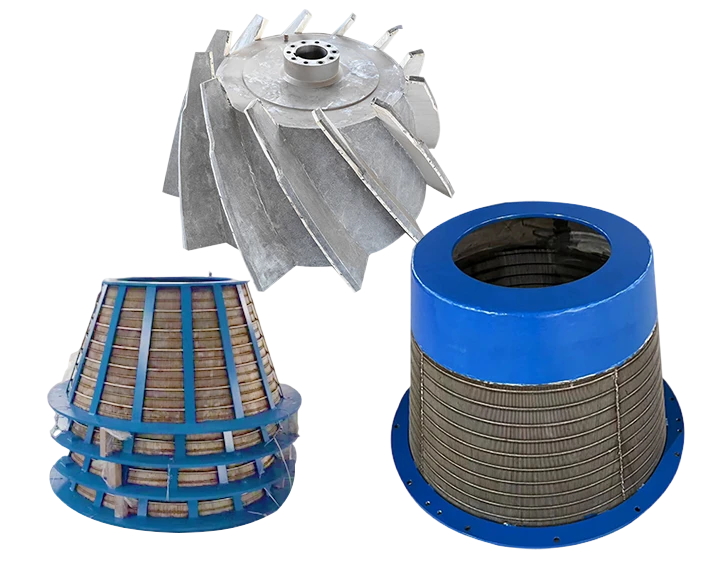
Wire Wrapped Screen is a key solution in the industry, specifically within filtration, mining, and fluid separation sectors. This article explores how https://www.mutoscreen.com supports professionals with durable, high-performance products, and explains why this product is an ideal choice for businesses in these sectors.
Table of Contents
- Wire Wrapped Screen Overview
- Benefits & Use Cases of Wire Wrapped Screen
- Cost, Maintenance & User Experience
- Sustainability & Market Trends
Wire Wrapped Screen Overview
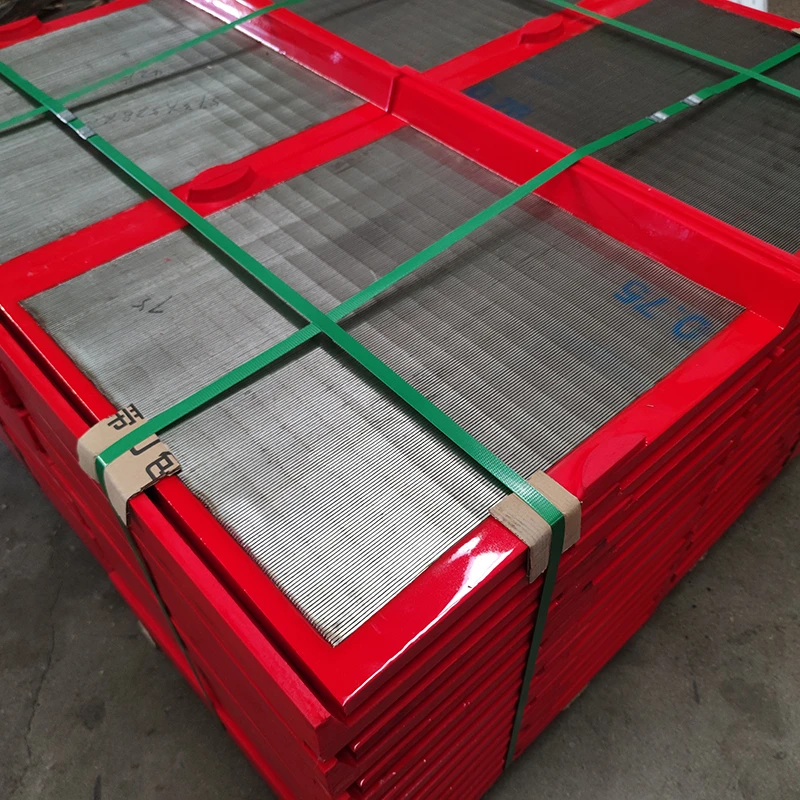
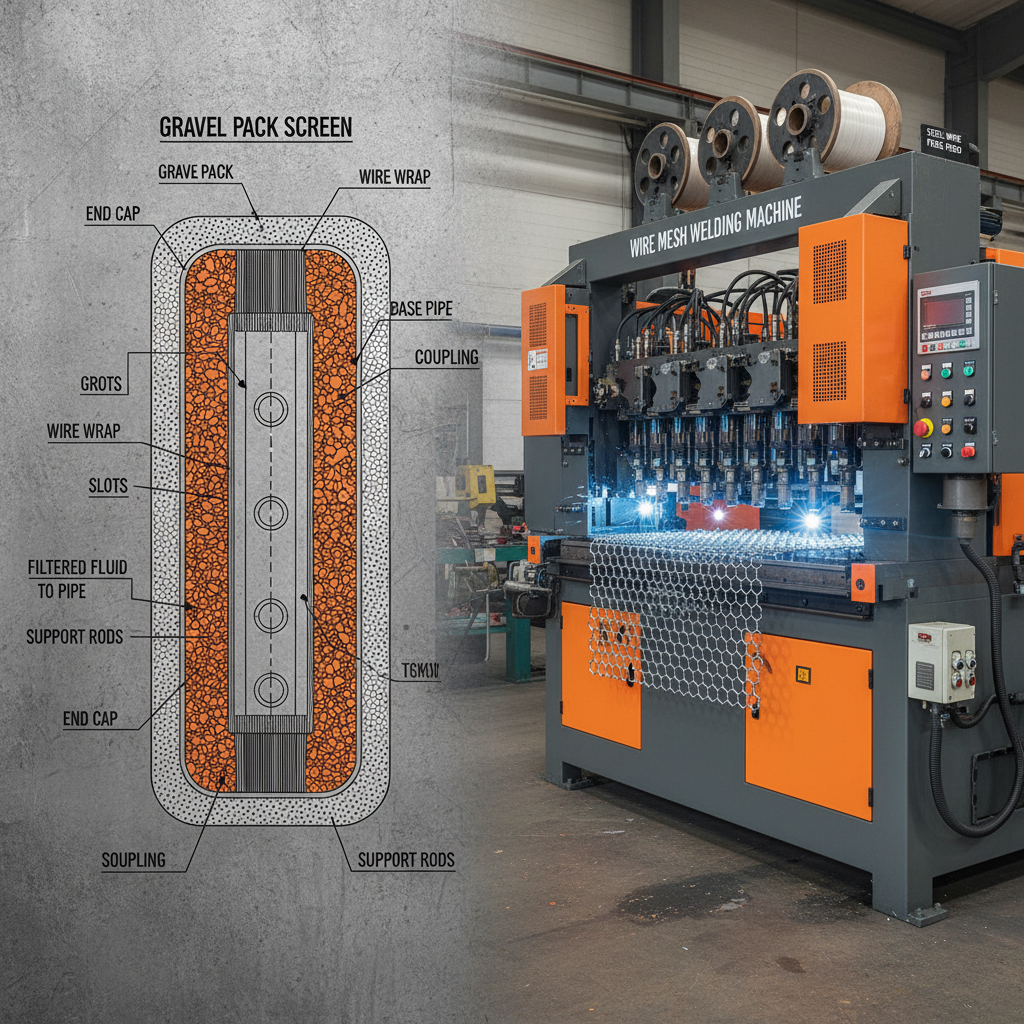
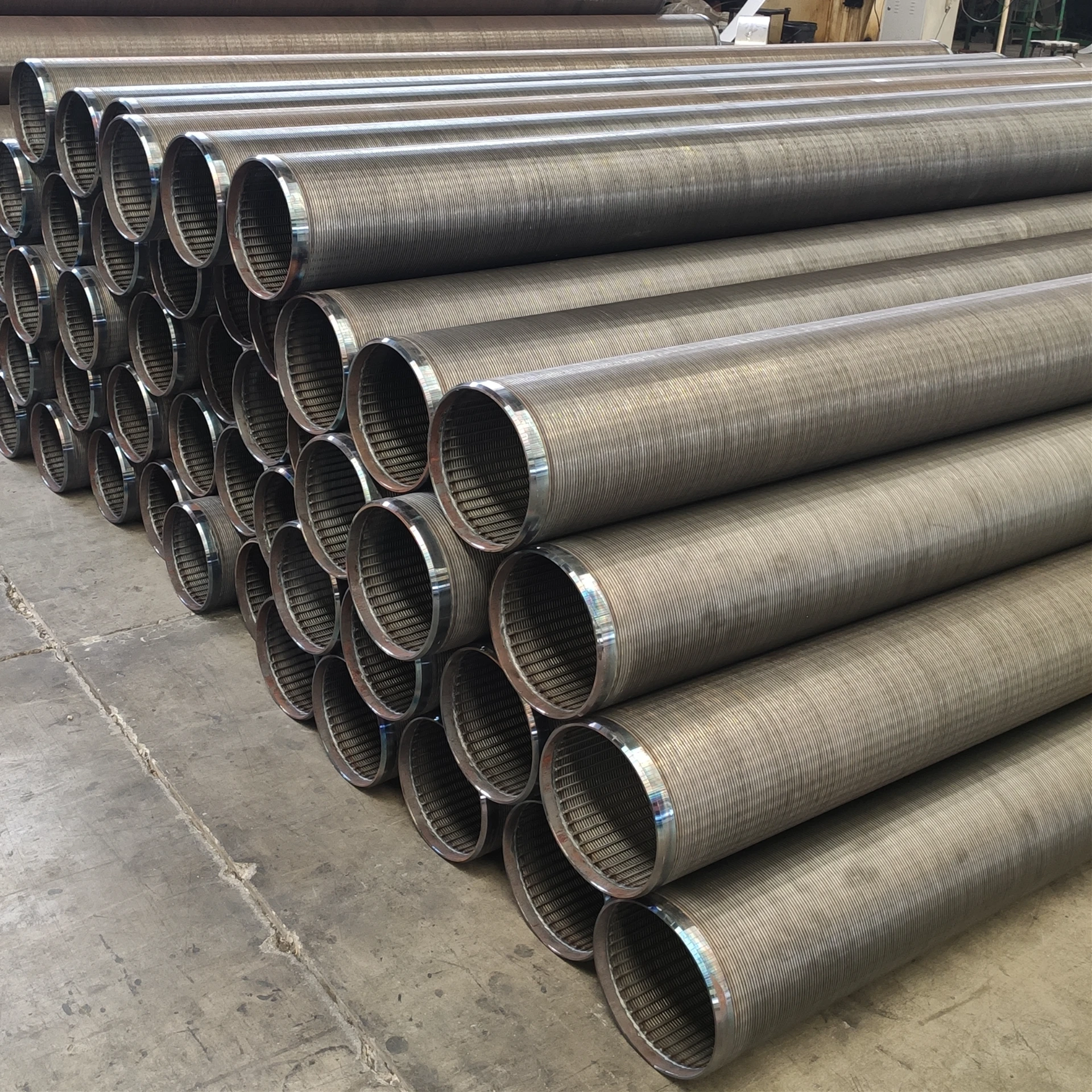
Simply put, a wire wrapped screen is a type of filtration product where precision winding of metal wire around a core rod creates a continuous slot for fluid passage, yet blocks particles above a specified size. It’s oddly satisfying how this seemingly simple construction achieves impressive separation capabilities that many industrial applications rely on daily. The design isn't just about filtering; it withstands high pressures and abrasive materials, making it relevant for industries from oil & gas to water treatment and mining.
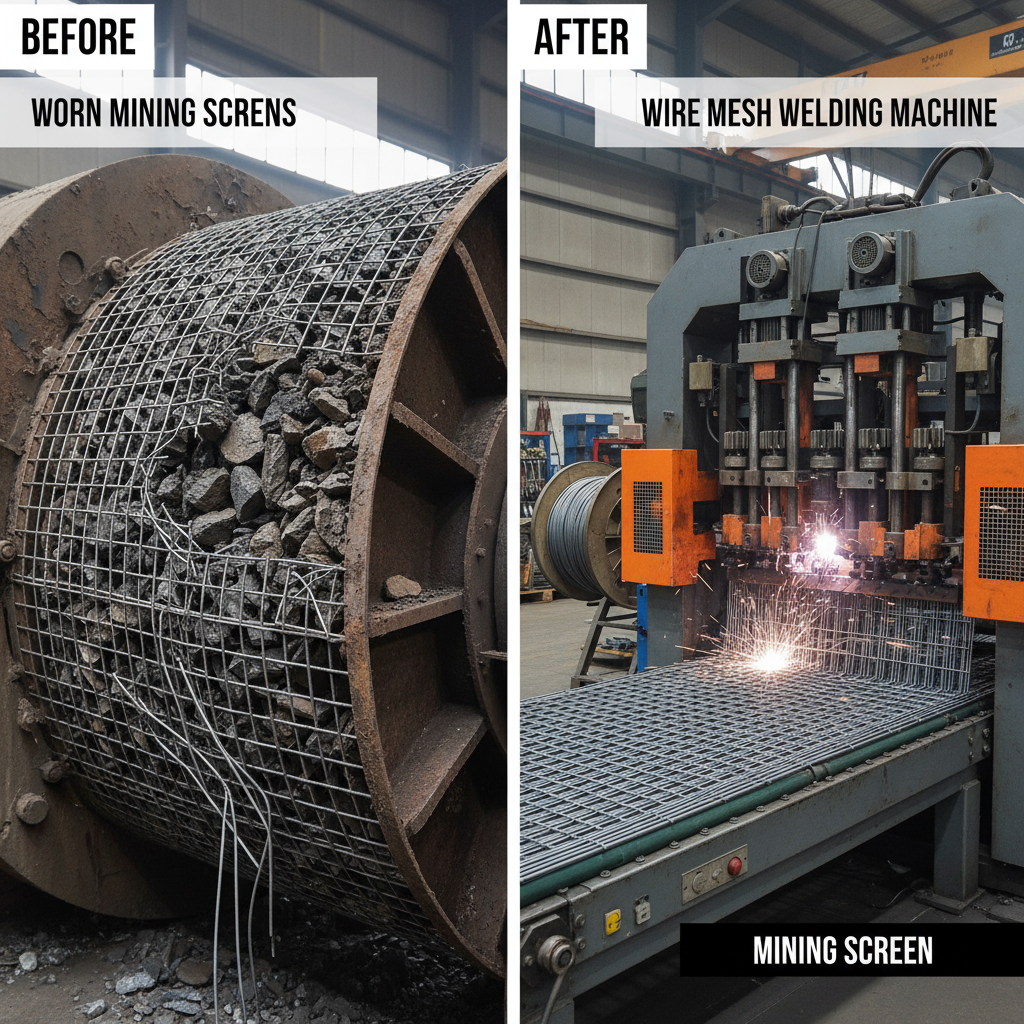
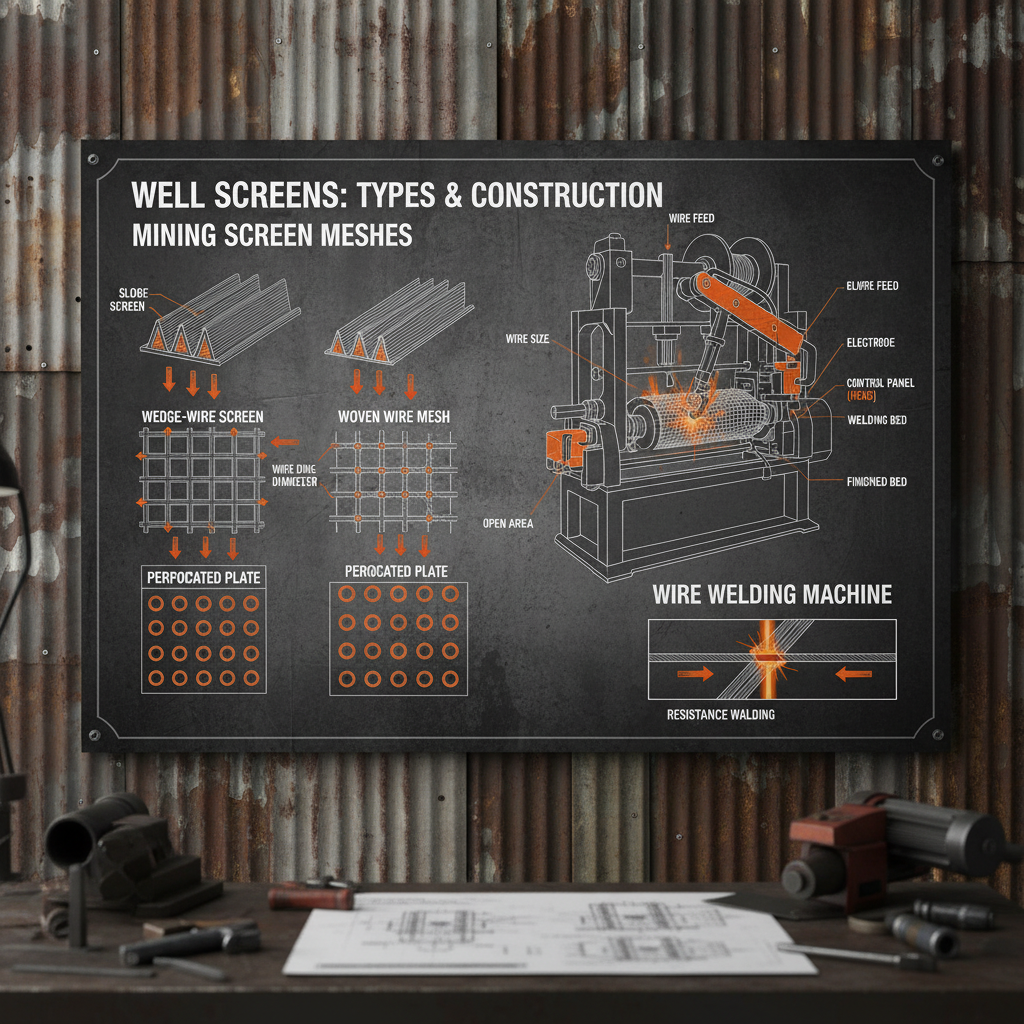
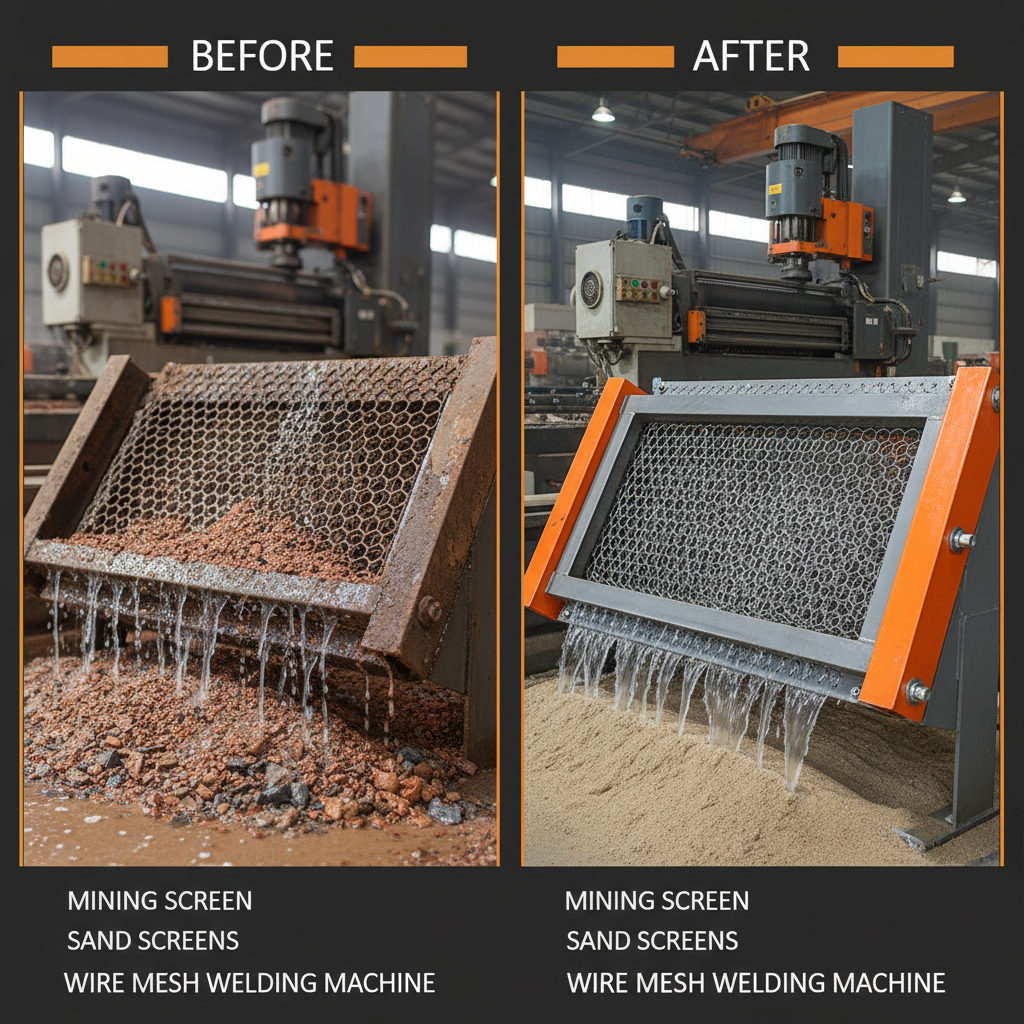
Technically, these screens are made by helically wrapping V-shaped wires of stainless steel or other metals around support rods, forming a rugged, wedge-wire slot opening. This slot size, often measured in microns, dictates the filtration precision. For instance, a 0.5mm slot removes solids larger than that, which is critical for optimizing filtration while maximizing throughput. A recent case study from a mining company showed how replacing their older mesh screens with custom wire wrapped screens reduced downtime by 30% due to clogging – which frankly, was a game changer for their operations.
| Specification | Typical Range | Notes |
|---|---|---|
| Material | Stainless Steel (304, 316), Alloy Steel | Corrosion & wear resistant |
| Slot Opening | 0.1mm – 10mm | Customizable per application |
| Wire Diameter | 0.5mm – 5mm | Affects strength & filtration flow |
| Operating Temperature | -50°C to 600°C | Depends on material choice |
Benefits & Use Cases of Wire Wrapped Screen
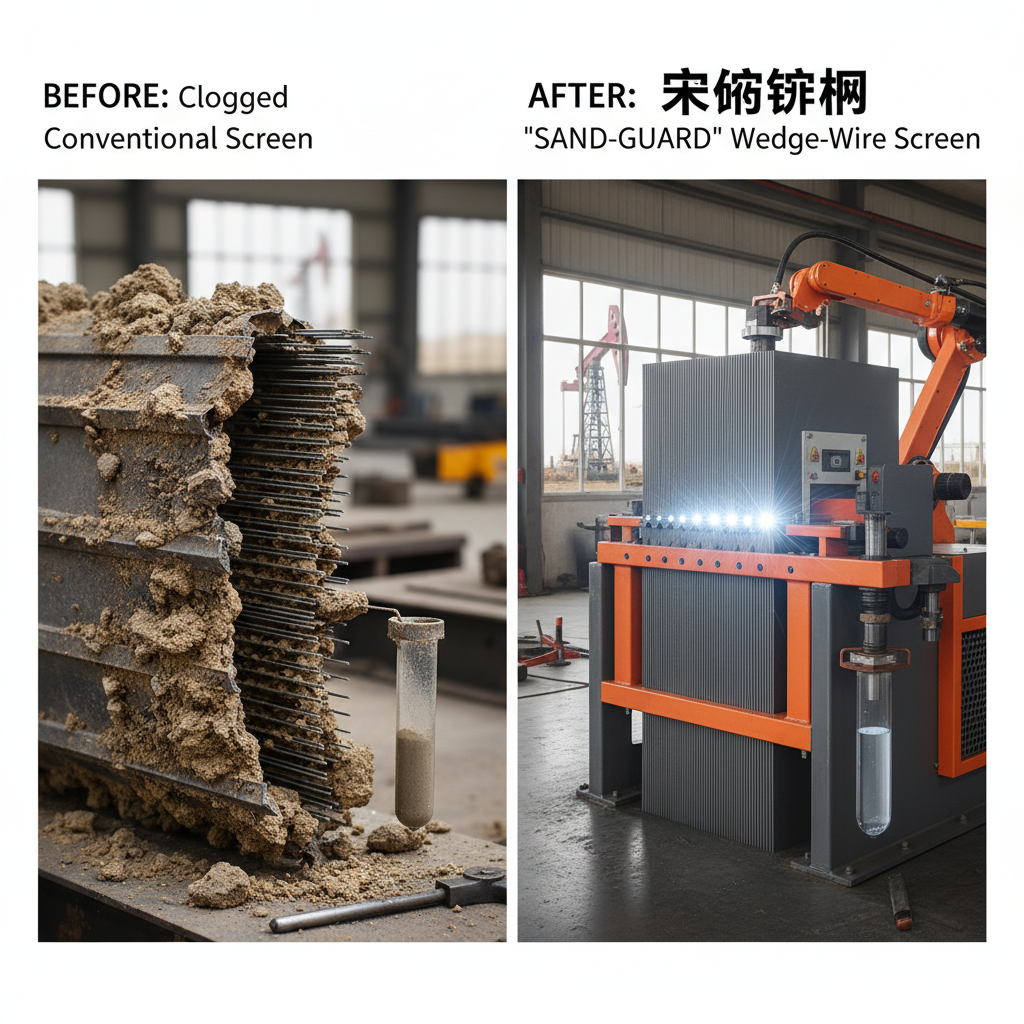
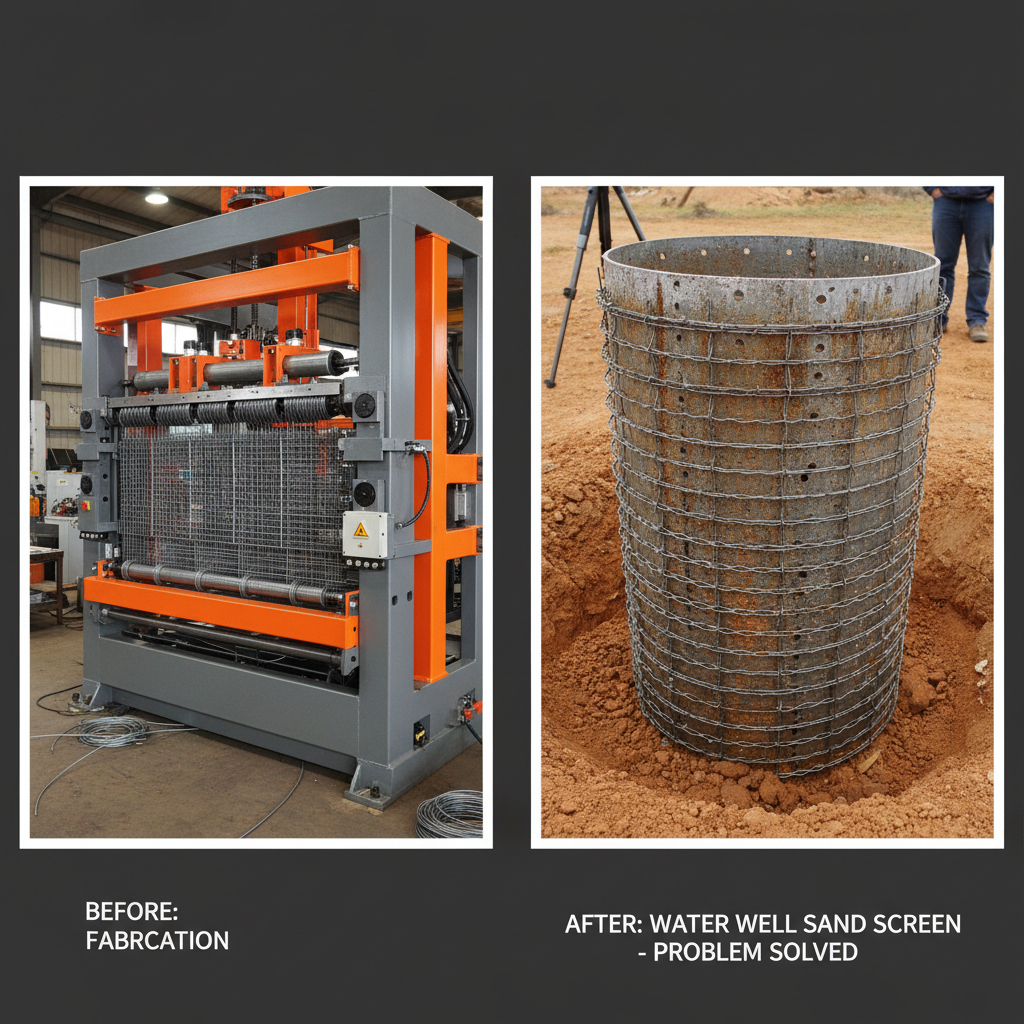
It's fascinating how versatile wire wrapped screens really are. In oilfield applications, for example, they act as durable sand control devices, preventing formation particles from damaging pumps. Similarly, wastewater treatment plants employ them to separate sludge effectively while sustaining high flow rates. Honestly, the robust construction makes them outperform plain woven mesh filters especially in corrosive or heavy-duty environments. The unique V-shaped wire profile offers self-cleaning tendencies — grit doesn’t get stuck easily.
Apart from sheer durability, another huge plus is customization. You can have different slot widths, wire diameters, and support rod spacing tailored precisely to system requirements. Compared to woven wire screens, wire wrapped options usually show longer lifespan and better resistance to clogging. This leads to less frequent replacements and maintenance—which is often a massive cost saver for B2B buyers juggling multiple assets.
Cost, Maintenance & User Experience
When talking cost, it’s tempting to focus on upfront prices. But with wire wrapped screens, total cost of ownership often paints a more compelling picture. These screens last longer under abrasive conditions, cutting down downtime and replacement expenses. As one operations manager told me recently, “Switching to wire wrapped screens felt like upgrading to first class — our headaches with clogging just vanished.” Their reported return on investment typically comes from fewer unscheduled shutdowns and more consistent filtration performance.
Maintenance-wise, the wedge-wire design reduces particle buildup, so cleaning cycles can be longer and less aggressive. Many clients report easier inspections and no surprises during preventative maintenance, offering peace of mind. It feels like this product was engineered with real-world user feedback in mind — which, frankly, you don’t always see in industrial equipment.
| Vendor | Material Options | Customization Level | Typical Lead Time |
|---|---|---|---|
| Mutoscreen | SS 304, 316, Alloy Steel | High (slot size, wire, shape) | 4-6 weeks |
| Vendor B | SS 304 only | Moderate | 6-8 weeks |
| Vendor C | Limited alloys | Low | 8-10 weeks |
Sustainability & Market Trends
Interestingly, the demand for sustainable filtration products has been steadily rising. Wire wrapped screens contribute here by lasting longer, hence reducing waste from frequent screen disposal. Manufacturers like those at Mutoscreen are increasingly focusing on environmentally friendly practices — sourcing high-quality materials with longer in-service lives and offering recyclable metal options.
Regulatory pressures, too, push industries to adopt filtration solutions that not only meet performance specs but align with green initiatives. As industries grow, especially mining and water treatment, the market for wire wrapped screens keeps expanding. They stand out for balancing high filtration efficiency with eco-conscious manufacture and disposal. This trend suggests that investing in such technology is not just wise for operations but also responsible in a broader societal sense.
Frequently Asked Questions about Wire Wrapped Screen
- What is Wire Wrapped Screen and how does it work?
- A wire wrapped screen consists of metal wires wrapped helically around support rods, creating precise slot openings that allow fluids to pass while filtering out particles above a set size. This construction provides strength and durability while maintaining effective filtration.
- What are the main benefits of using Wire Wrapped Screen in industrial applications?
- Key benefits include high durability under abrasive conditions, customizable slot sizes for precise filtration, corrosion resistance, longer life spans compared to traditional mesh, and reduced maintenance needs.
- How does Wire Wrapped Screen compare to traditional alternatives?
- Compared to woven wire mesh or perforated plates, wire wrapped screens generally offer better clog resistance, higher mechanical strength, and more precise filtration slot control, improving operational efficiency and reliability.
- What industries can benefit most from Wire Wrapped Screen implementation?
- Industries such as oil & gas, mining, water treatment, chemical processing, and food & beverage commonly use wire wrapped screens for filtration, separation, and sand control applications.
Conclusion on Wire Wrapped Screen from china
To wrap up, the wire wrapped screen represents a high-value filtration solution combining durability, precision, and operational efficiency. Its versatility across sectors and adaptability to tailored needs makes it a favored choice among B2B decision makers. If you want to explore high-quality options, visiting https://www.mutoscreen.com is a good place to start — the tech and service there really speak for themselves.
And frankly, in a world where operational uptime and sustainable practices matter more than ever, choosing the right screen can make all the difference.
References:
- Mining Industry Filtration Case Study, Mutoscreen Internal Report, 2023
- Industry Trends Report on Sustainable Filtration, Global Tech Insights, 2023
- Customer Feedback Compilation, Mutoscreen, 2024