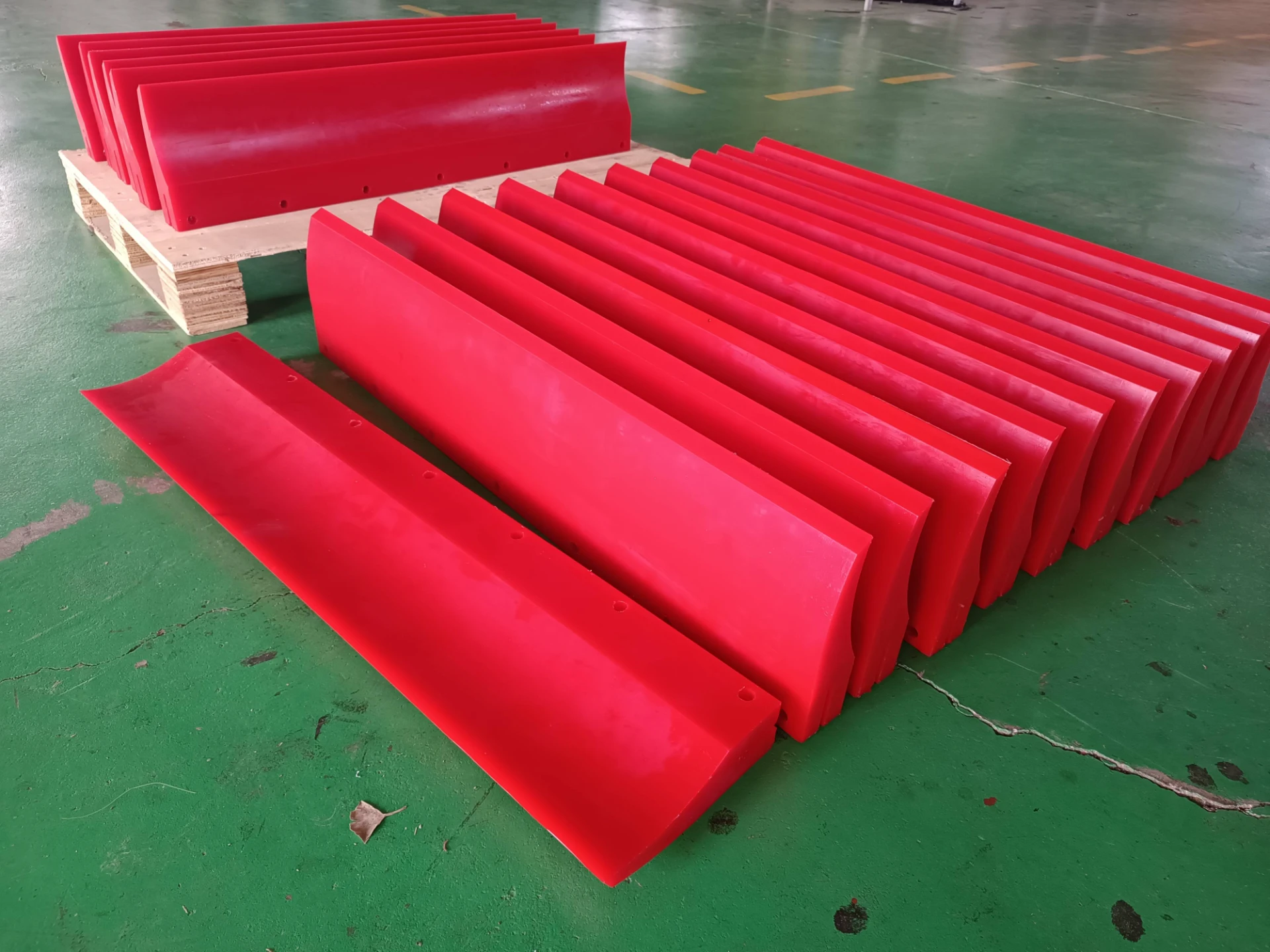
Welded Wedge Wire Screen: A Comprehensive Guide
Welded wedge wire screen is a robust and efficient filtration solution used across diverse industrial applications. Its unique construction – precisely welded V-shaped wires – offers exceptional strength, high flow rates, and consistent slot openings. Whether you're in water well construction, chemical processing, or pulp and paper manufacturing, understanding the benefits and specifications of welded wedge wire screen is crucial for optimizing your filtration processes. This article will delve into its construction, applications, advantages, and key considerations for selecting the right screen for your specific needs.
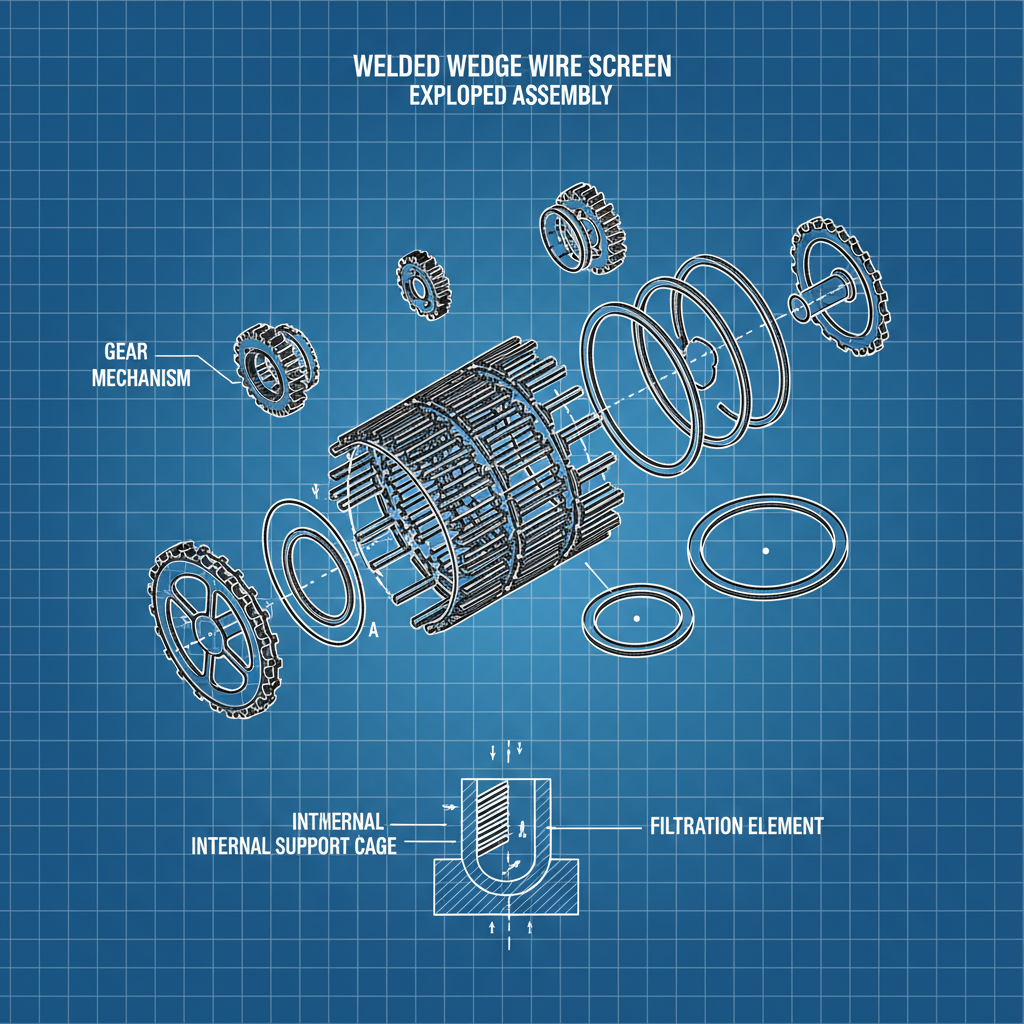
Understanding the Construction of Welded Wedge Wire Screen
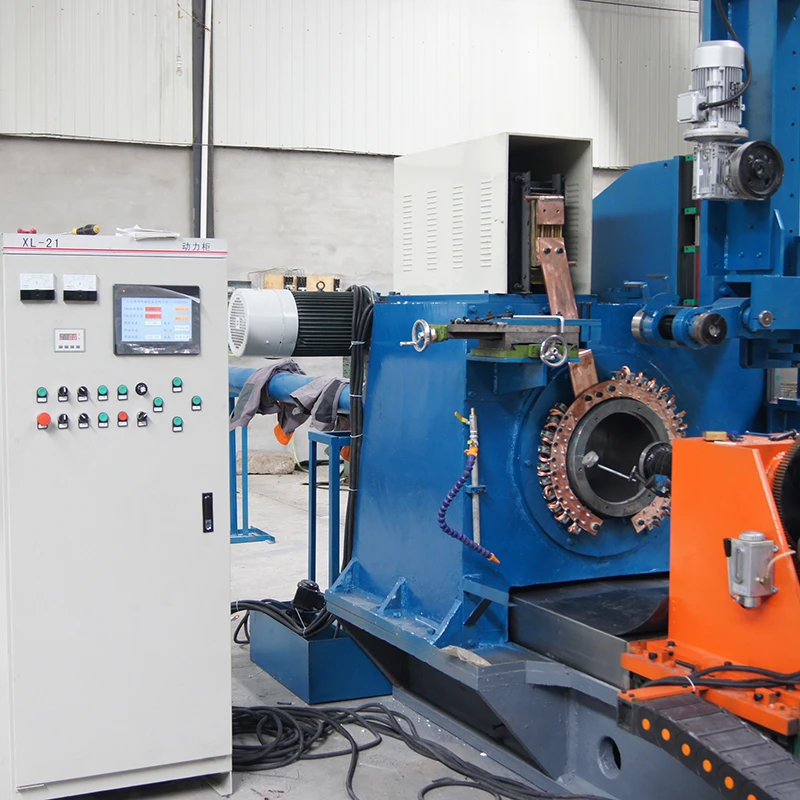
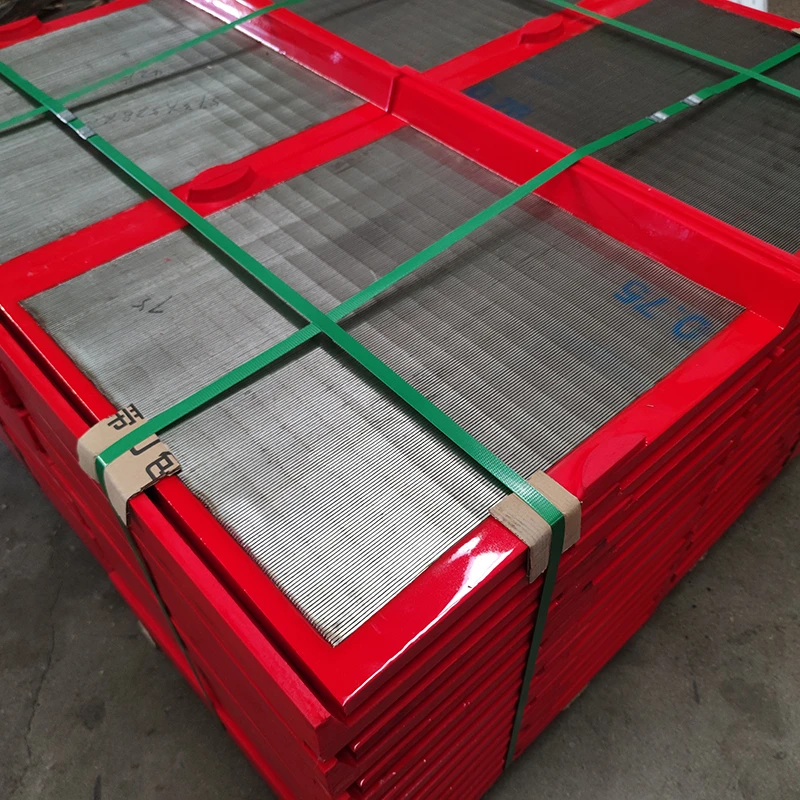
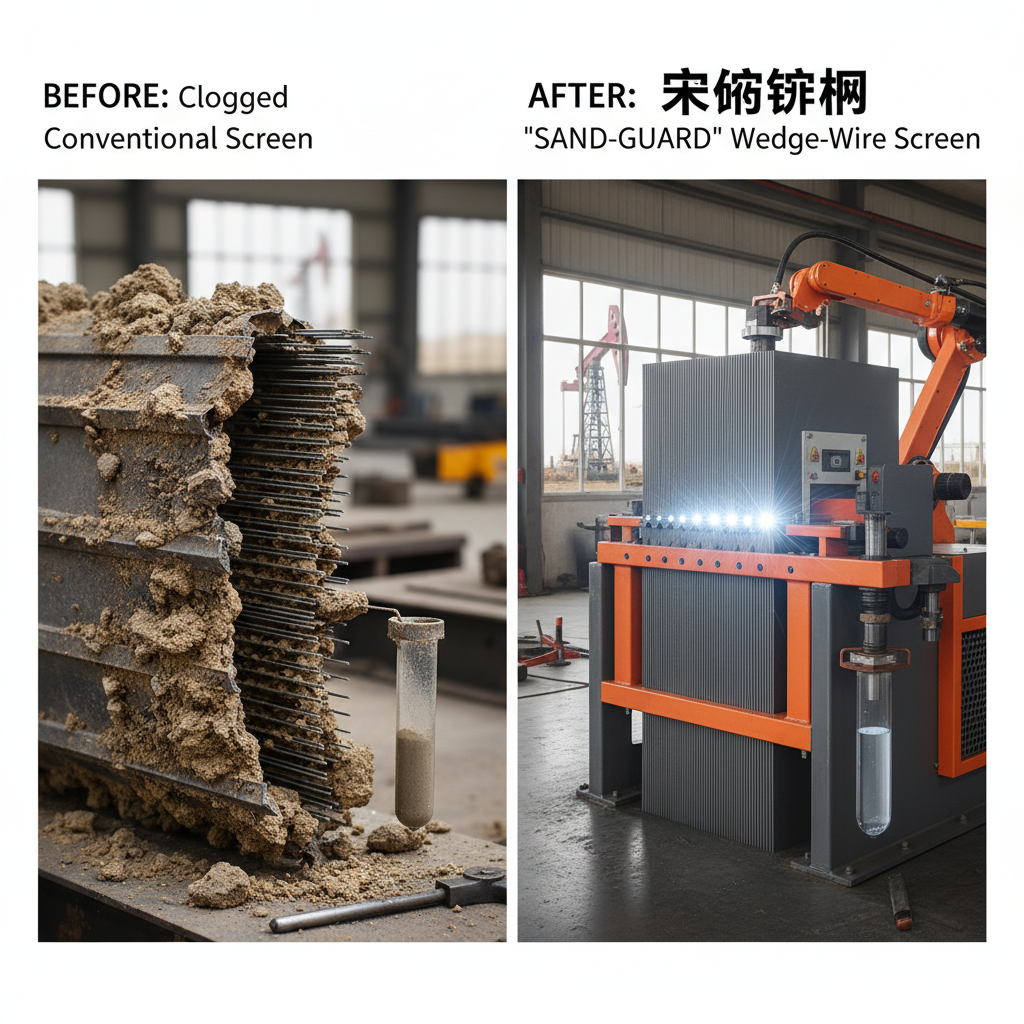
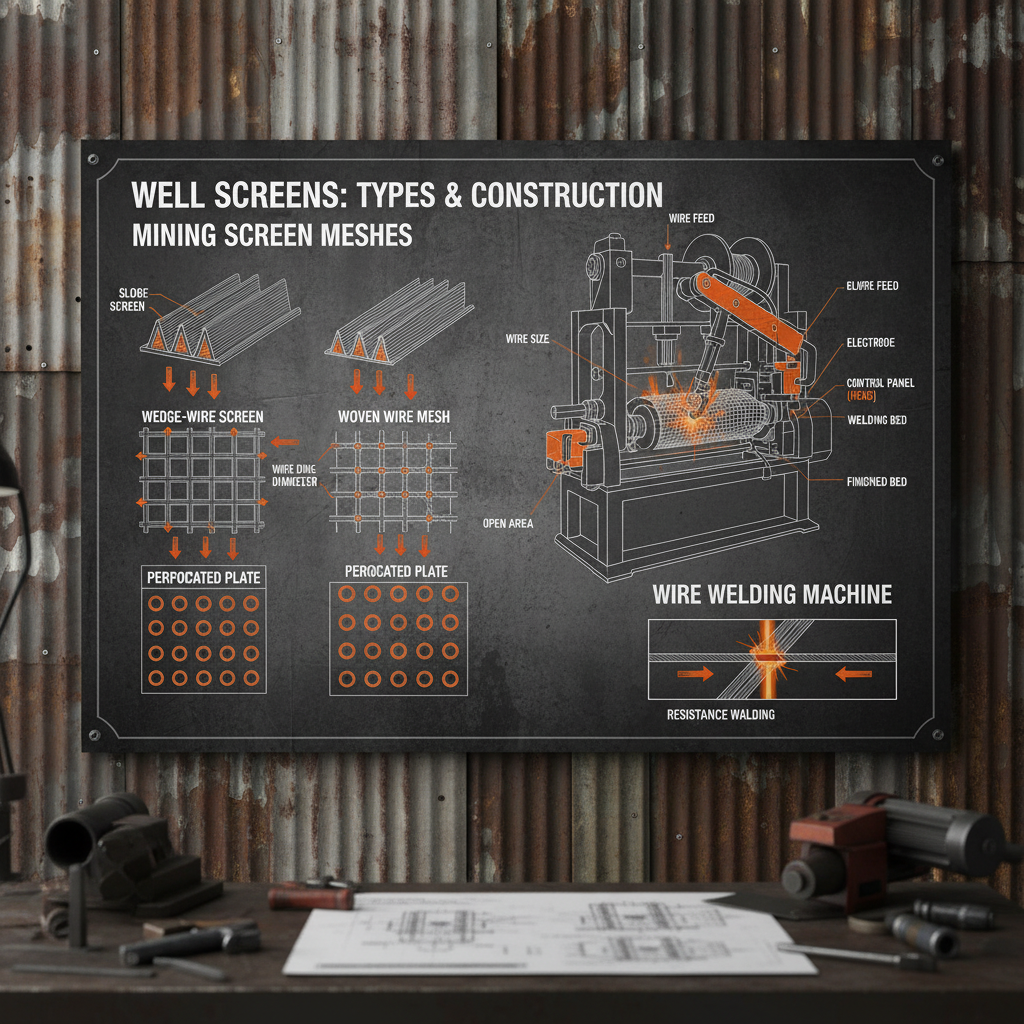
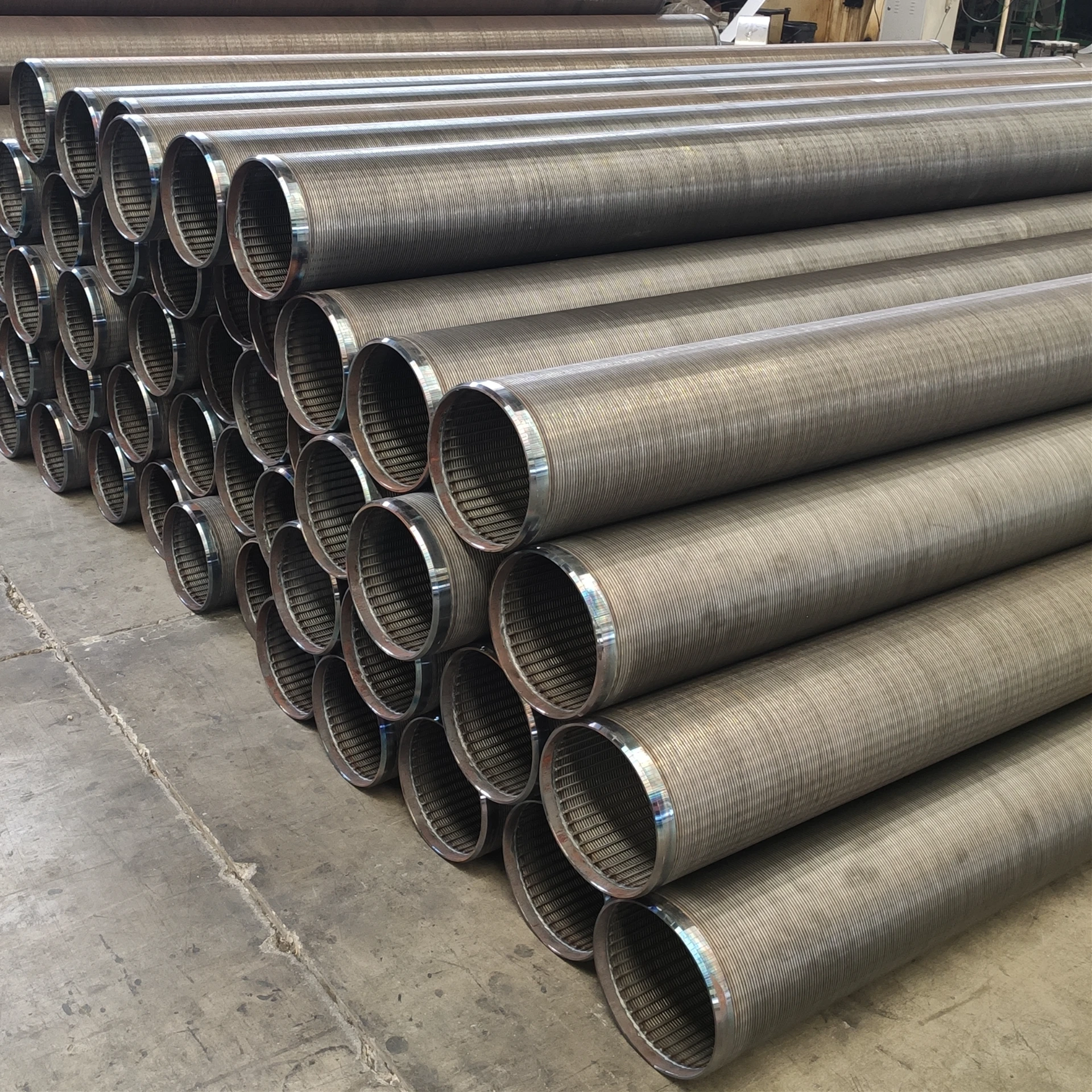
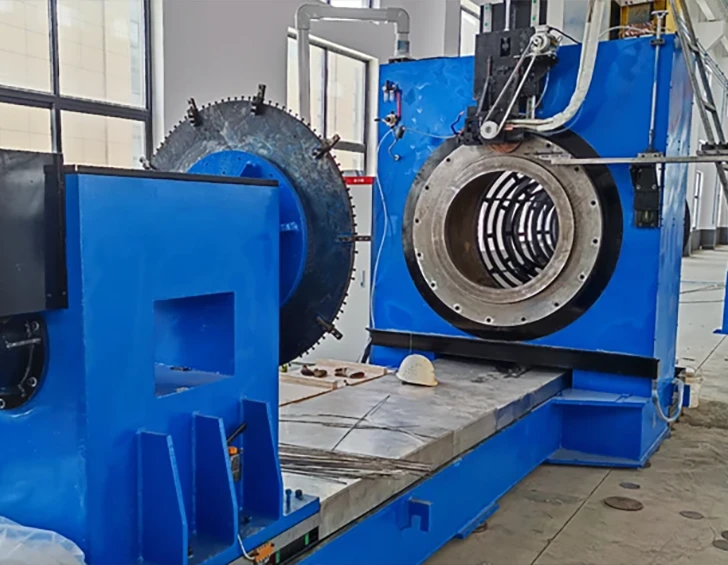
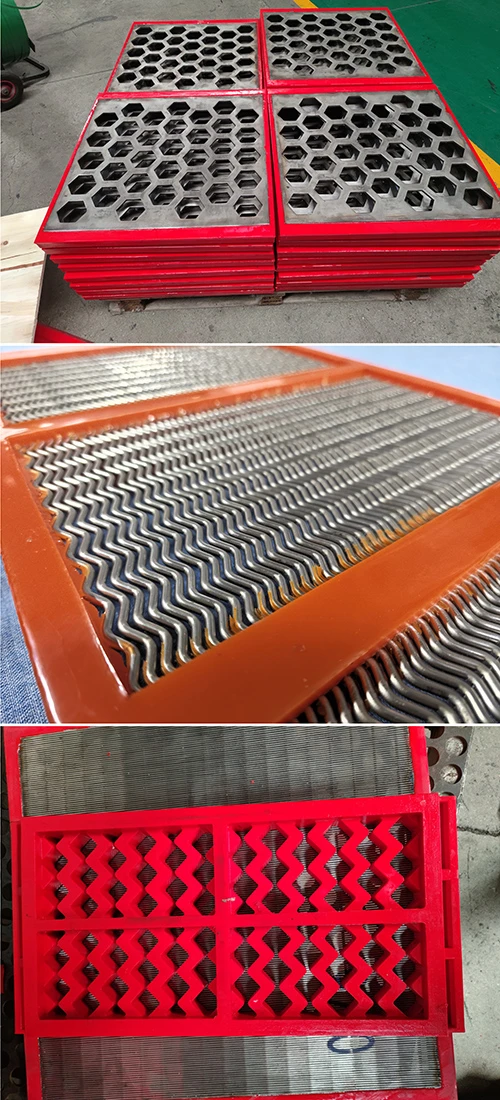
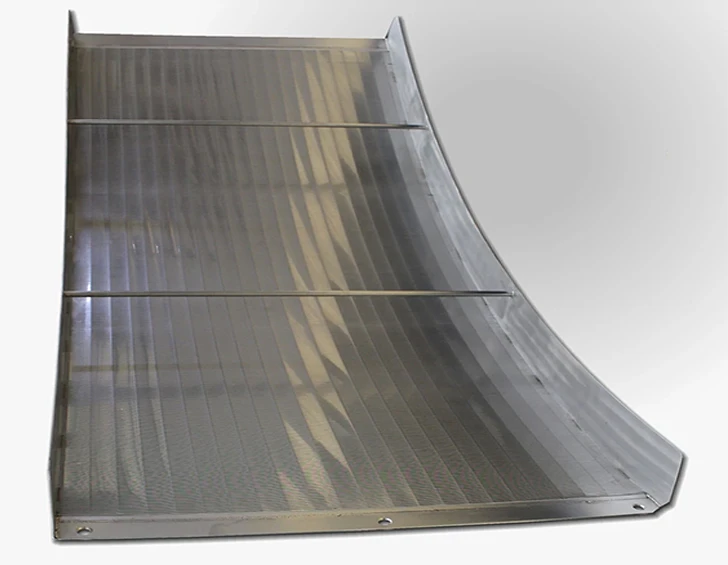
The core of welded wedge wire screen lies in its distinctive V-shaped wire profile. These wires are meticulously welded together at their apexes, creating a screen with continuous slot openings. This welding process ensures a structurally sound screen that can withstand high pressure and temperature variations. The V-shape of the wire promotes self-cleaning, minimizing plugging and maintaining consistent flow. The continuous slot design is crucial in preventing material from lodging and restricting flow, improving efficiency and reducing maintenance. Muto Screen specializes in producing high-quality welded wedge wire screens tailored to your exact requirements.
Key Advantages: Continuous slot design prevents plugging, V-shaped wire promotes self-cleaning, welded construction provides high strength and durability.
Applications of Welded Wedge Wire Screen
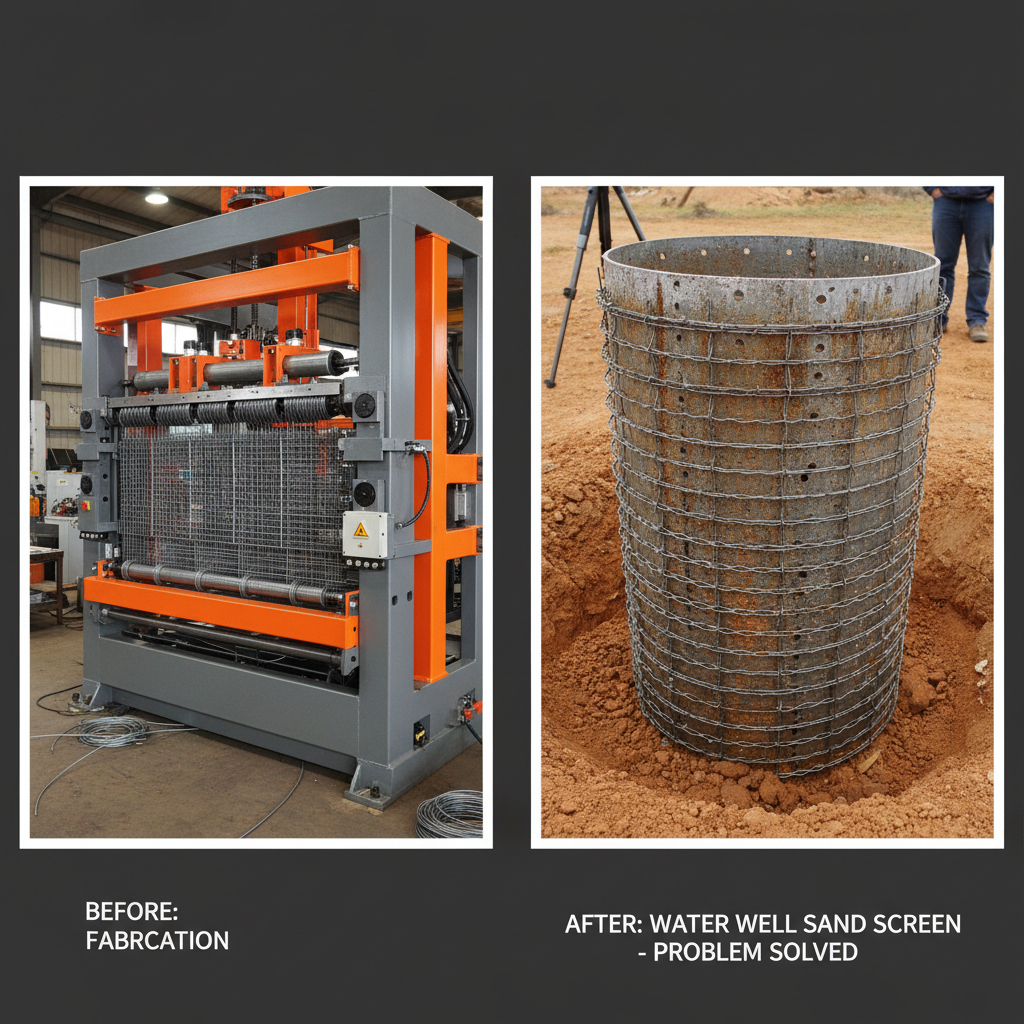
The versatility of welded wedge wire screen makes it ideal for a broad spectrum of applications. In water well construction, it acts as an efficient intake screen, preventing sand and gravel from entering the well while allowing water to flow freely. The chemical processing industry utilizes it for filtration and separation of solids and liquids. Pulp and paper mills employ it for screening wood pulp and removing contaminants. Other common uses include mining, wastewater treatment, and food processing. Its ability to handle high volumes and maintain consistent filtration makes it a reliable solution across numerous sectors.
Common Applications:
• Water Well Screens
• Chemical Processing Filtration
• Pulp and Paper Screening
• Wastewater Treatment
Key Benefits of Using Welded Wedge Wire Screen
Compared to other filtration methods, welded wedge wire screen provides several distinct advantages. Its high open area ensures maximum flow rates, reducing energy consumption and improving efficiency. The precise slot openings deliver consistent filtration, preventing the passage of unwanted particles. Its robust construction offers excellent durability and a long service life, minimizing replacement costs. Furthermore, the self-cleaning design reduces maintenance requirements, saving time and resources. The welded wedge wire screen from Muto Screen delivers a cost-effective and reliable filtration solution.
Selecting the Right Welded Wedge Wire Screen: Key Considerations
Choosing the optimal welded wedge wire screen requires careful consideration of several factors. First, determine the appropriate slot size based on the particle size you need to retain. Secondly, the wire material should be compatible with the fluid or substance being filtered – stainless steel is a common choice for its corrosion resistance. Thirdly, consider the operating pressure and temperature. Finally, the screen’s dimensions must be precisely matched to your equipment. Contacting a specialist like Muto Screen can provide expert guidance in selecting the ideal screen for your application.
Product Specifications and Customization Options
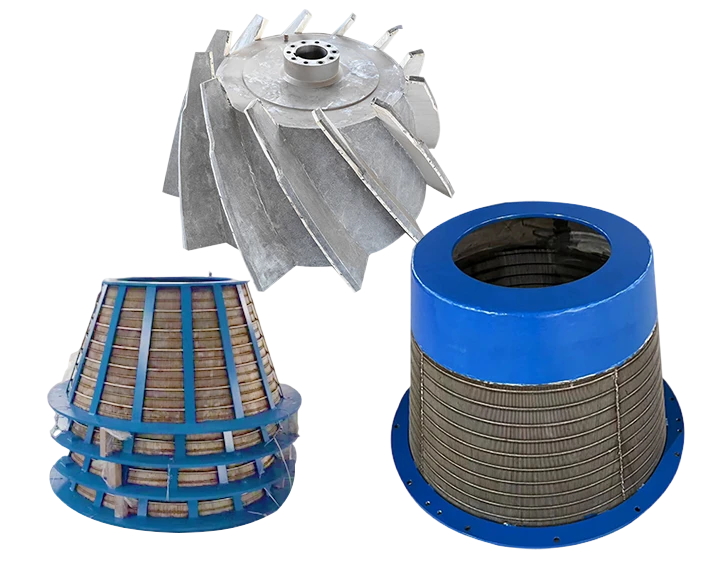
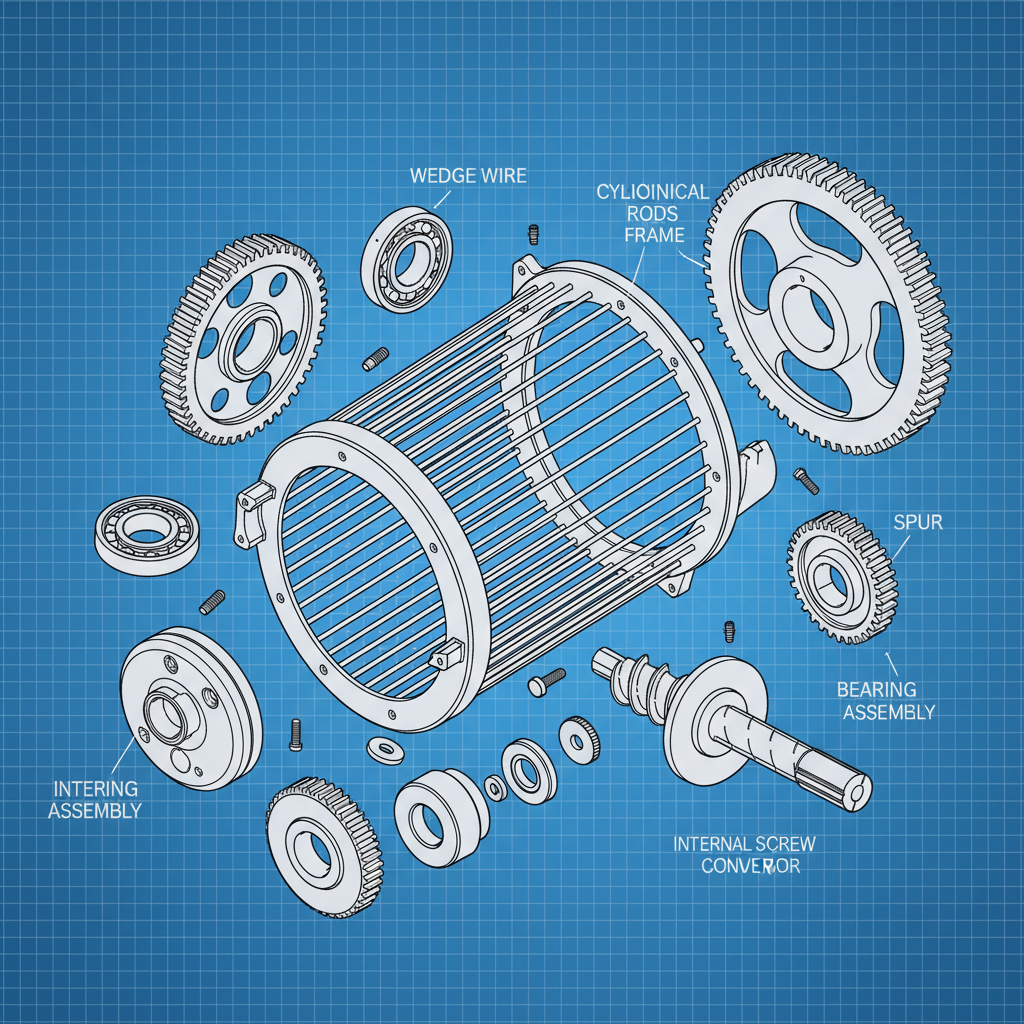
Muto Screen offers a wide range of welded wedge wire screen specifications to meet diverse industrial needs. We provide customization options for wire profile, slot size, material, and dimensions. Our screens can be supplied in various shapes, including cylinders, flat panels, and custom designs. We use high-quality welding techniques to ensure robust and reliable screens. Below is a typical specification table:
Conclusion: Enhance Your Filtration with Muto Screen
Investing in high-quality welded wedge wire screen from Muto Screen is a strategic decision that can improve operational efficiency, reduce maintenance costs, and ensure optimal filtration performance. Our commitment to quality, customization, and expert support makes us a trusted partner for industries worldwide. Don’t compromise on filtration – choose Muto Screen.
Frequently Asked Questions (FAQs)
What is the typical lifespan of welded wedge wire screen?
The lifespan of welded wedge wire screen varies depending on the application and operating conditions. However, with proper maintenance and appropriate material selection, it can reliably perform for 5-10 years or longer. Factors such as the corrosiveness of the fluid, operating pressure, and temperature can affect its longevity. Regular inspection for wear and tear, and timely cleaning to prevent clogging, are essential for maximizing its lifespan.
What materials are commonly used in welded wedge wire screen construction?
Stainless steel, particularly SS304 and SS316L, is the most frequently used material due to its excellent corrosion resistance and durability. Duplex stainless steel offers even greater strength and corrosion resistance for demanding applications. Other materials, such as Hastelloy and titanium, are used in highly corrosive environments. The choice of material depends on the specific fluid or substance being filtered and the operating conditions.
Can welded wedge wire screen be repaired if damaged?
Minor damage, such as small cracks or dents, can sometimes be repaired by a qualified welding specialist. However, extensive damage typically requires screen replacement to ensure structural integrity and maintain consistent filtration performance. Attempting to repair severely damaged screen can compromise its effectiveness and potentially lead to equipment failure.
What are the benefits of choosing V-shaped wires over other wire profiles?
The V-shaped wire profile offers significant advantages in filtration applications. Its unique design promotes self-cleaning, preventing clogging and maintaining consistent flow rates. The sharp apex of the V-shape effectively cuts through debris, minimizing plugging. Furthermore, the V-shape provides greater structural strength and resistance to deformation compared to other wire profiles.